Tolerances 101
Why Broadhead and Component Tolerances Matter to Bow Hunters






In the world of bowhunting, the word tolerances gets thrown around a lot - but few people truly understand what it means or why it matters. In this video, we break down the real science behind manufacturing tolerances, how they affect the fit, concentricity, and performance of your broadheads, and why precision tolerances can make the difference between a wobbling arrow and a perfectly flying one. Whether you're a seasoned bowhunter or just getting into gear tuning, this video will show you exactly what tolerances are, how they're measured, and why companies like Iron Will invest so heavily in machining accuracy to give you the most reliable flight possible.
The term "tolerances" is used and often misused in the bowhunting industry. As a result, we think it's important to explain what tolerances are and which are important.
Whenever designing a new bow hunting part, we create an engineering print. On that print, we specify which elements are critical to function. For all those dimensions, there will be a nominal dimension, plus a tolerance. Tolerance is the allowable range with which we can manufacture that part and still have it perform as expected.
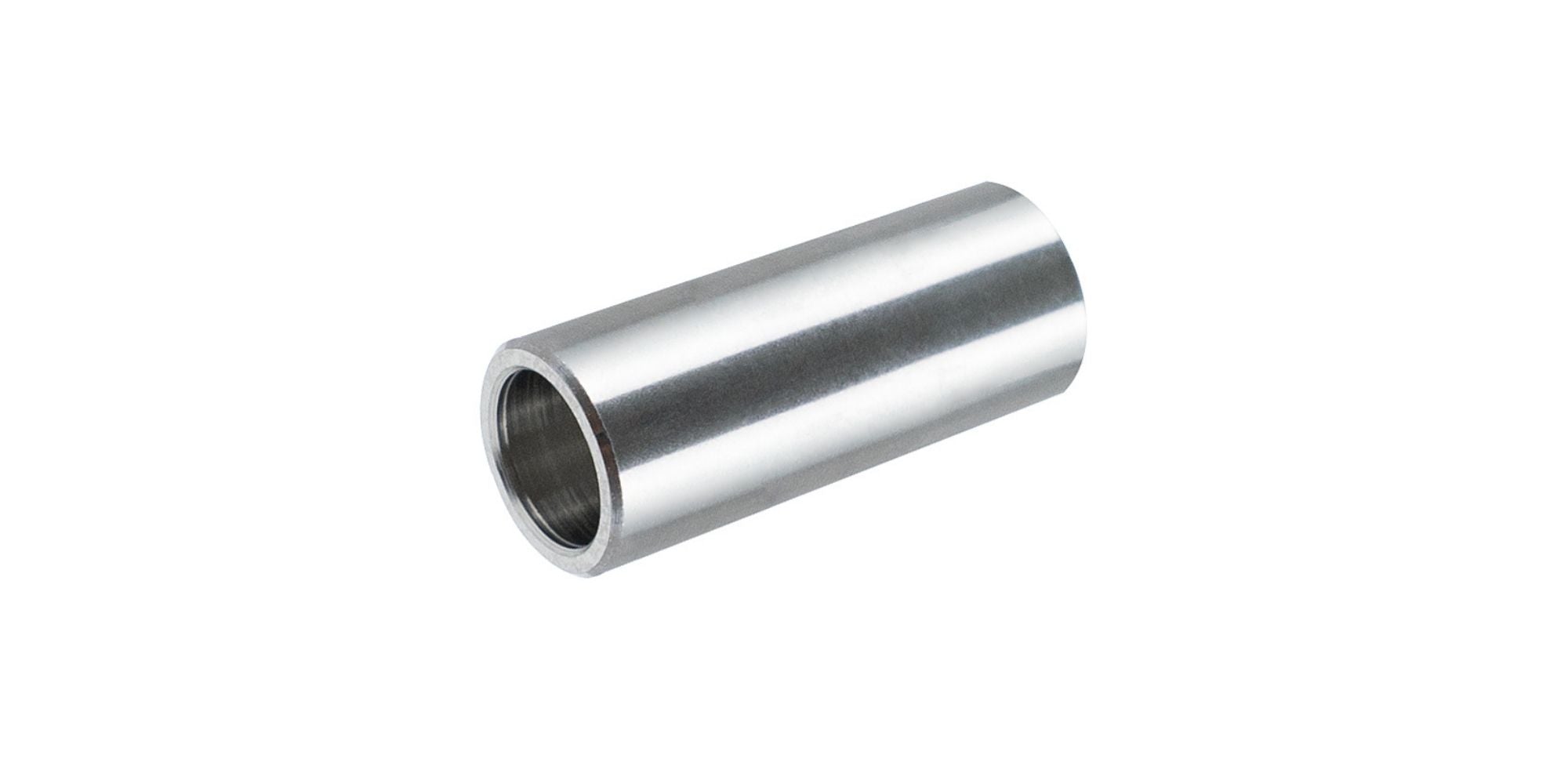
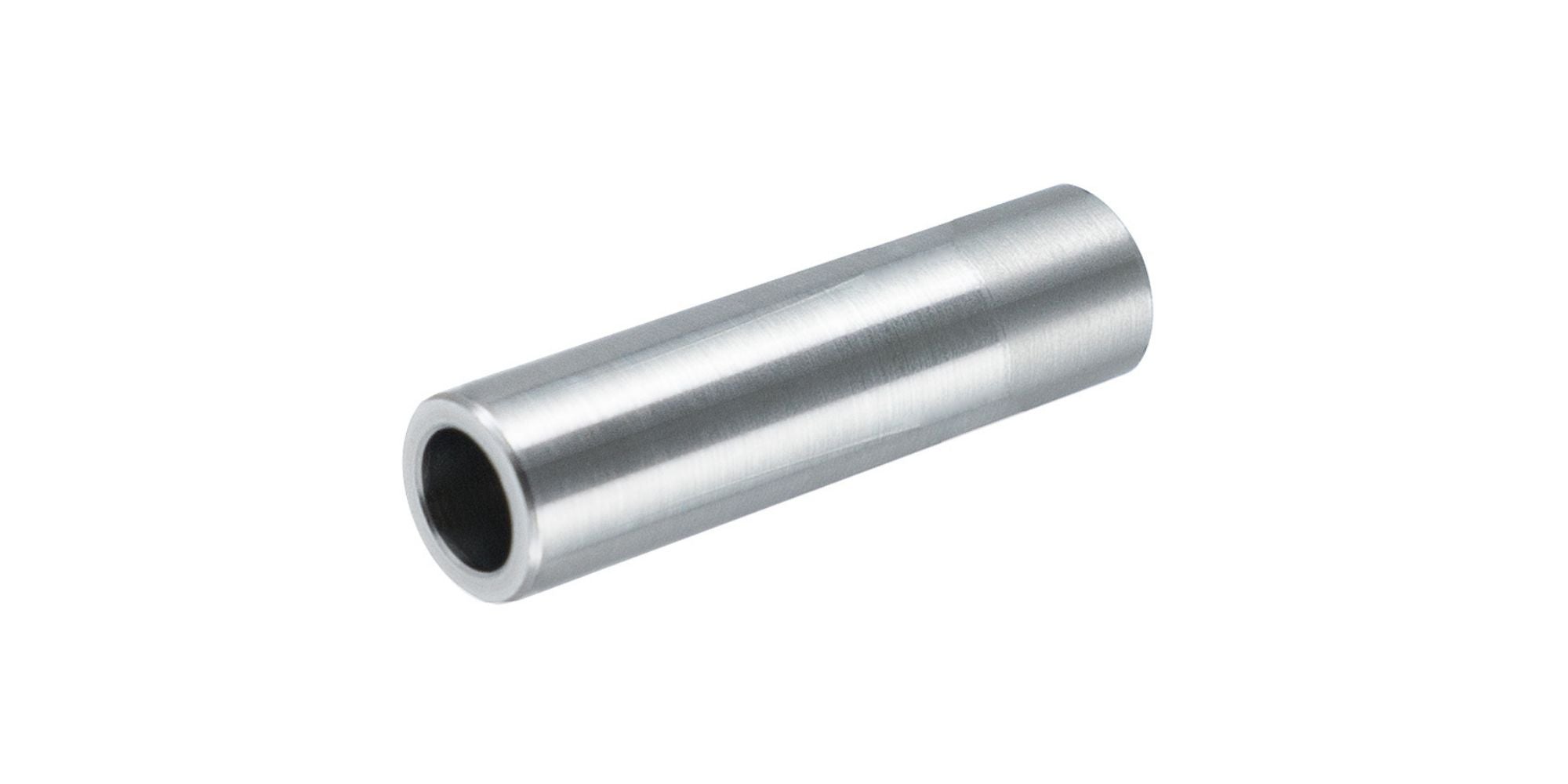
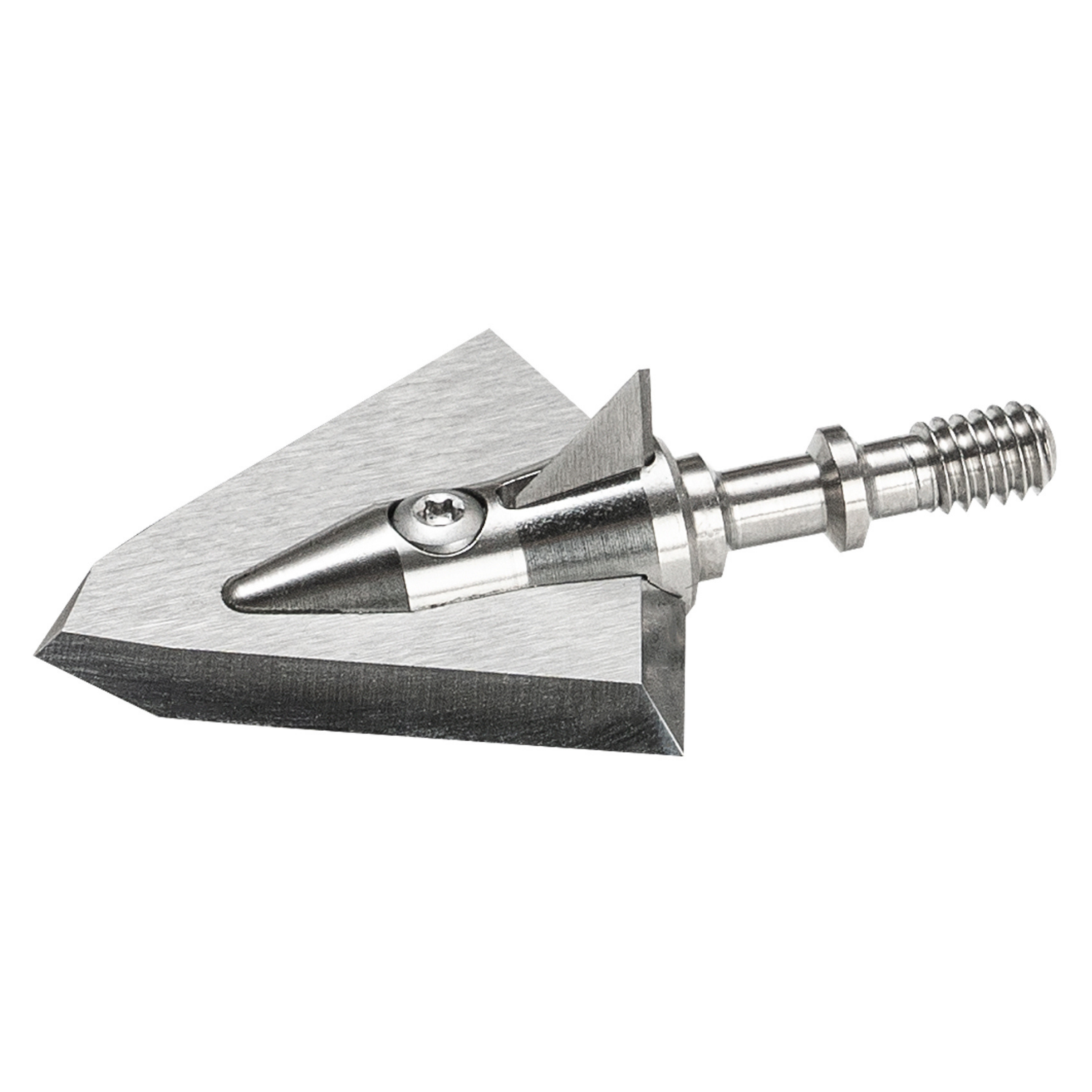
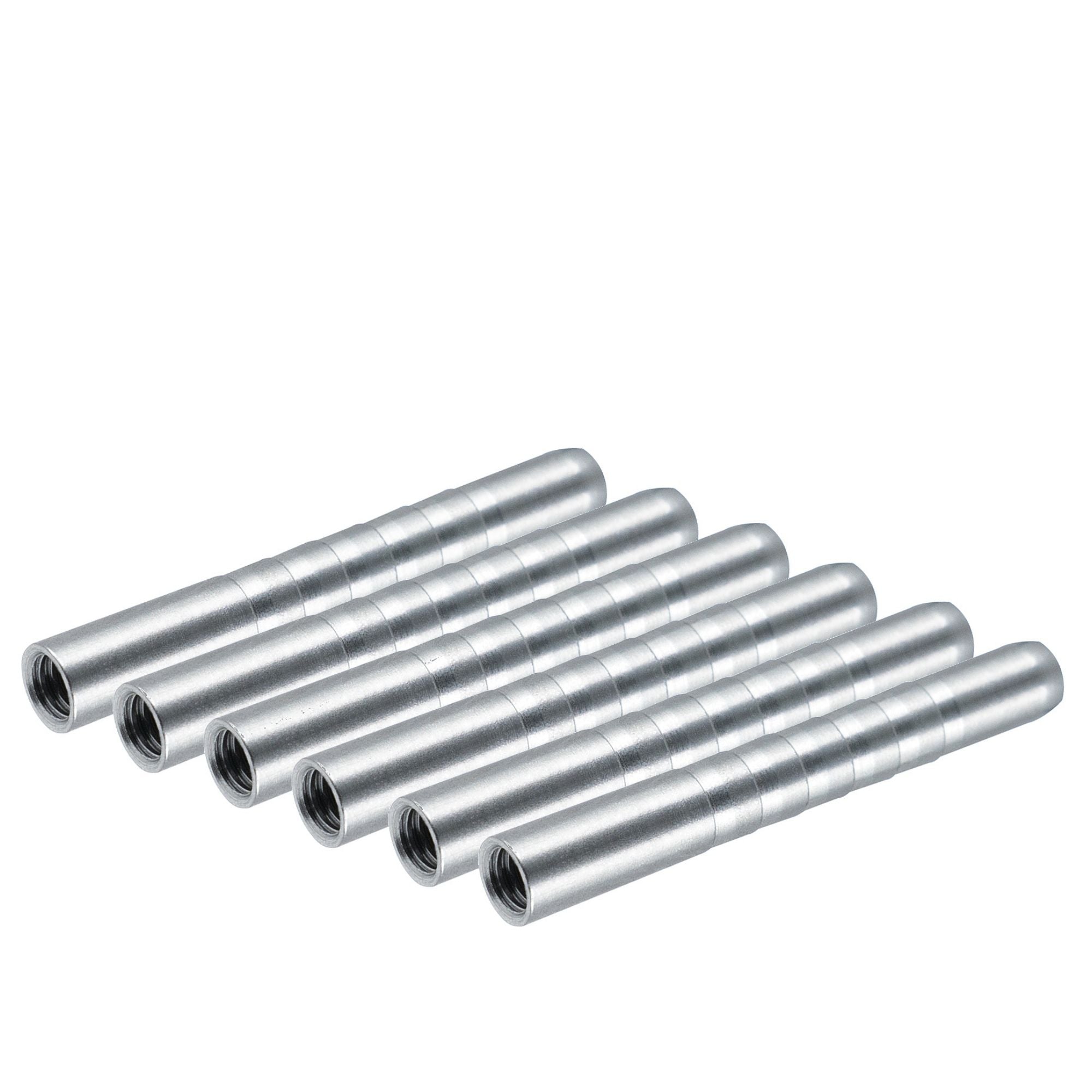
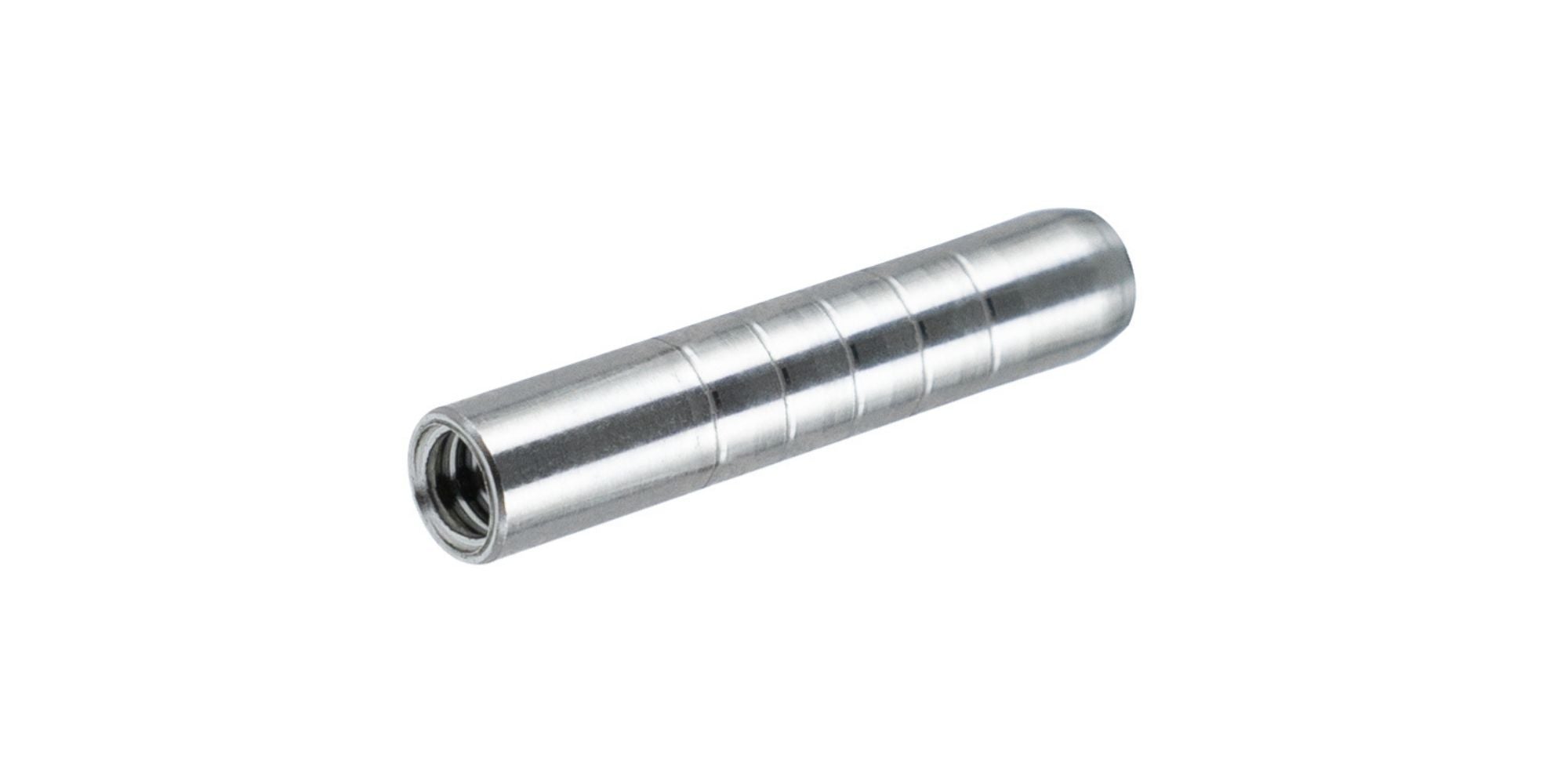
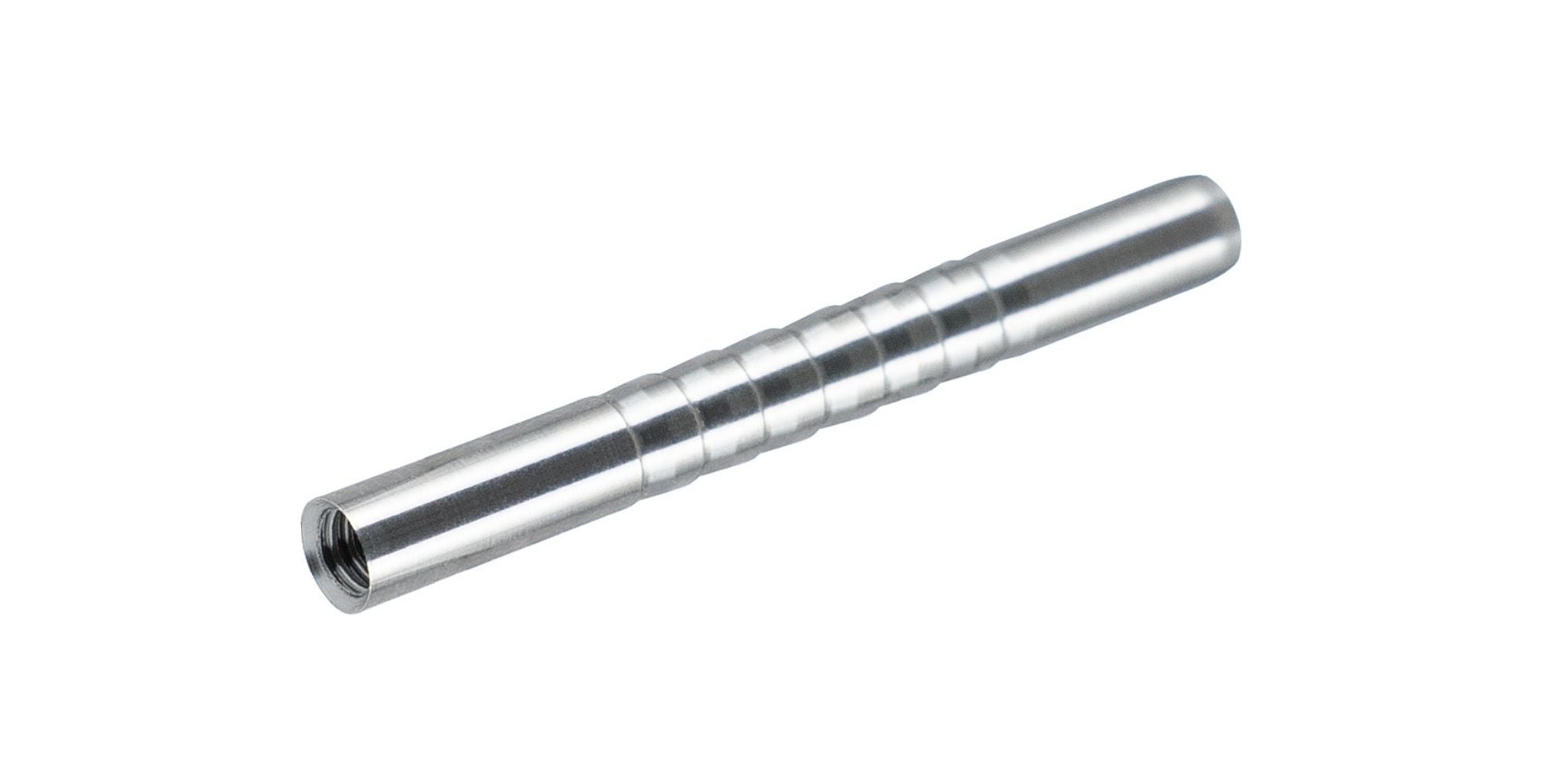
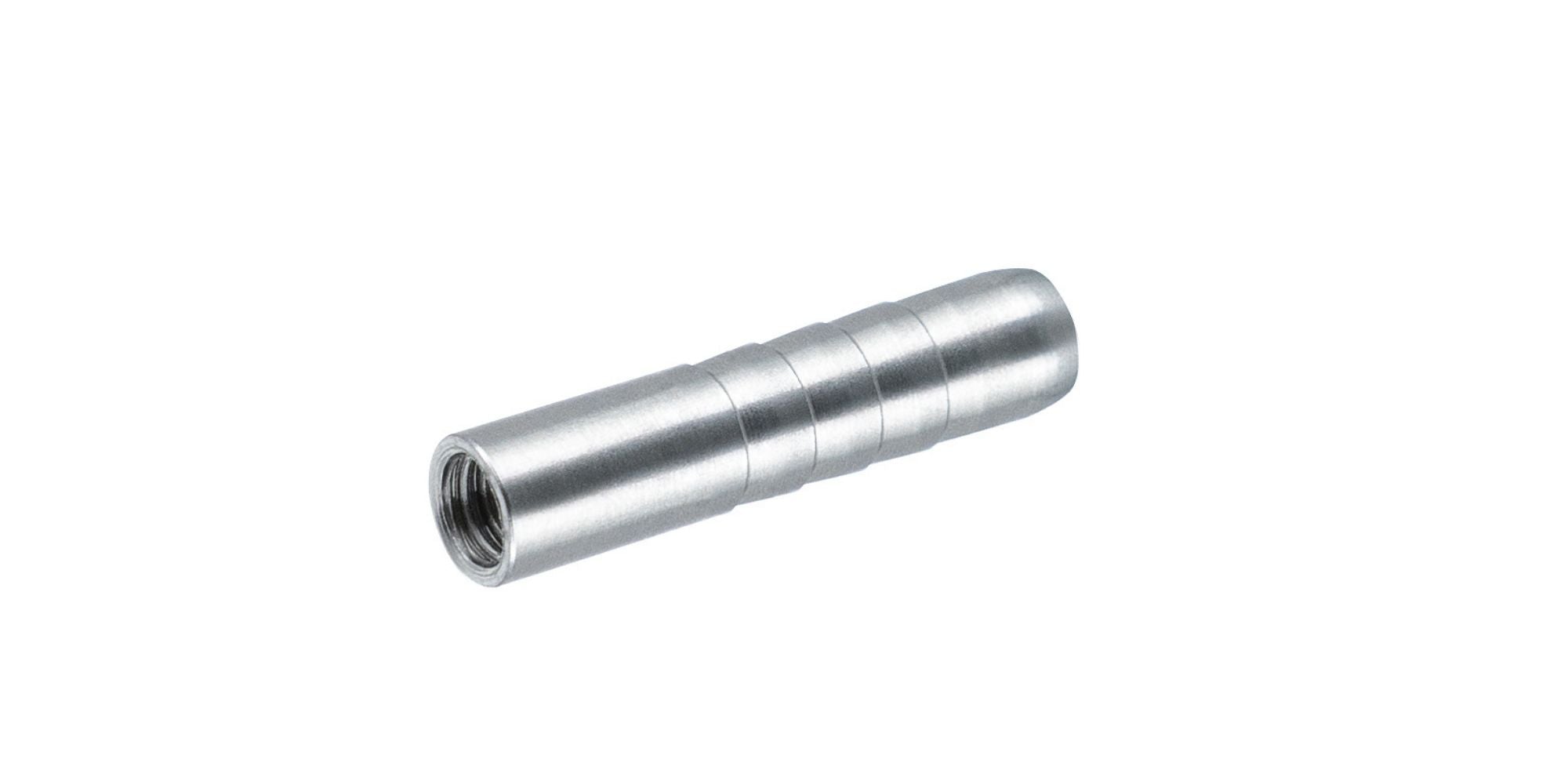
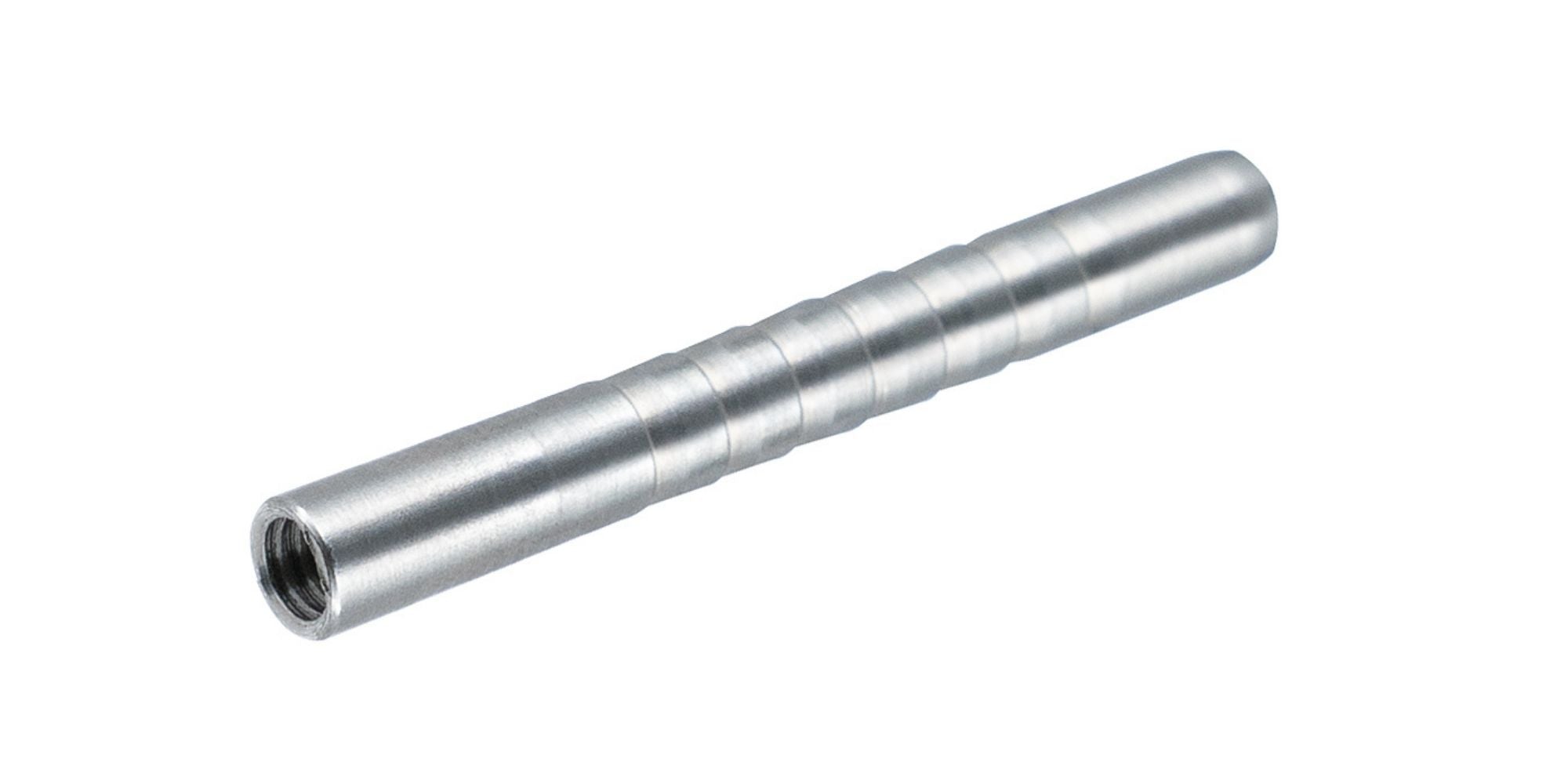
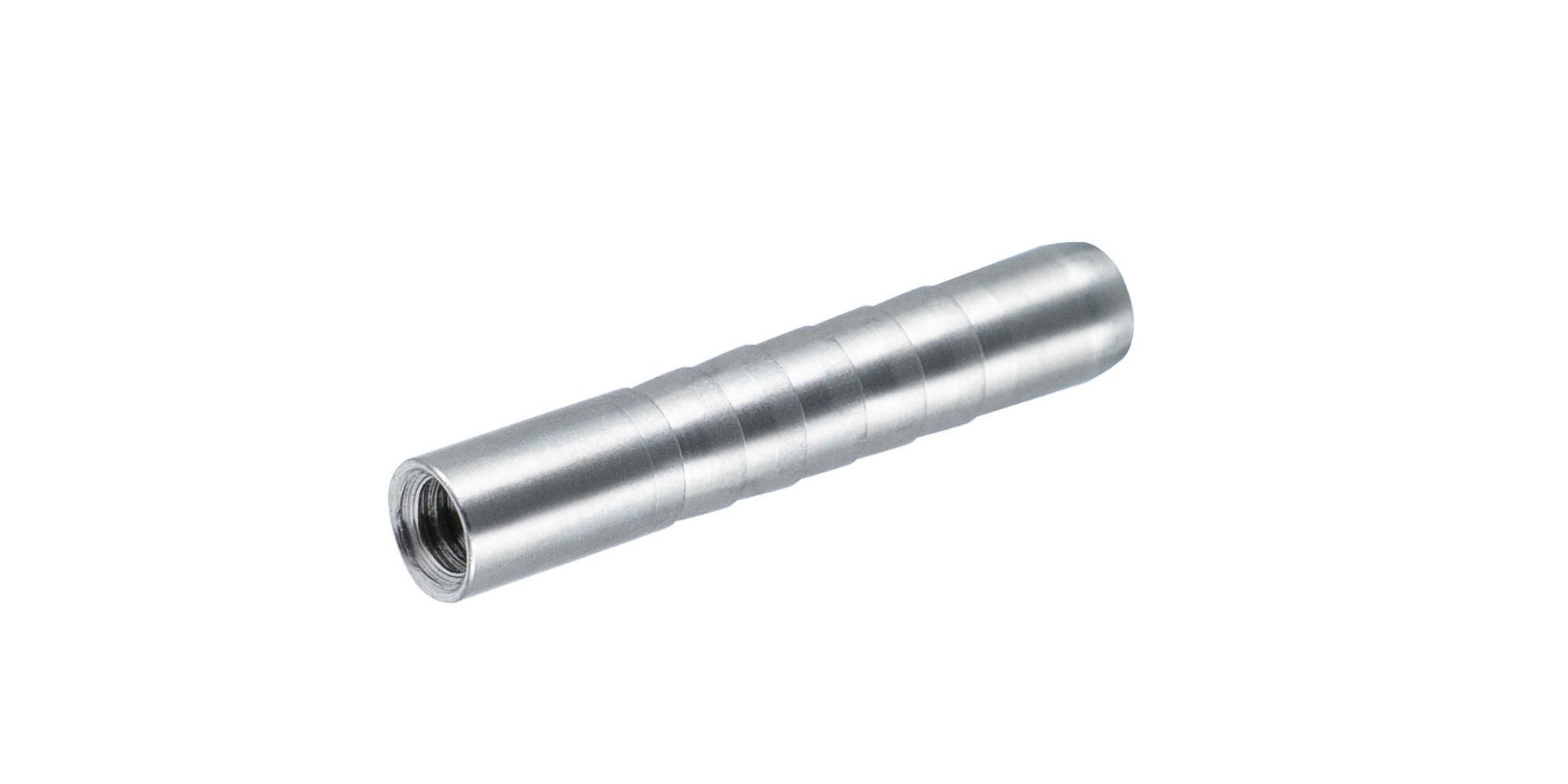
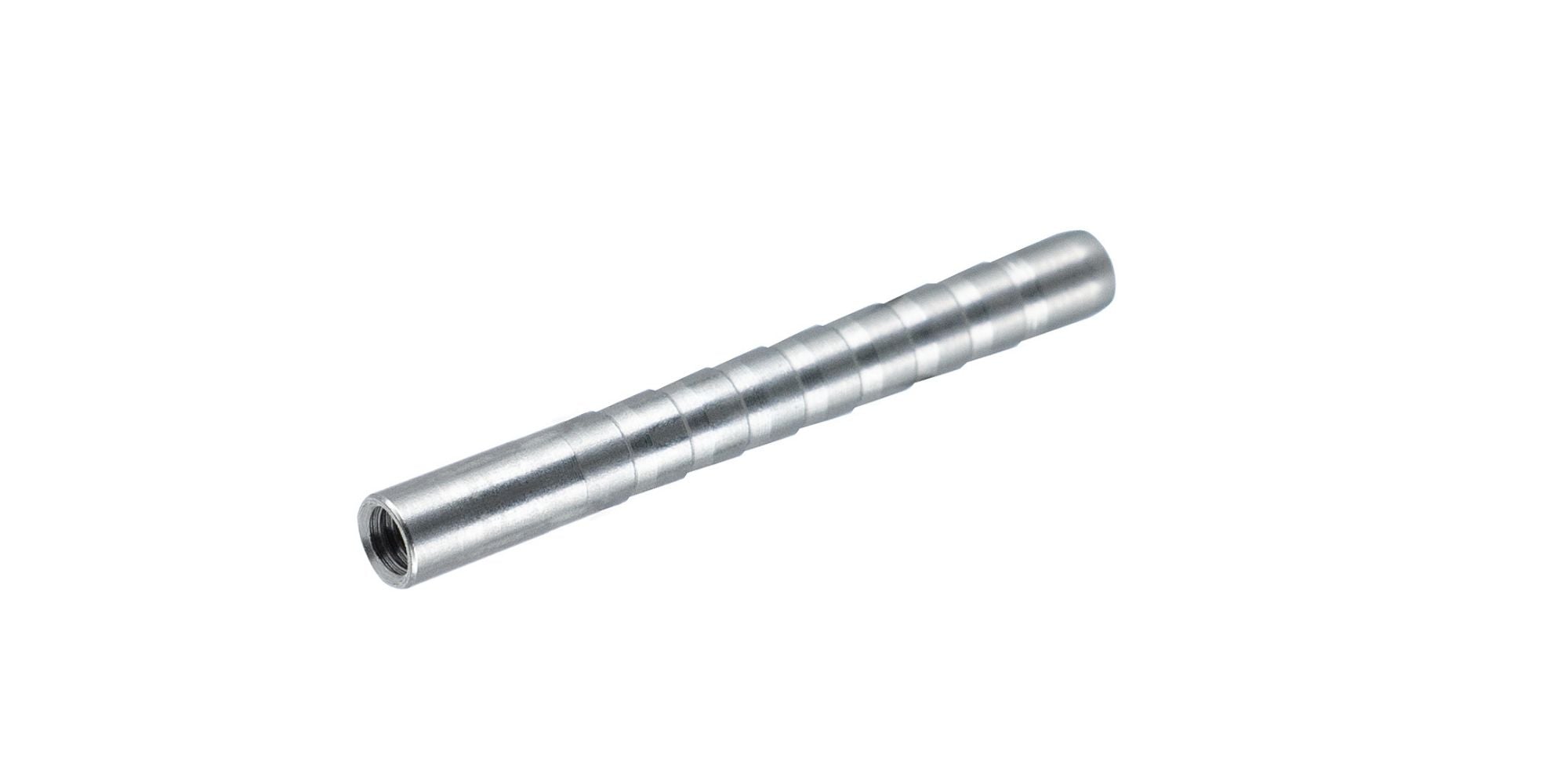
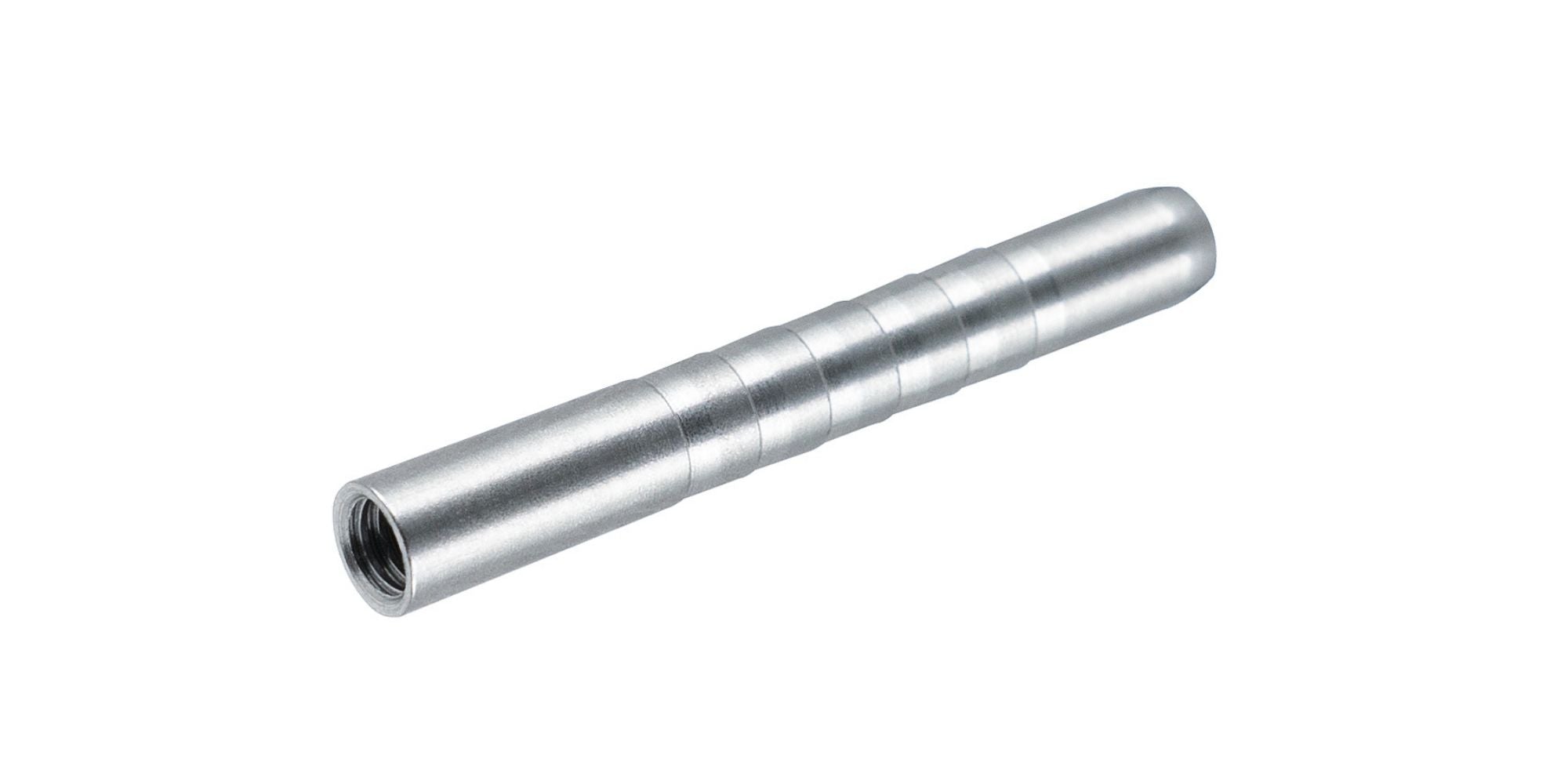
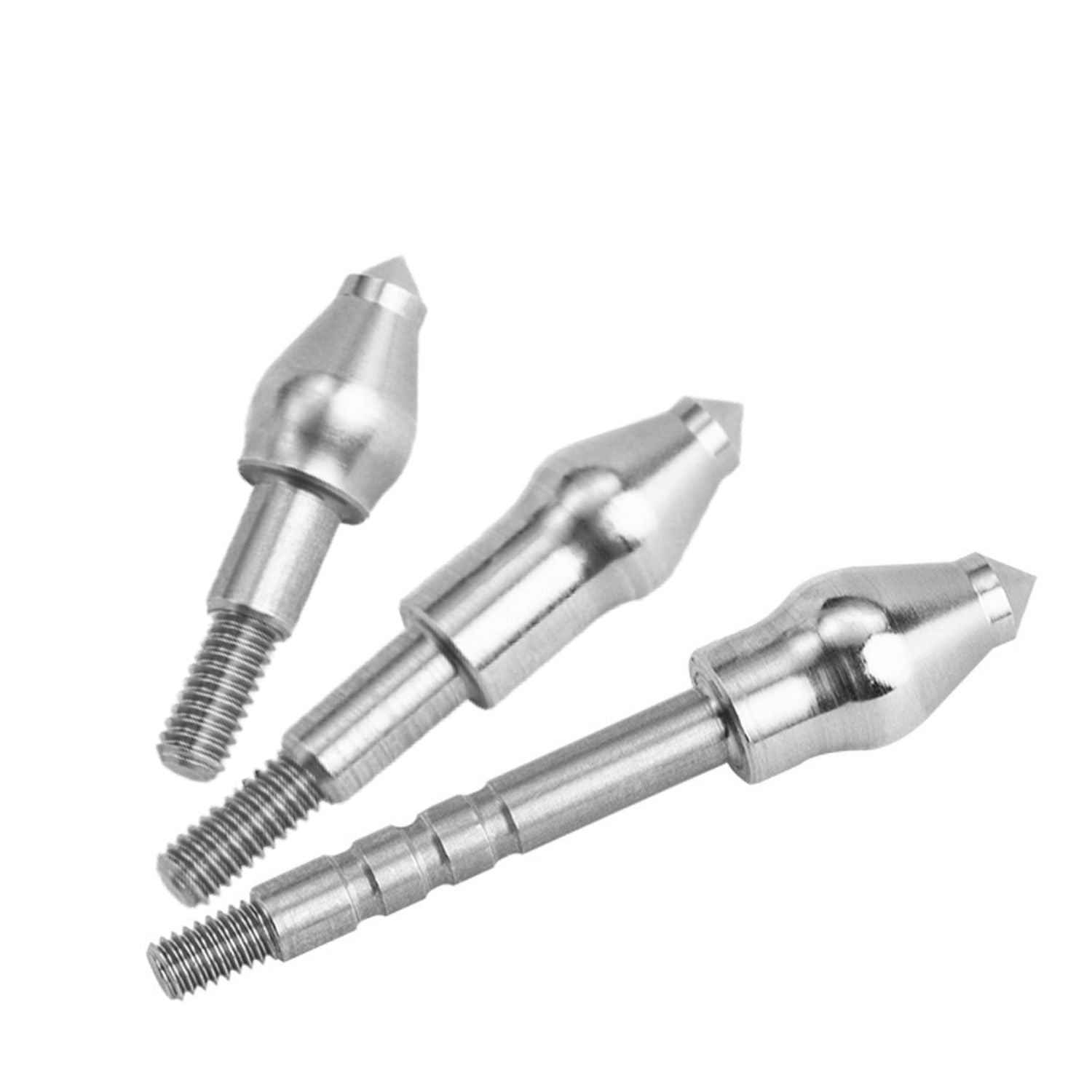
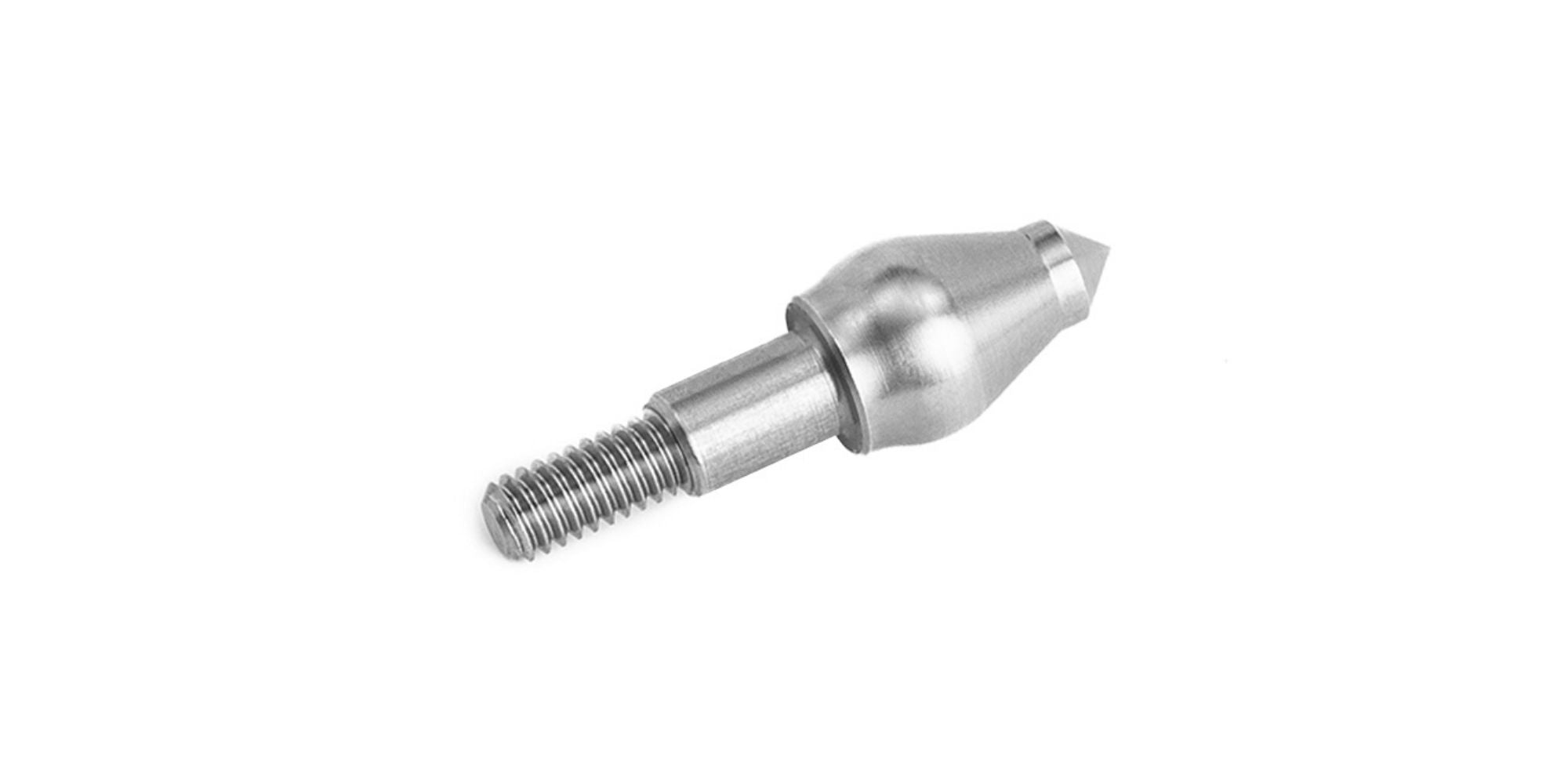
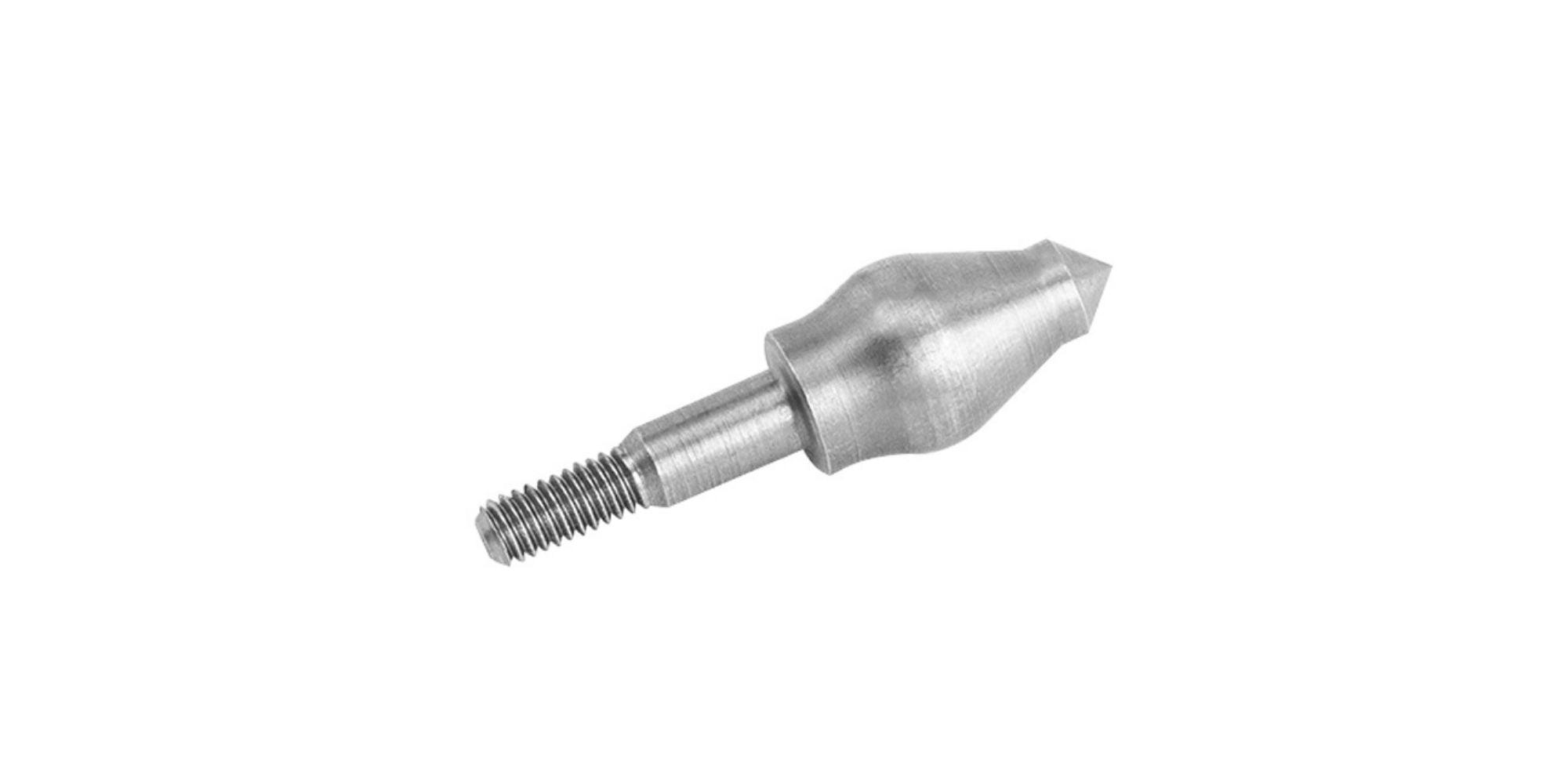
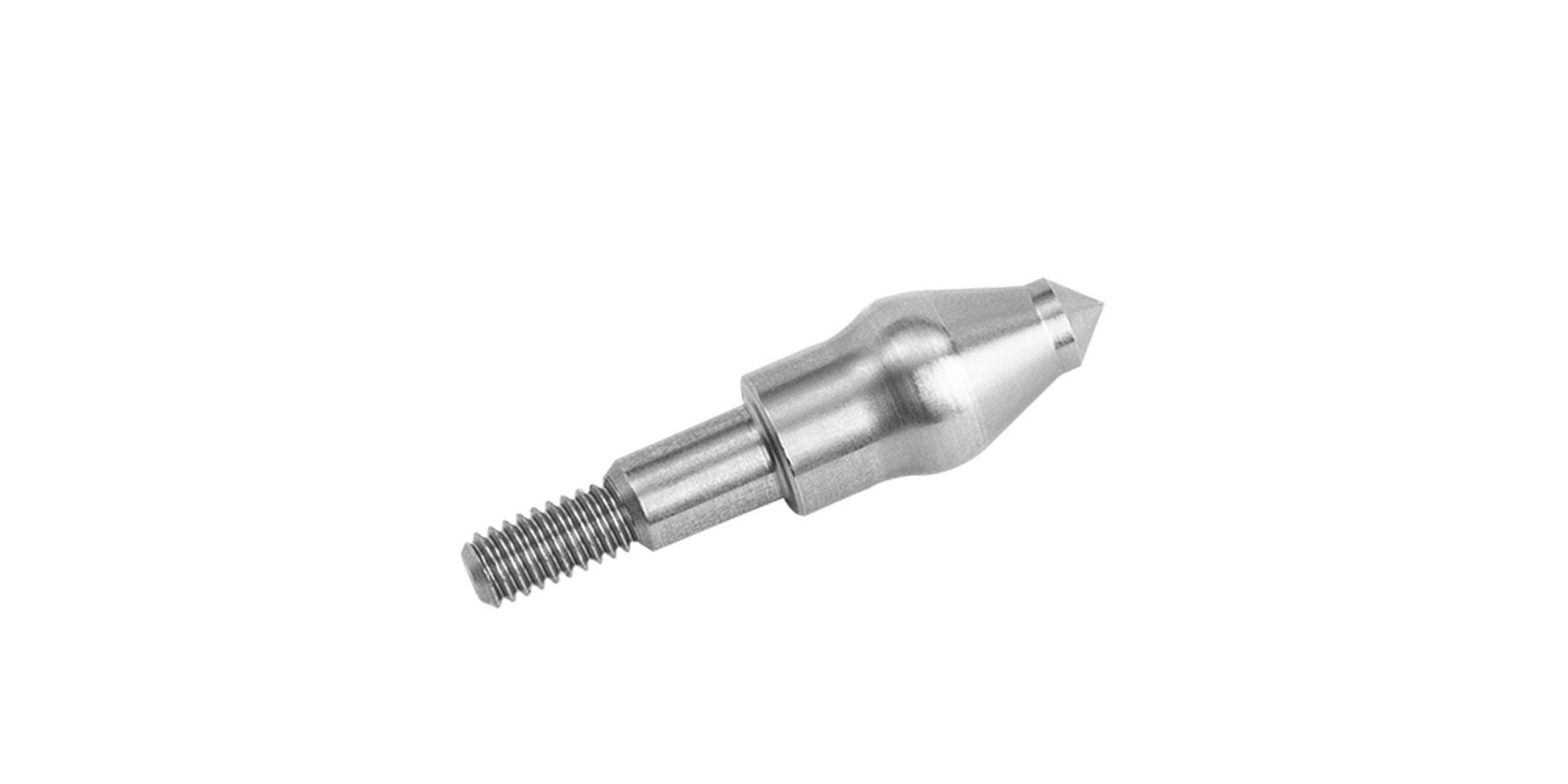
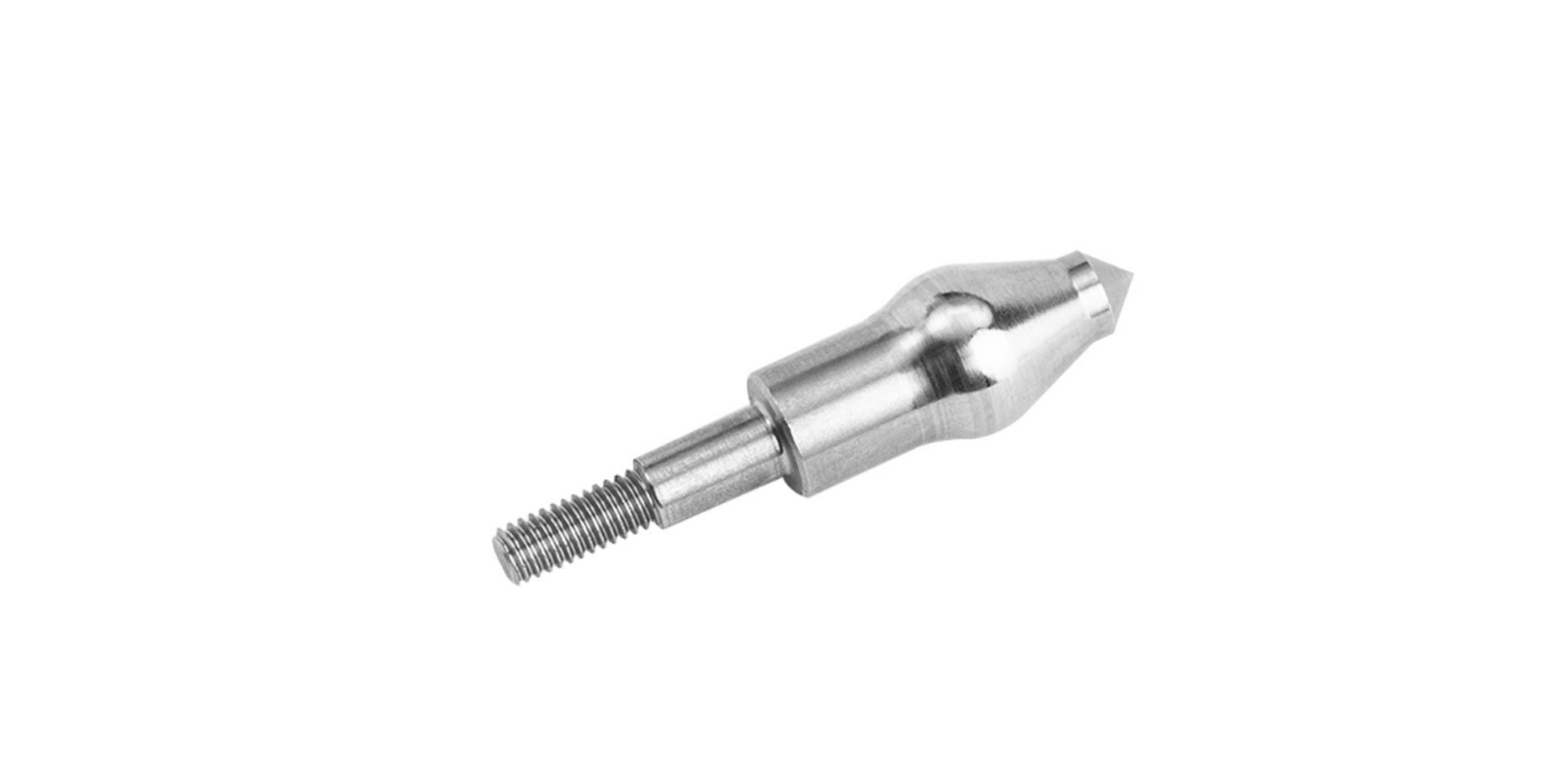
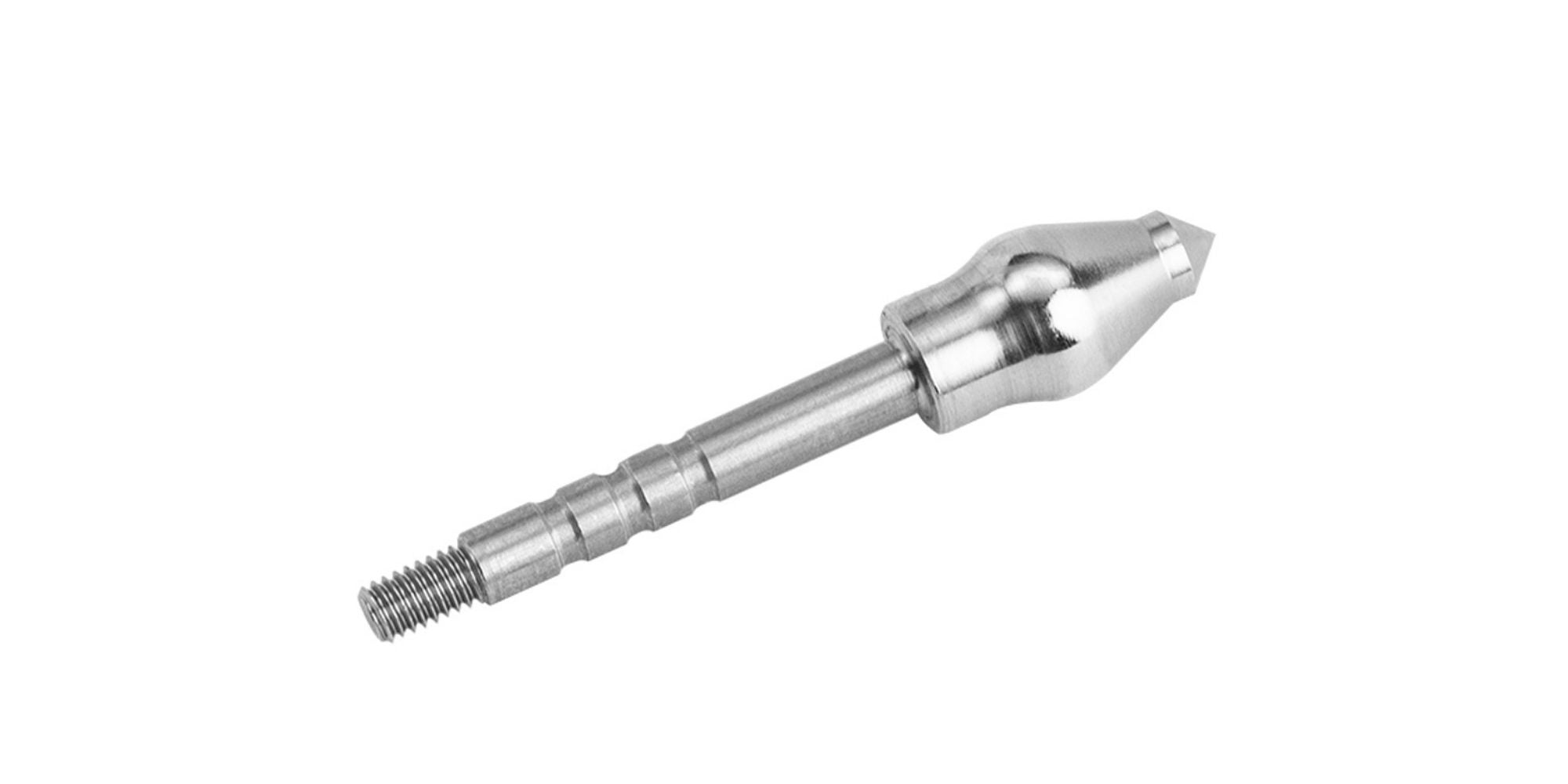
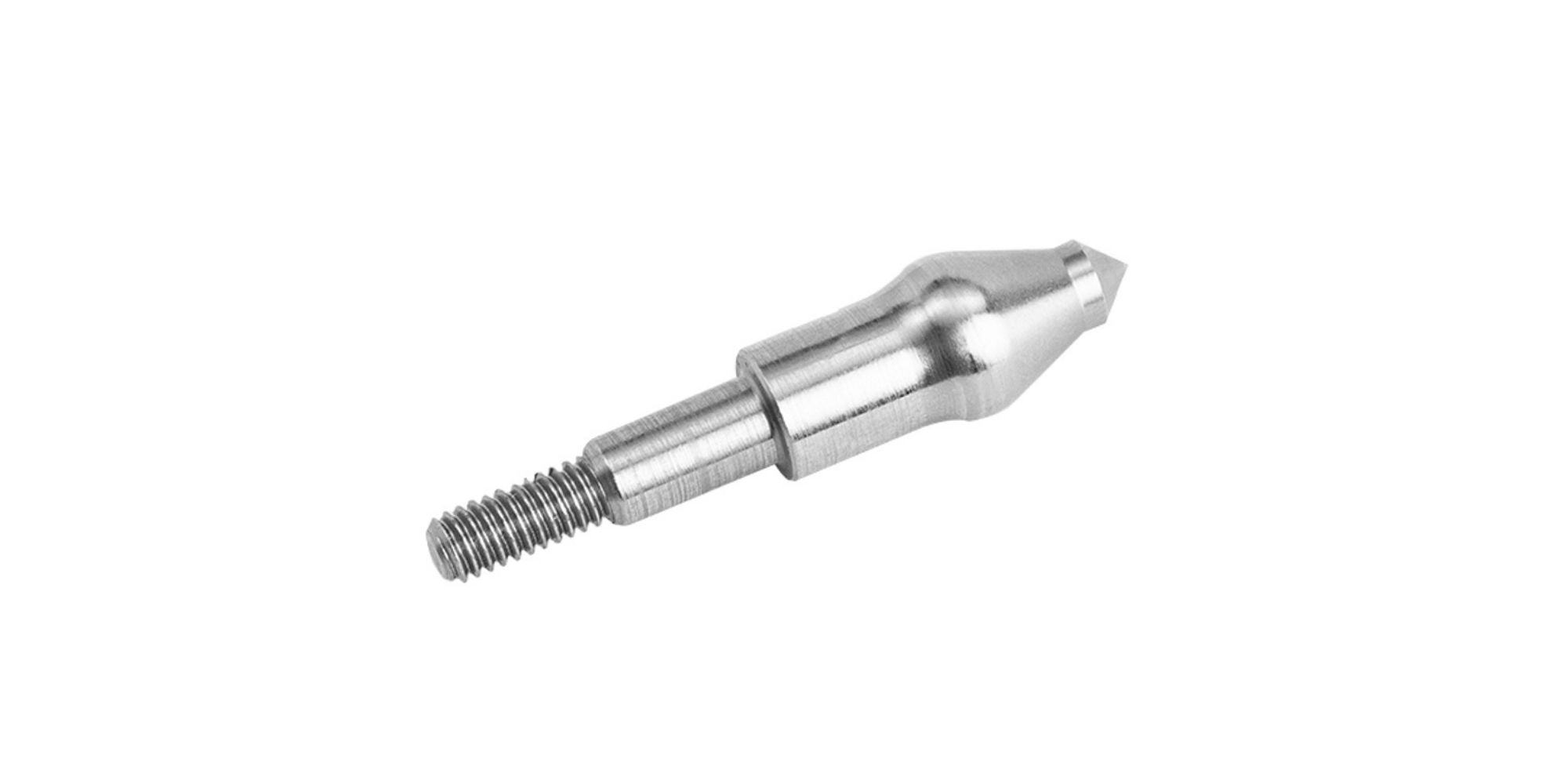
For example, the Archery Trade Association has an industry guideline for the shank diameter of a broadhead or field point ferrule. Parts manufactured within their tolerance should fit within anyone else's arrow or insert. ATA's industry guidelines give a recommended specification of .2035 plus or minus (±) .001 inches. .001, or a thousandth of an inch, is a relatively tight tolerance. Parts manufactured within that tolerance should fit within anyone else's arrow or insert. To hold a ±.001 tolerance, manufacturers must have relatively high end machining equipment. Many of the cheaper broadheads and field points are being made on machines that can't hold that tolerance. Let's say they could hold a ±.002 or ±.003 tolerance. Many of those are made undersized so that even if it's two thousandths over their nominal, it could still fit within an arrow. The problem is that even though it's able to be made with their manufacturing process, there would now be a large clearance between the shank of the ferrule and the bore of the arrow, which will create more runout, or wobble.
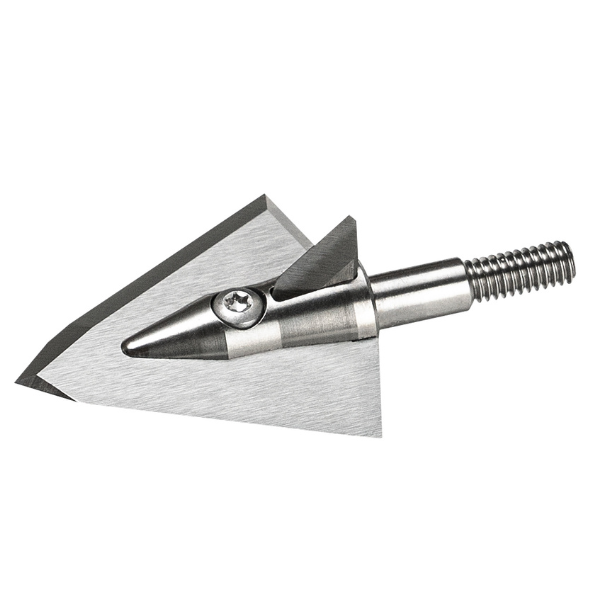
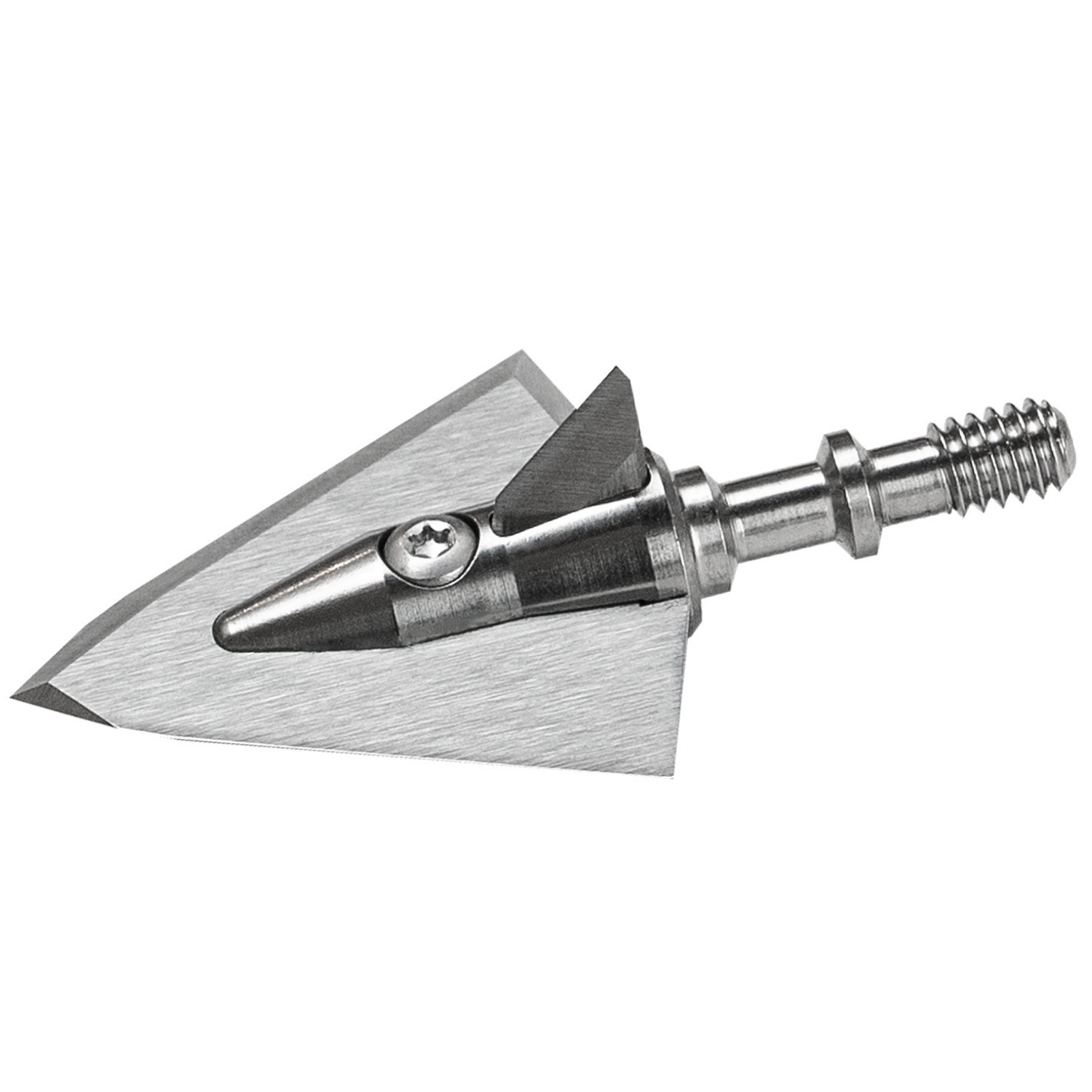
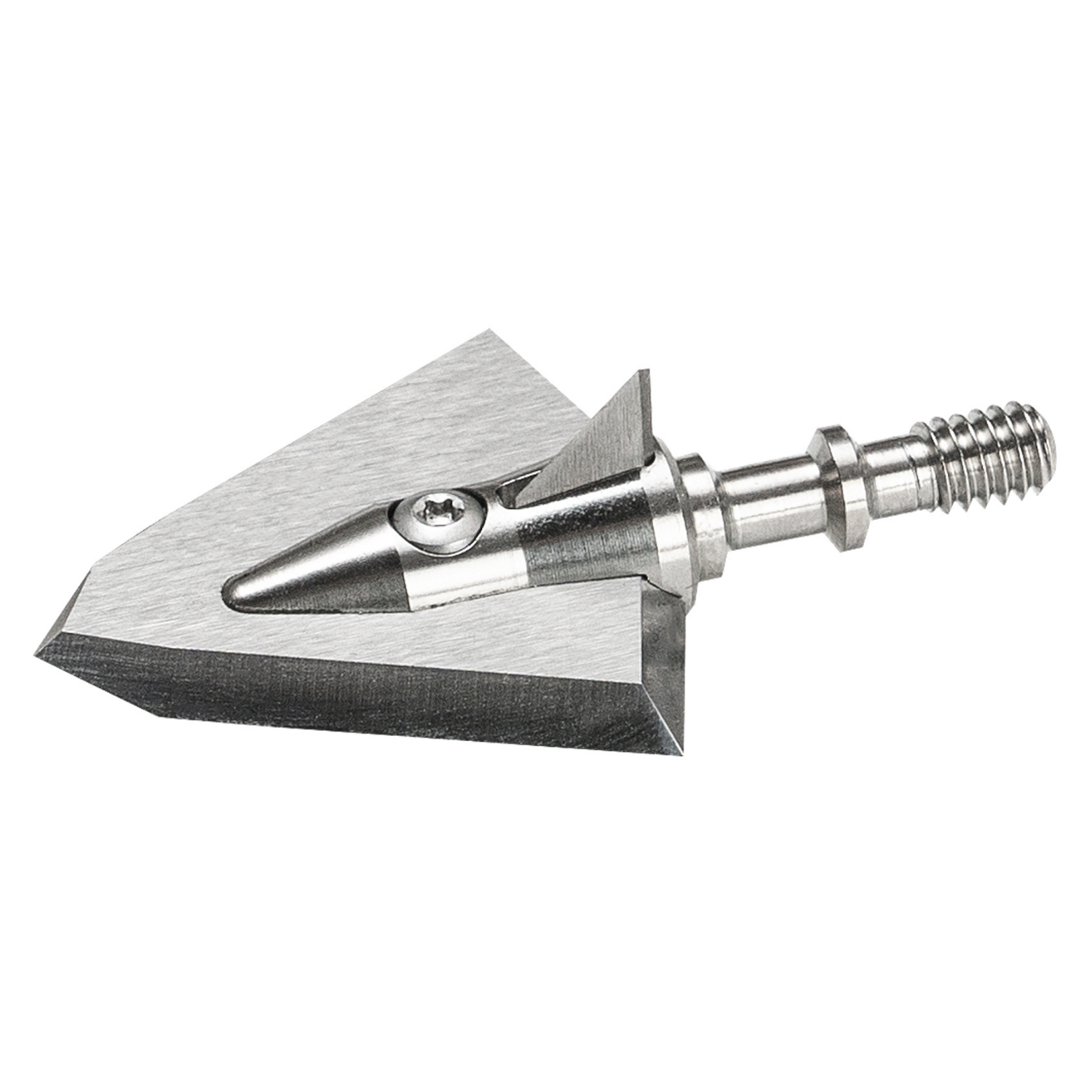
The tolerances that are most important in a broadhead are the fit tolerances and the concentricity. Concentricity is how accurately the shank diameter, or the axis through that diameter, is aligned to the ferrule and the point of the broadhead.
More precisely made parts have smaller tolerances. Three thousandths of an inch is relatively loose on precision components. One thousandths of an inch is a relatively tight tolerance. Once you get below that down to say five ten thousandths of an inch, or .0005, now you approach very tight tolerances. At Iron Will, we have many tolerances held down to ten thousandths of an inch on our broadheads.
There are many broadhead comparison studies that simply weigh broadheads. They'll say the ones closest to say 100 grains with the least variation are the most precise, tightest tolerance broadheads. In reality, weight variation isn't the most critical element.
In reality, fit tolerances and concentricity are the most critical, since these are what impact broadhead flight. If you have a loose fit of the broadhead to the arrow, that can create tip wobble. If you have poor concentricity, that can make your broadhead also fly off course.
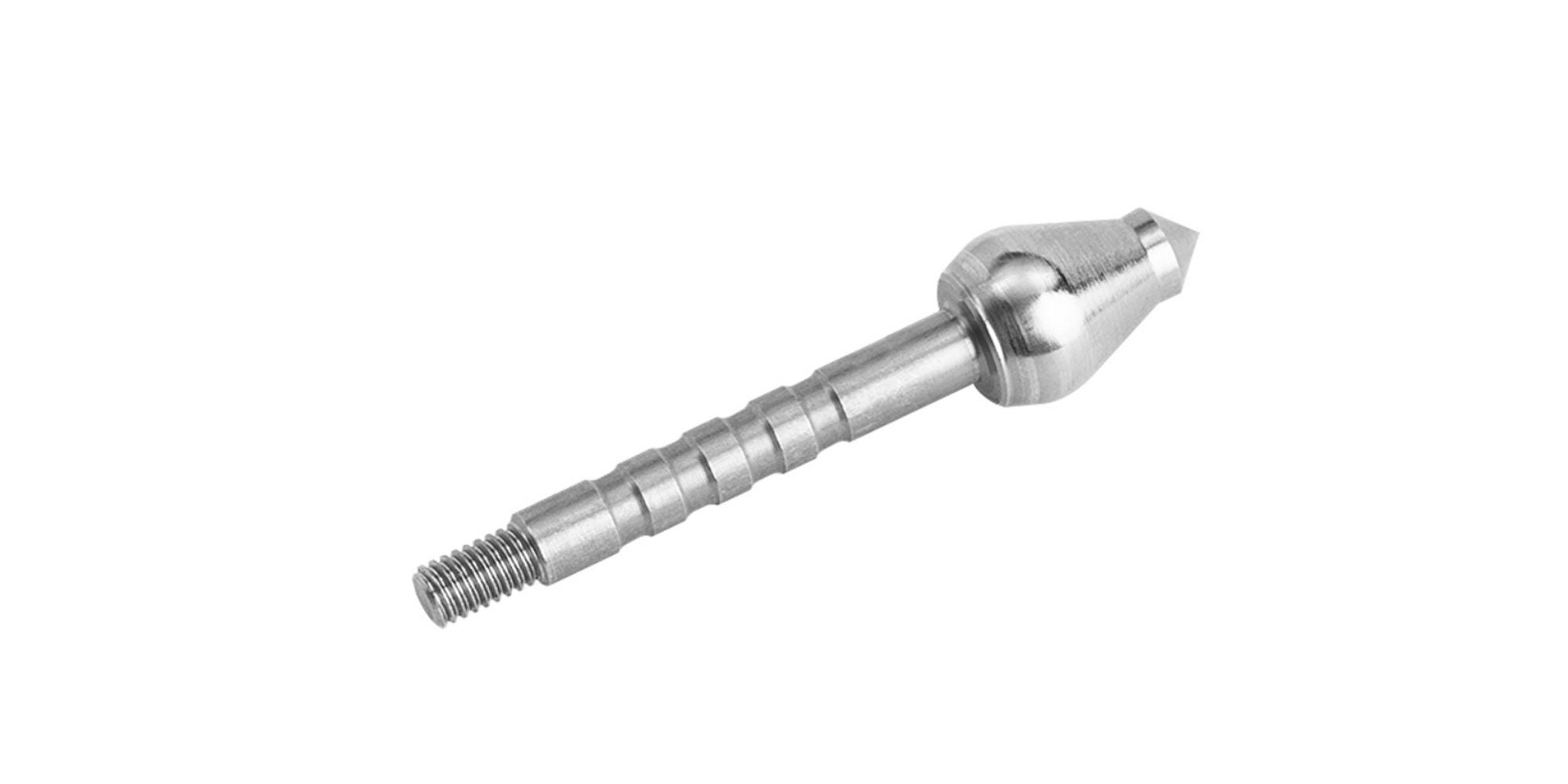
At Iron Will, we machine our ferrules on a Swiss CNC machine and can hold concentricities down to one ten thousandths of an inch (.0001). Many other ferrules are made on machines that can hold maybe two or thee thousandths of an inch (.002-.003).
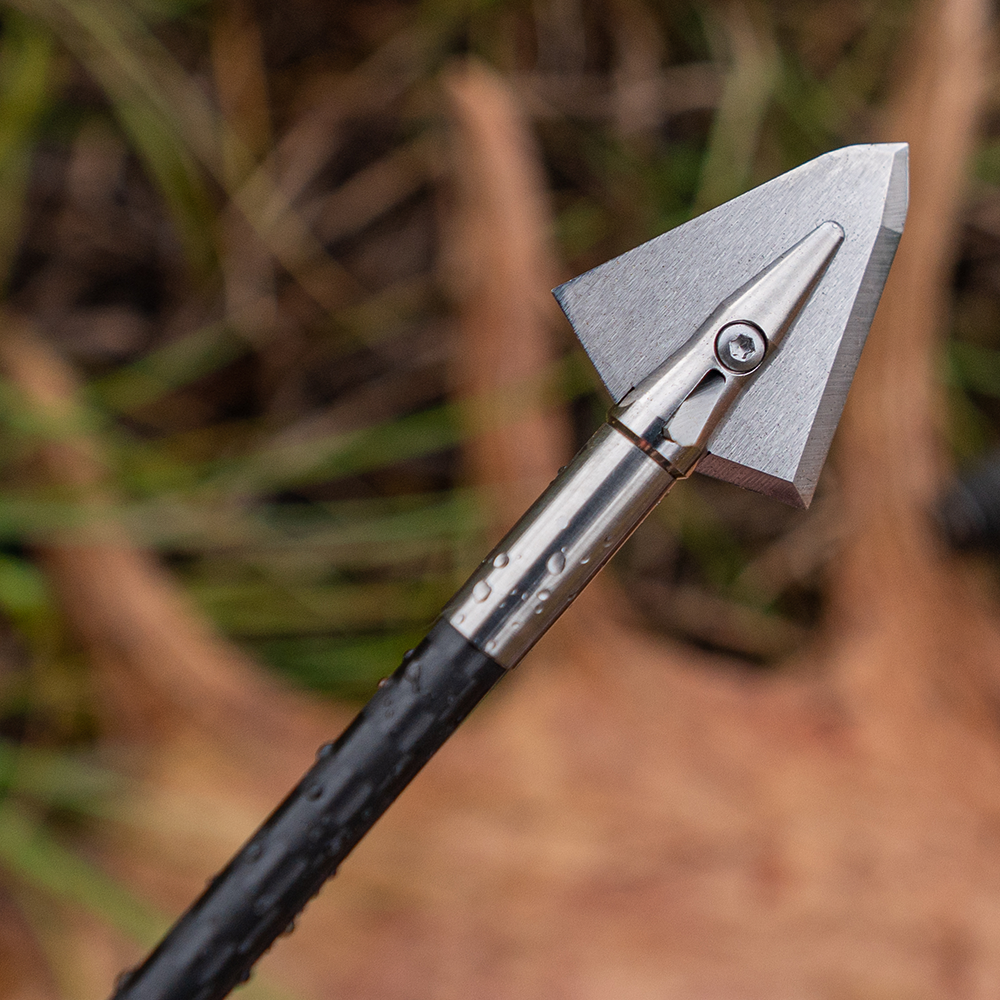
We hold very tight tolerances at both the component level and the assembly level. At the component level, our ferrule concentricity is held to .0002. That's the diameter of the shank, that axis, and the alignment of that axis to the axis of the ferrule body itself. That's held very tightly so the ferrule itself will spin very true. In addition to making the components very precisely, we align the tip of the blade to the axis of the ferrule in manufacturing to make sure it will spin true with zero runout. What that means is the tip of the broadhead stays right on the axis of the arrow or the shank. As you rotate the arrow, and the tip of the arrow moves right, left, up, or down, we're measuring that motion (or runout) of the tip.
Measuring the tip runout matters because in flight, while your arrow is spinning, you want the point of that arrow to stay right on the axis of the arrow while it's spinning. If it's pointed off not spinning, it will just veer off to one side. If it is spinning, it still opens up your groups and reduces accuracy. People typically see this with lower quality fixed blade broadheads when they experience more unpredictable groups as their flight distance gets further.
In addition to identifying your critical to function dimensions and tolerances needed for performance, it's important to have a quality control system to monitor those dimensions to make sure you're meeting those tolerances. We manufacture internally in the US and are checking parts on every run to make sure we're meeting the tolerances needed for all parts. This takes very accurate inspection equipment that can measure down to a ten thousandths of an inch accurately. Many people are measuring with calipers, which are really only accurate down to about ± one thousandths of an inch. As a result, that's not appropriate for measuring tolerances that are down to a thousandths of an inch or less.
When buying Iron Will products, you can count on the fact that they're made to very tight tolerances and our quality systems are in place to monitor those tolerances, and they're going to perform as reliable as science allows.
*HIT (Hidden Insert Technology) is used under license as a registered trademark of Easton Technical Products.