WHAT IS ARROW FOC?
Learn the science behind Front of Center (FOC) and how it affects arrow flight, accuracy, and penetration.






When it comes to building an effective hunting arrow, few topics get as much attention, and confusion, as Front of Center, or FOC. You’ve probably heard that higher FOC improves performance, but what does that actually mean for your setup in the field? Before you start adding point weight or changing components, it’s important to understand what FOC really measures and, just as importantly, what it doesn’t.
In this video, we break down FOC in simple, practical terms, including how to calculate it, how it influences arrow flight and stability, and where it actually matters for penetration. You’ll learn why FOC by itself doesn’t tell the whole story, how factors like center of pressure and arrow spine come into play, and how to strike the right balance for your hunting setup. The goal isn’t to chase extreme numbers, it’s to build an arrow that flies true and hits with maximum effectiveness when it counts.
For bow hunters, it's important to understand how FOC can impact your flight and arrow penetration. FOC tells us where the center of your arrow's mass is relative to the center of your arrow. To find the center of mass, you find the balance point of the arrow. To find the center of the arrow, you take the arrow length and divide by two. When calculating this, the industry standard is to use the front of the arrow shaft to the nocking point, and divide that by two to find the center of your arrow based on length. The difference between the center of mass and the center of length, divided by the full length of the arrow, gives you a percent front of center, of that center of mass.
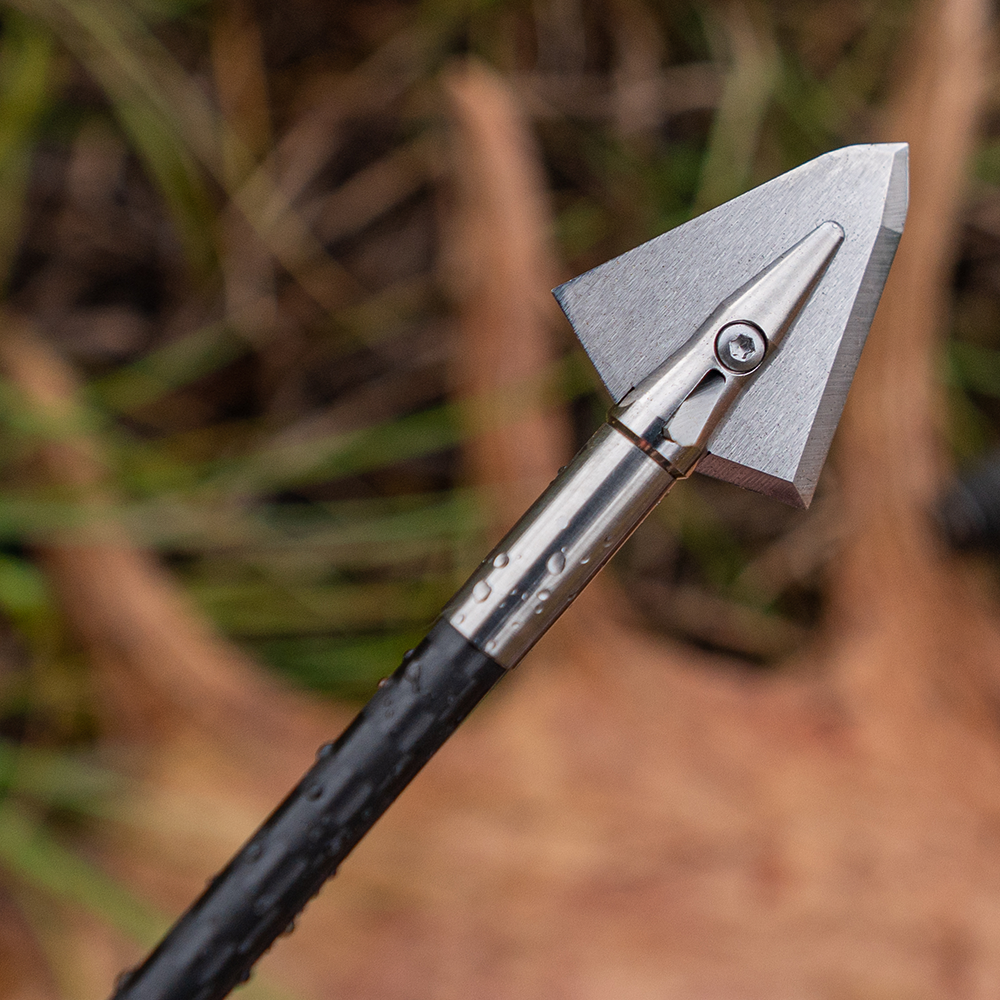
Now that we understand what FOC is, let's talk about how that impacts arrow flight. Really the FOC percentage doesn't tell you anything by itself about arrow flight or stability. Arrow stability comes from having the center of mass in front of the center of pressure. What is the center of pressure? The center of pressure is if the arrow is tipped at an angle from the oncoming wind. There will be pressure across the full length of the arrow - across the broadhead or field point on the front, across the vanes from the back, and all along the shaft. If you would sum that up and average it over the shaft, you'd get the center of pressure. For the arrow to be stable, you'd need that center of pressure to be behind the center of mass. The further behind it is, the more stable the arrow will be. The ways to make it more stable are to have more vane on the back, or use a vane design that has higher lift, or perpendicular force to restore it when it's not going straight into the wind. Or, you could reduce the broadhead size on the front to move the center of pressure back and improve stability.
So percent FOC just tells you where the center of the mass is relative to the center point of the arrow, but it doesn't tell you where the center of pressure is, or how stable the arrow will be. A general rule of thumb is that if you're below 10%, your arrow can likely become unstable. With a broadhead on the front, it is also likely that 12% or higher will perform better for you and make your arrow more stable.
As FOC goes higher and higher there is some effect on trajectory. As you continue to increase FOC, it will make your trajectory drop off more at distance. The reason for this is that, say your arrow's flying straight, but due to gravity it's going to be arcing towards the ground. This creates some slight angle of attack, or airflow that's upward at the tip and throughout the shaft, creating some amount of lift that extends your trajectory. The higher the FOC, the more closely your arrow tracks with that downward arc. That reduces lift, causing it to nosedive a bit more. This may not be a large effect, but it's something you can test by adding more point weight and looking at your trajectory.
Now let's talk about arrow penetration. The easiest way to explain what happens at impact and how FOC may affect that penetration, is to look at the conservation of momentum. Momentum is a vector quantity, which means it's directional. Ideally at impact, your arrow is going at a straight line. There hasn't been excessive flexing still occurring and there isn't fishtailing that is pulling your arrow off that straight line. If it is going in a straight line at impact, it's that mass times velocity in that line will be equal to force times time. Moving the center of mass forward or back a small amount, if all that mass is in a straight line, should not really effect that force times time that's going to occur from the momentum that's pushing the arrow through the animal.
Now how could it effect penetration? If your arrow's not traveling on a straight line on impact, FOC is more likely to have some effect on penetration. For example, you can see that if you have a lot of mass at the back of your arrow, and if your arrow is porpoising, and at impact that mass of the arrow could cause some bending and could cause a direction of the arrow movement that would not be directly penetrating. If your arrow is flexing excessively, also having that mass forward can improve penetration. That said, these are relatively small effects. Typically when you increase center of mass, you're really just moving center of mass forward a small amount. You still have mass distributed throughout the arrow, and extreme FOC isn't really needed to get good penetration. The best thing you could do is to improve any problems you may have in arrow flight so your arrow is flying straight on impact.
Another way FOC can improve penetration is improving your arrow flight, and making it straighter as it impacts the target. This is likely the largest effect of FOC. Effective bow hunters use it to improve stability and improve arrow flight, so your arrow's flying straighter at impact and all that momentum is in a straight line pushing that broadhead through the animal.
There are potentially some negative effects to extreme FOC. Often people are adding a lot of point weight to get that extreme FOC, but then they become underspined. Being underspined and having excessive flexing of the arrow at impact would be a negative because now your momentum is not in a straight line, which is going to limit penetration. Also as mentioned earlier, it can cause your trajectory to drop off. That's not really a concern if your shots are all going to be at close range. But if you're trying to extend you range out there for western big game hunting, then extreme FOC will likely cause your trajectory to drop off and you will likely also need a very heavy arrow to meet that extreme FOC, which is also going to make your trajectory much shorter.
If you are underspined and having excessive flexing, this typically doesn't effect field point accuracy very much. When you'll see a problem is when you now add broadheads to it that excessive flexing is causing the blades to have some angle to the wind and that will decrease your accuracy.
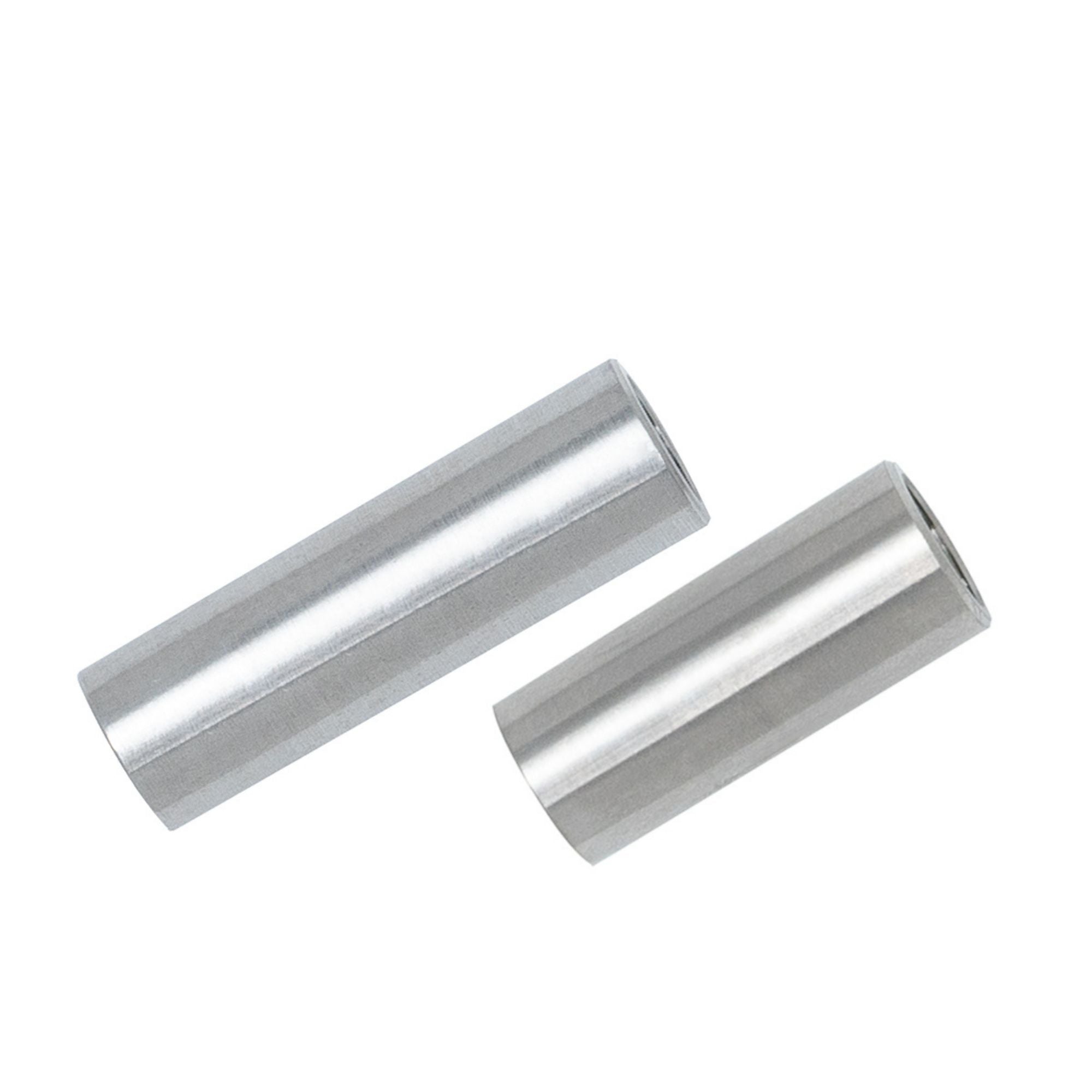
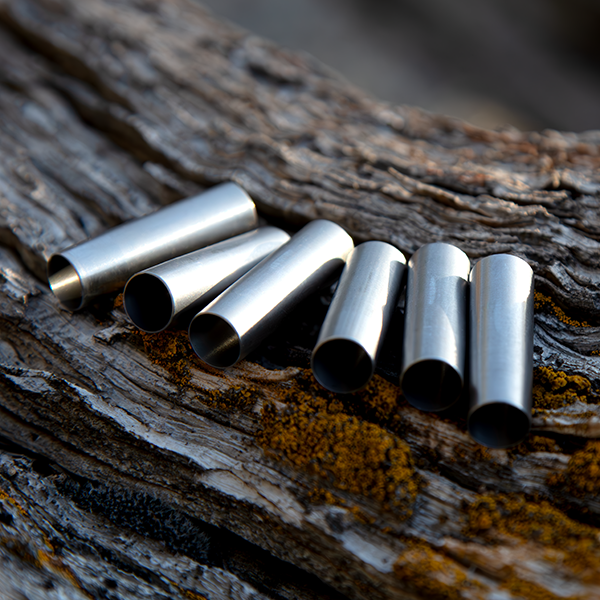
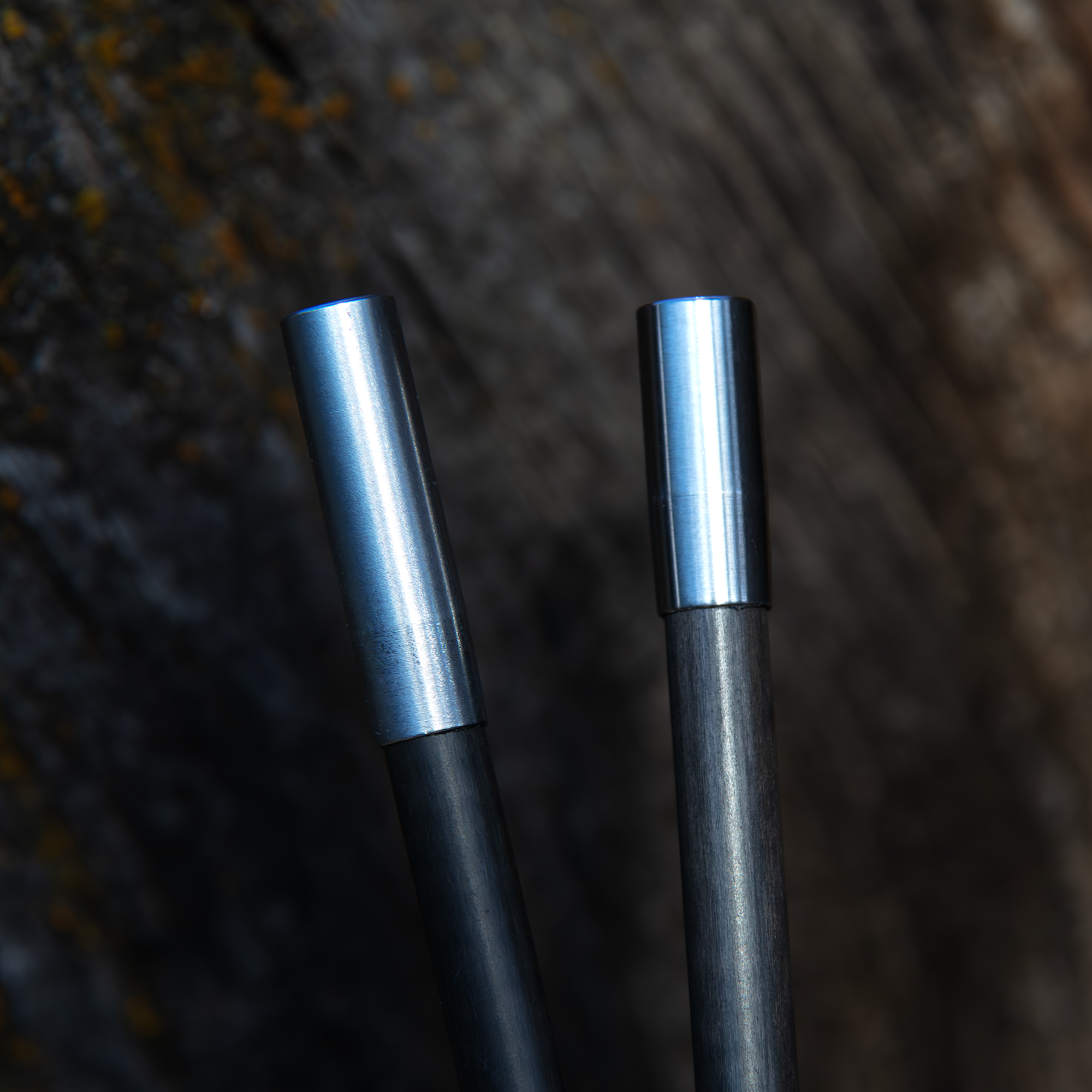
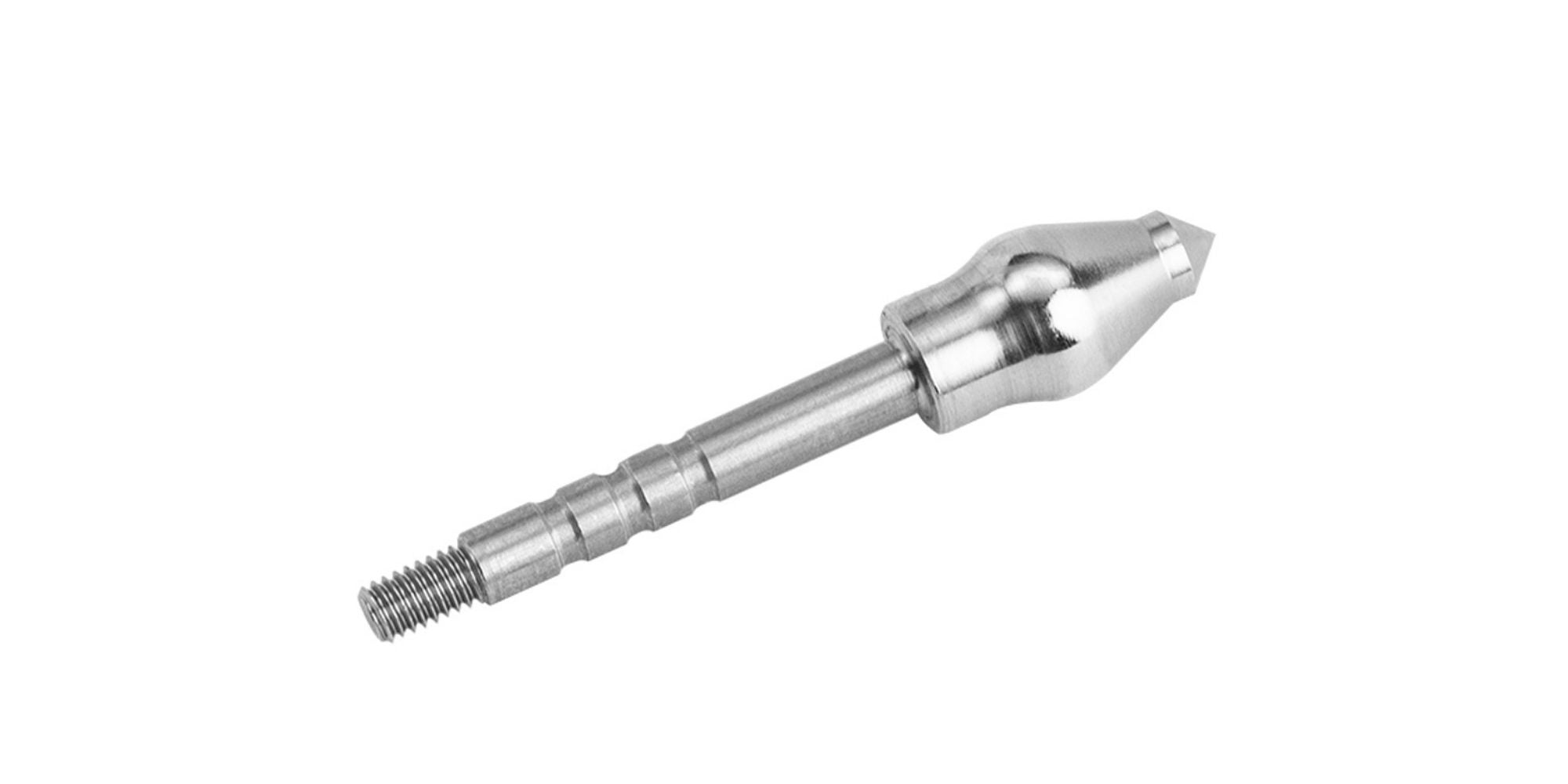
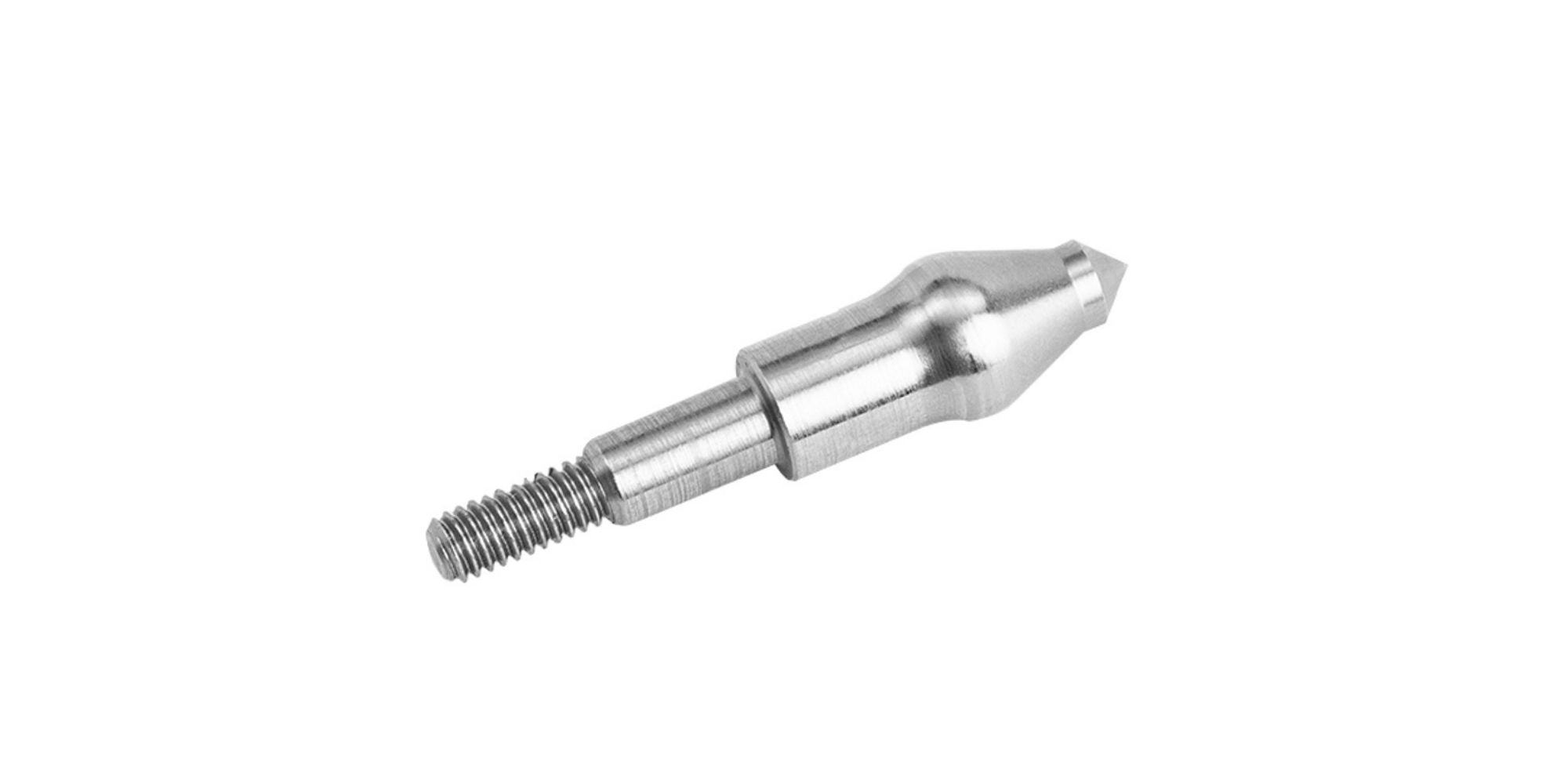
The things you could do to increase FOC are to add more component weight or point weight upfront. That will move your center of mass forward. You could also reduce your vane weight or nock weight in the back. Lighted nocks are heavier—so not shooting a lighted nock, or shooting a very lightweight version instead can help also move that center of mass forward.
The problem with reducing vane height or vane size to get that weight down is you're now moving your center of pressure forward, which actually hurts stability. So I would not recommend reducing vane size or weight to try to move center of mass forward, because it's much more important to have good arrow flight and have that arrow going straight as it impacts the target.
With all that said, I recommend 12-16% FOC. Going slightly higher than 16% is not a problem as long as you're not underspined. I would not try to achieve a very high or extreme FOC if it's going to make you underspined or affect your arrow flight in a negative way.
Those are the primary factors that a bowhunter should consider when choosing the FOC of his arrow. You can reference the spine charts at IronWillOutfitters.com where we recommend the spine for your arrow length and bow poundage. We also calculate FOC for all those arrow lengths and different point weights upfront. Reach out to our Contact Iron Will Tech Support if you'd like any help optimizing your hunting arrow setup.
*HIT (Hidden Insert Technology) is used under license as a registered trademark of Easton Technical Products.