THE 3-TO-1 BROADHEAD MYTH
The Science Behind What Really Drives Broadhead Penetration






The 3-to-1 broadhead ratio is sometimes mentioned in conversations about broadhead penetration - but does it actually deliver? In this video, we break down the science behind broadhead design, dispel common myths, and explain what truly drives penetration on game.
Bowhunters will learn why sharpness and edge retention matter more than blade length, how long, narrow tips can fail on hard impacts, and why a shorter blade with a strong tanto tip can provide better durability and real-world performance. If you care about reliable penetration and ethical kills, this video is a must watch.
In this article, we're going to explain the three-to-one broadhead. What's meant by that is a 3-1 ratio from width to length. In other words, according to the thee-to-one ratio, a broadhead one inch wide would be three inches long.
There's a misconception that a 3-to-1 ratio will give bow hunters improved penetration over a shorter broadhead. The proponents of this are taking the mechanical advantages that would apply to a ramp, and trying to apply them to a broadhead. It's true that if you have a ramp that's one foot high and three feet long, that will take a third of the force to push something up compared to a one-to-one ramp that's one foot long and one foot high. That said, broadheads aren't really wedging animals apart like a ramp. Instead, broadheads actually slice through animals. Slicing puts an emphasis on sharpness and edge retention to reduce the force of a broadhead to penetrate, instead of wedging characteristics.
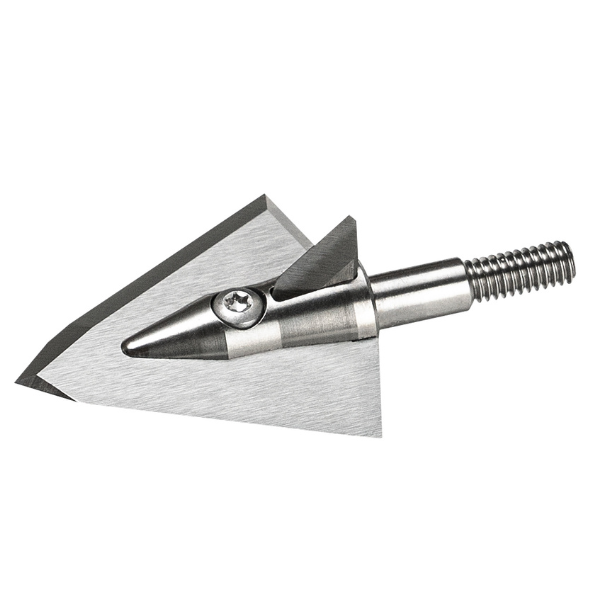
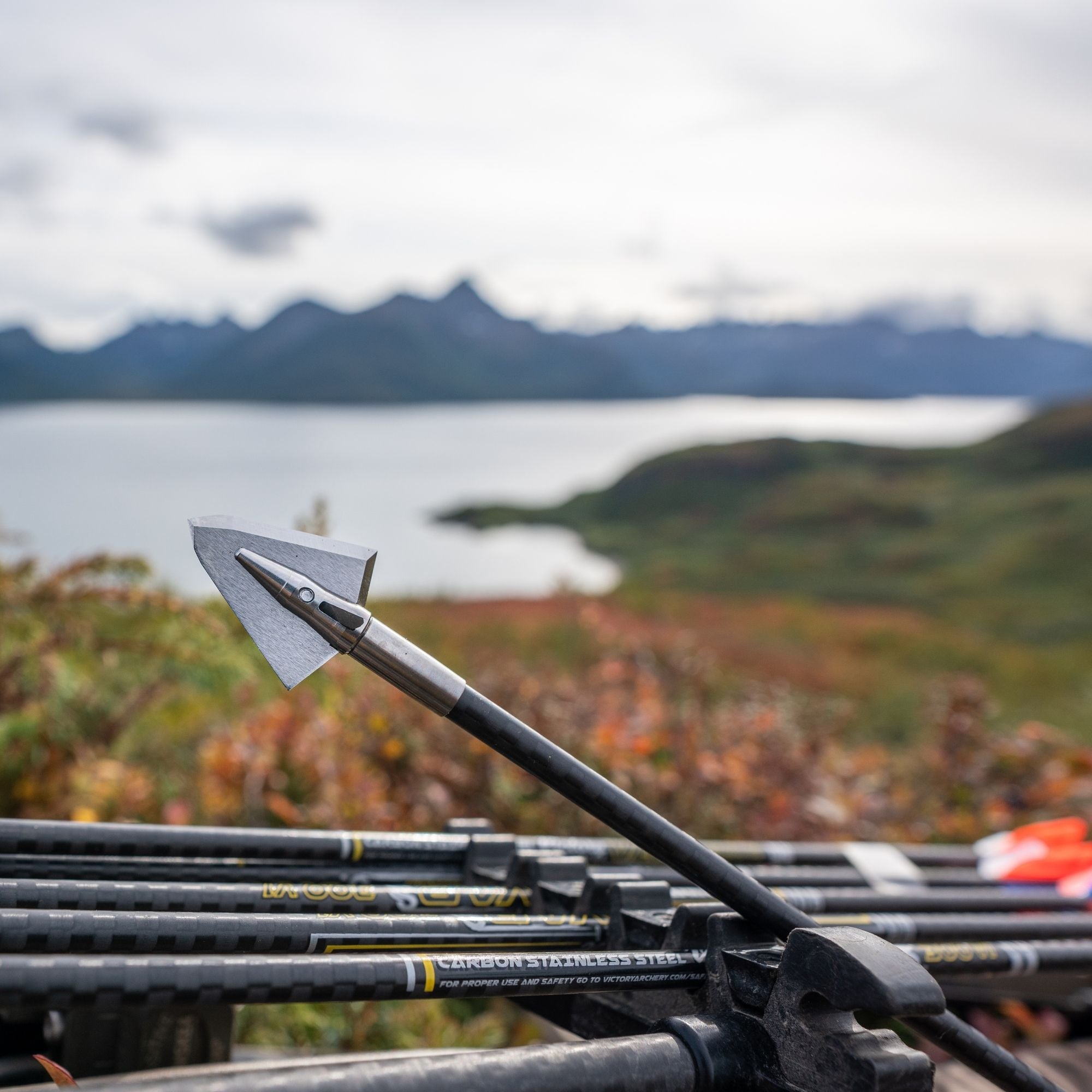
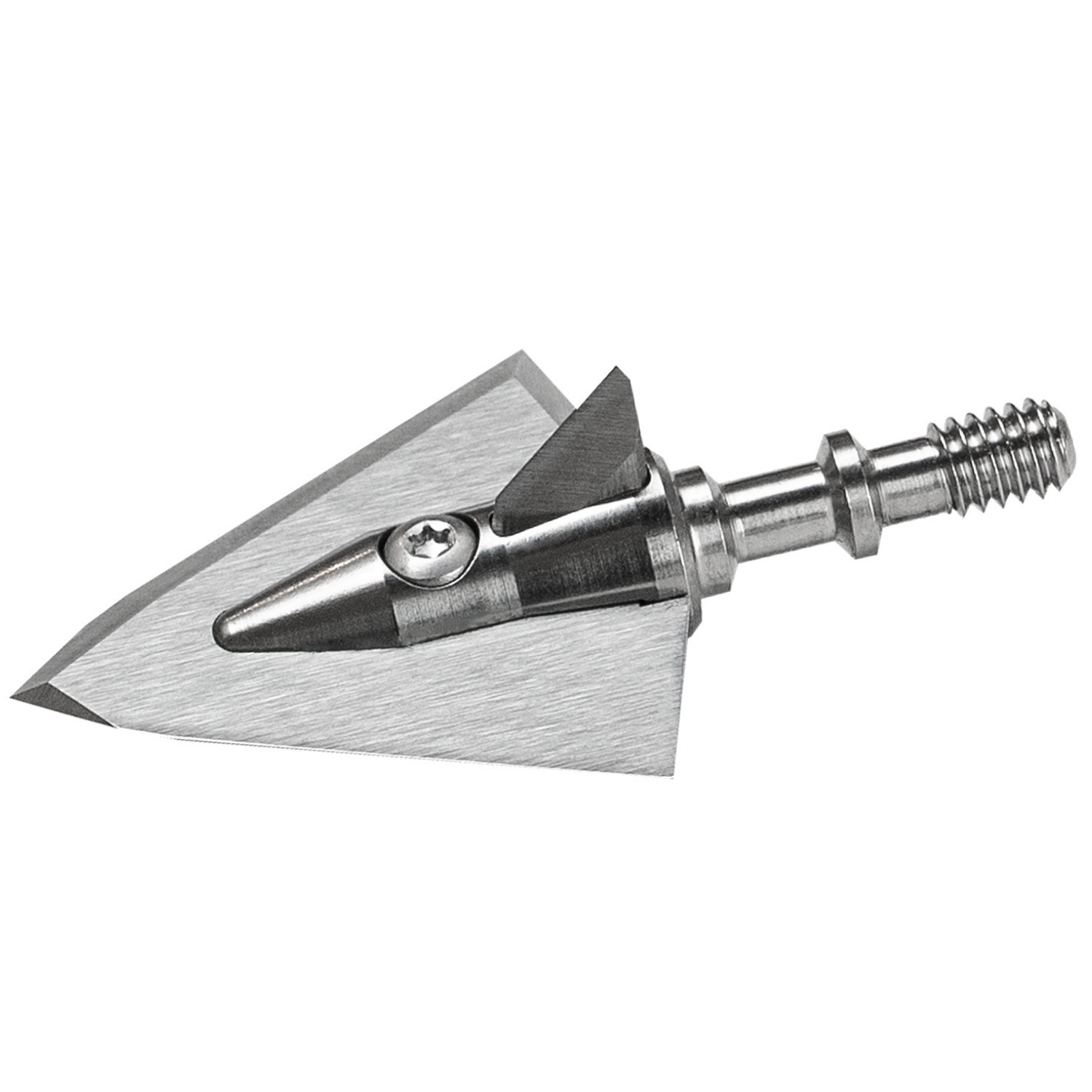
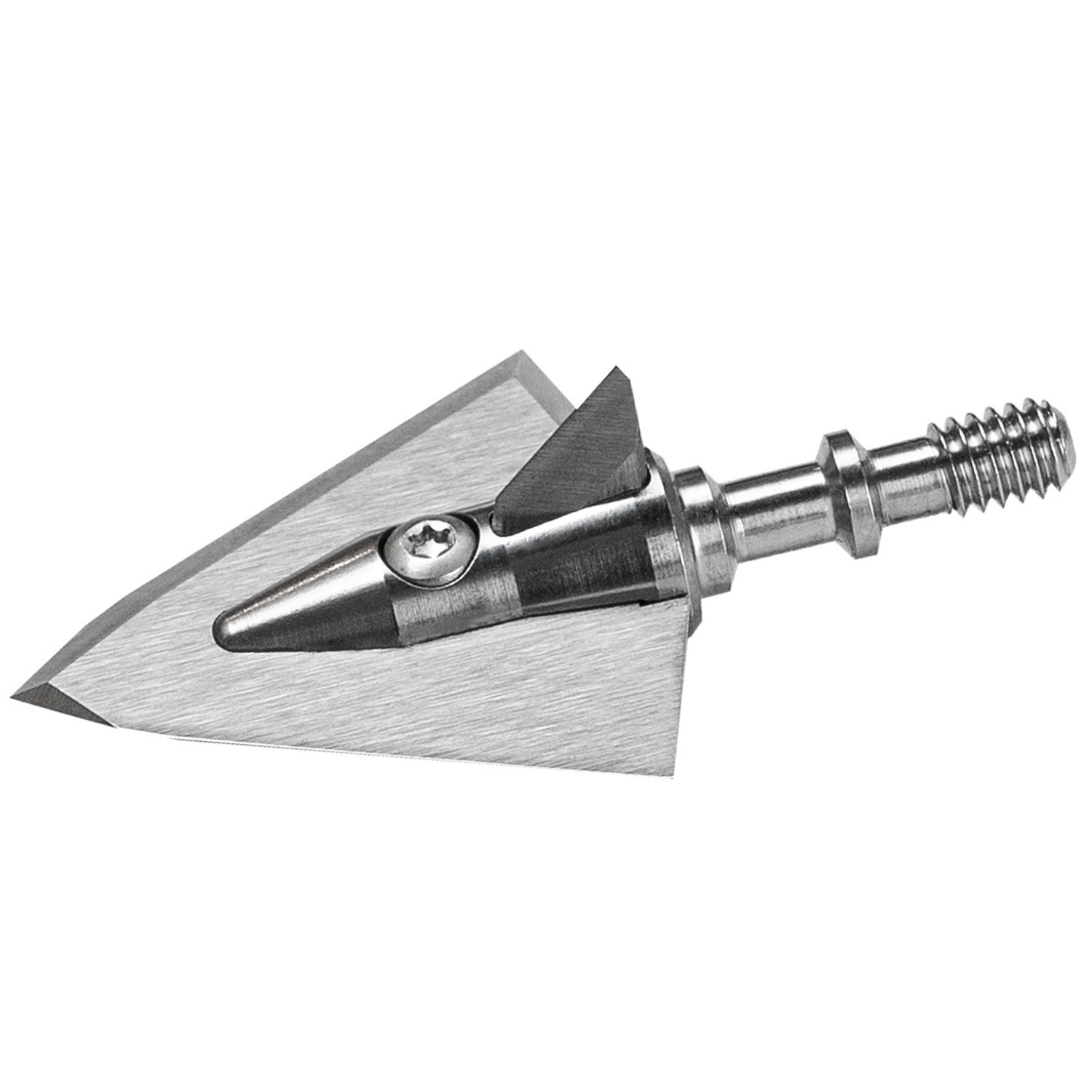
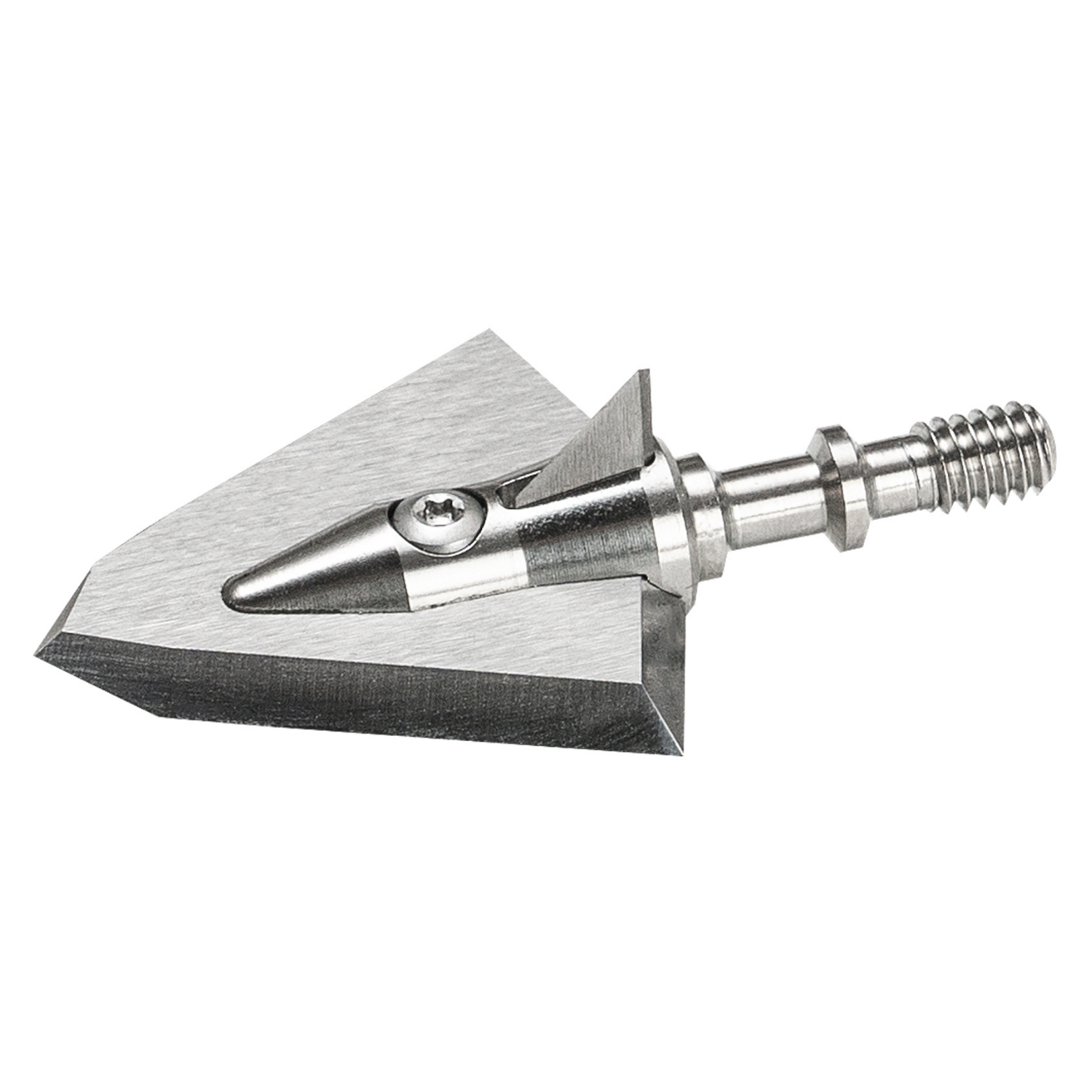
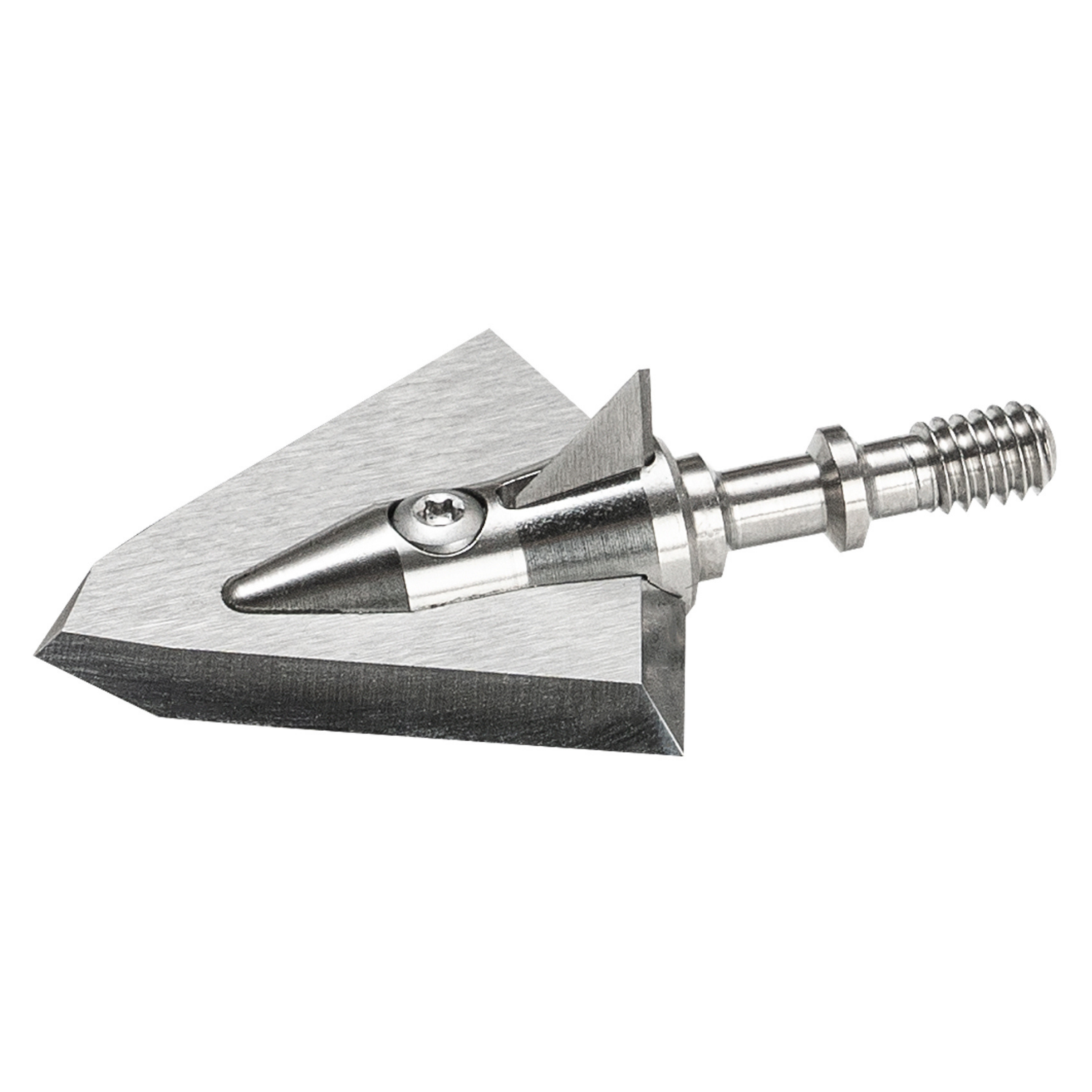
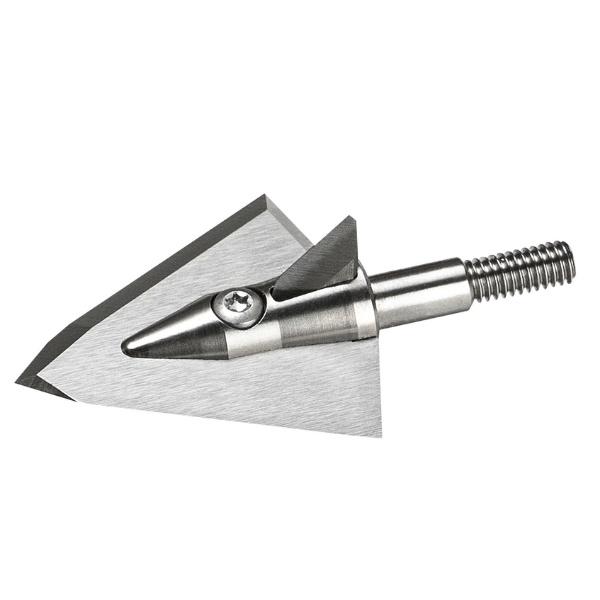
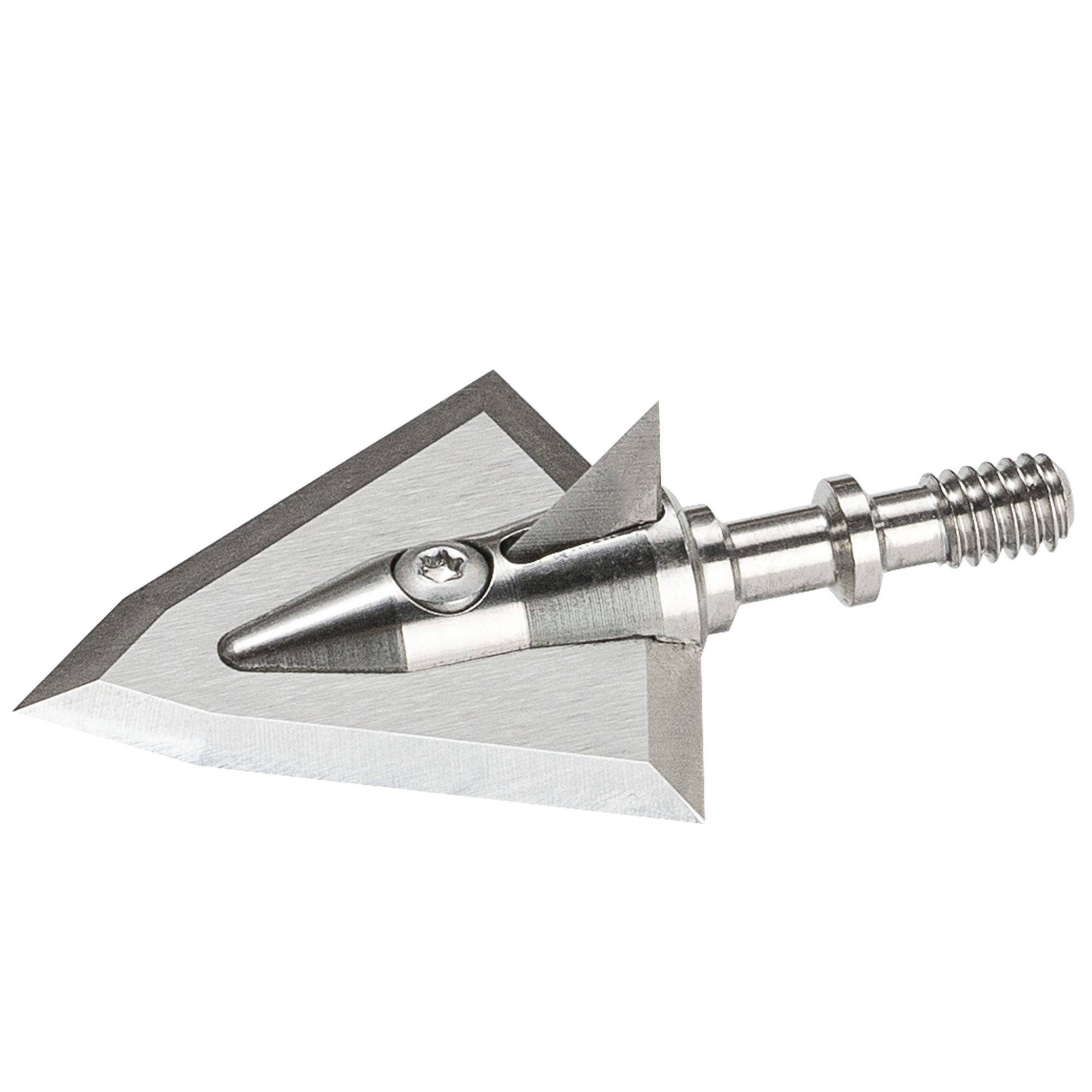
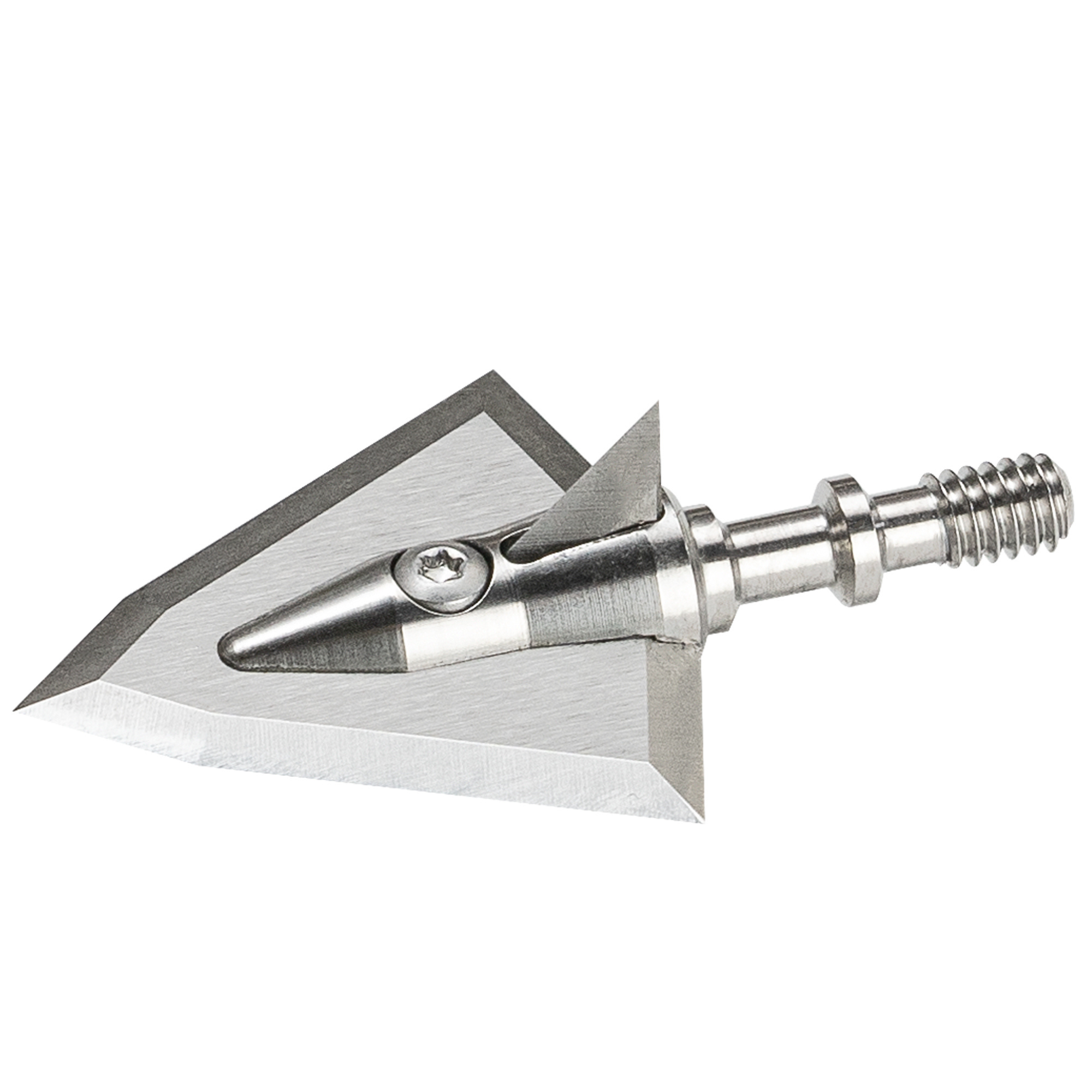
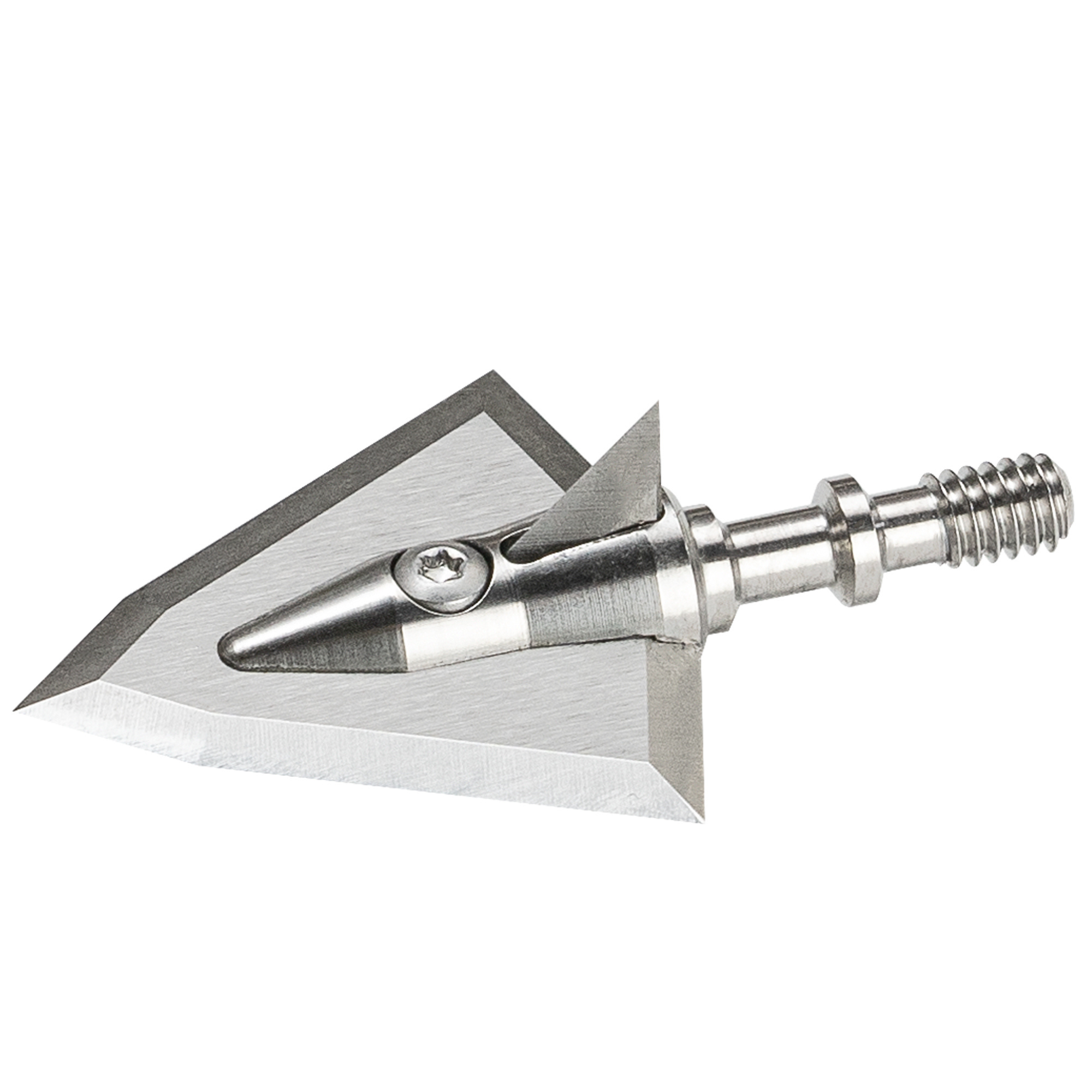
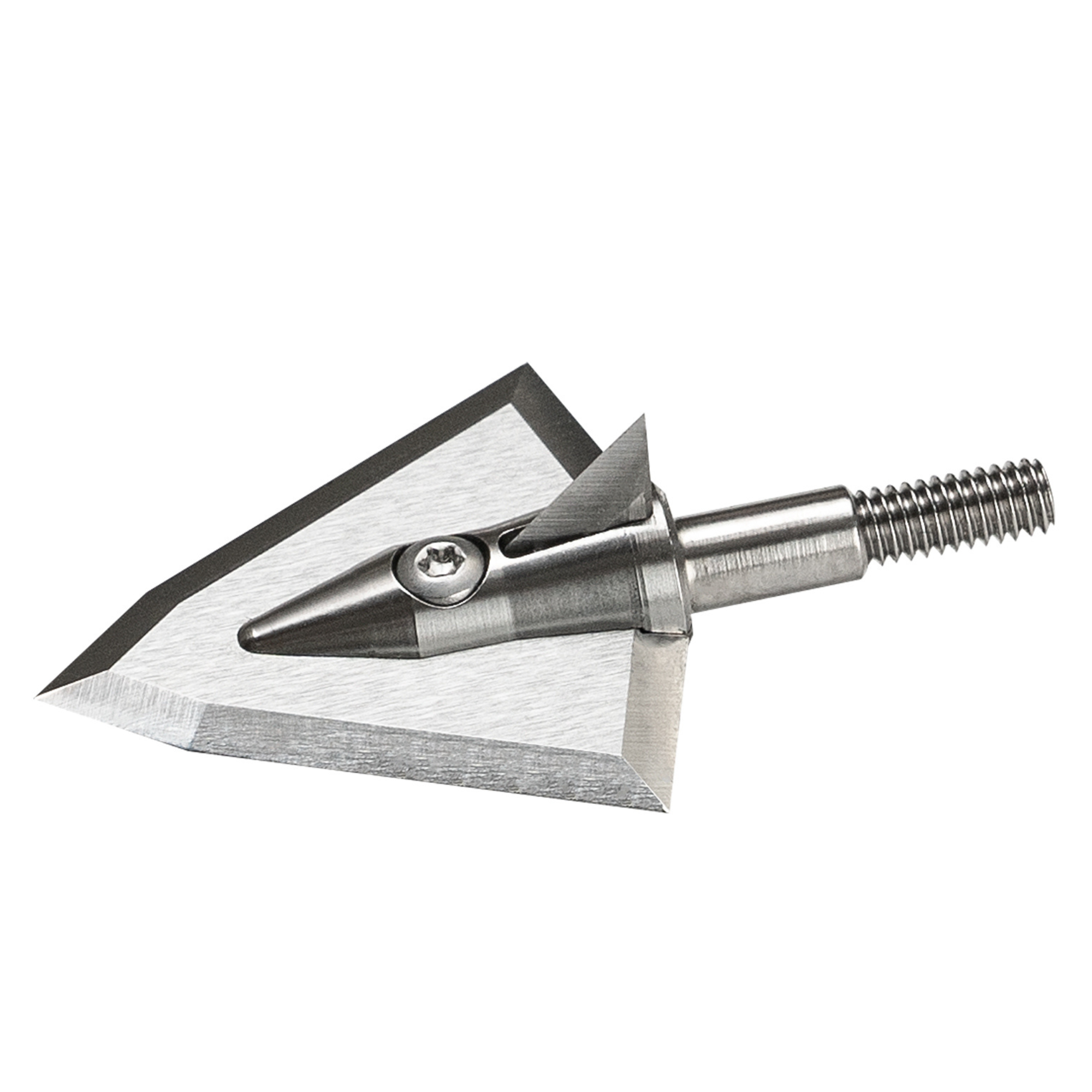
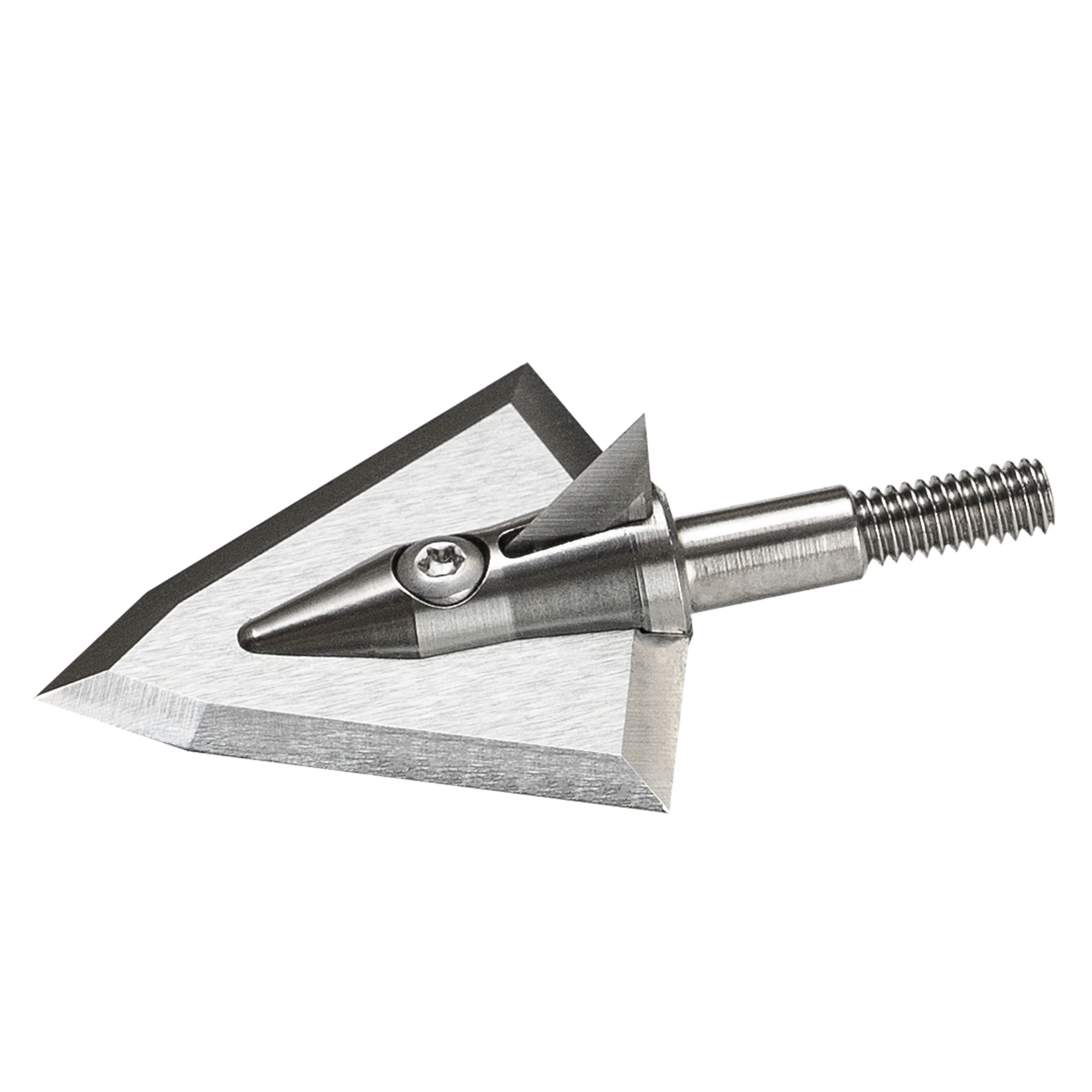
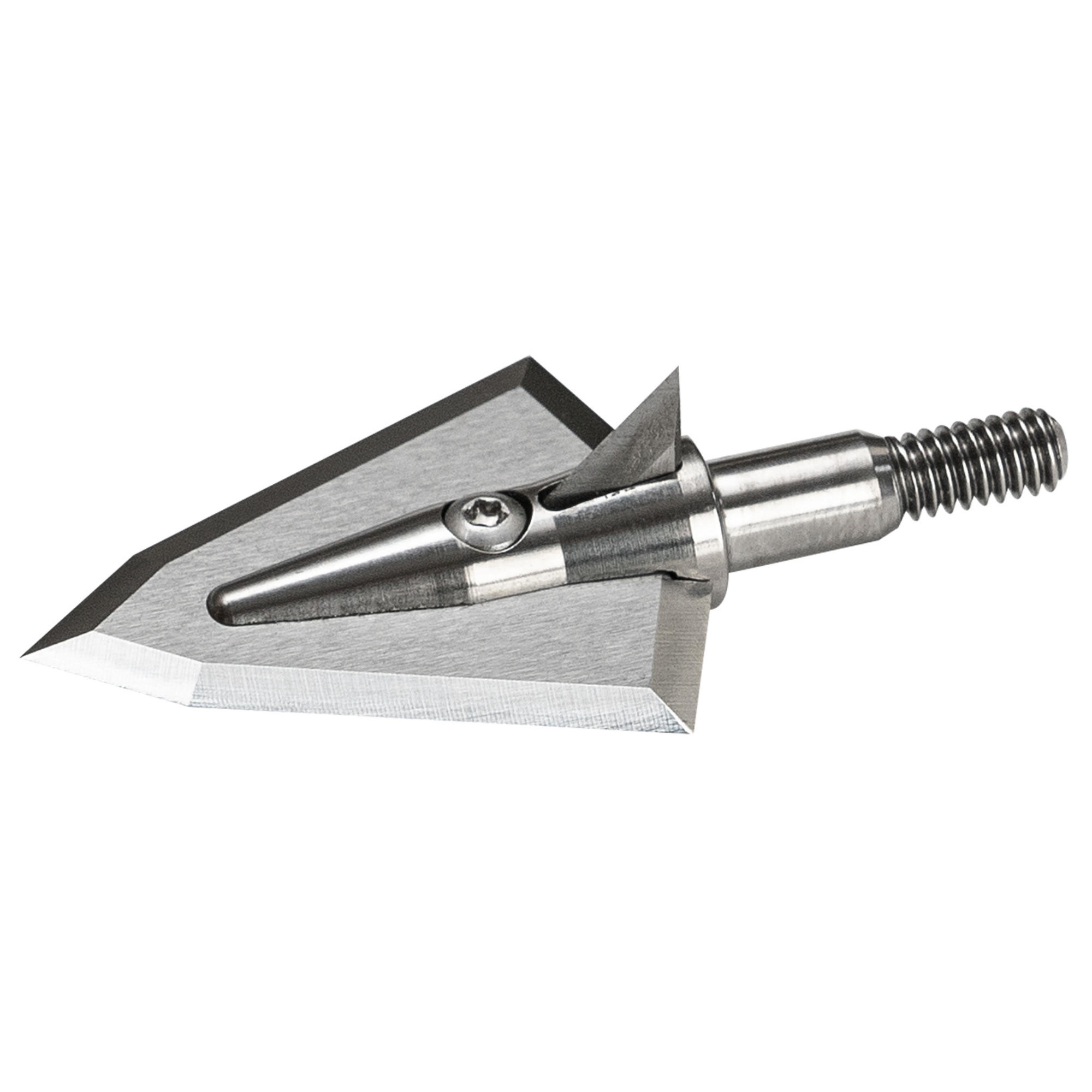
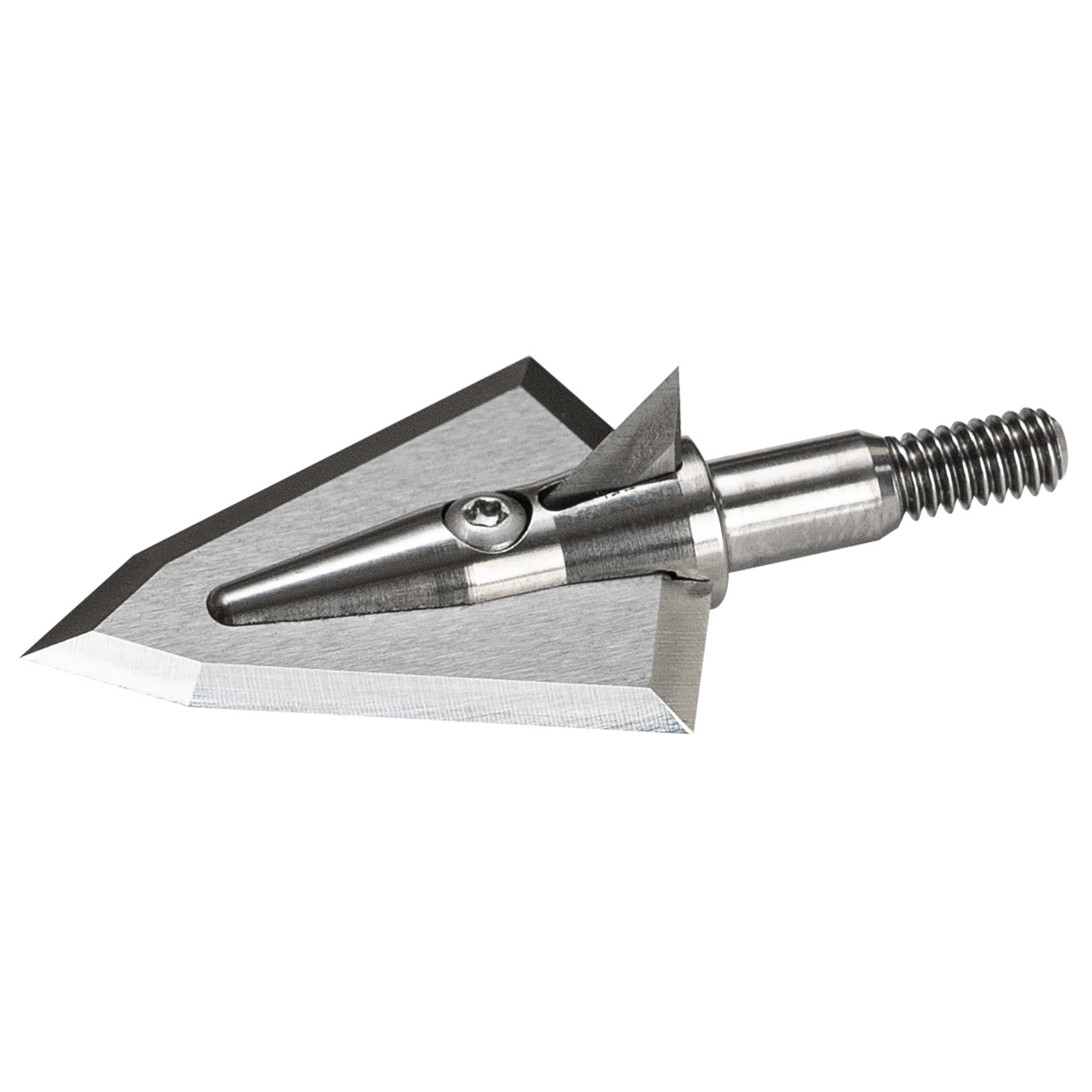
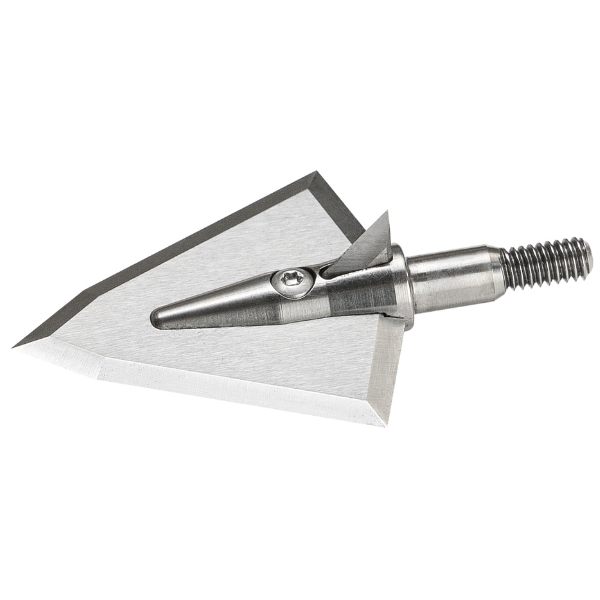
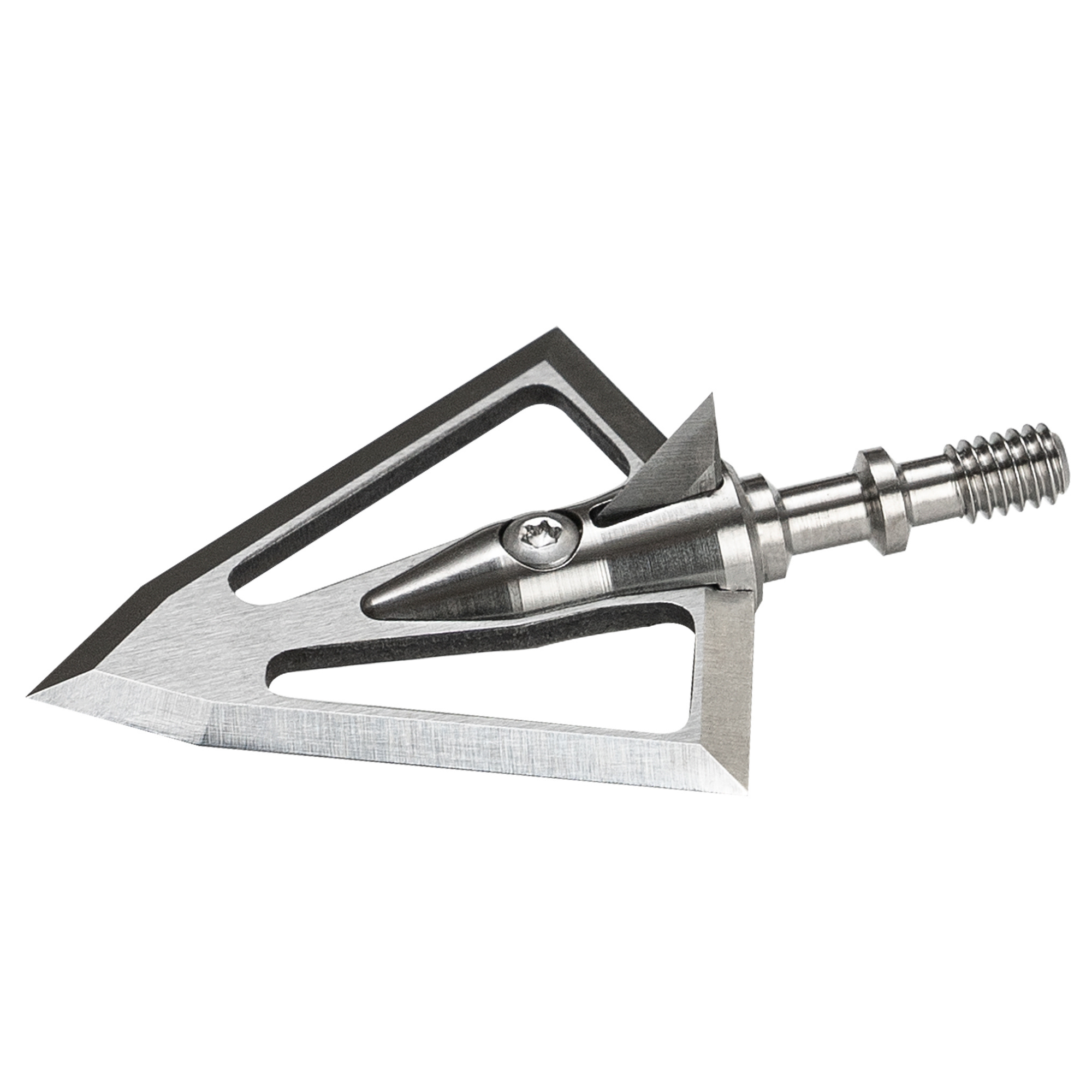
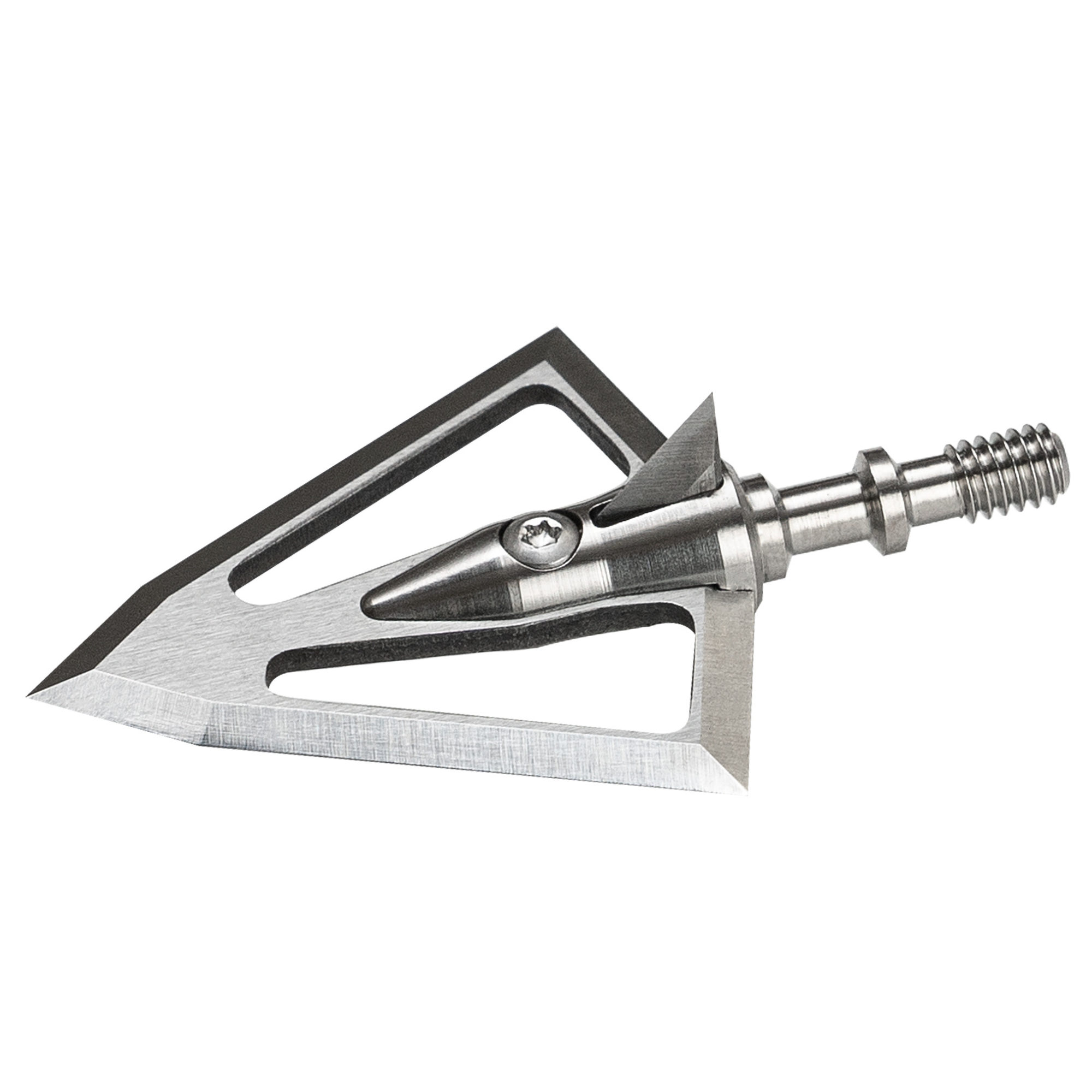
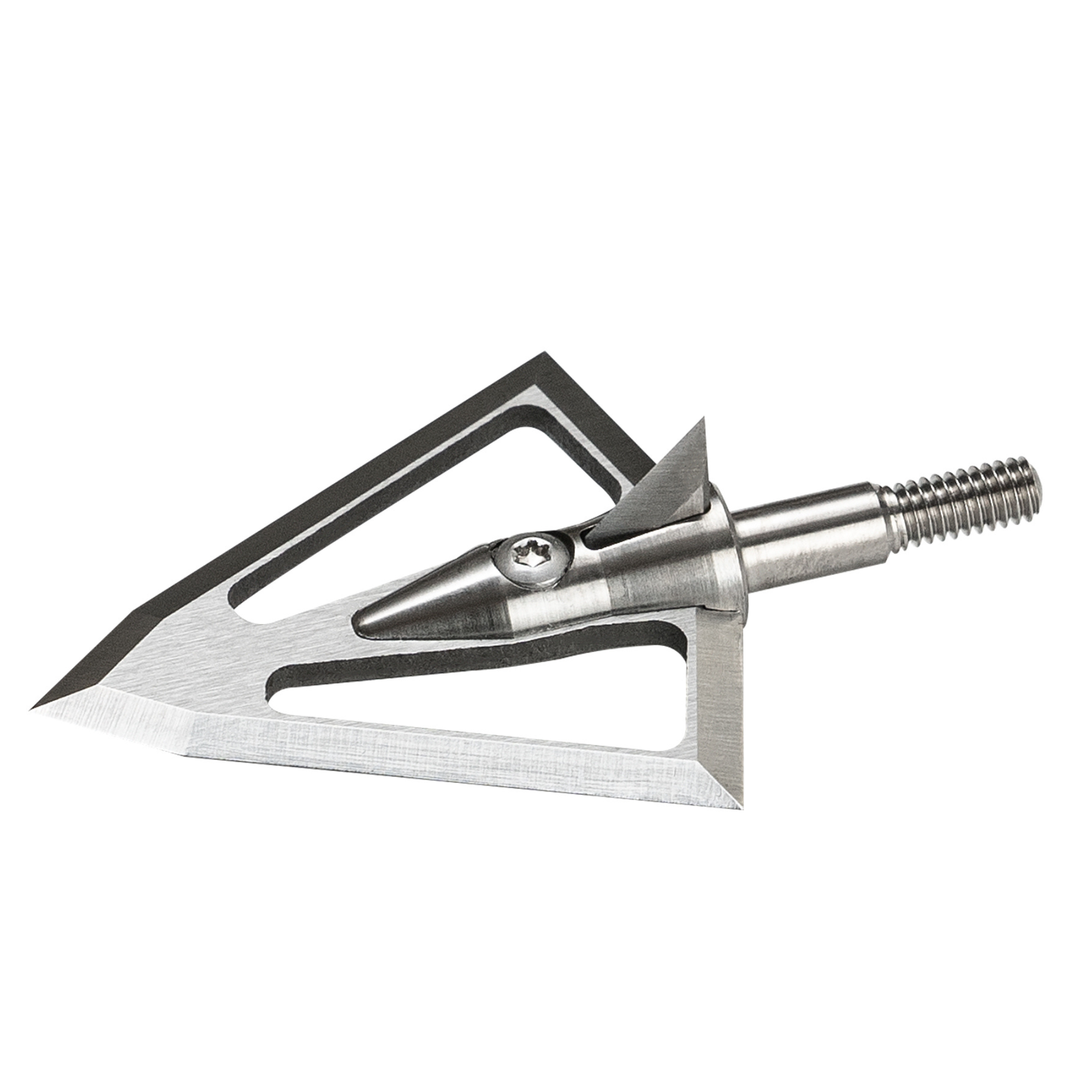
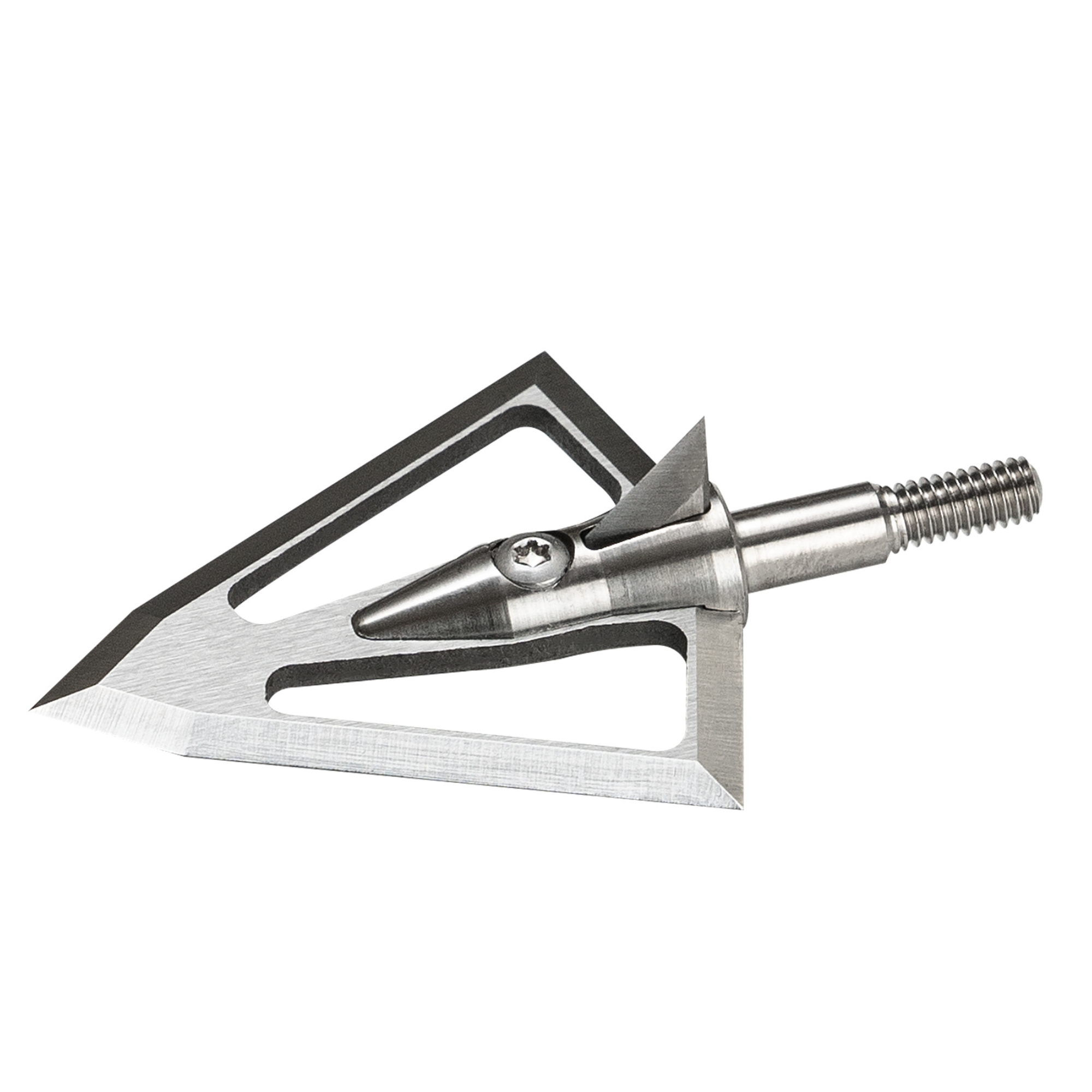
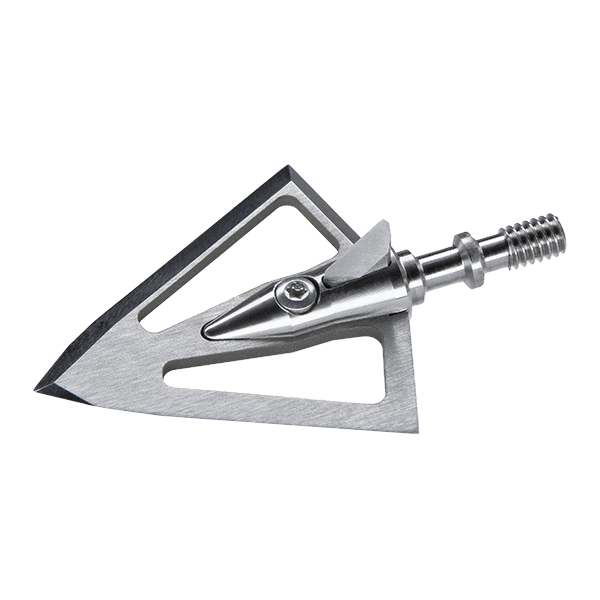
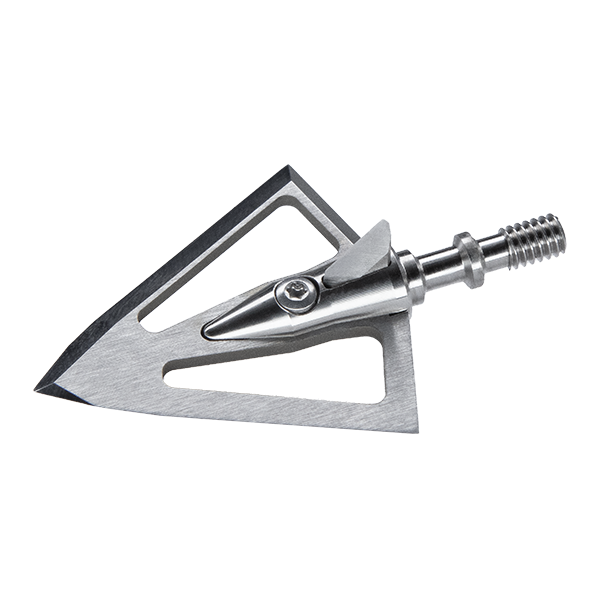
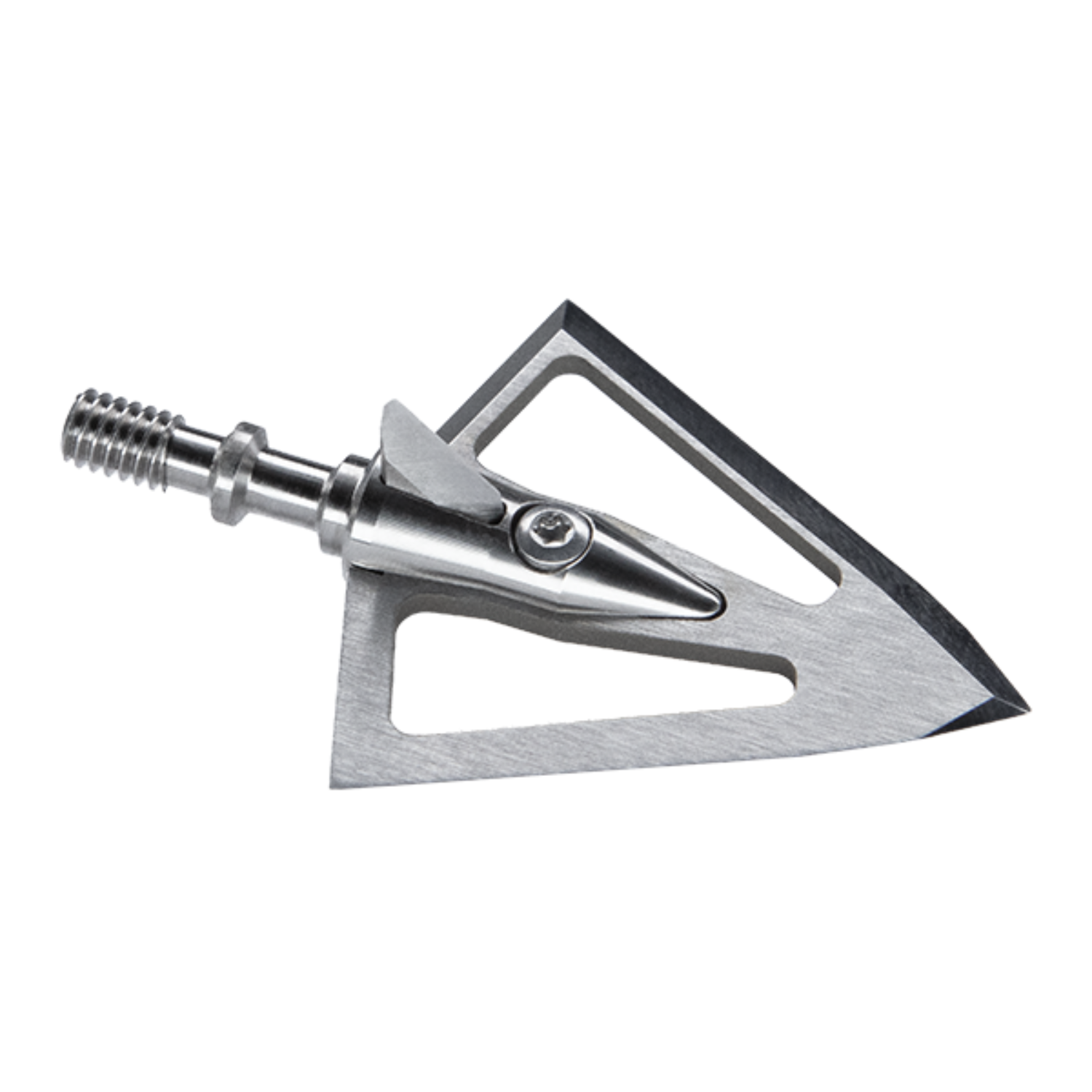
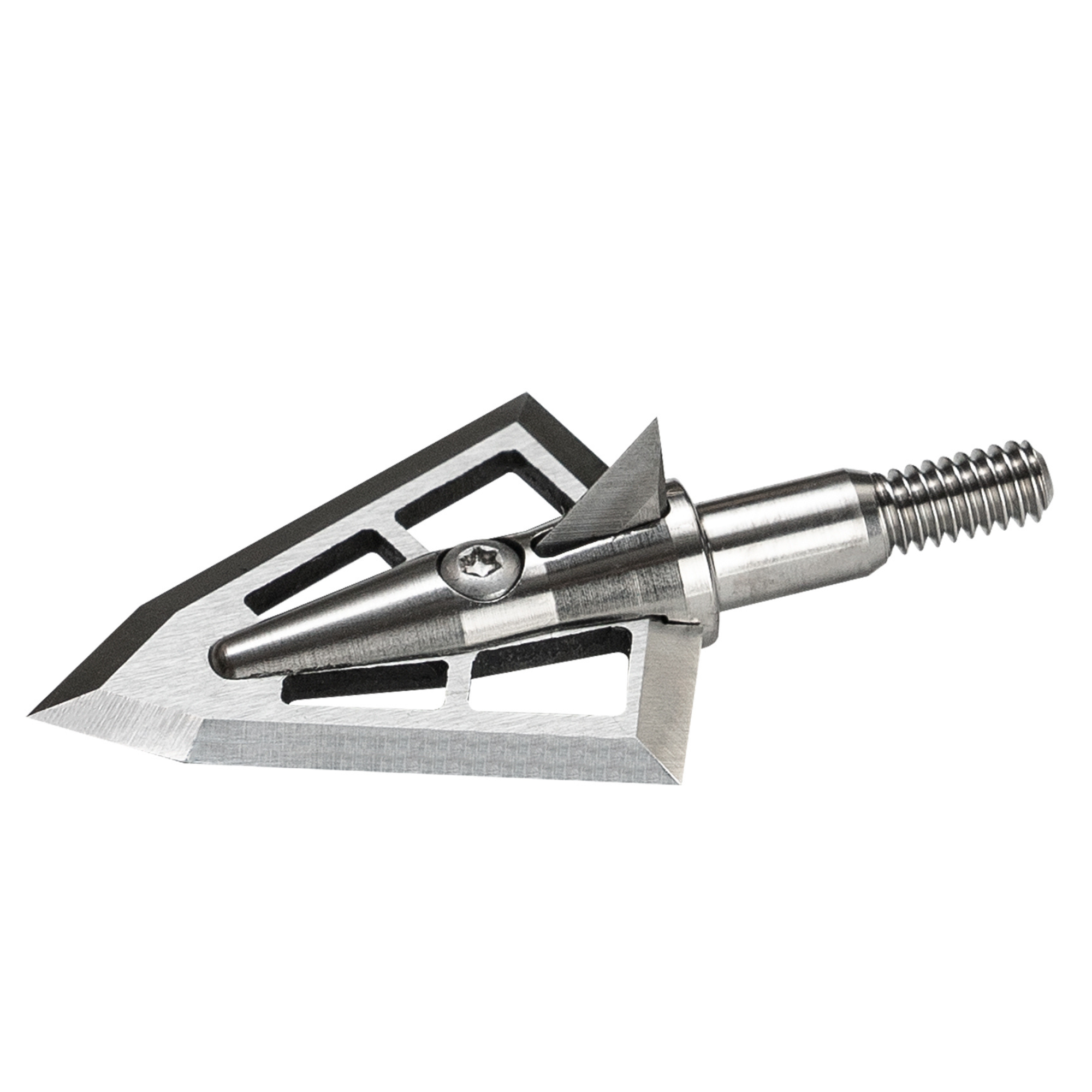
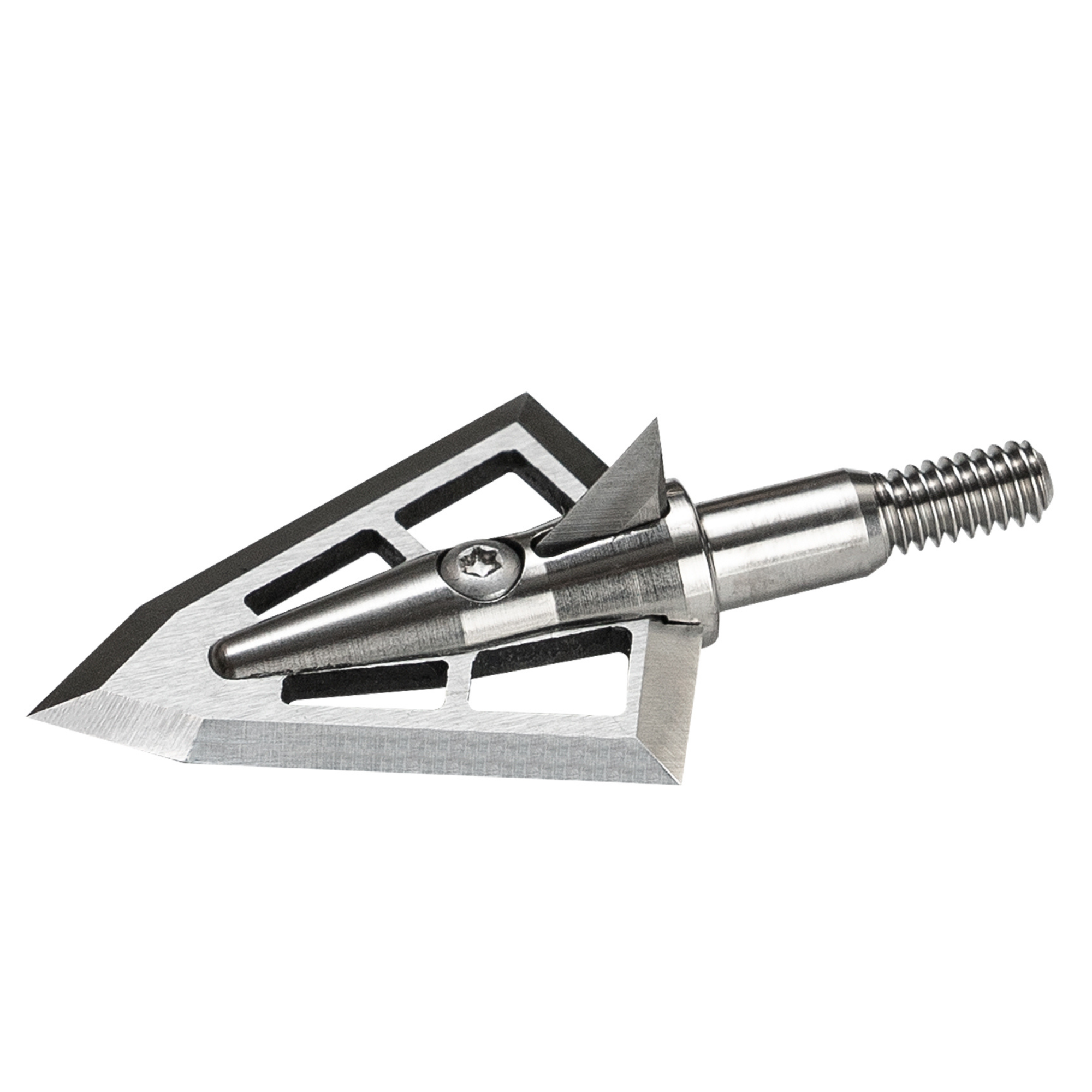
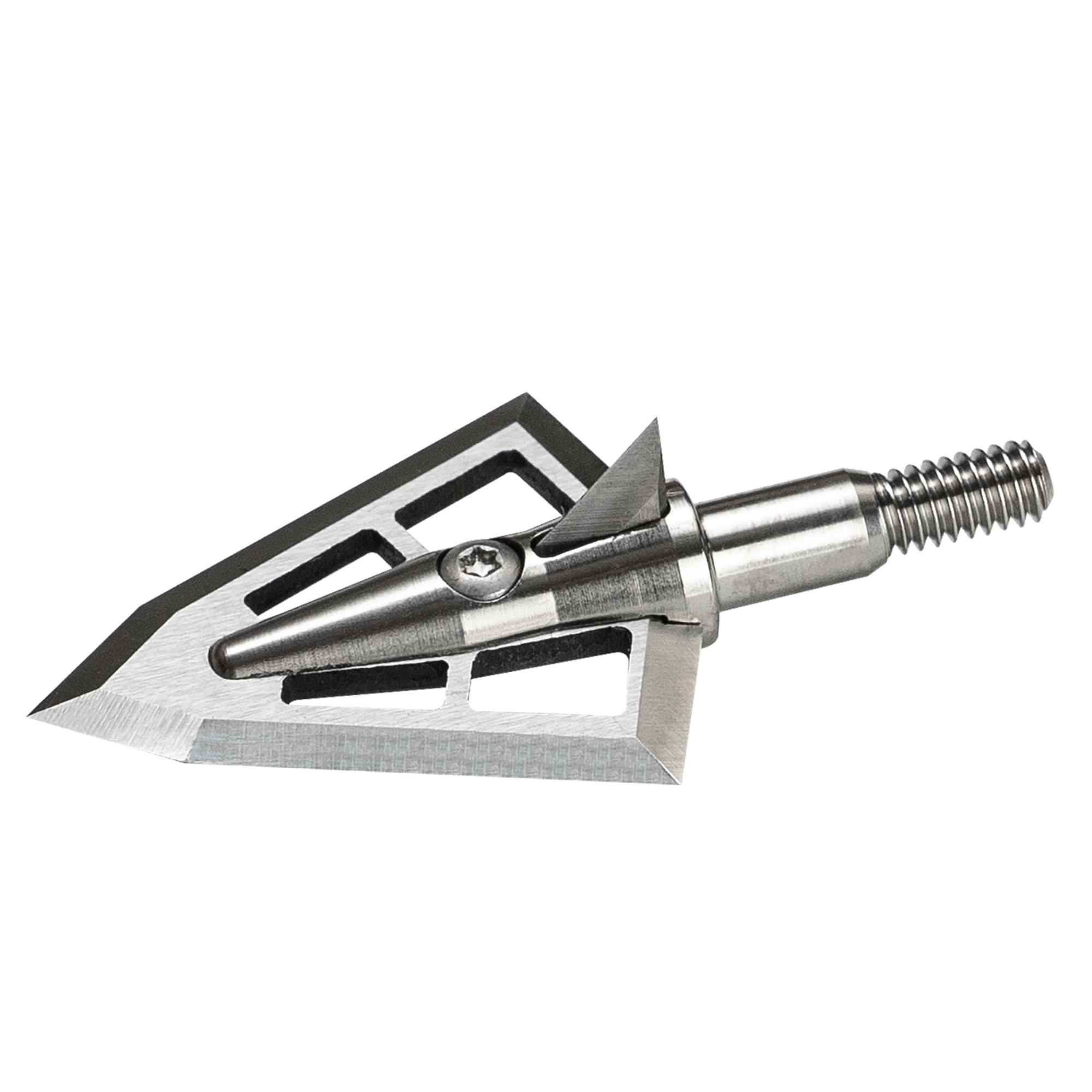
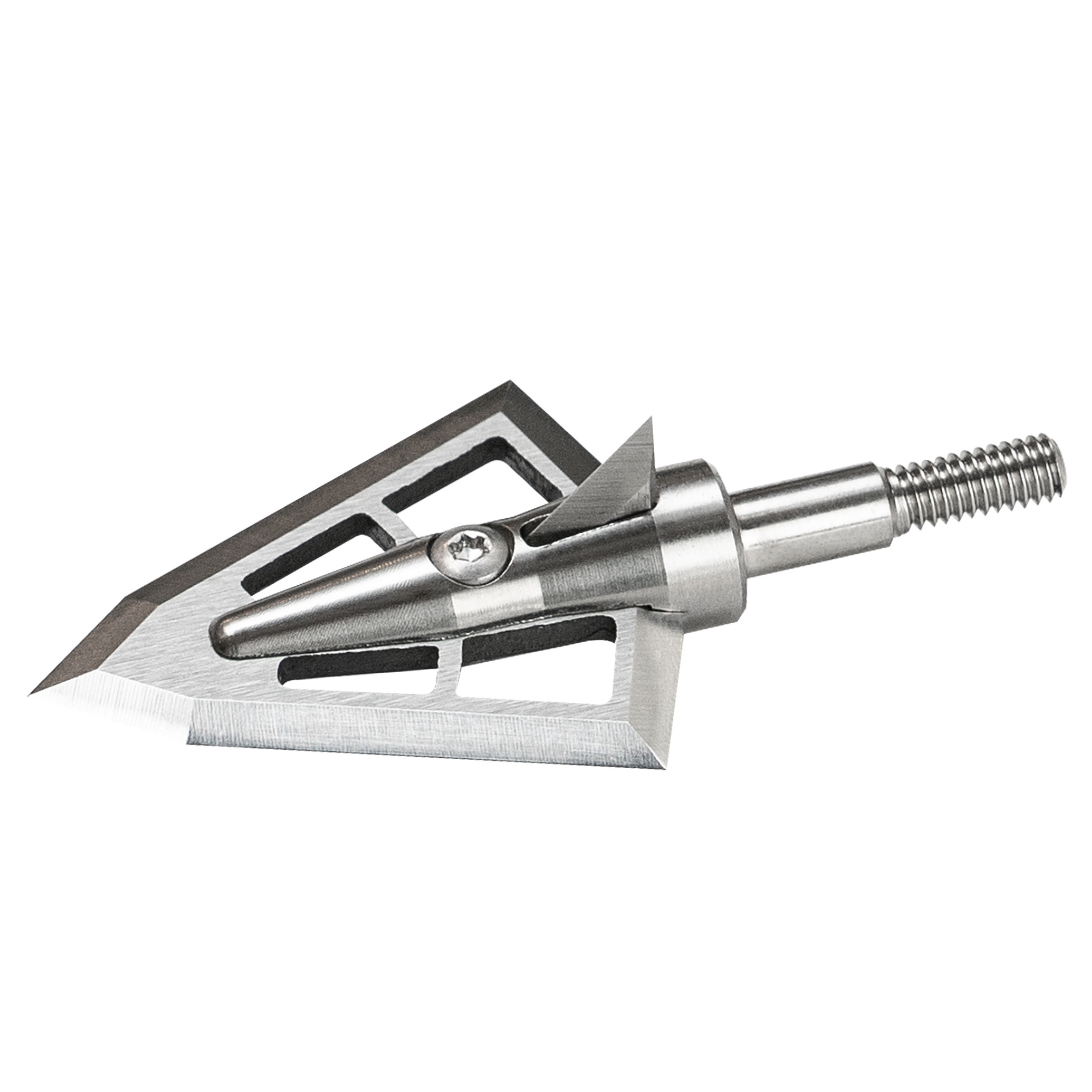
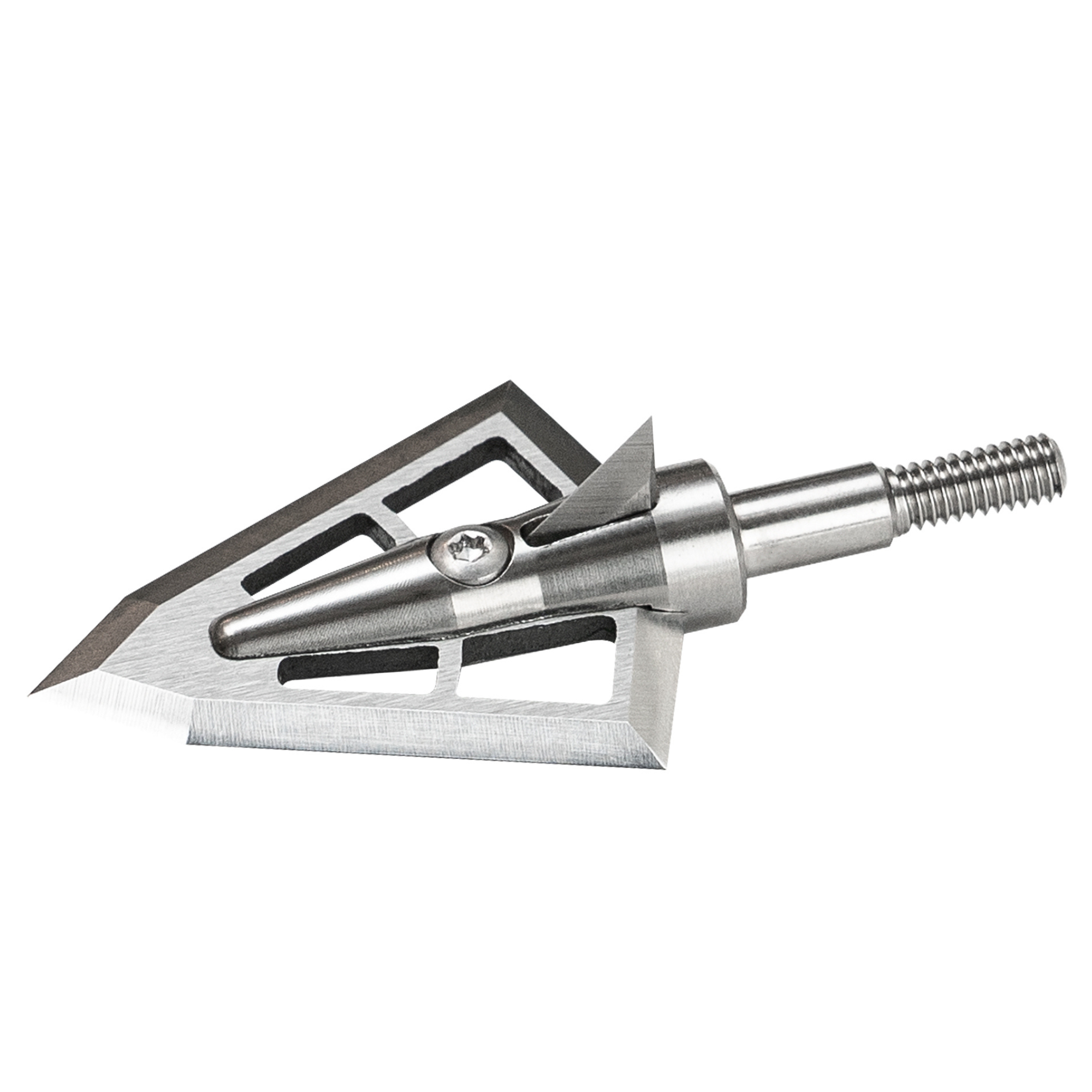
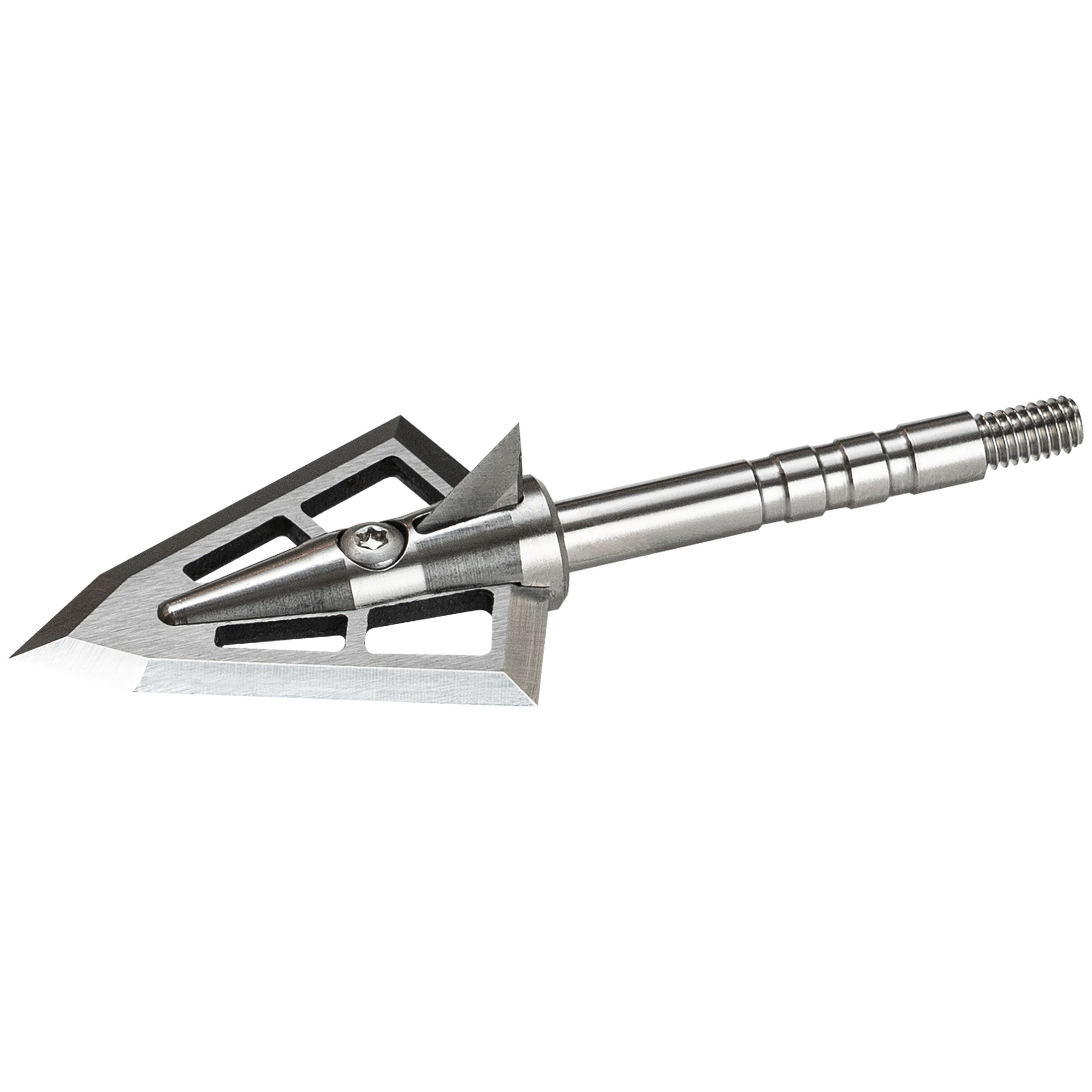
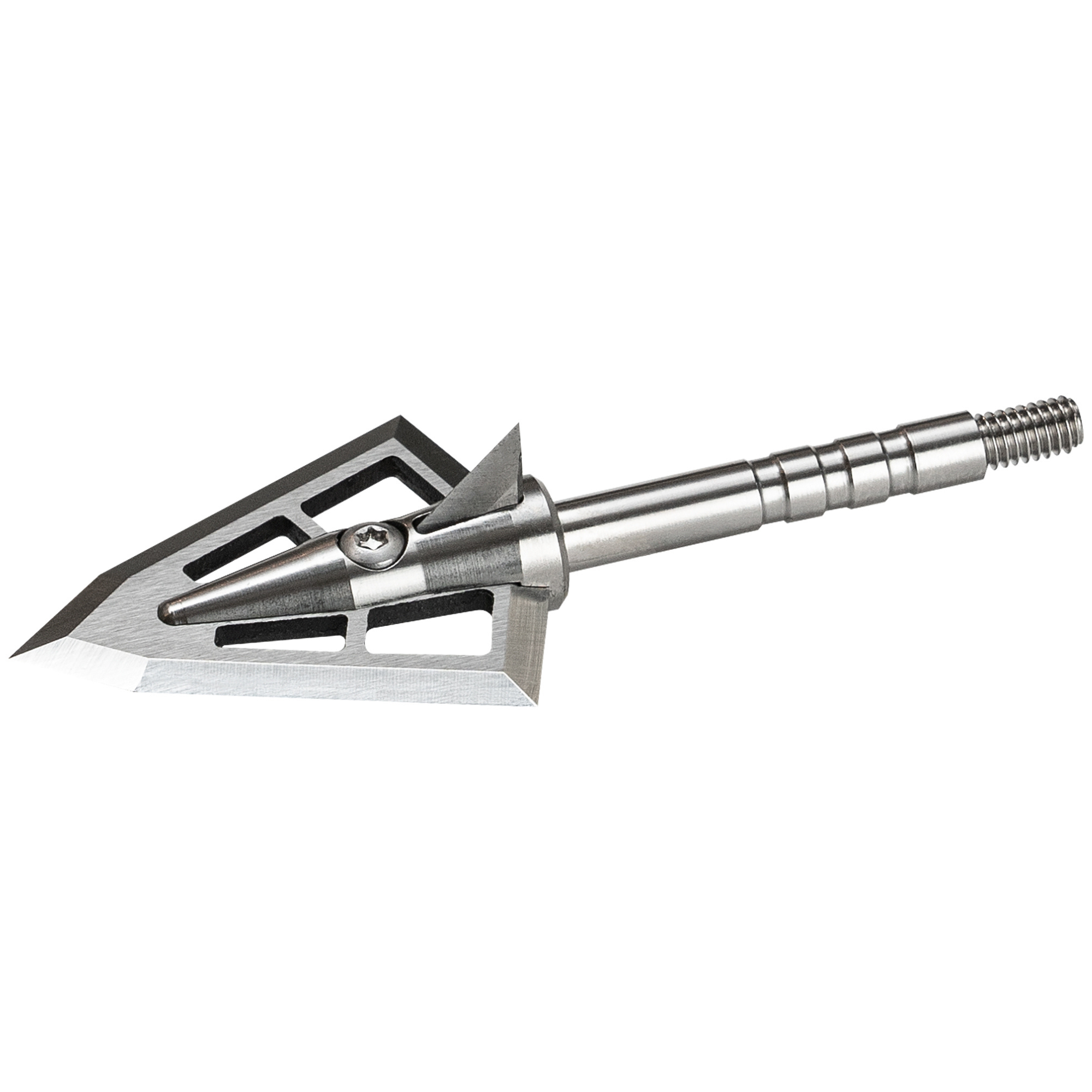
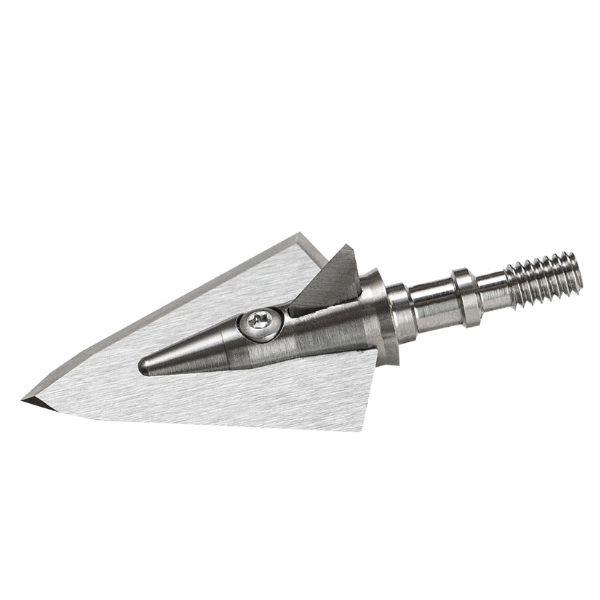
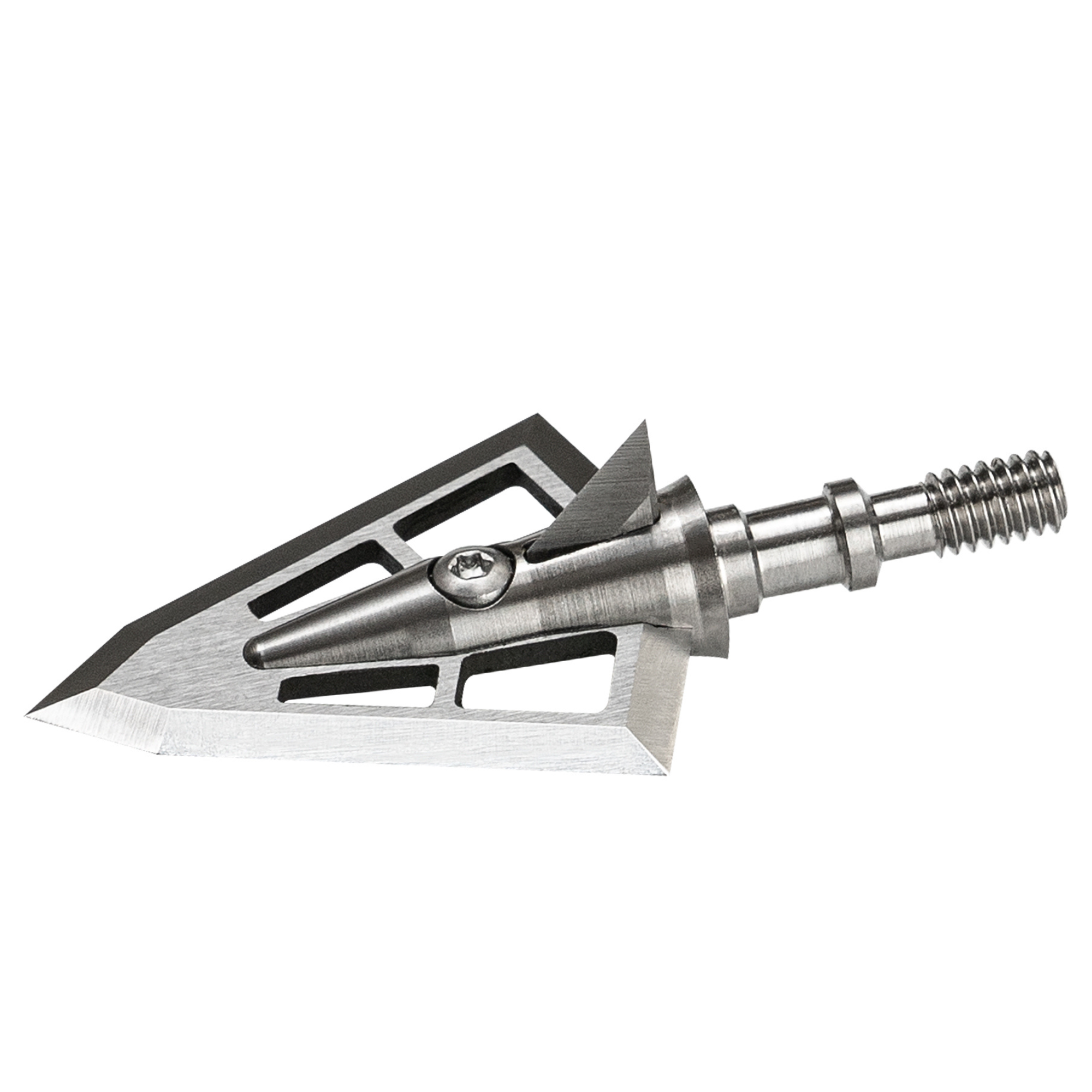
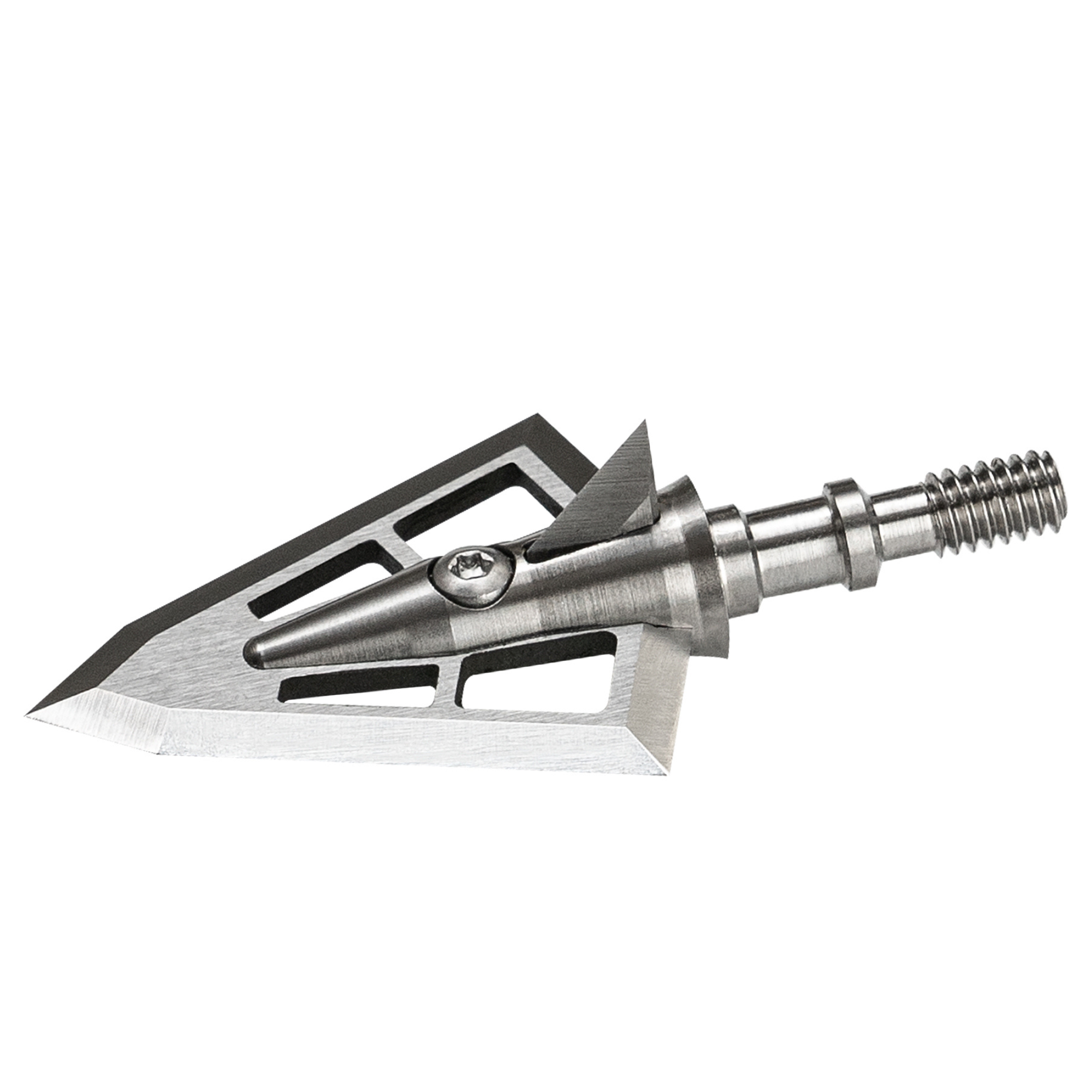
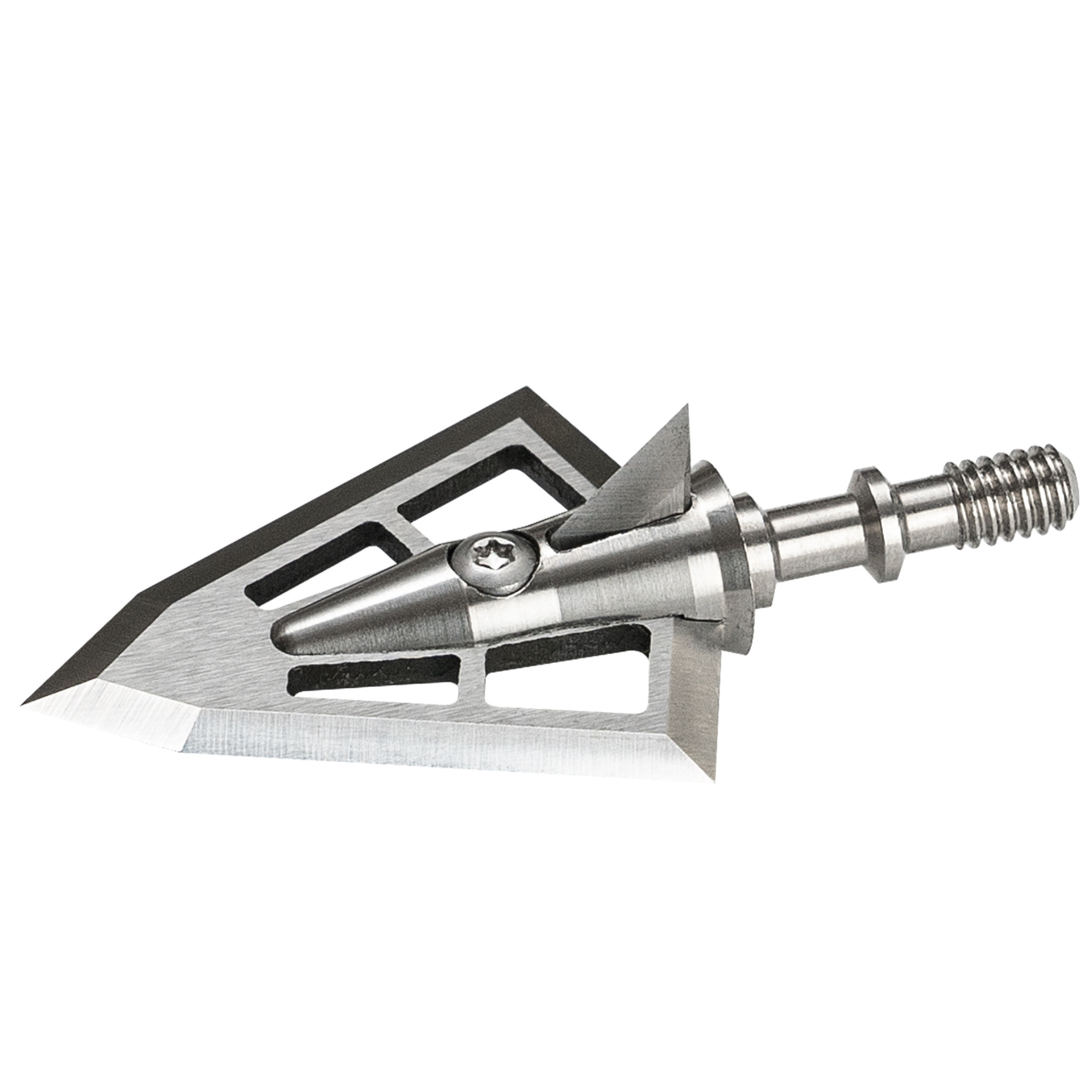
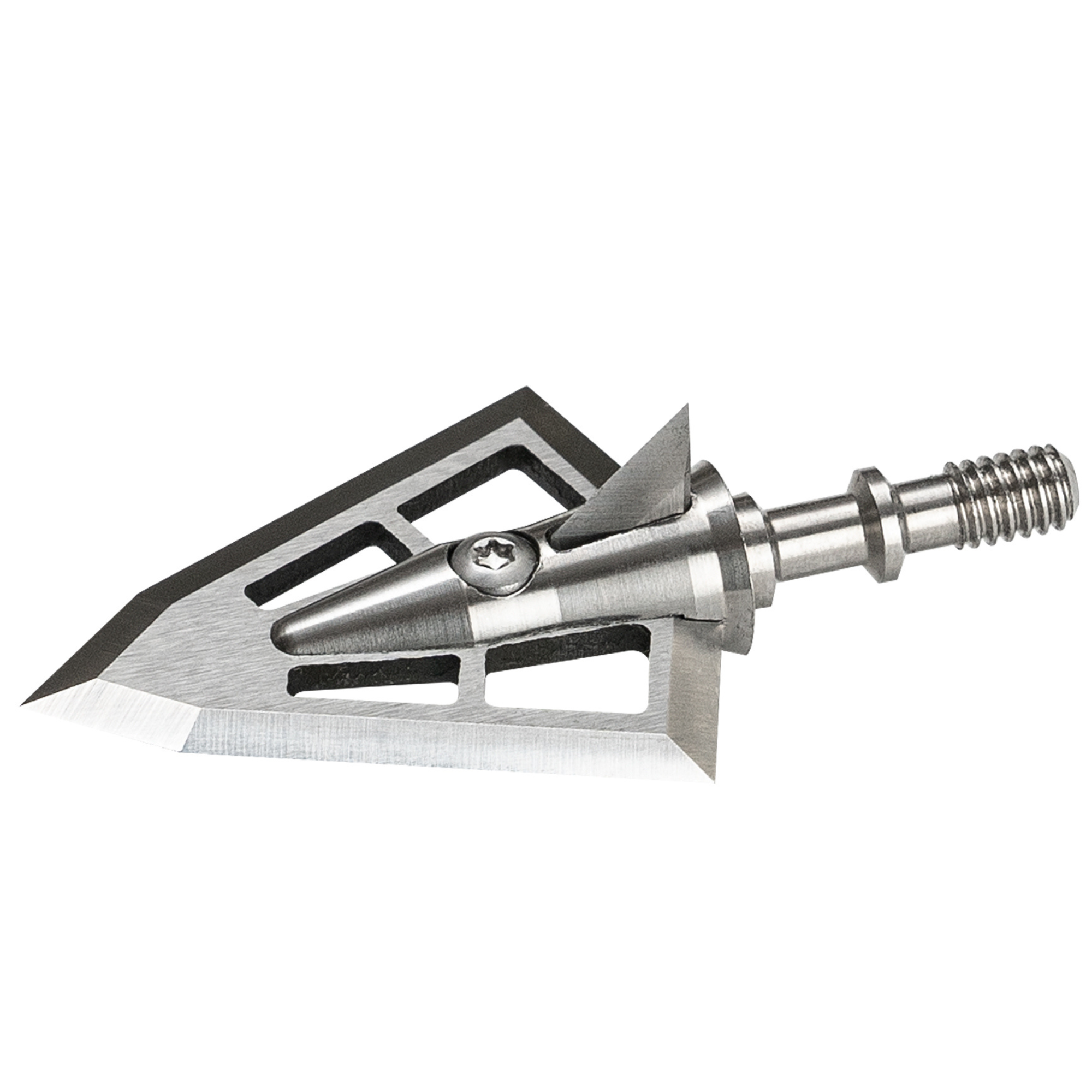
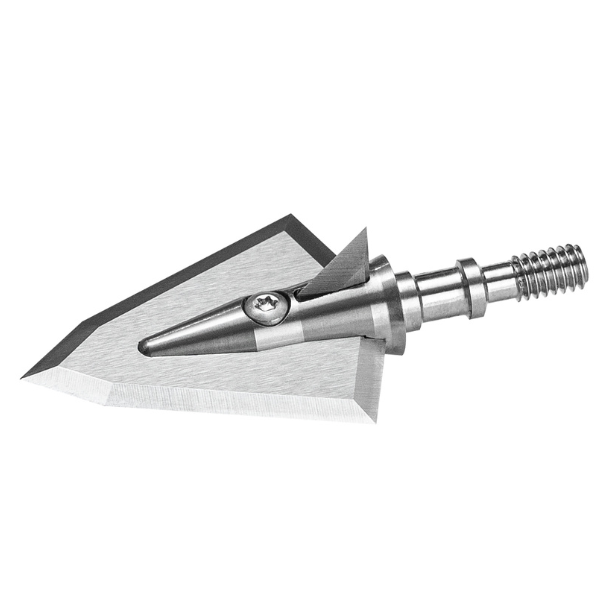
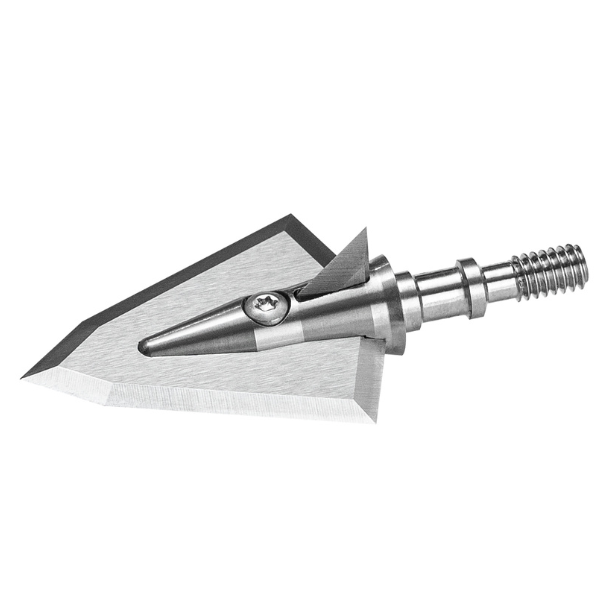
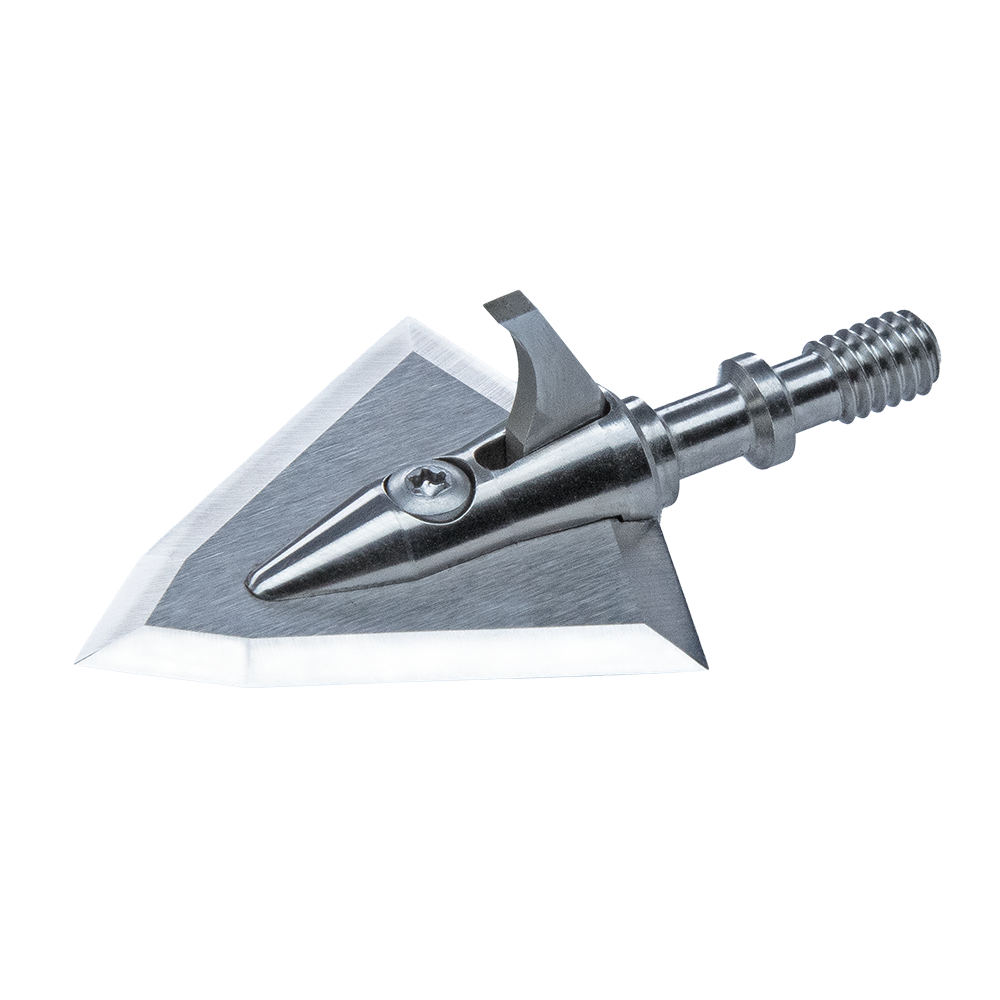
The problem with a three-to-one broadhead is the very long, skinny point. That tip being so long and narrow is much more likely to bend or break on a hard impact, compared to, say an Iron Will broadhead, where you have a shorter length blade with a tanto tip at the end to add increased strength.
At Iron Will, we've done extensive testing with an Instron machine, pushing down through hide, muscle, and scapula to measure the exact force to penetrate. We've tested shallower and steeper angles and seen a minimal change in force (contrary to what a 3 to 1 proponent would suggest). Instead, through this testing, we've found penetration to be dominated by edge retention and sharpness. If your edges have a very sharp incline, over 45 degrees, approaching 90 degrees, to where you have more of a "chop" than a "slice," we agree that that would then increase force to penetrate.
The force to penetrate is dependent on having very sharp edges, good edge retention, and keeping the force low to cut. The animal is not "wedged" apart, therefore a three-to-one does not give hunters an advantage over a two-to-one or one-and-a-half-to-one ratio broadhead.
We hope that explains some of the misconceptions of a three to one broadhead, and why having a shorter blade with a tanto tip is actually an improvement in both strength and penetration.
*HIT (Hidden Insert Technology) is used under license as a registered trademark of Easton Technical Products.