Right vs. Left Single Bevel
Match Bevel Direction to Fletching for Maximum Performance






For bow hunters using single bevel broadheads, dialing in your arrow setup starts with matching your single bevel broadheads to your arrow’s fletching. In this video, we break down right vs. left single bevel broadheads, how to identify them, and why proper alignment with arrow rotation is critical for maximizing penetration and performance. Learn how to match right or left fletching with the correct single bevel broadhead to ensure consistent arrow flight, maintain rotational momentum, and get the most out of every shot. If you’re hunting with single bevels, building arrows, or tuning arrows, this is a must-watch.
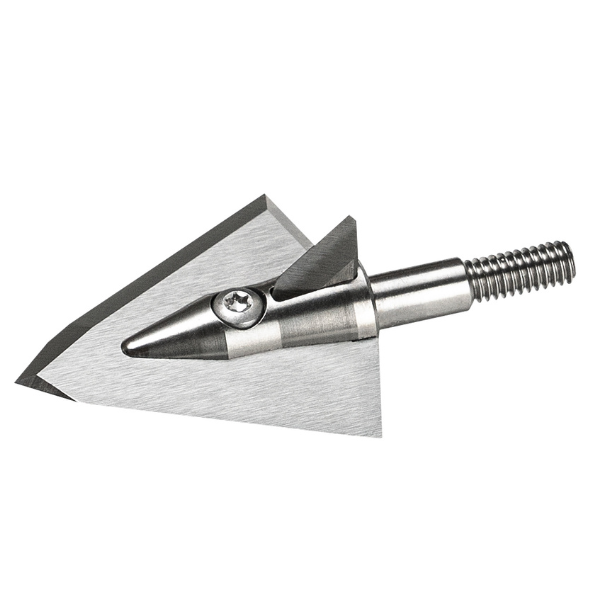
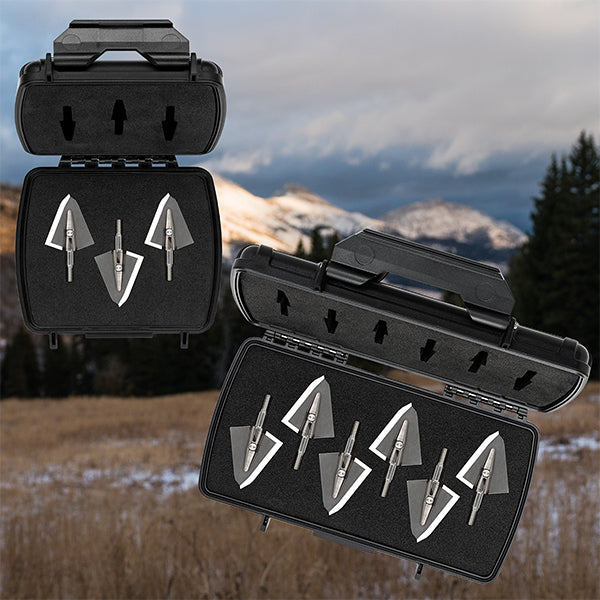
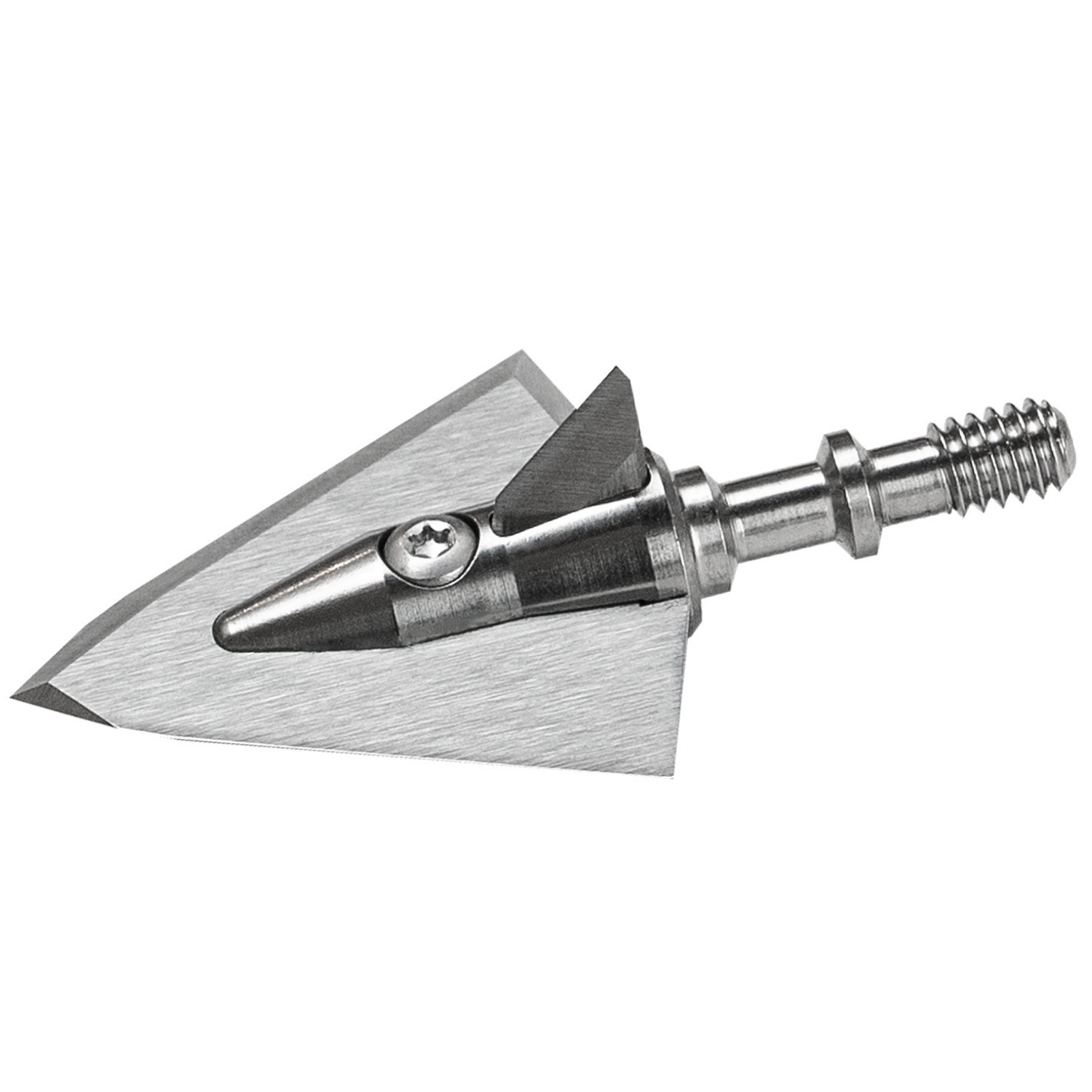
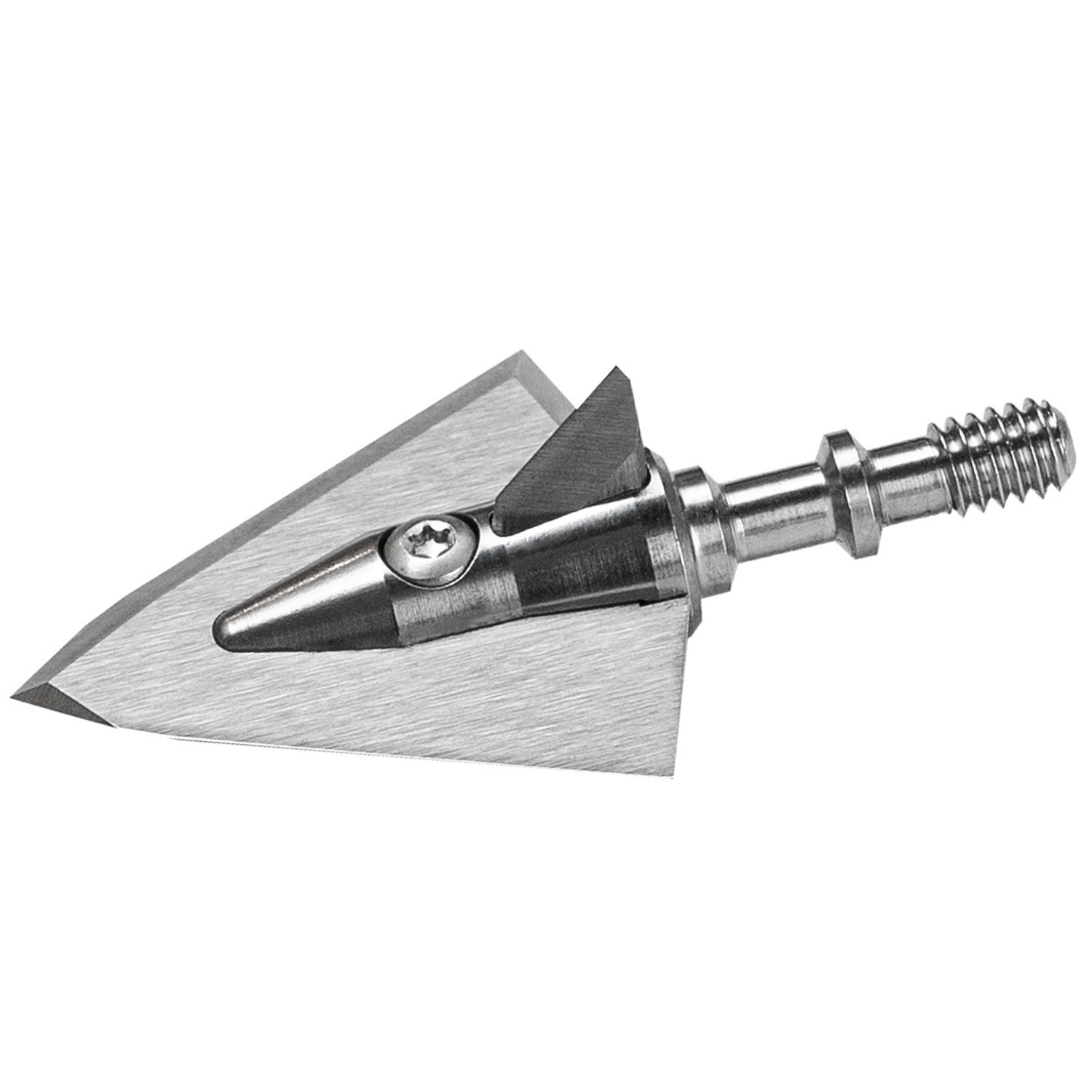
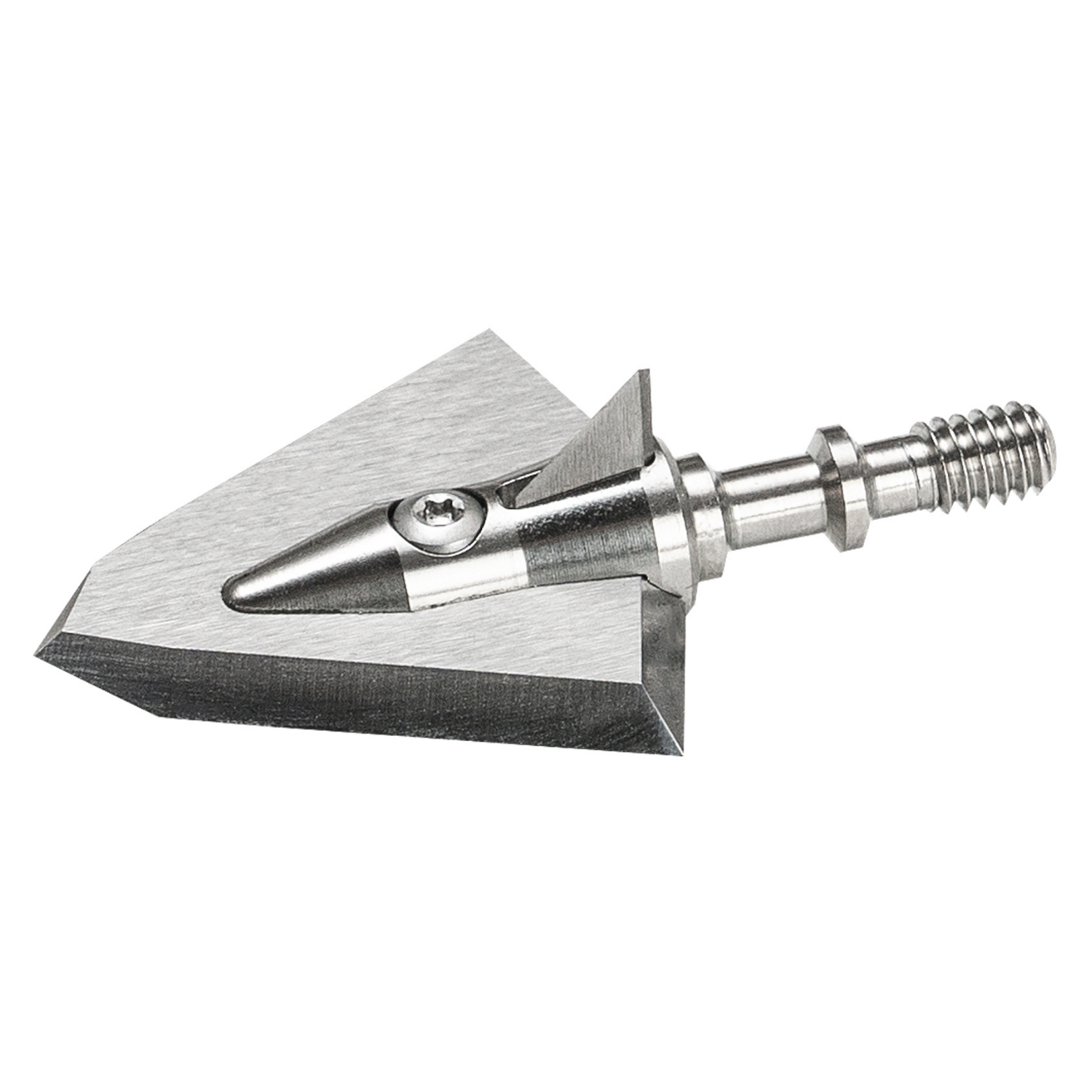
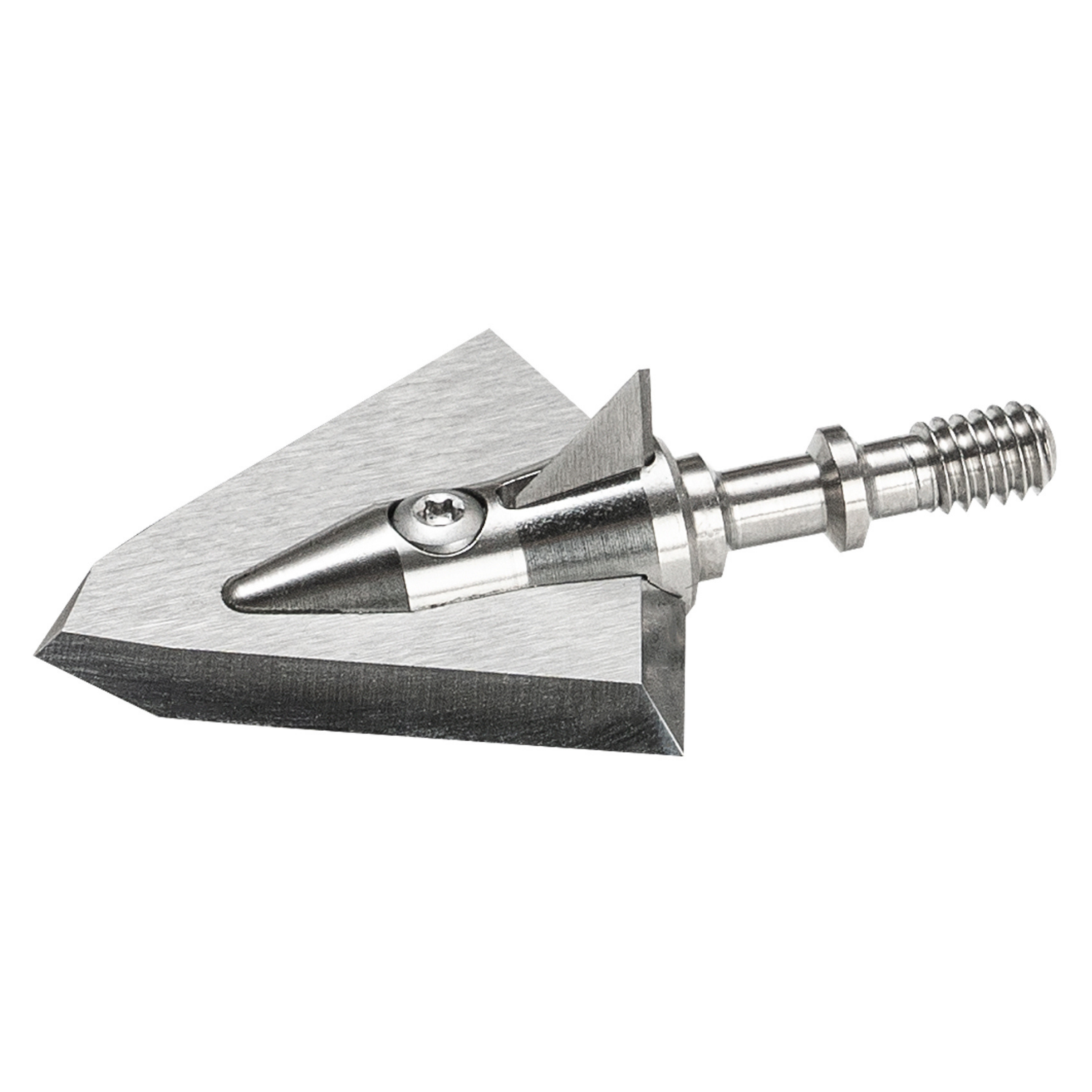
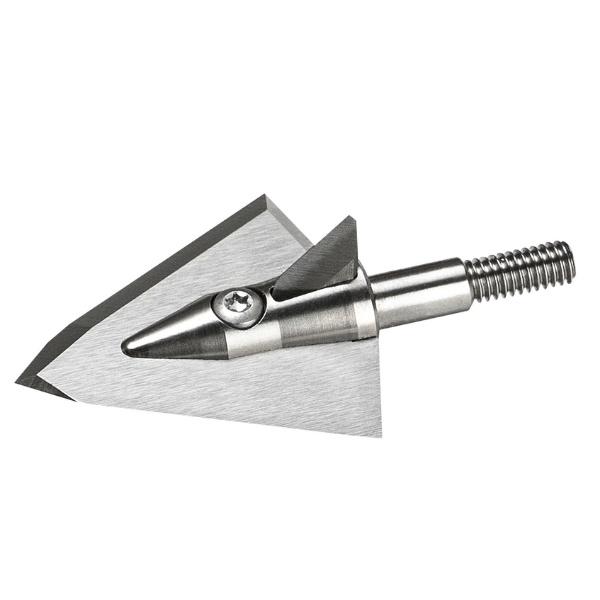
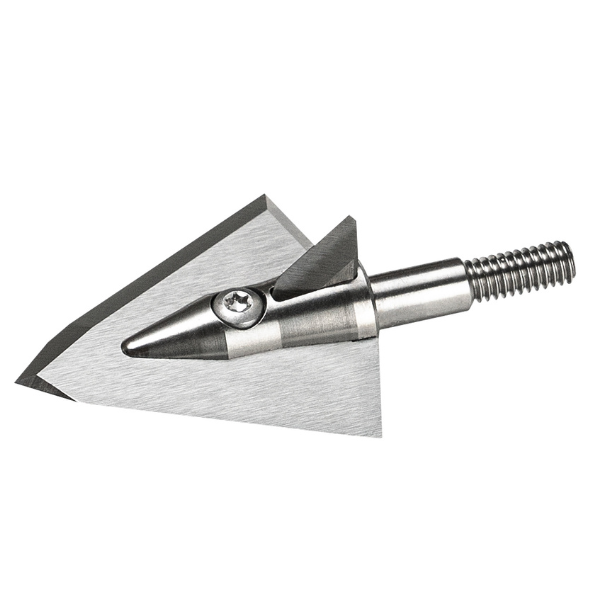
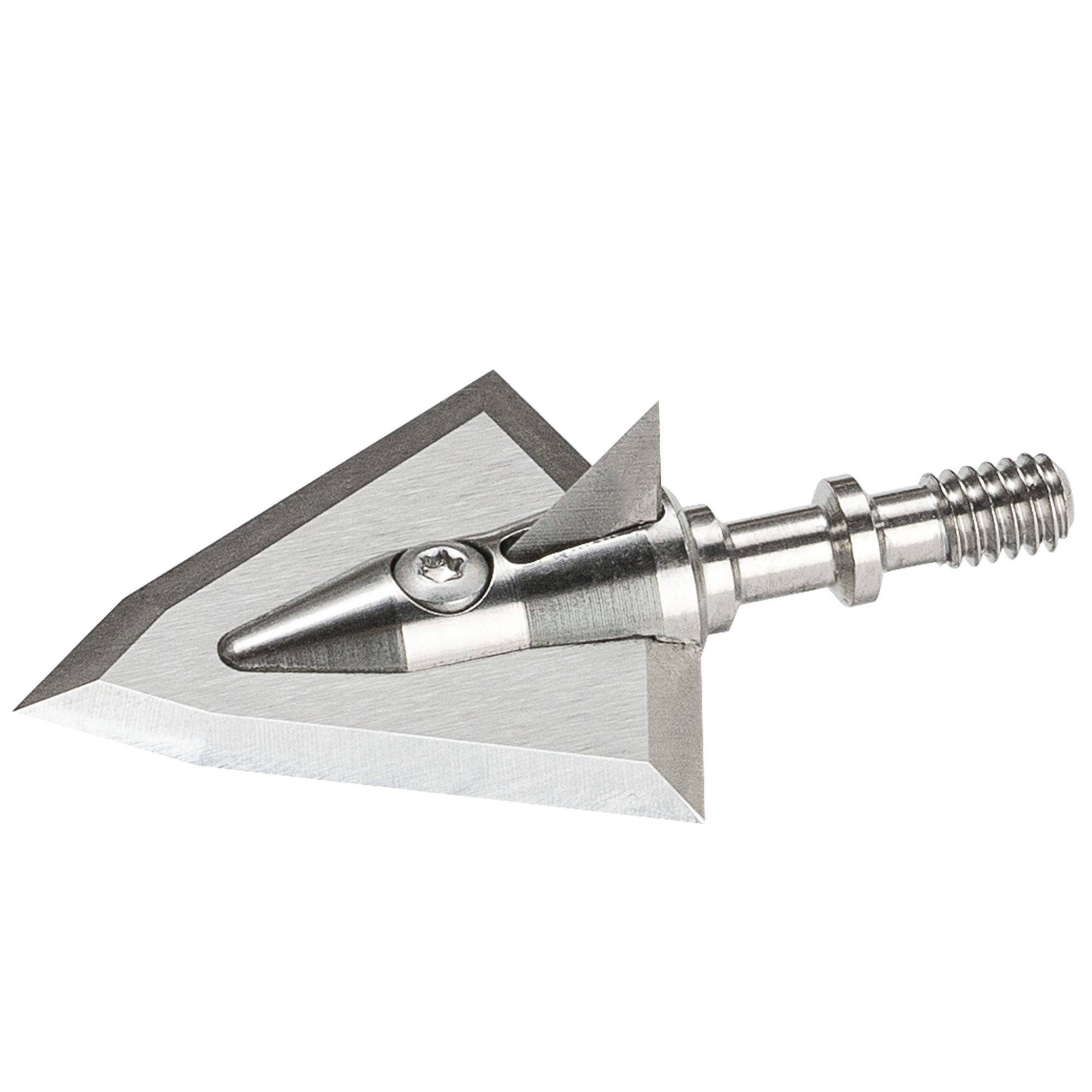
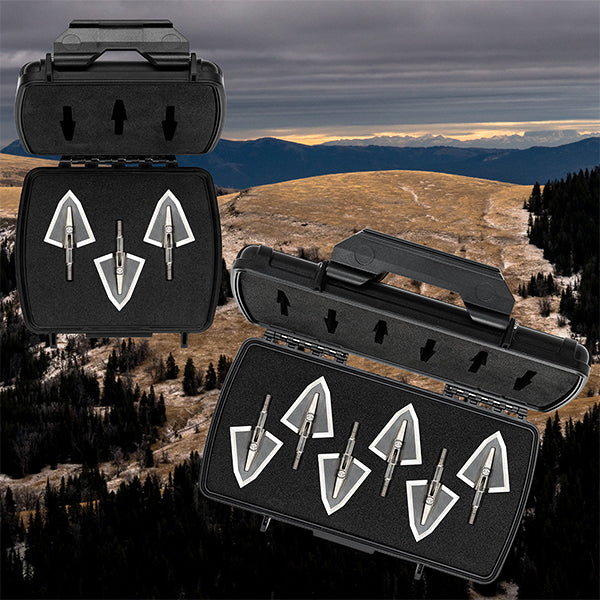
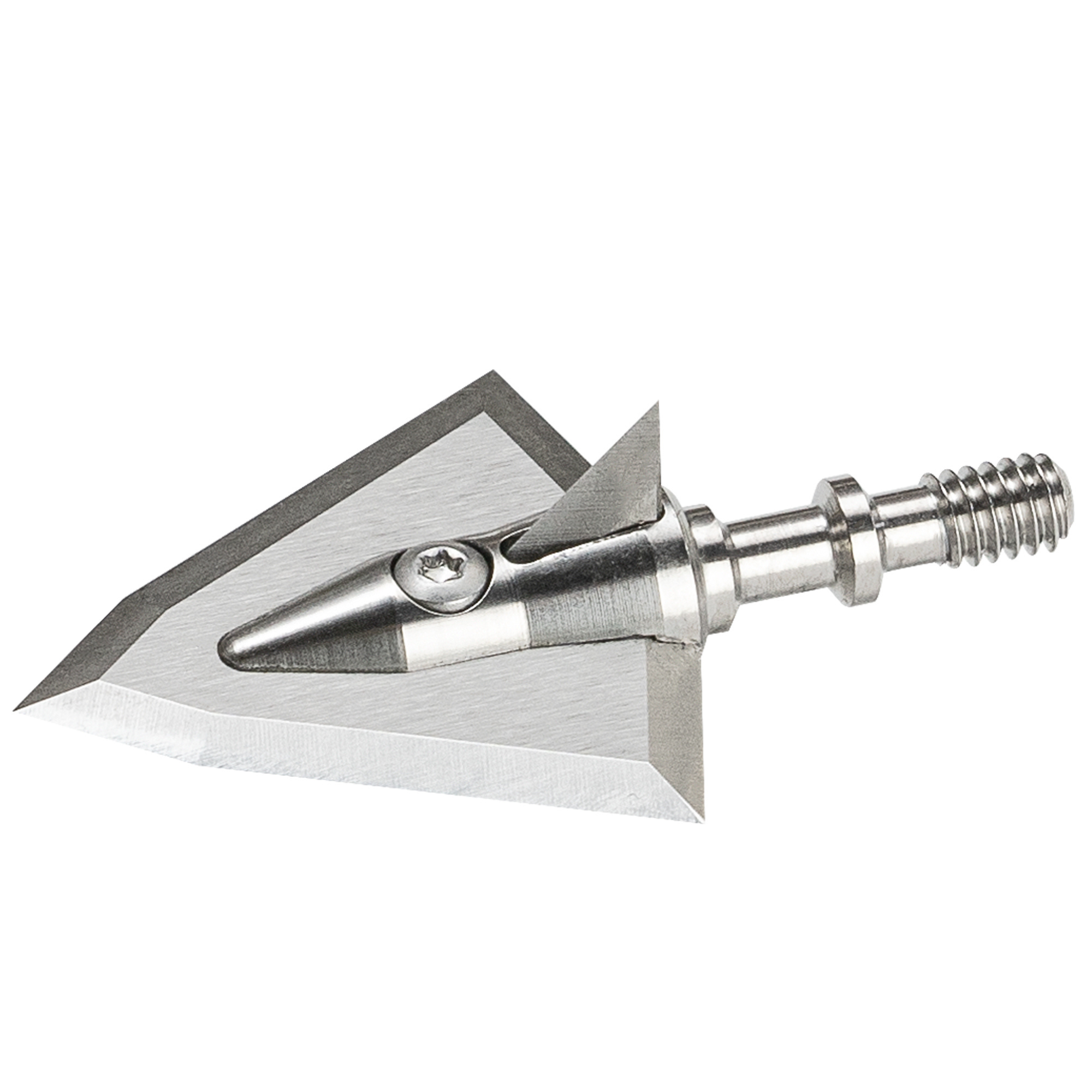
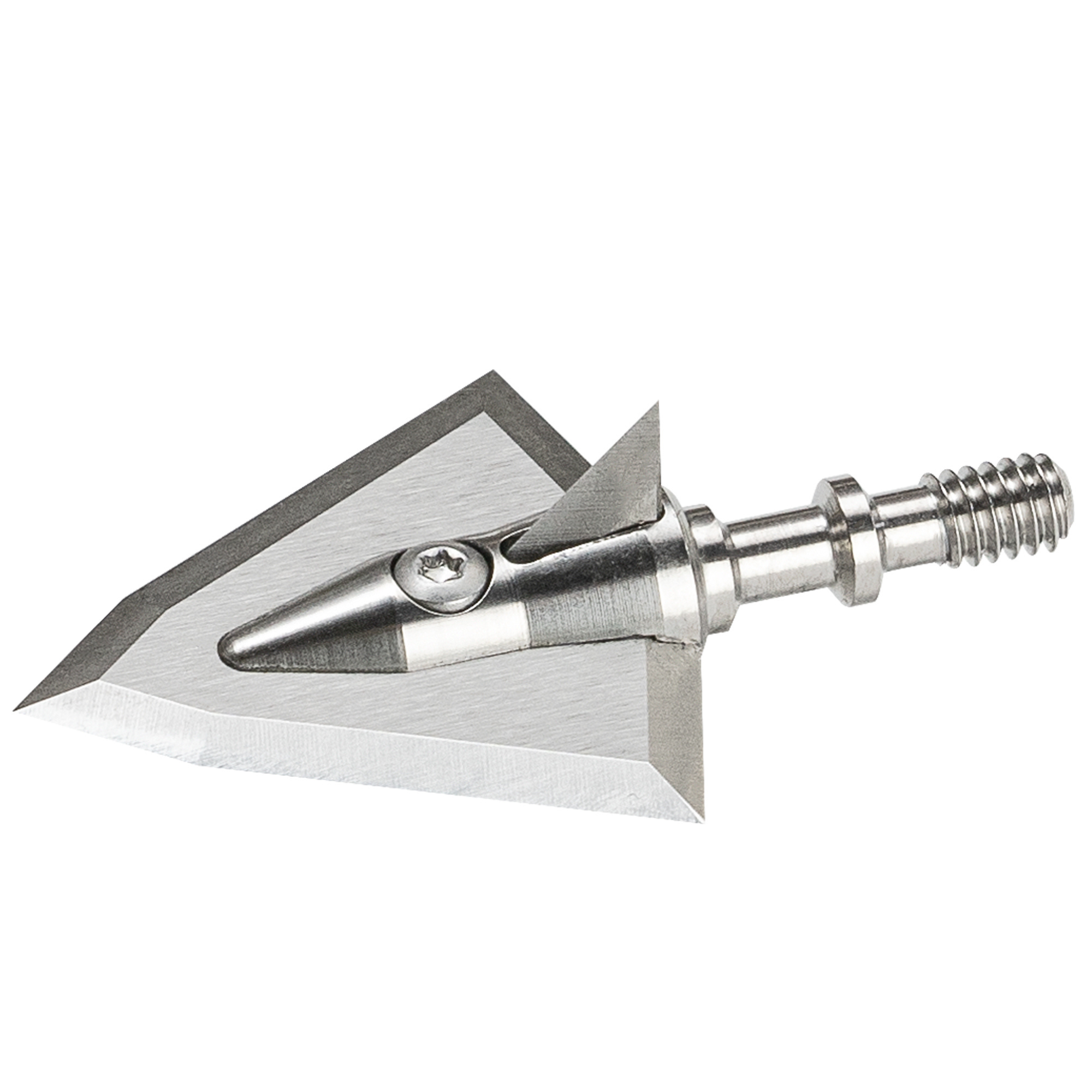
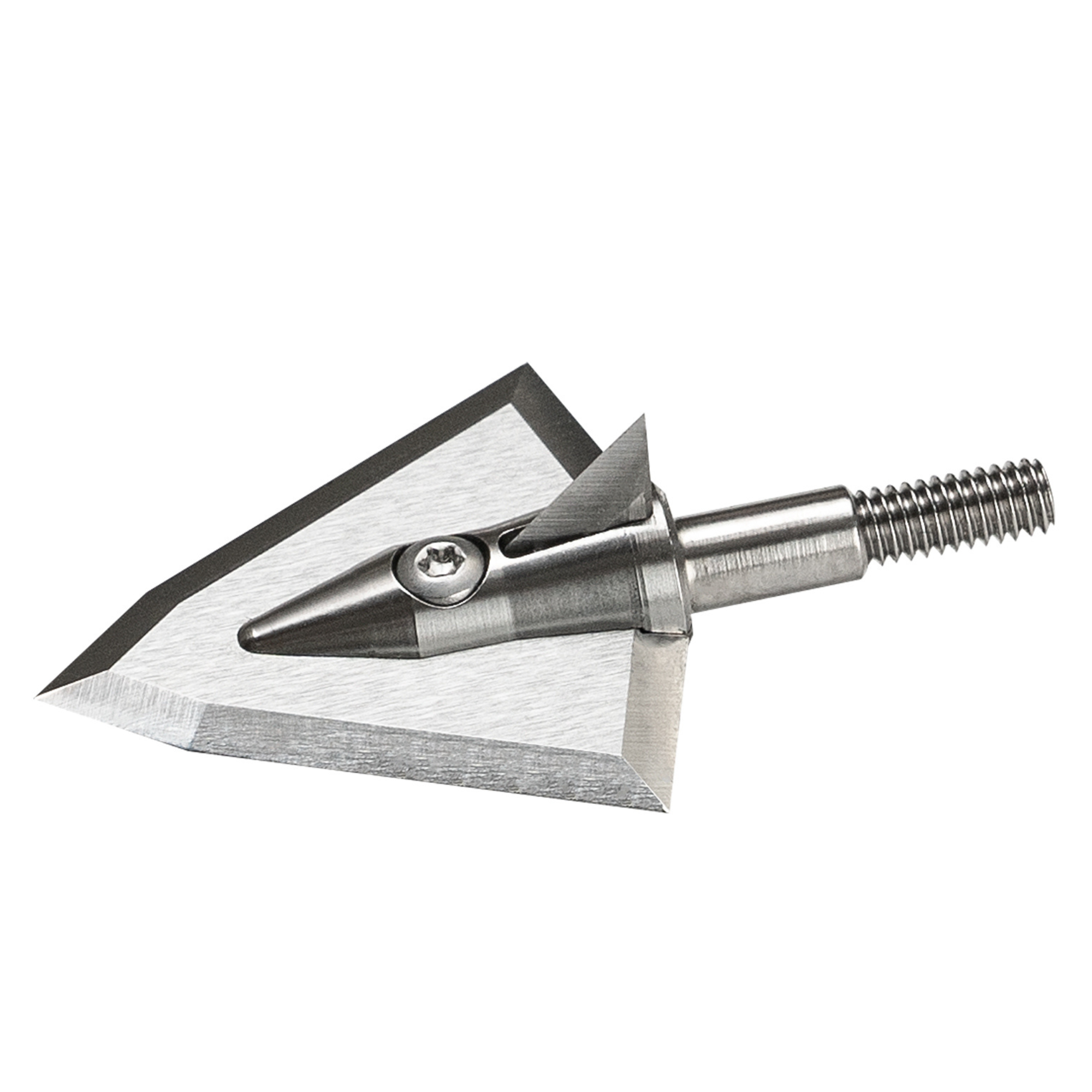
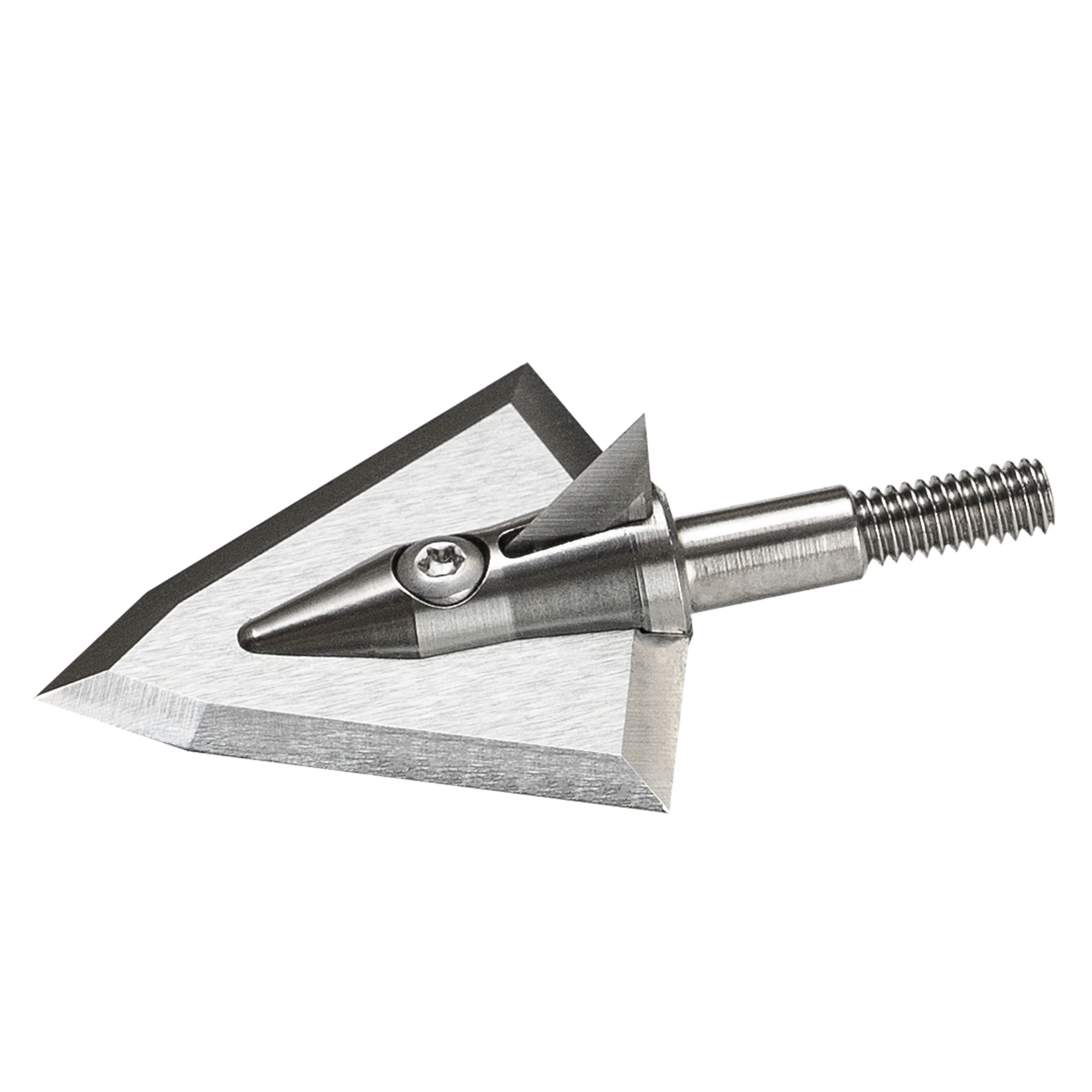
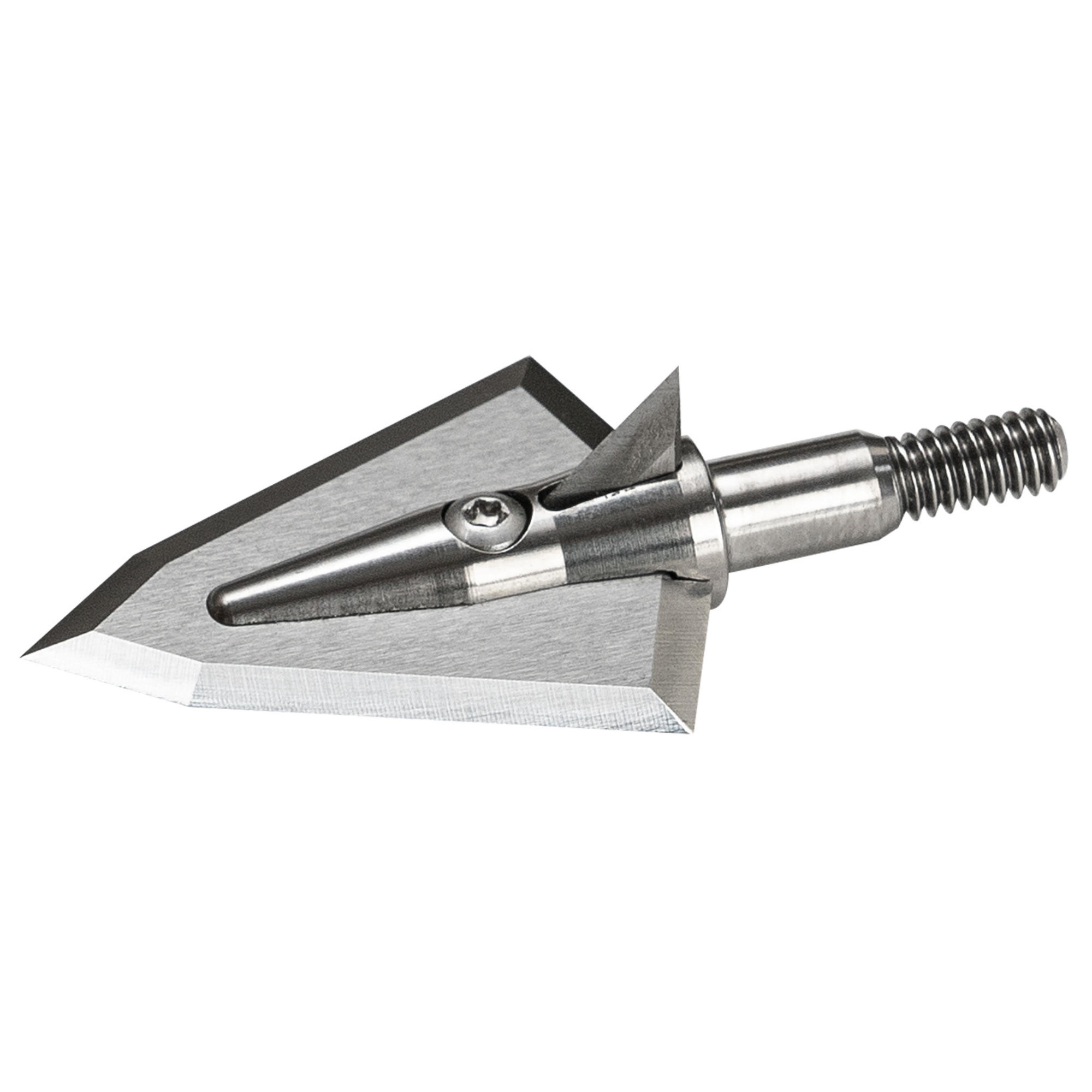
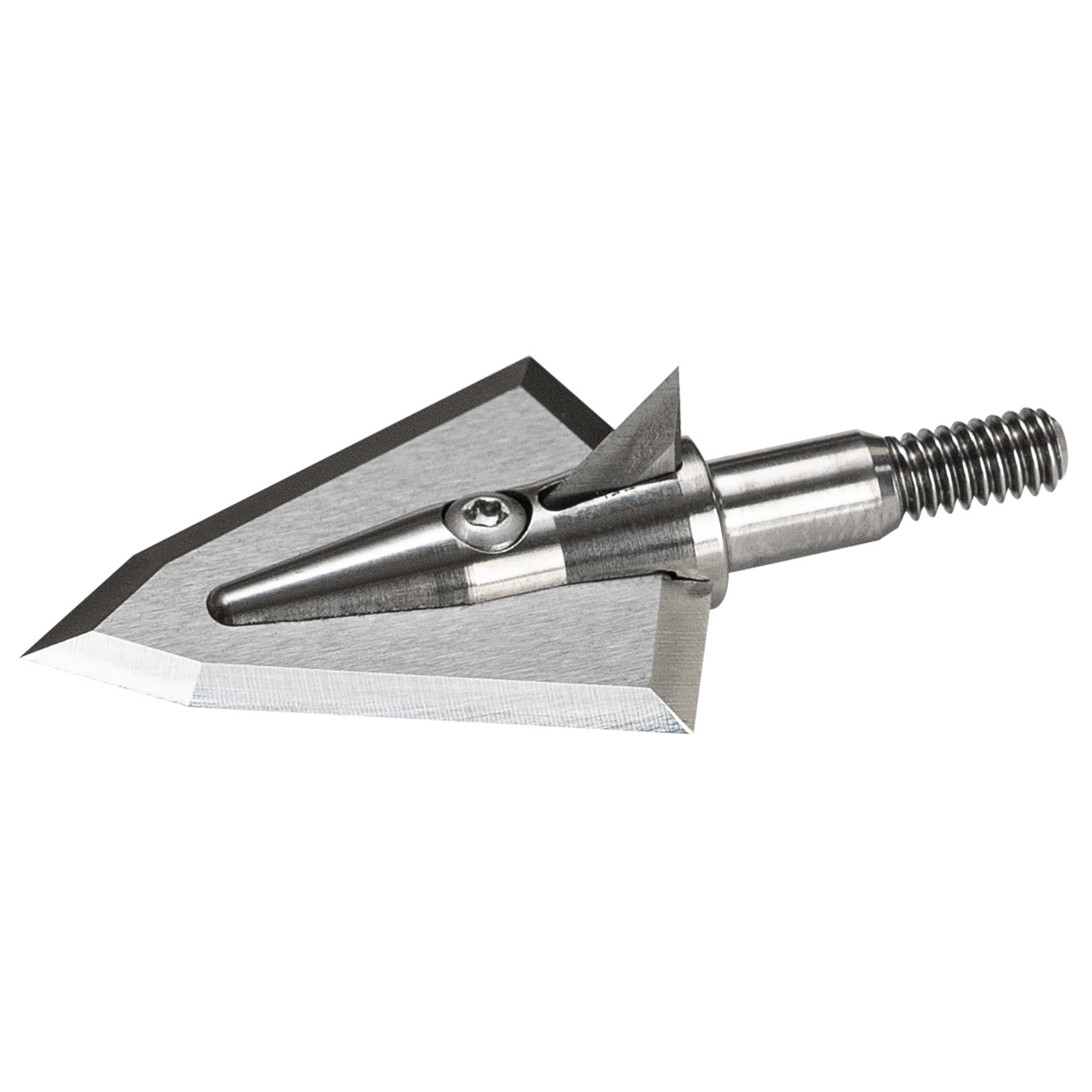
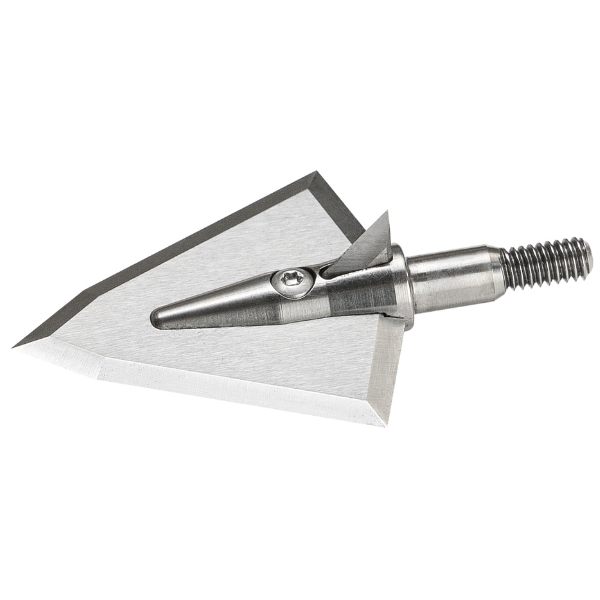
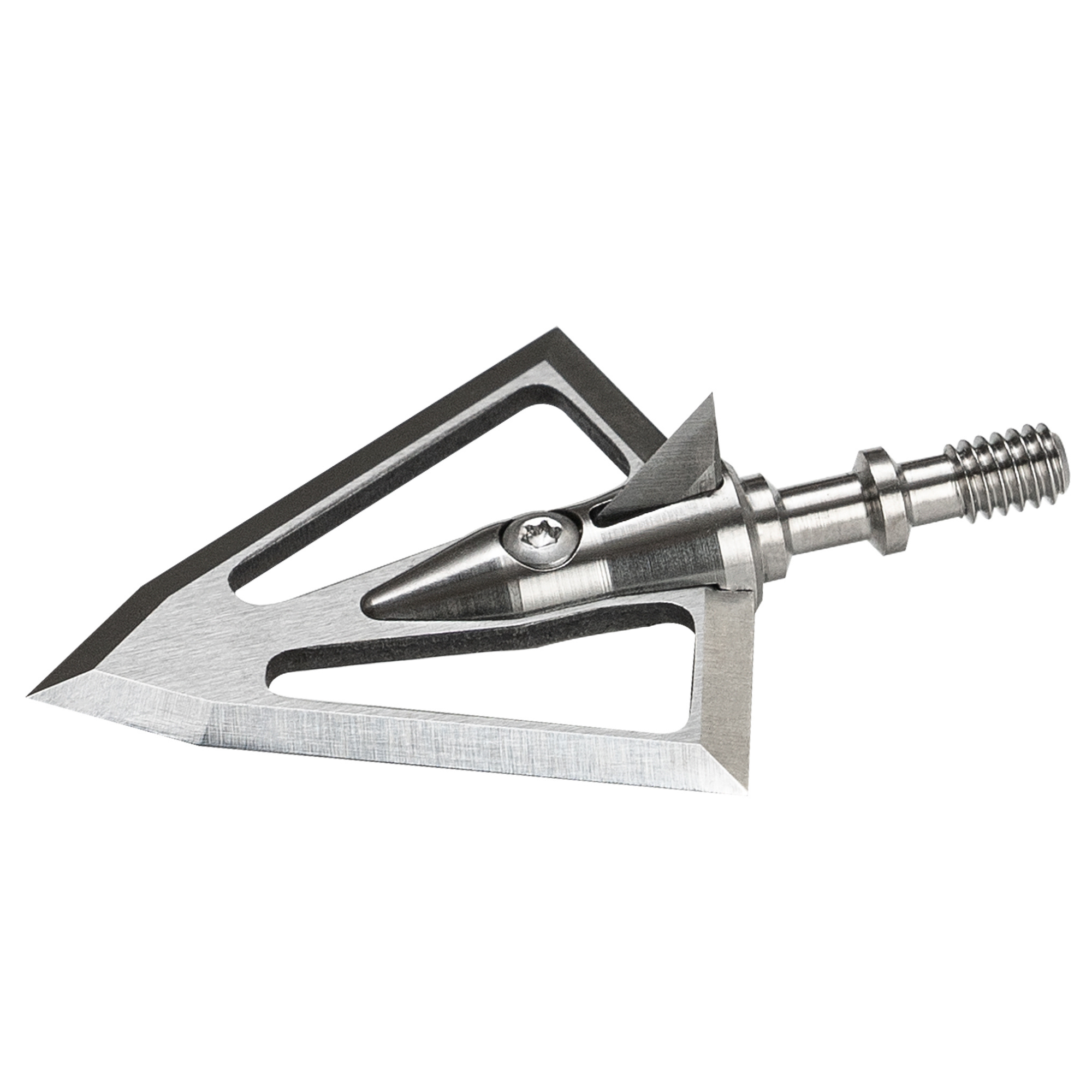
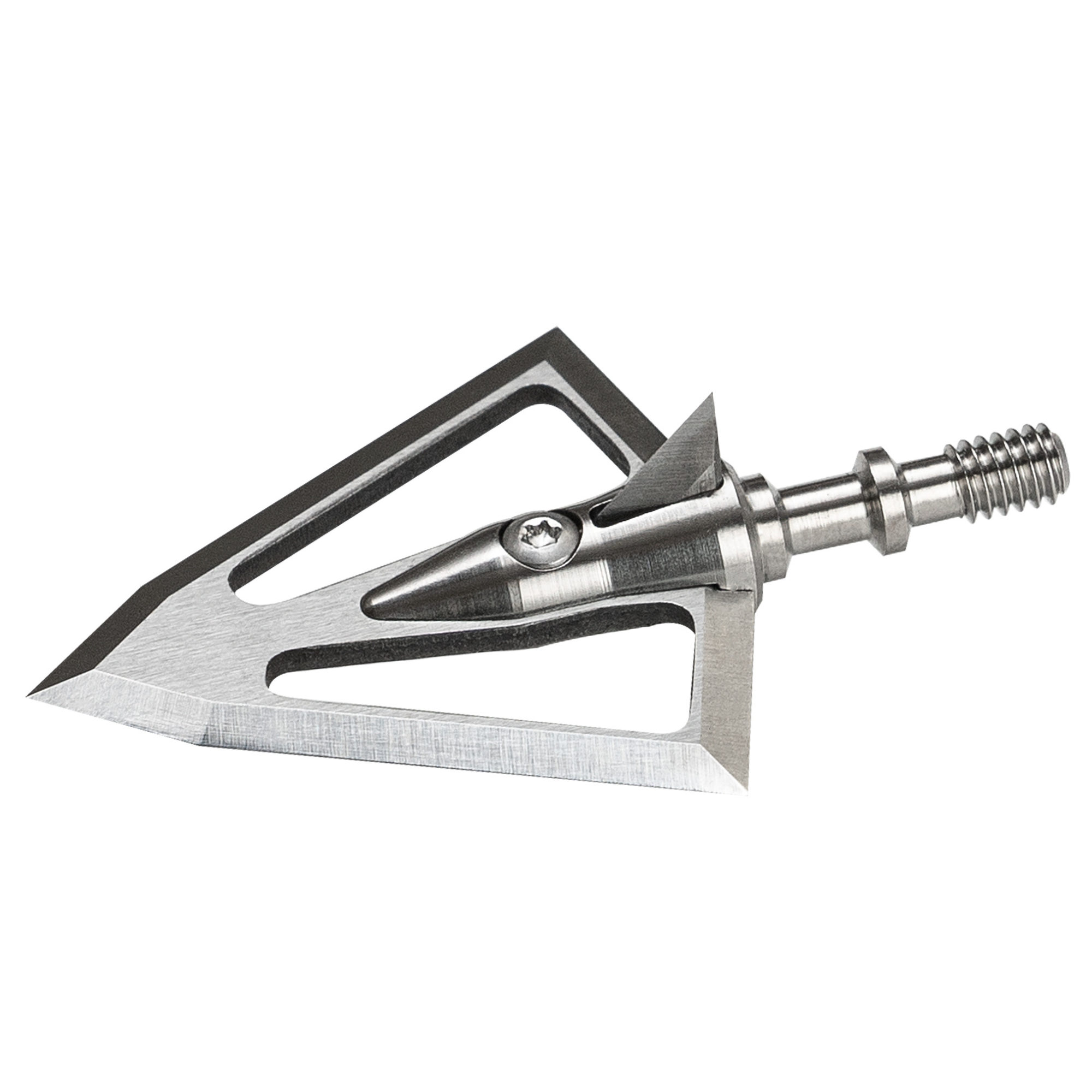
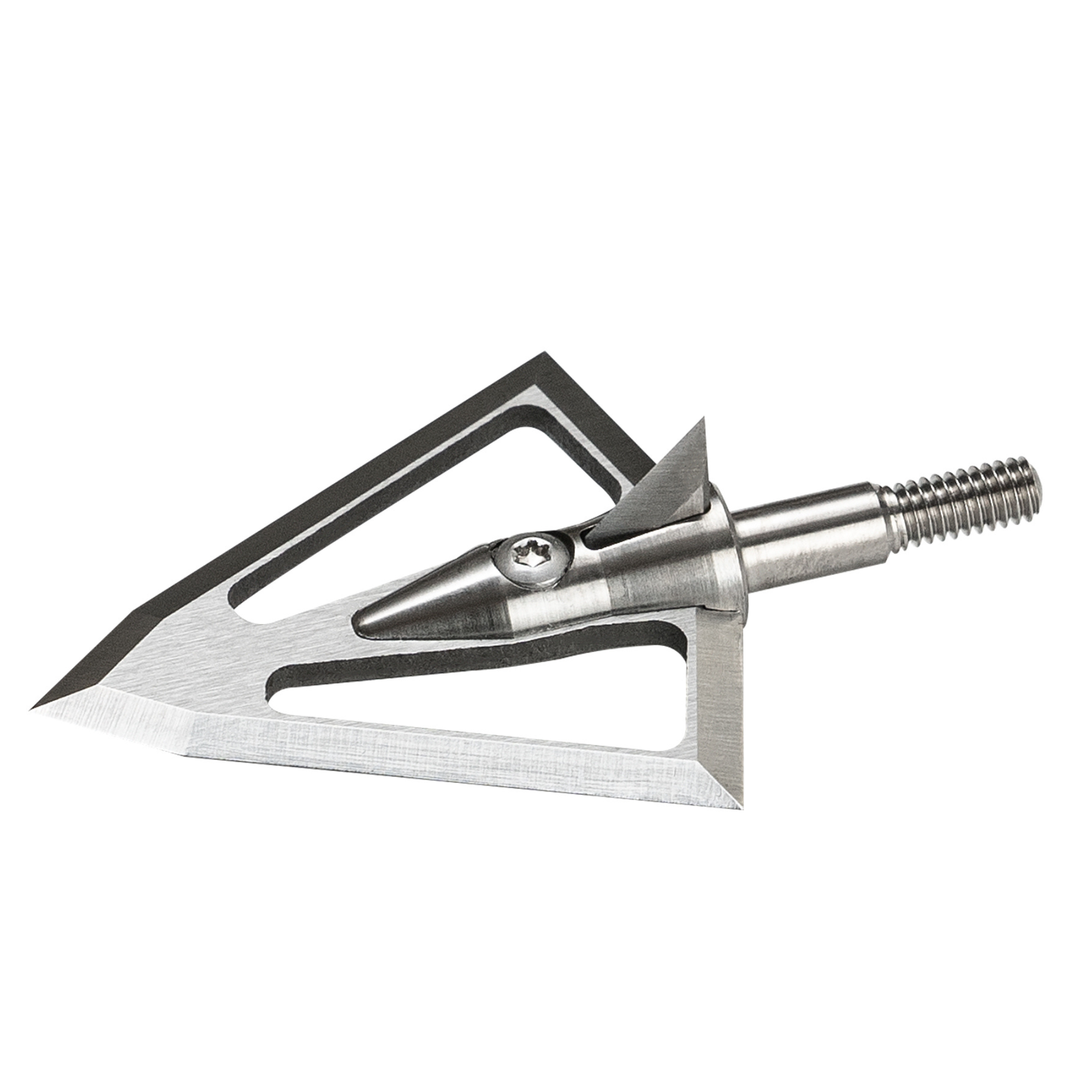
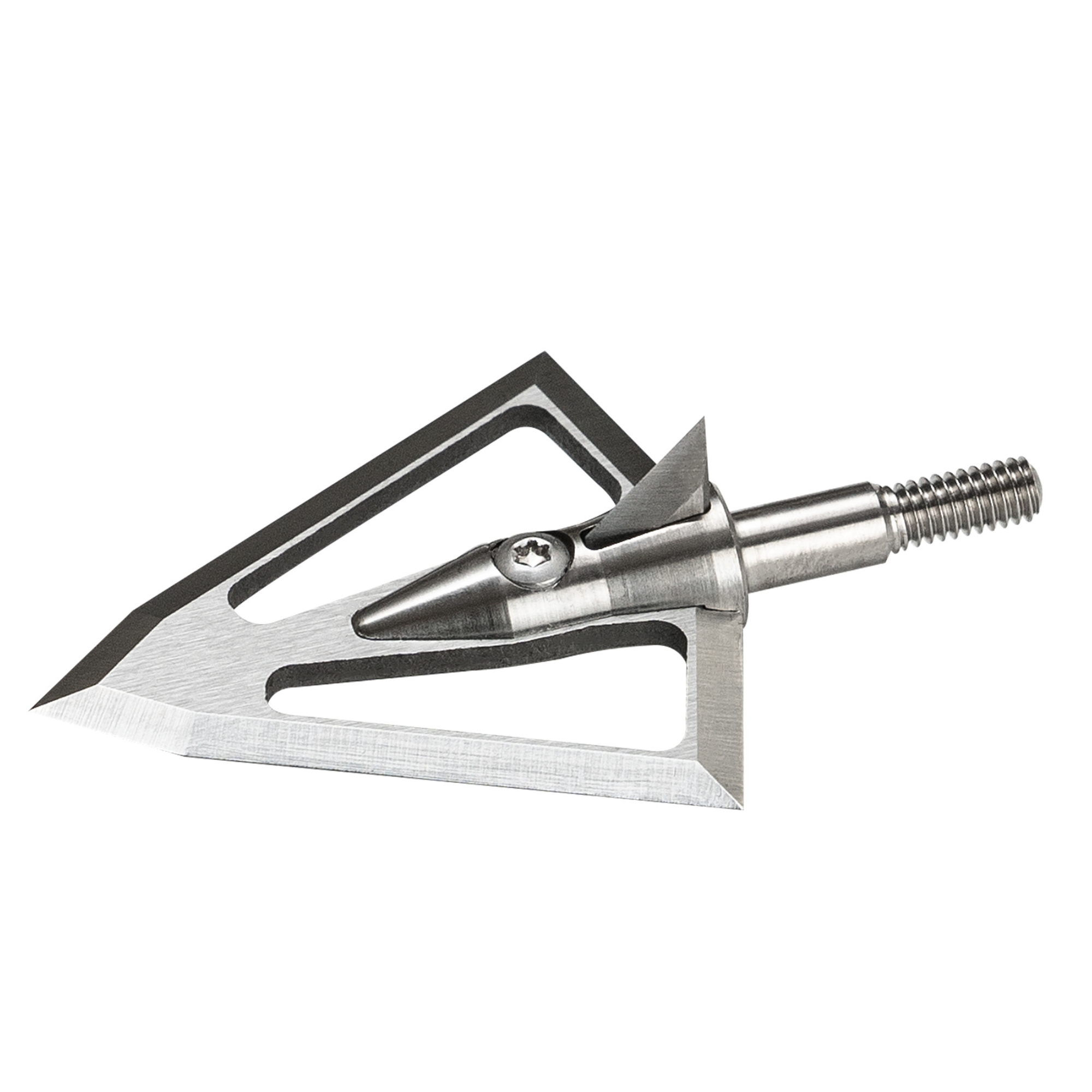
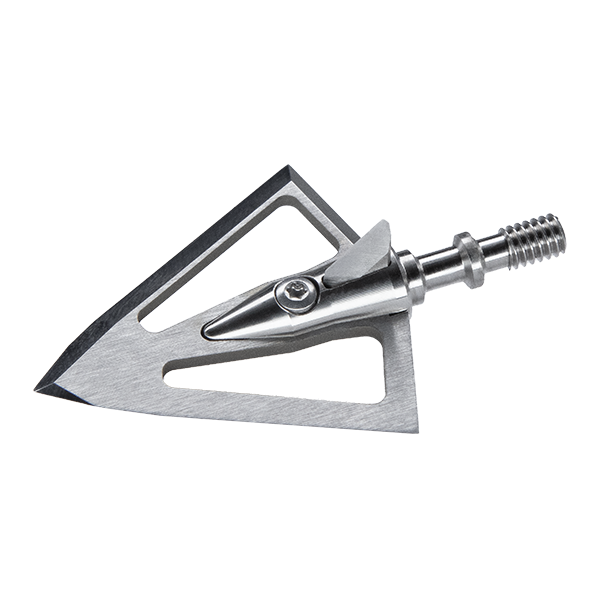
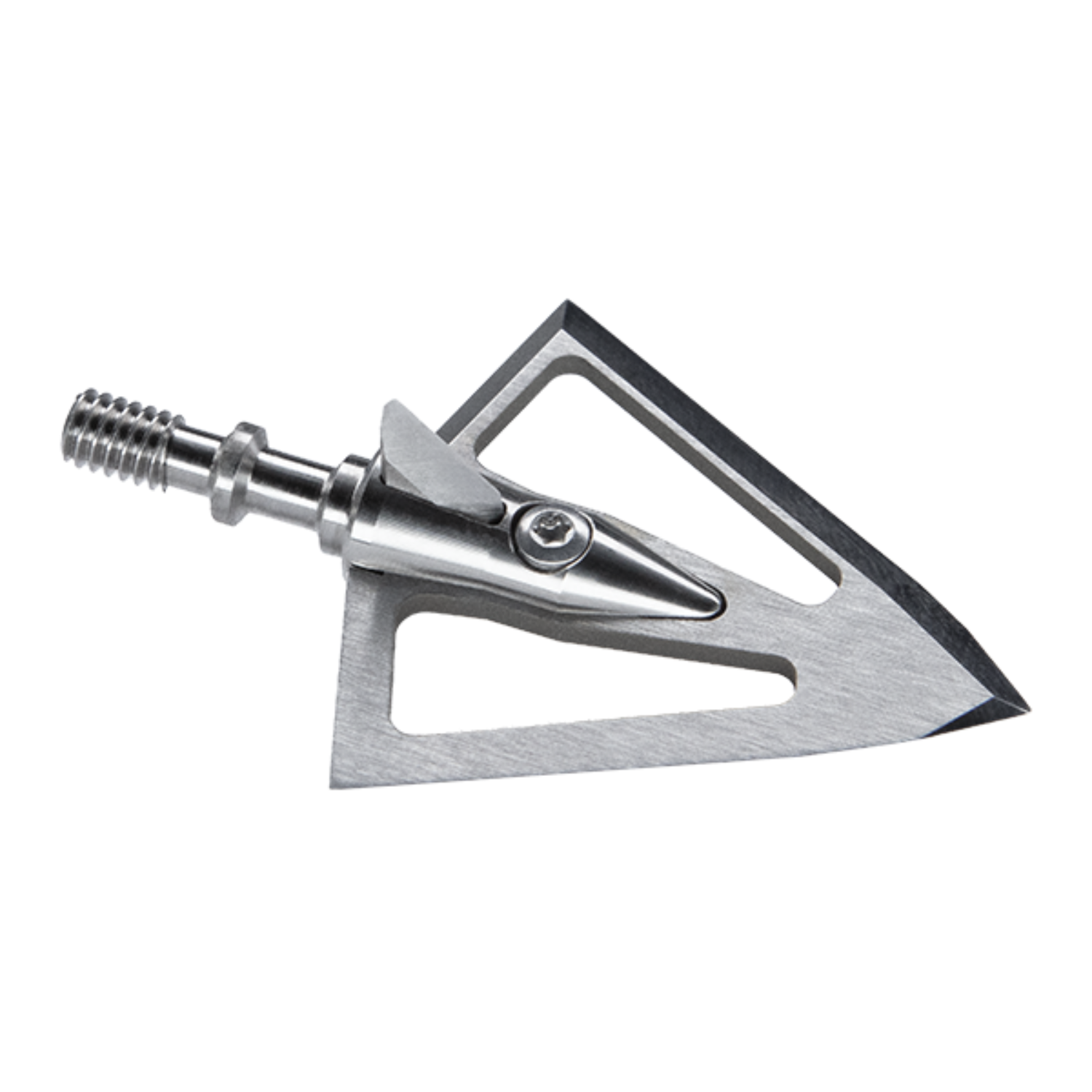
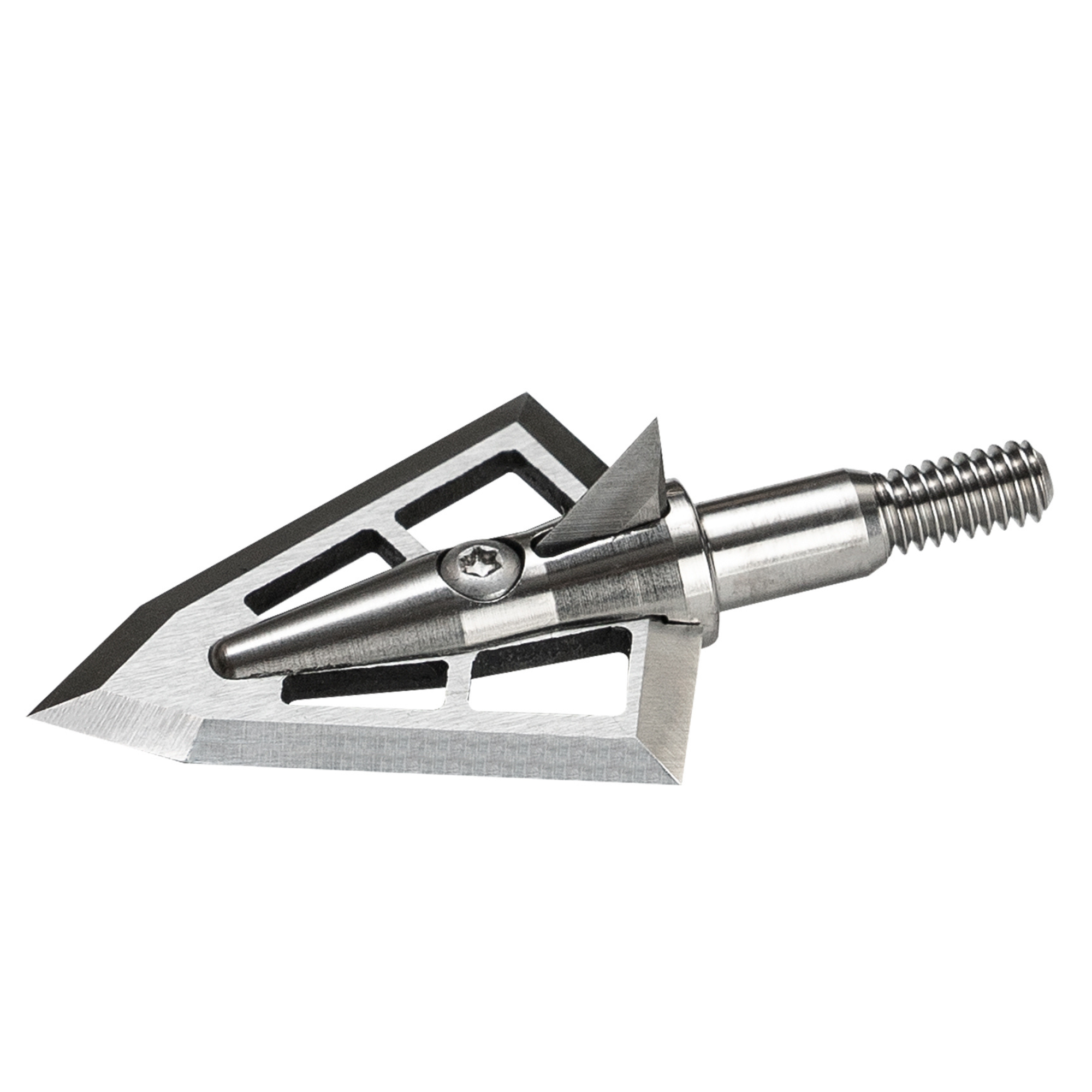
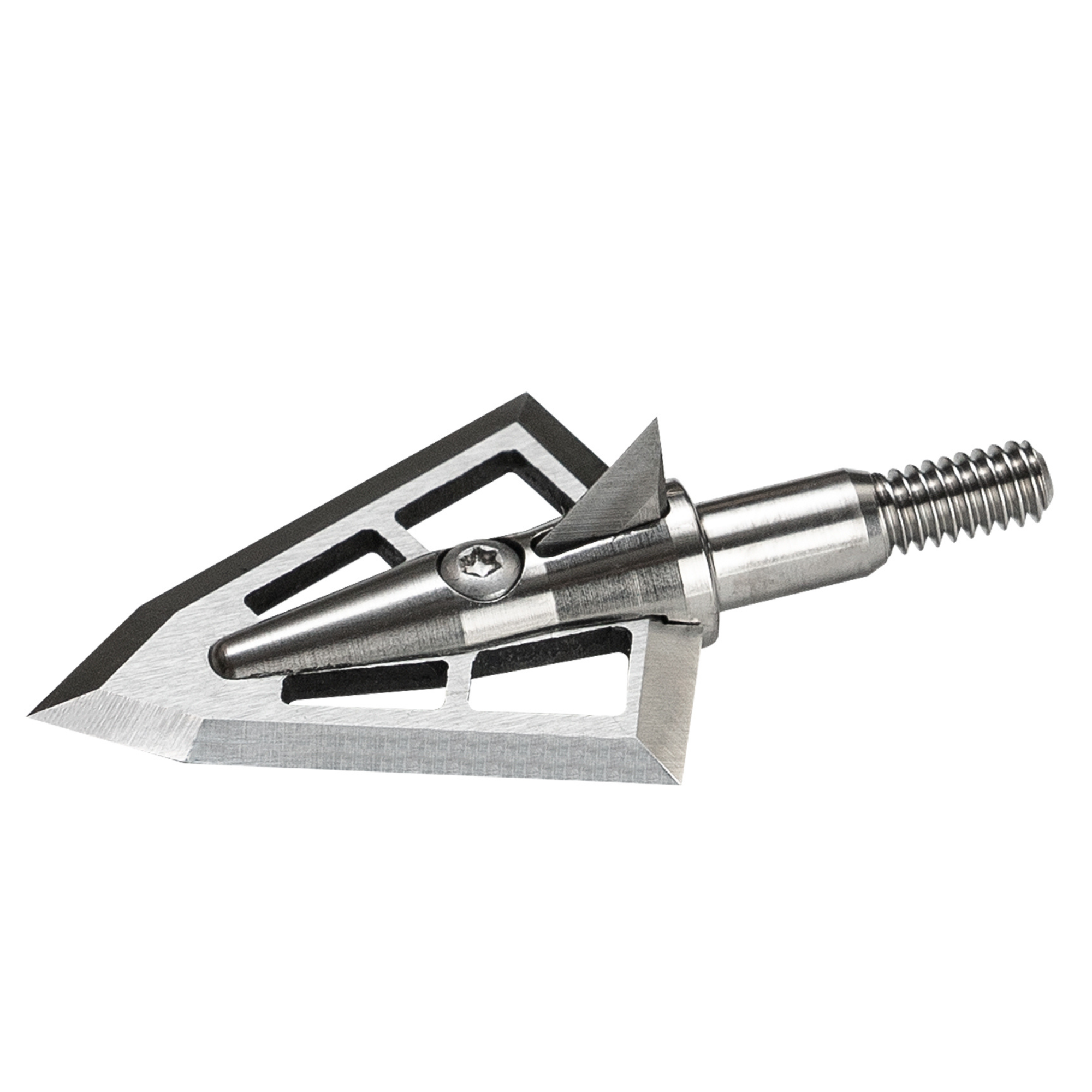
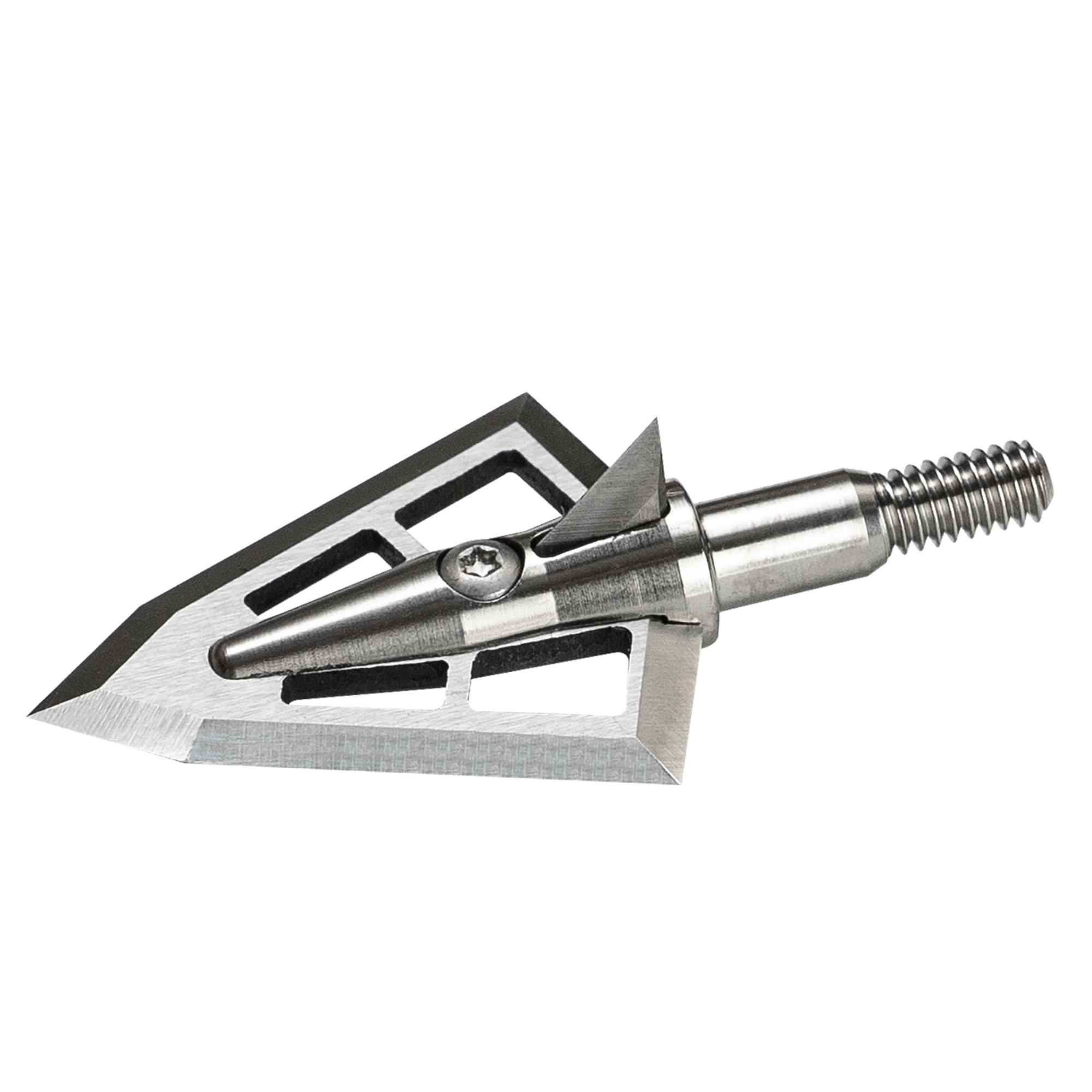
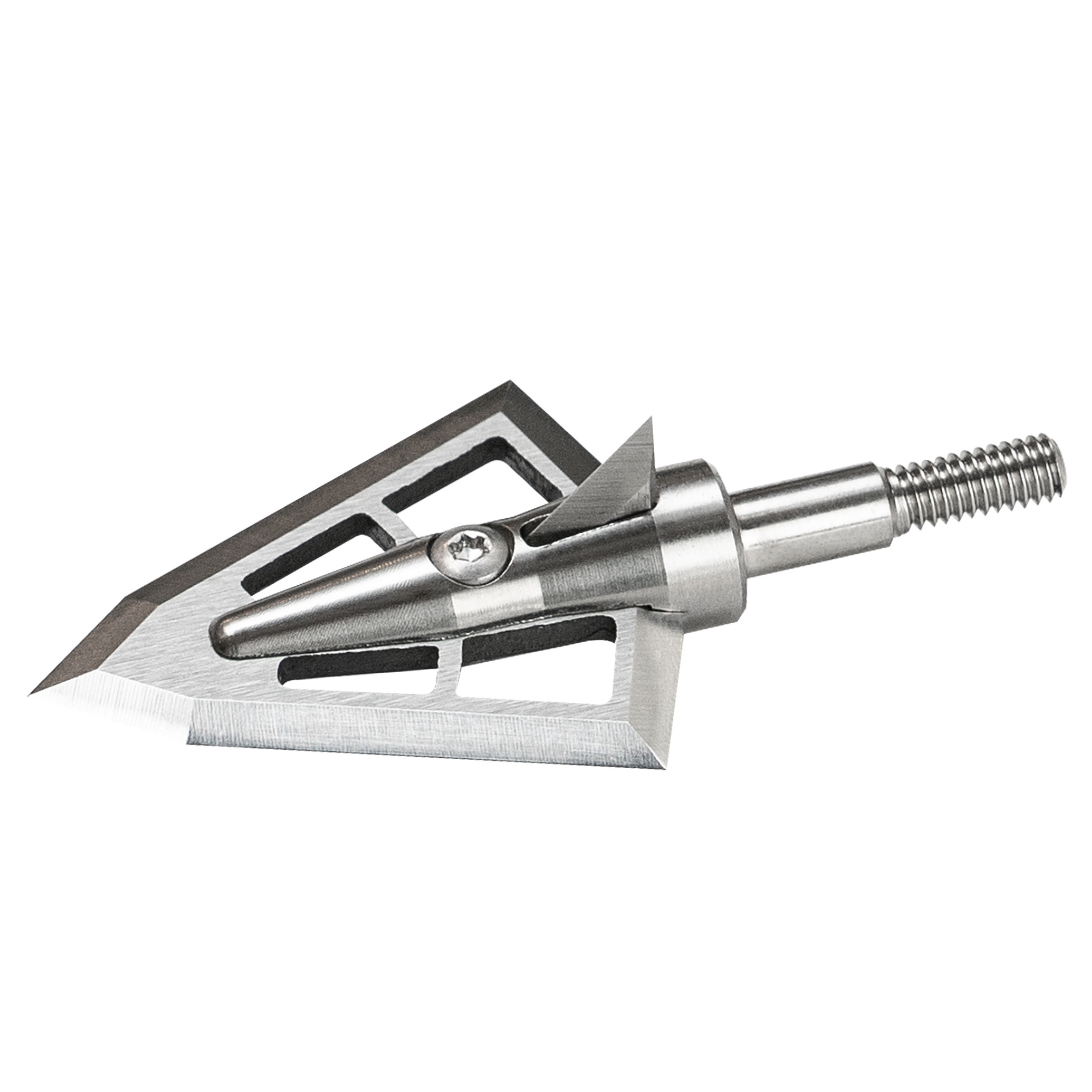
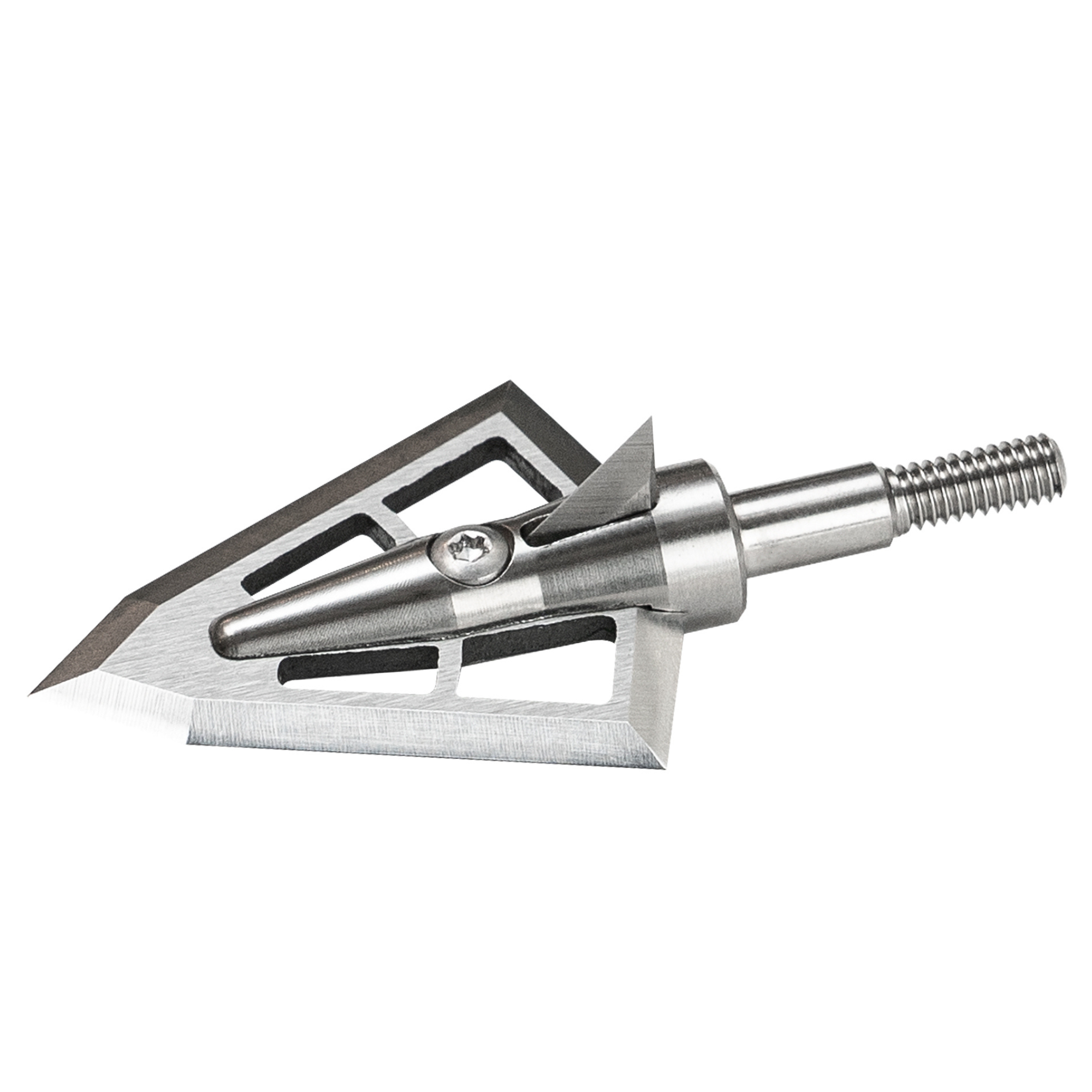
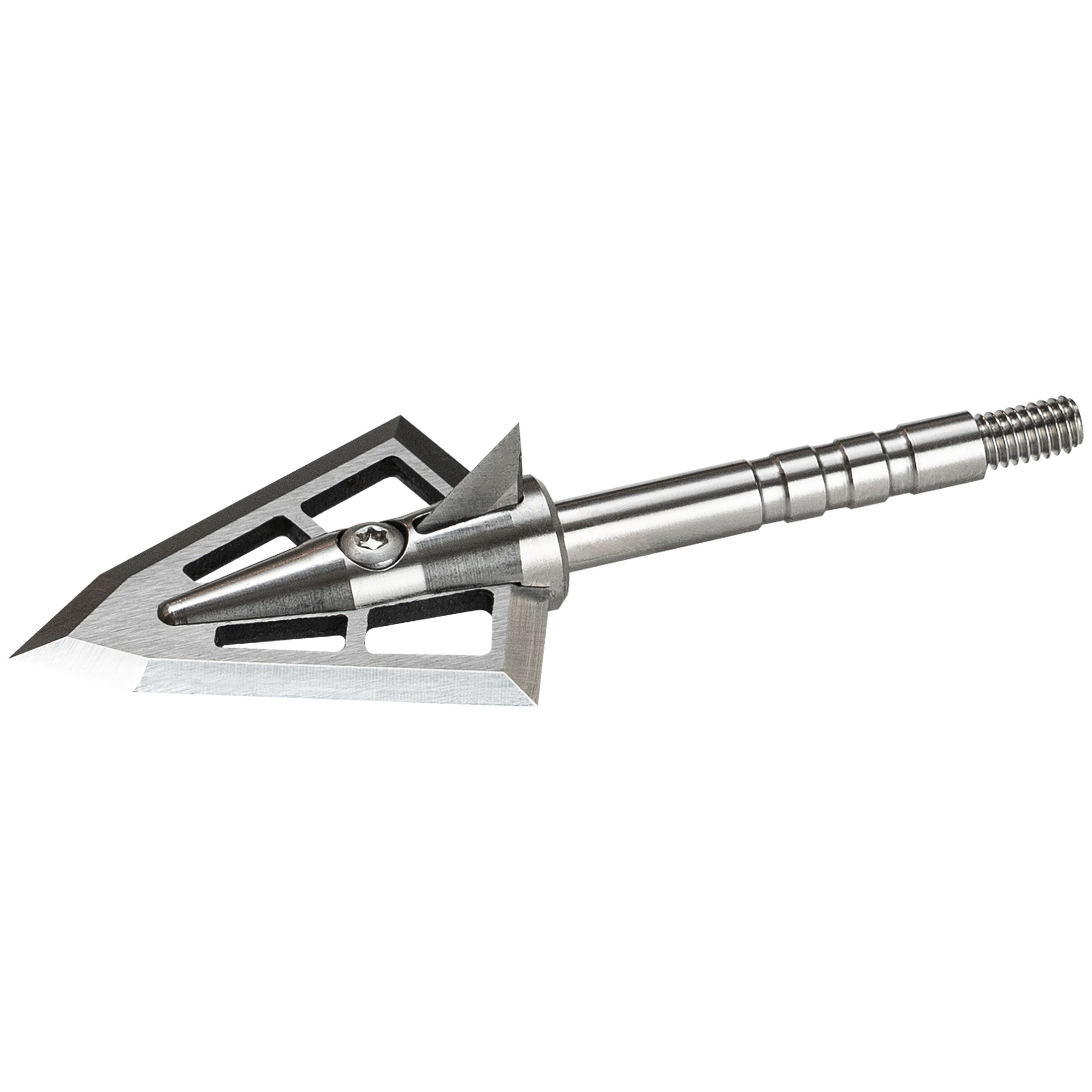
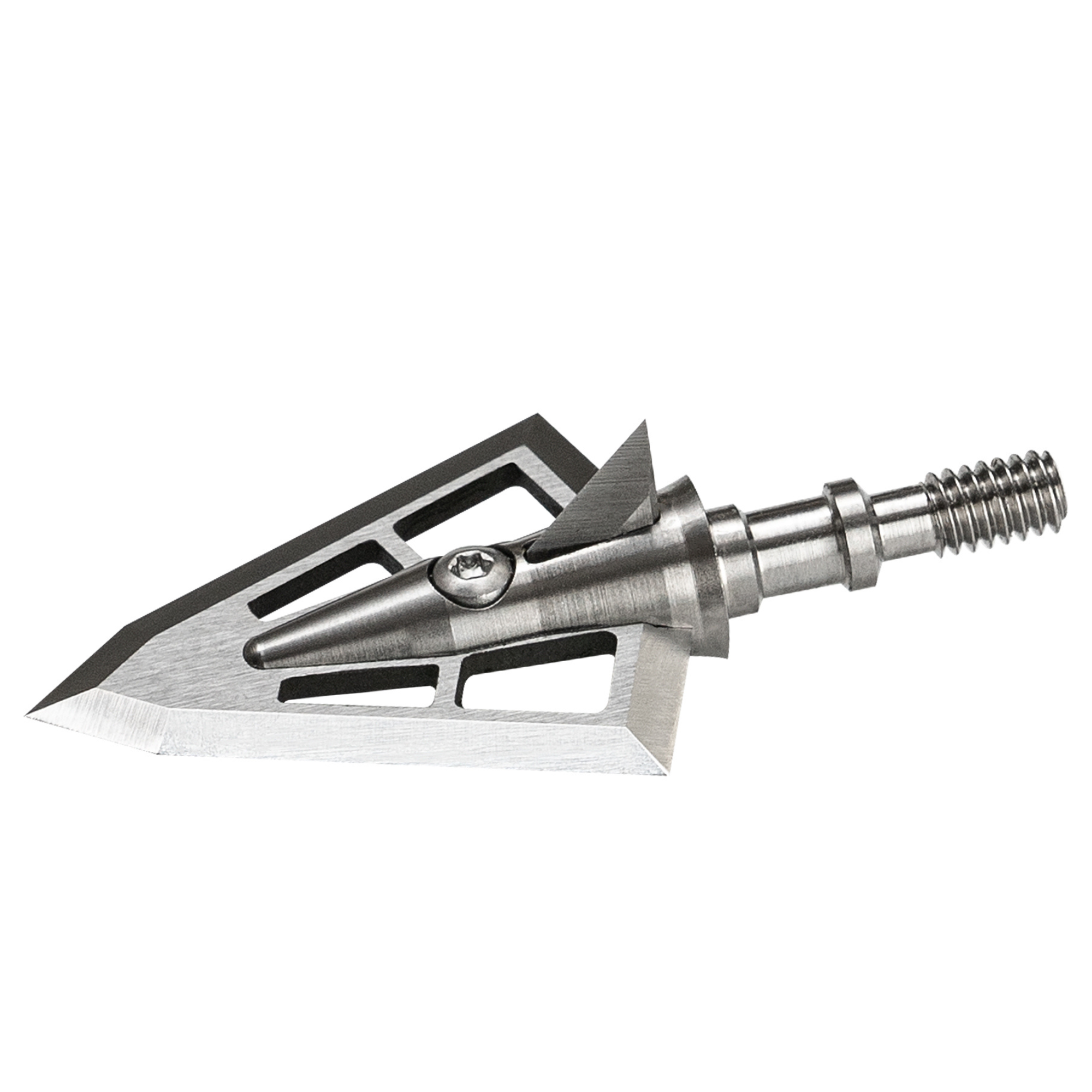
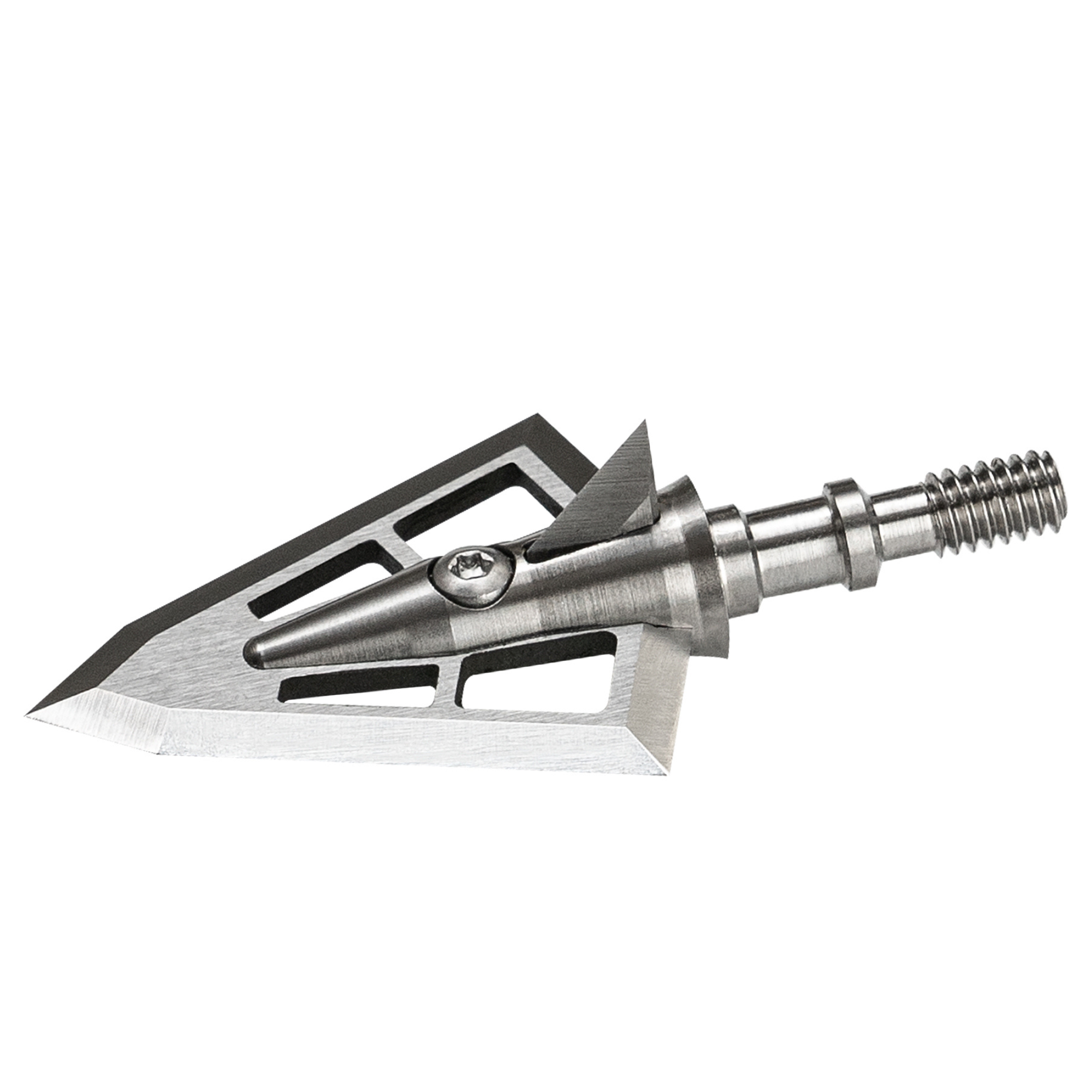
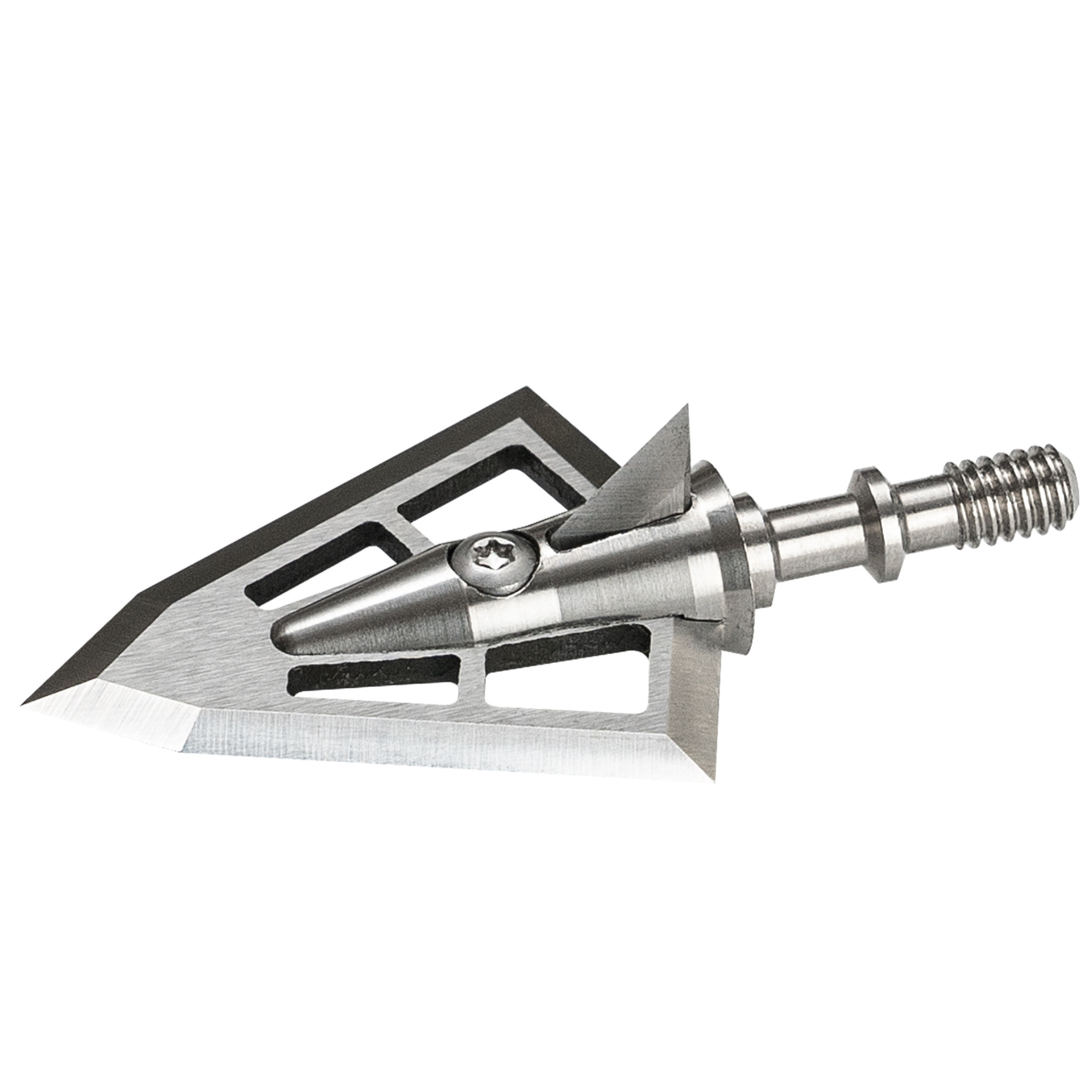
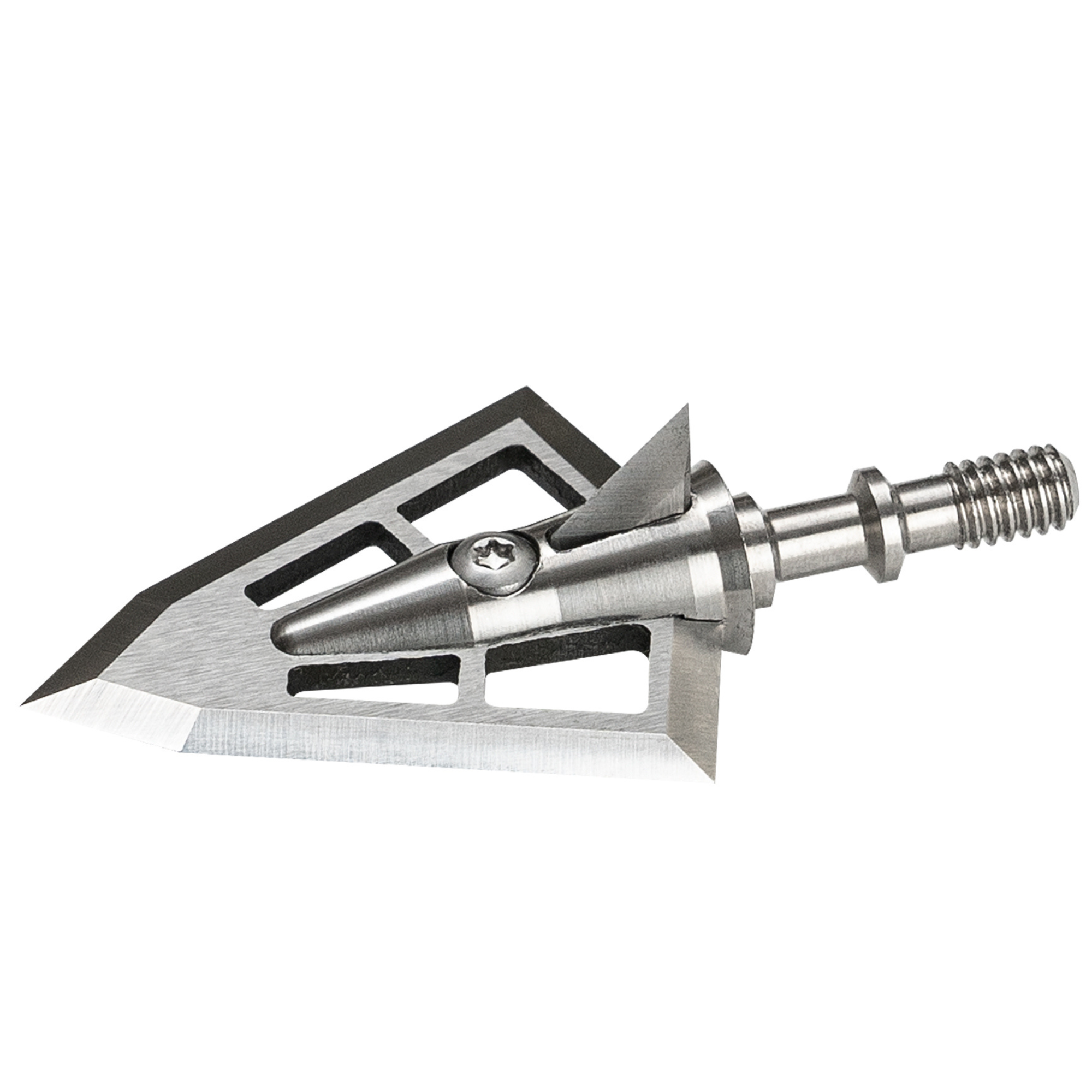
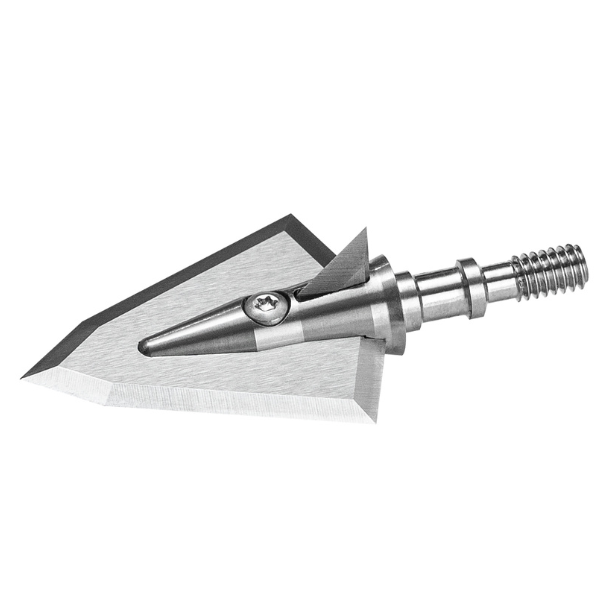
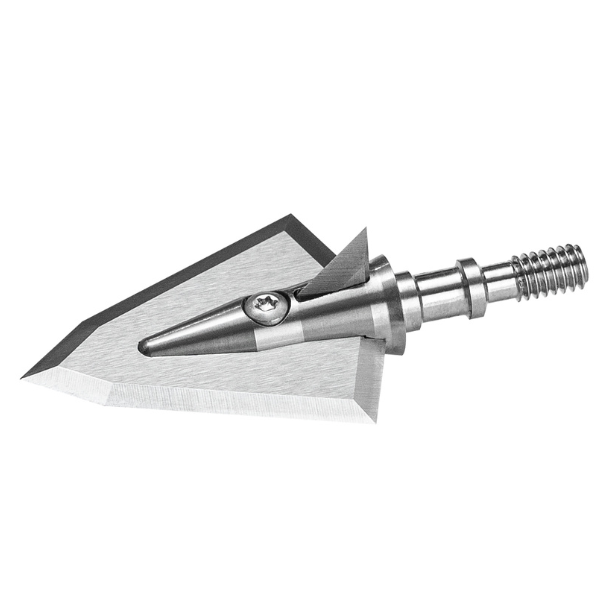
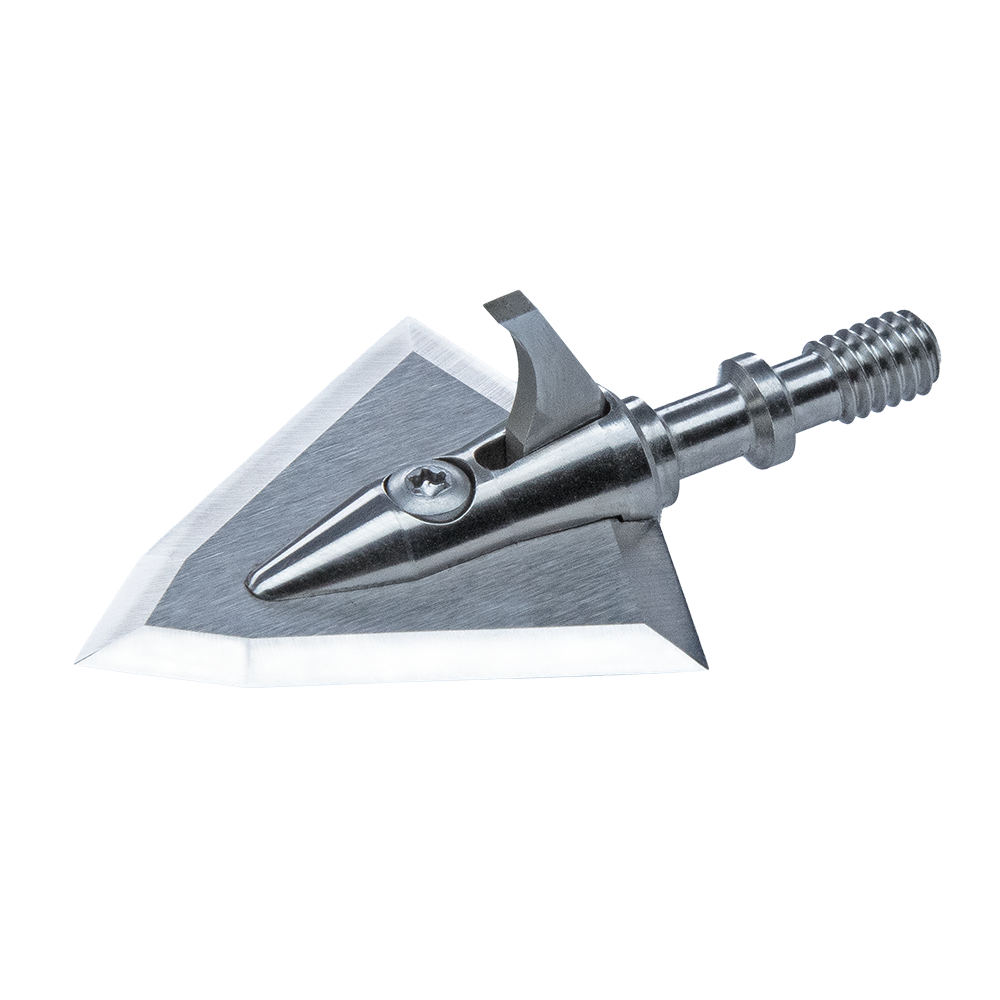
For bowhunters using single bevel broadheads, it’s important to understand the difference between right and left bevels—and how they pair with your arrow’s fletching.
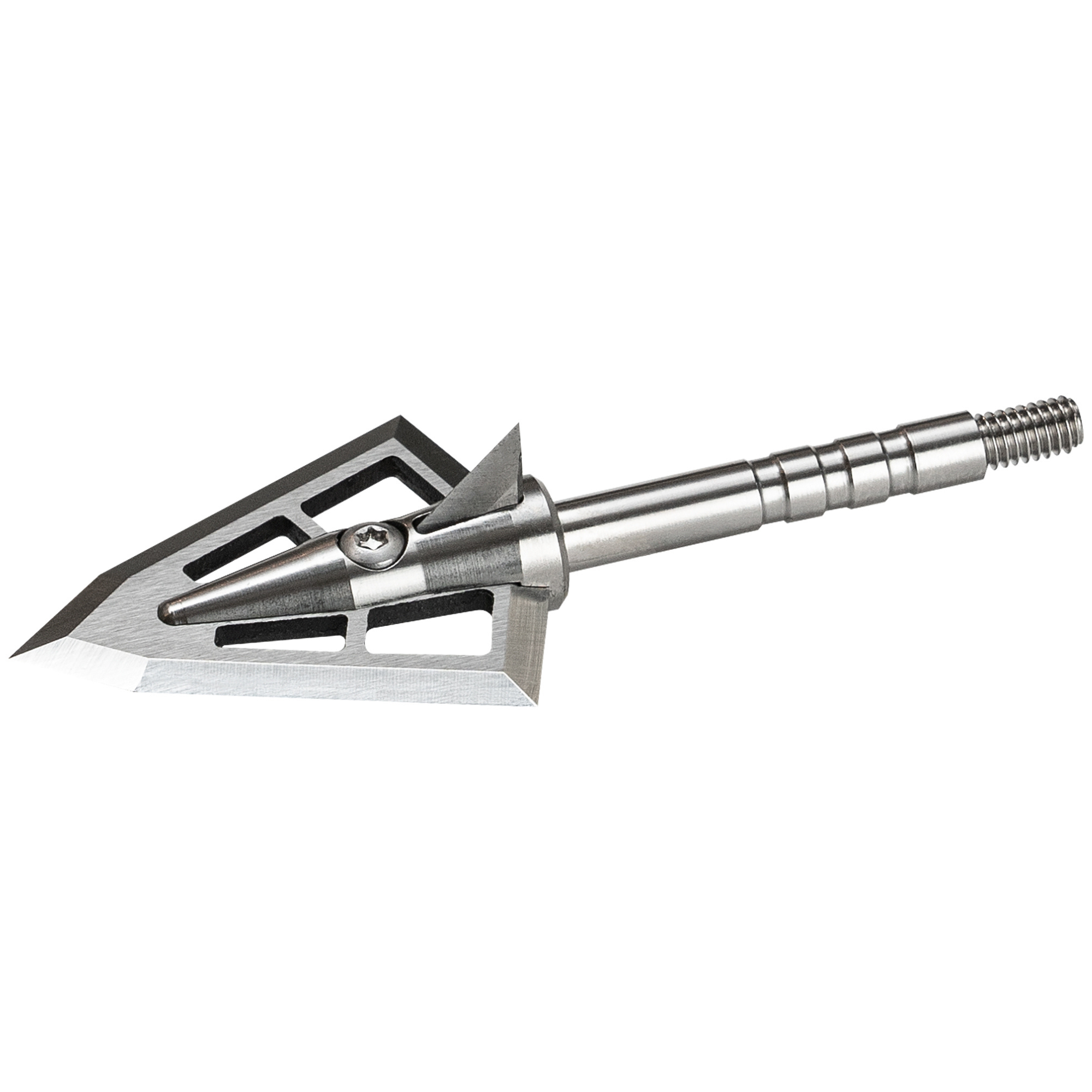
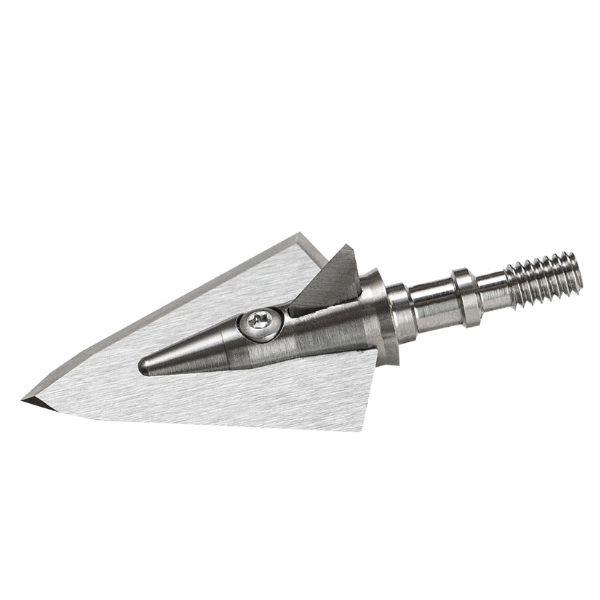
To determine whether a broadhead is right or left beveled, hold it upright and look at the edge. If the bevel is on the left side, it’s a left single bevel. If the bevel is on the right side, it’s a right single bevel.
A right single bevel produces a right (clockwise) rotation in flight and as it passes through an animal, when viewed from the back. This happens because pressure on the bevel and blade surfaces creates torque that drives rotation in that direction.
To maximize performance, your broadhead should match your arrow’s fletching. You can identify your fletching direction by looking at the arrow from the back. If the vanes angle to the right from front to back, it’s a right-fletched arrow. If they angle to the left, it’s left-fletched.
With a right-fletched arrow, airflow moving from front to back applies more pressure to the left side of the vane, causing the arrow to rotate clockwise (right rotation). With a left-fletched arrow, airflow pushes on the right side of the vane, creating a counterclockwise (left) rotation.
Because of this, a right-fletched arrow should be paired with a right single bevel broadhead, and a left-fletched arrow should be paired with a left single bevel. Matching these ensures the arrow’s rotational momentum continues through the animal.
If you mismatch them—for example, using a right-fletched arrow with a left single bevel—the arrow must stop its initial rotation upon impact and reverse direction. This costs energy and reduces efficiency. Ideally, you want that rotational energy to carry through the target, helping generate the torque needed for better penetration.
Understanding how bevel direction and fletching work together will help you choose the right setup and get the most performance out of your equipment.