Optimal Arrow Spin for Bowhunting Accuracy
Understanding the aerodynamic principles behind arrow rotation and how vane angle influences accuracy, drag, and broadhead flight.






For bowhunters seeking the most accurate arrow flight, arrow spin is an important aerodynamic factor. As an arrow travels downrange, controlled rotation helps average out small geometric asymmetries - such as slight shaft curvature, component misalignment, or broadhead imperfections - that could otherwise cause the arrow to deviate from its intended path. However, excessive spin is not beneficial. Higher spin rates increase aerodynamic drag and can reduce velocity while increasing wind drift. The goal is to achieve an optimal spin rate that minimizes the effects of asymmetries without introducing unnecessary drag penalties.
Watch below as Iron Will Owner and Chief Engineer Bill Vanderheyden explains what bowhunters need to know to achieve this optimal arrow spin.
In this article, we're going to discuss optimal vane angle and arrow spin for bow hunters. As your arrow leaves the bow, you want to have your vanes mounted at some angle so the airflow across it creates higher pressure on one side than the other, which makes your arrow spin.
The reason bow hunters should desire for their arrow to spin is because it will average out any asymmetries. If your arrow isn't perfectly straight, if your components aren't perfectly concentric, the point is pointing off to one side or the other - any of those things can cause your arrow to move off to one side if the arrow's not rotating. If the arrow is rotating, it can still open up your groups, but it's not going to cause it to just drift off and go further and further off target as it flies downrange.
There's a misconception out there that arrow spin-up creates stability, and that a very high spin rate will make an arrow fly better and more stable. That's not actually what the science shows. Stability is achieved by having more lift, or restoring torque, from the vanes, compared to the front of the arrow. An arrow can be stable without spinning at all. Spinning simply averages out any asymmetries.
A very high spin rate will slow your arrow down, increase drag, and increase wind drift. Bow hunters shouldn't desire an extremely high spin rate, but just enough spin to make sure they're averaging out the asymmetries for more accurate flight.
How much spin-up is enough? Through our university testing with the University of Colorado College of Engineering, we empirically tested over a dozen different vanes. What we found is that a two to three degree angle, either offset or helical, creates a good amount of rotation to average out those asymmetries. This creates more than one rotation per arrow length as the arrow flies downrange. Going above three degrees adds more drag and drop in the arrow than necessary. Also as you go down below two degrees towards one degree, bow hunters risk not getting enough spin in the arrow.
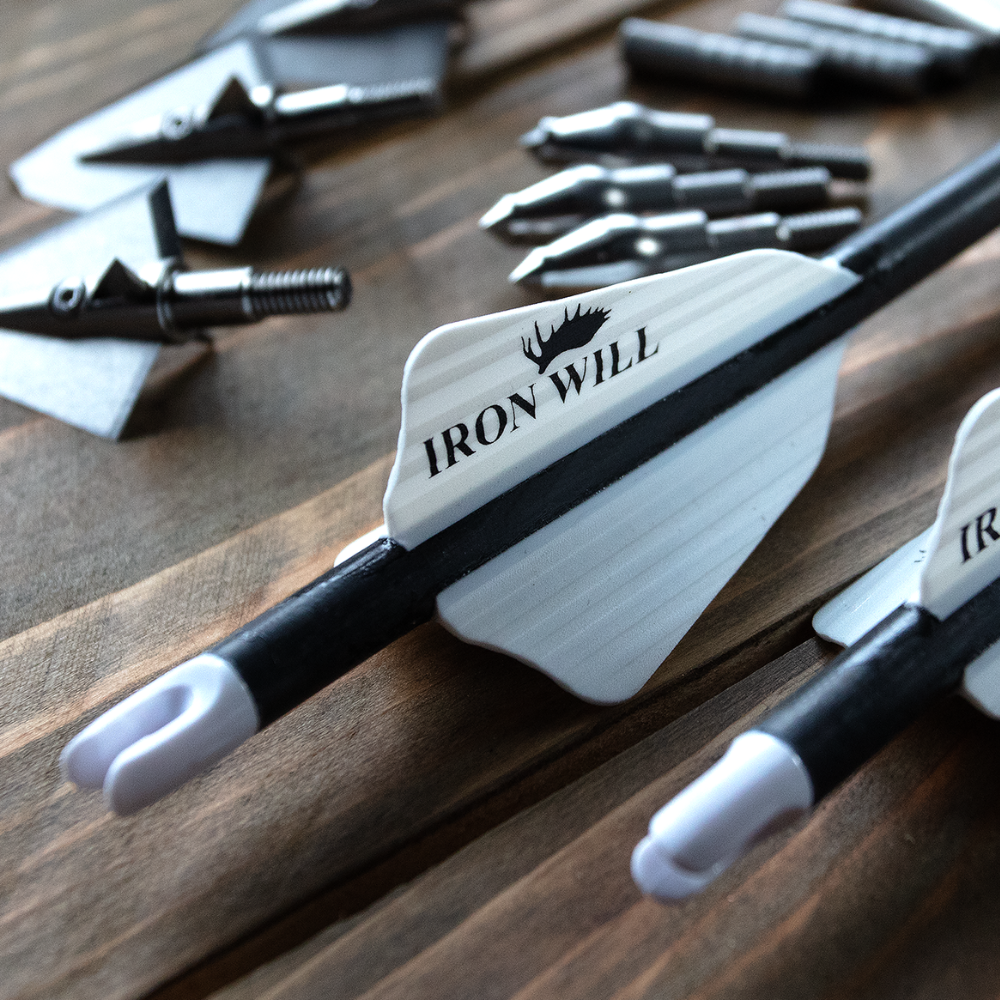
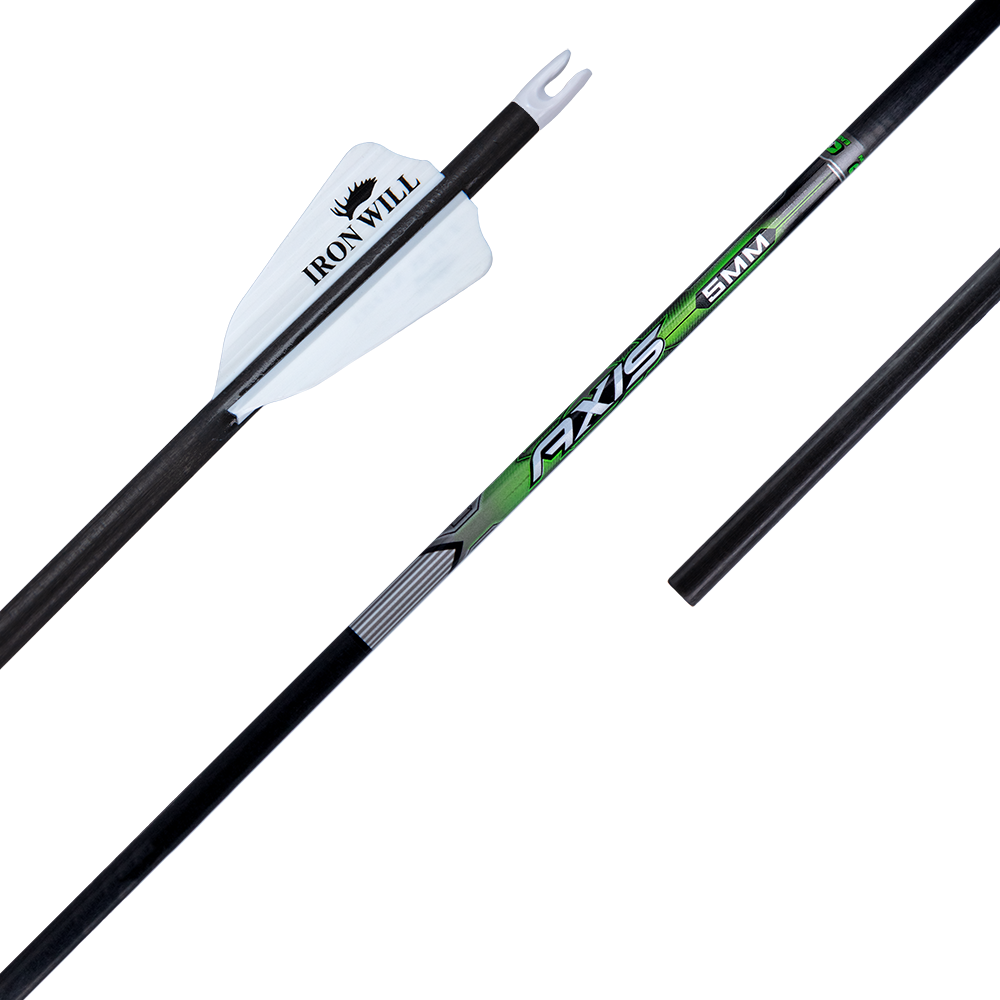
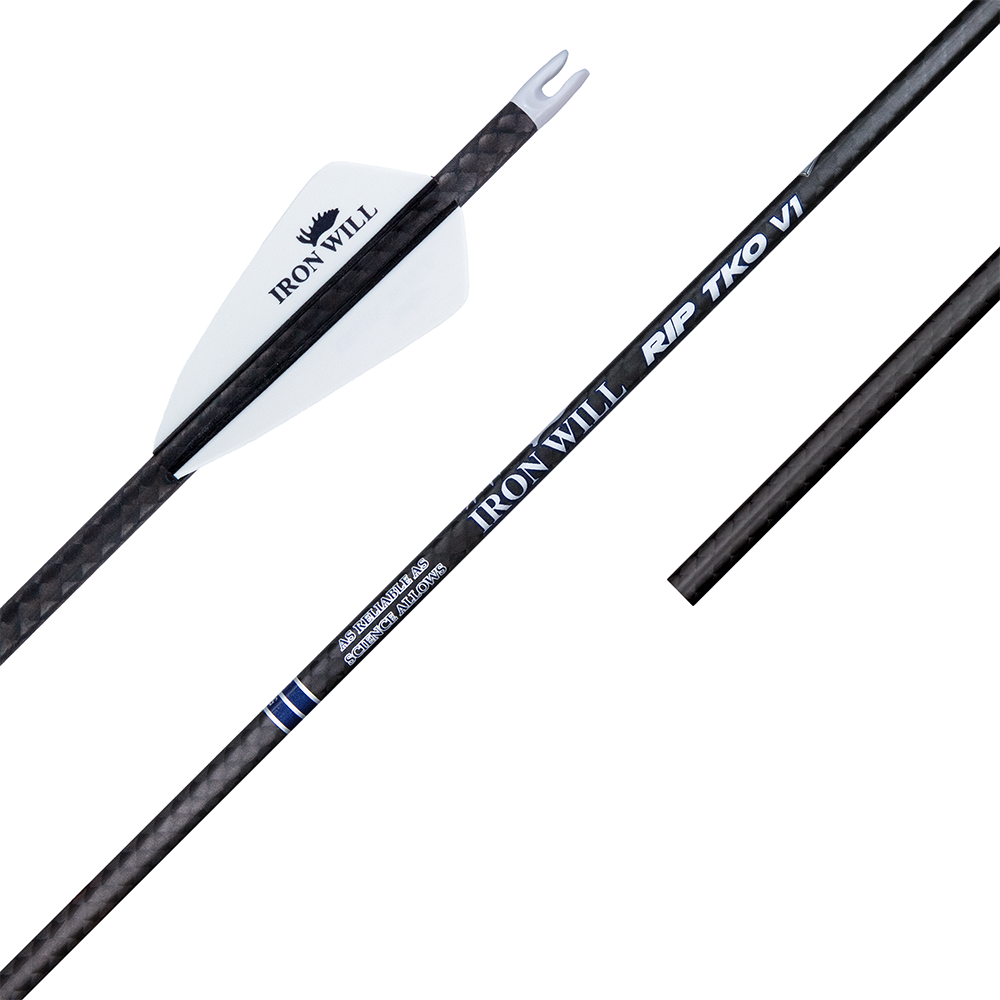
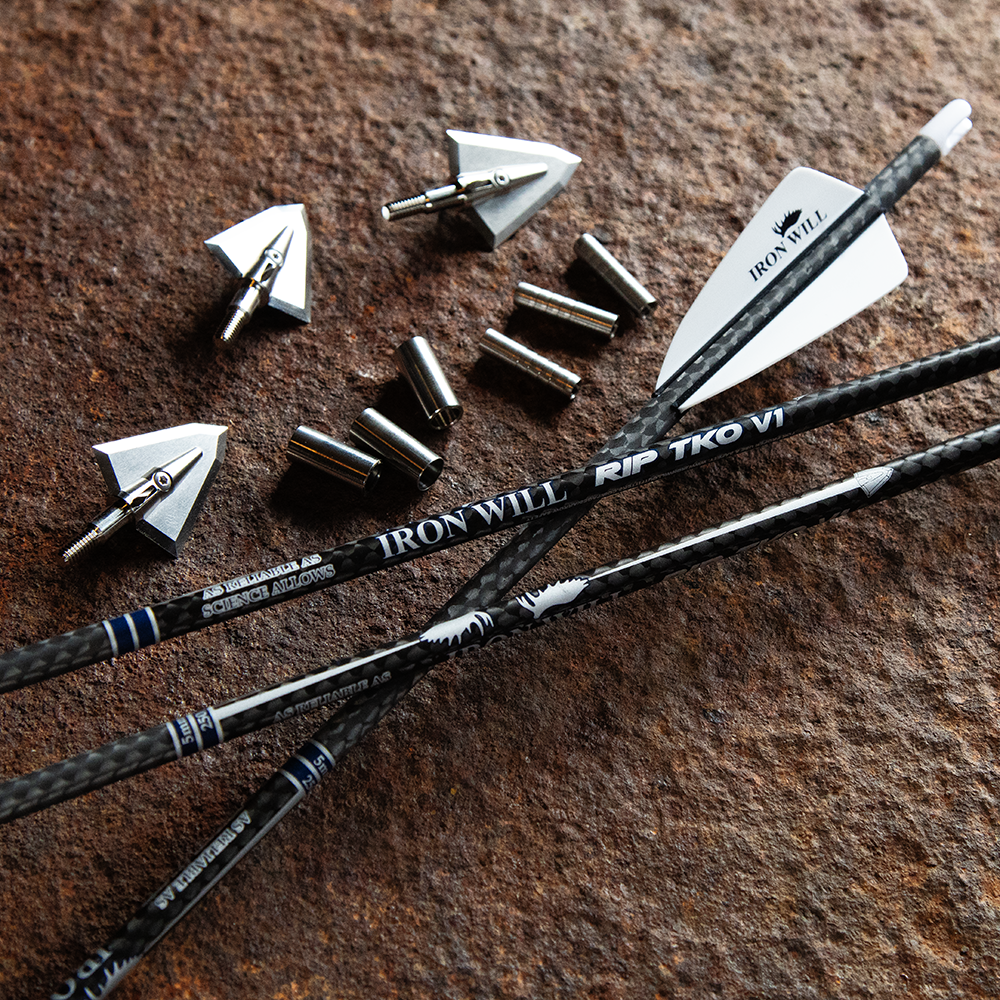
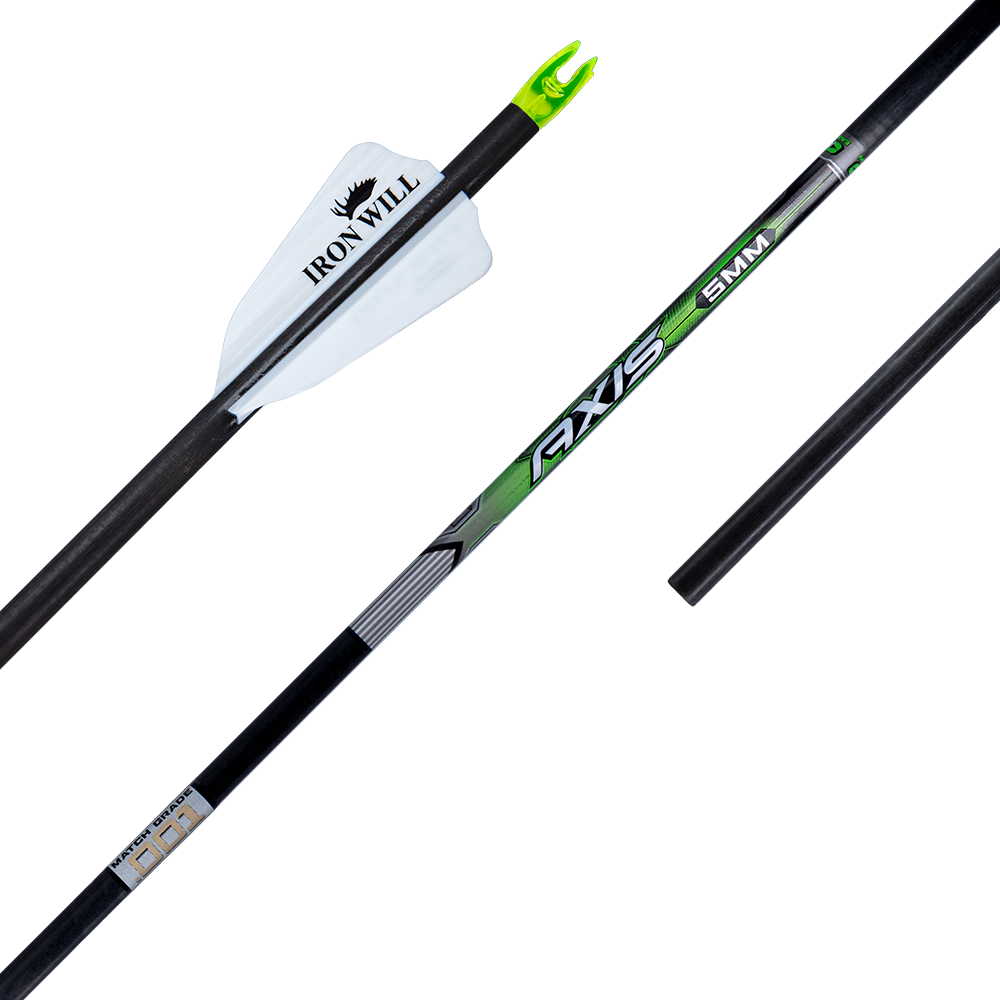
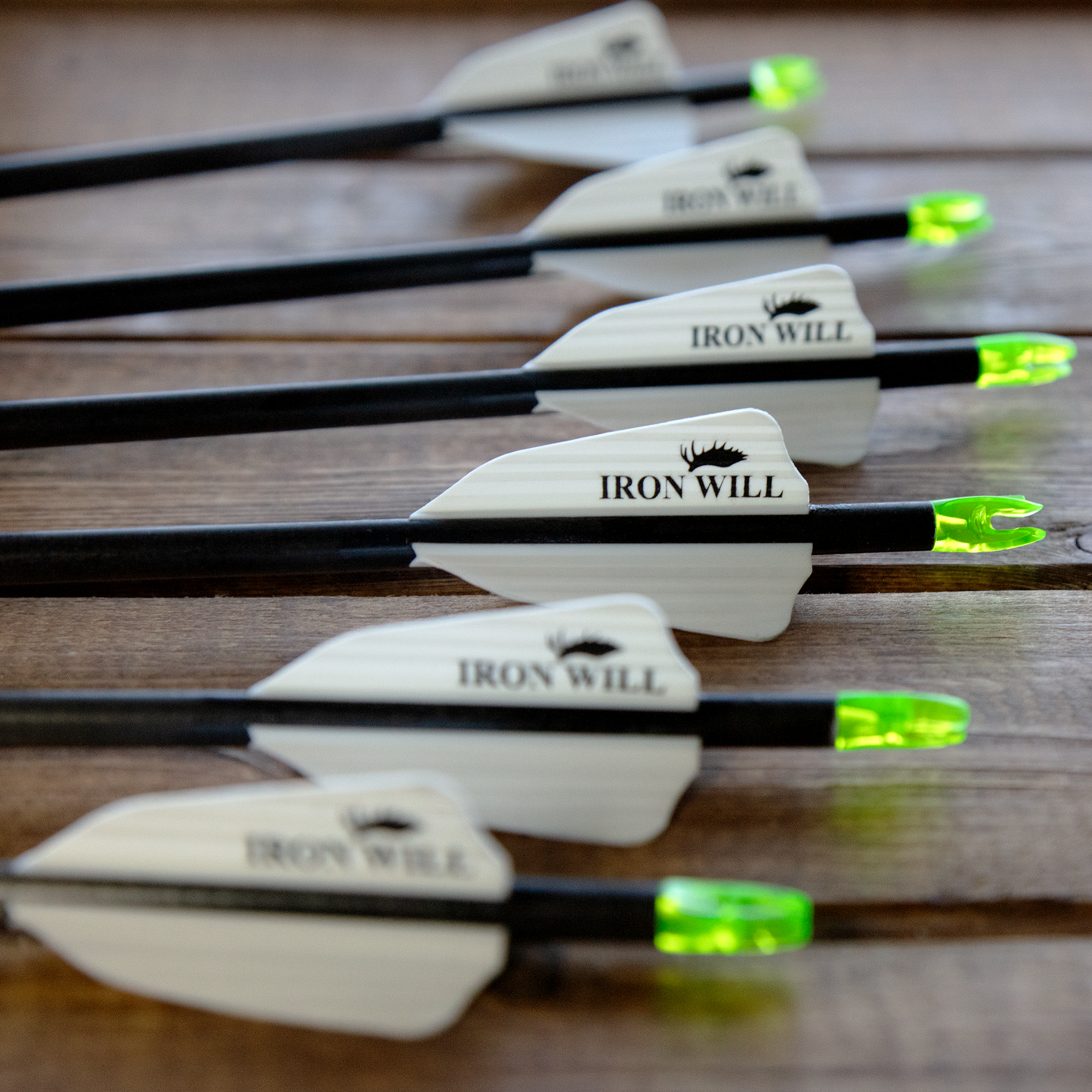
Overall, our recommendation for getting good flight in your hunting arrow setup with a broadhead on the front is to use three vanes, at least a half inch high each, with two to three degree offset or helical.
We hope this improves your understanding of optimal vane angle and arrow spin.