HOW TO
Choose the Ideal Broadheads for Your Next Bow Hunt






Choosing the right broadhead is one of the most important decisions a bowhunter can make. Factors such as bevel design, bleeder blades, cutting diameter, penetration, and shot distance all influence broadhead performance in the field. Understanding these differences can help you select the optimal broadhead that matches your hunting style, target species, and expected shot opportunities.
In this video, Iron Will Owner and Lead Engineer Bill Vanderheyden explains the key differences between Single Bevel and Double Bevel broadheads, the advantages of bleeder blades, and when to choose standard, Wide Series, SLR, or Buff Series broadheads. You'll gain practical insights from real-world hunting experience to help you confidently choose the best broadhead for your next hunt. So when you release an arrow, you'll know your broadhead has the ideal characteristics to finish the job.
Choosing the right broadheads for your next hunt can make or break your experience.
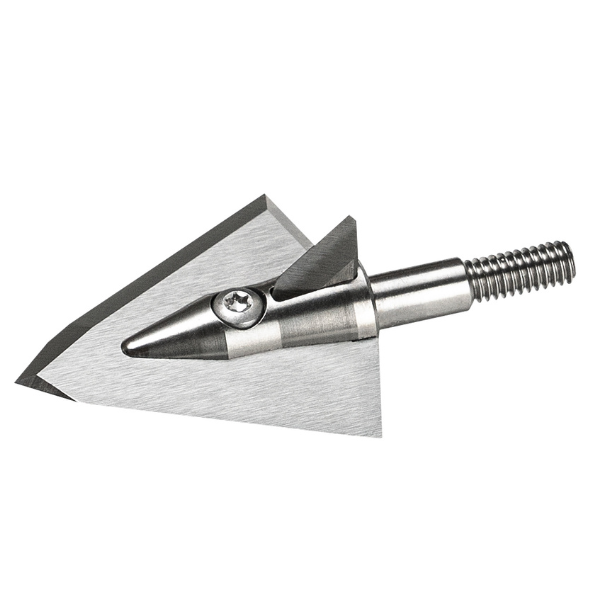
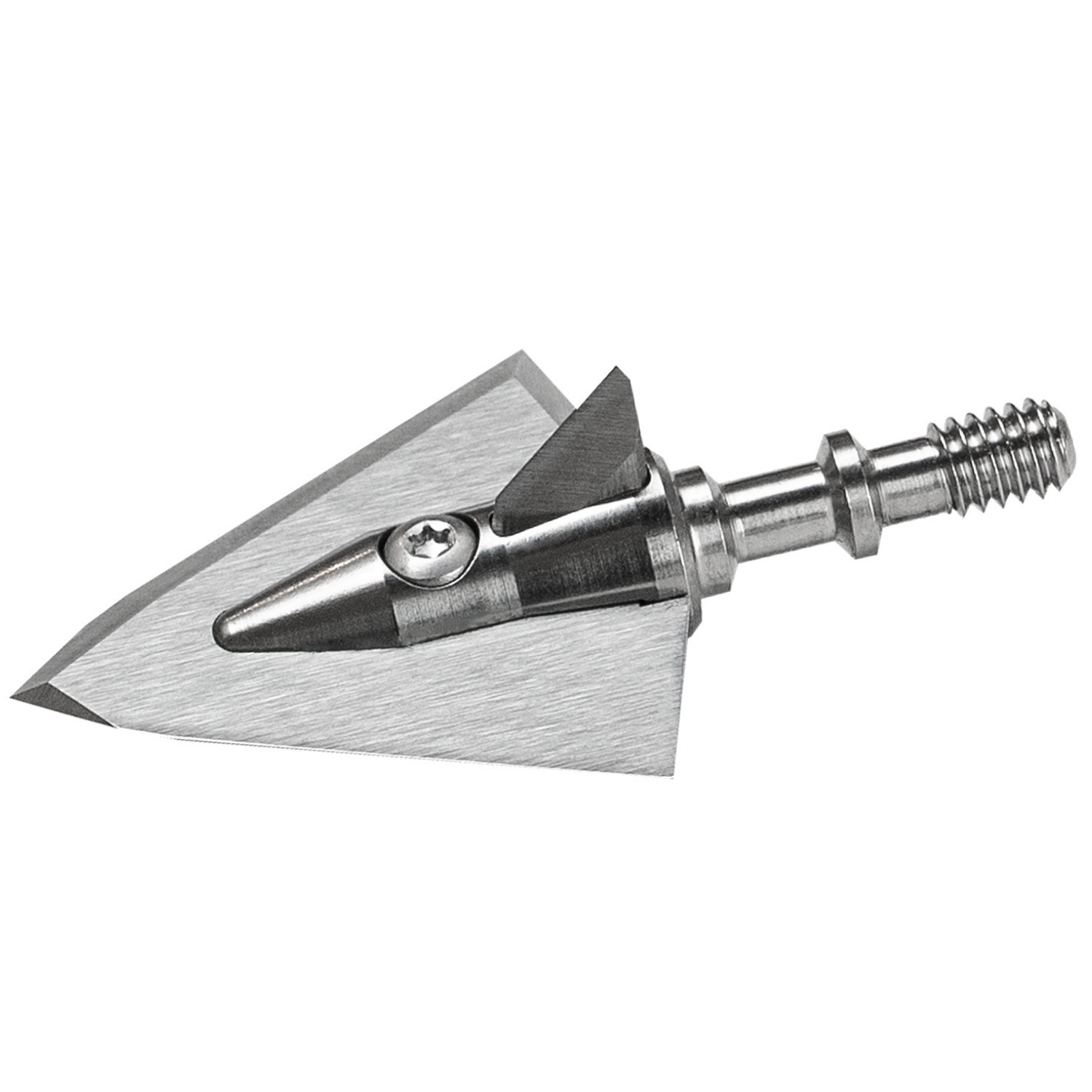
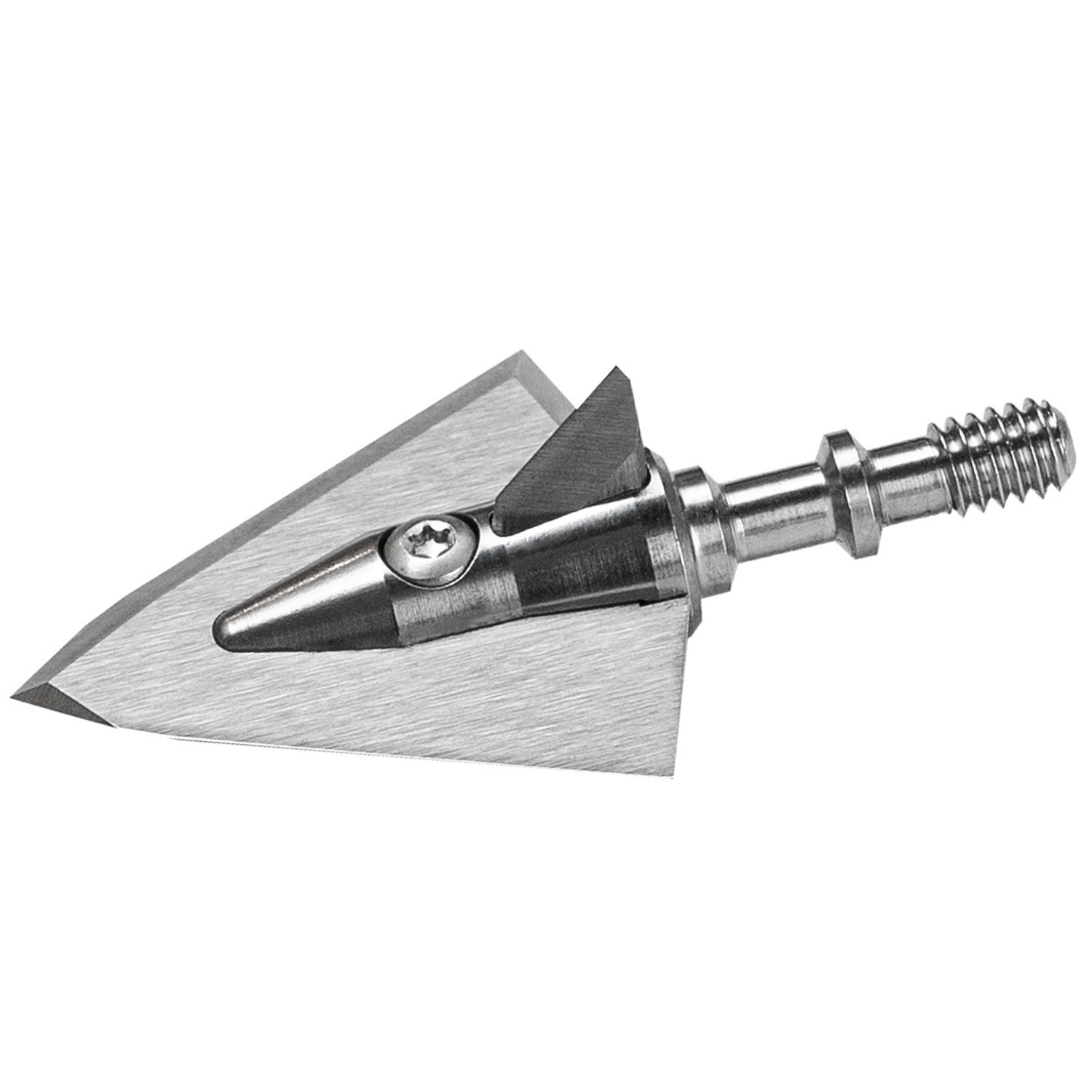
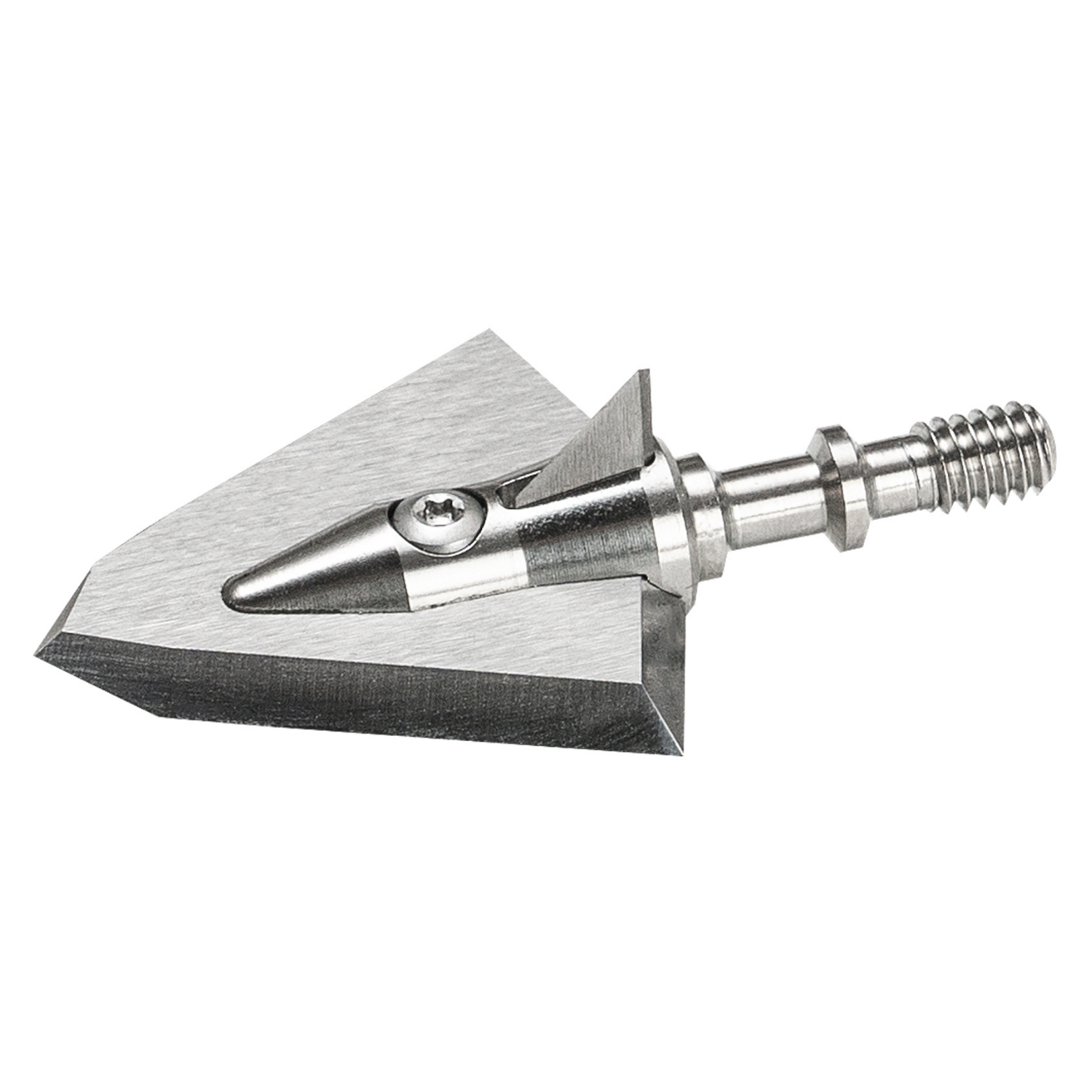
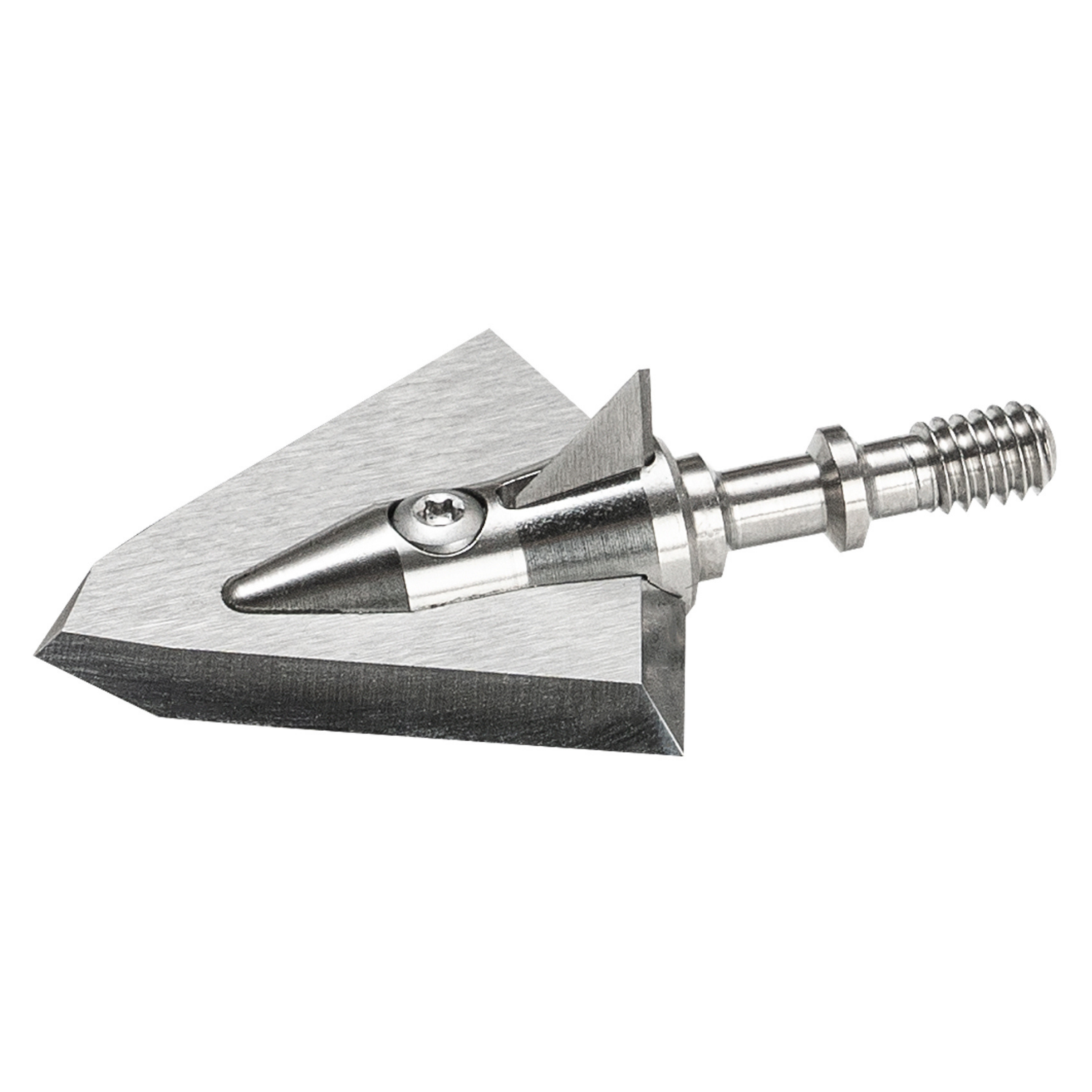
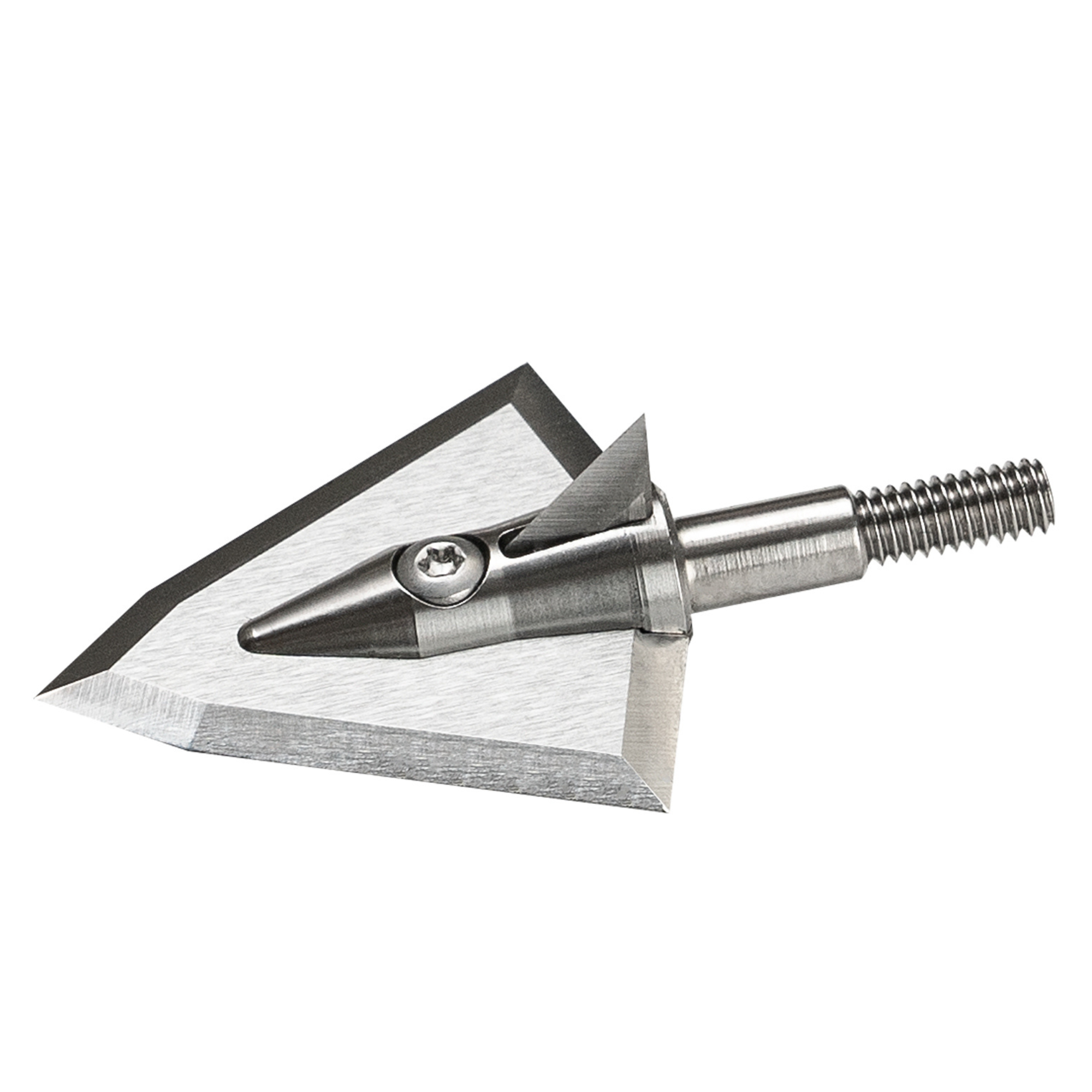
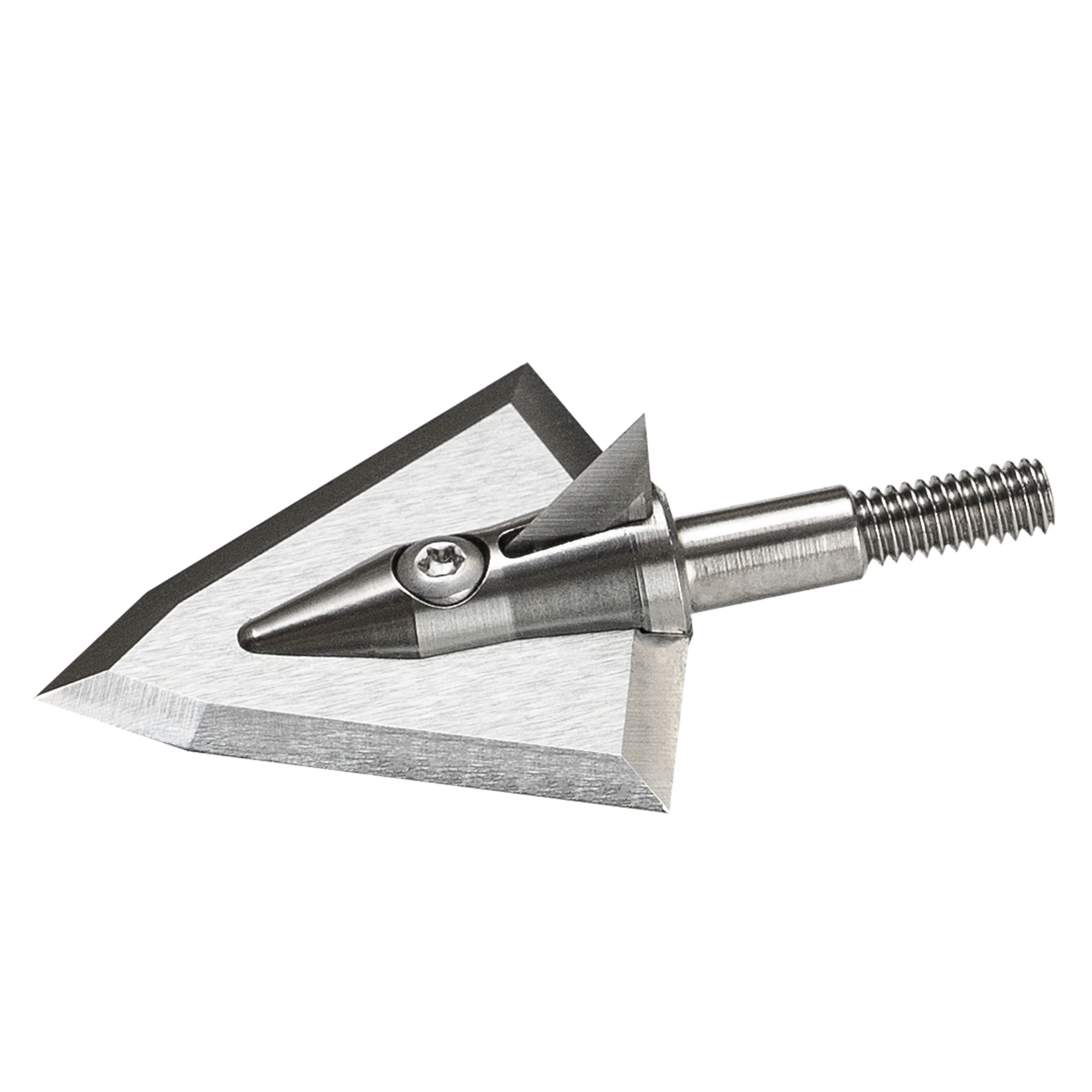
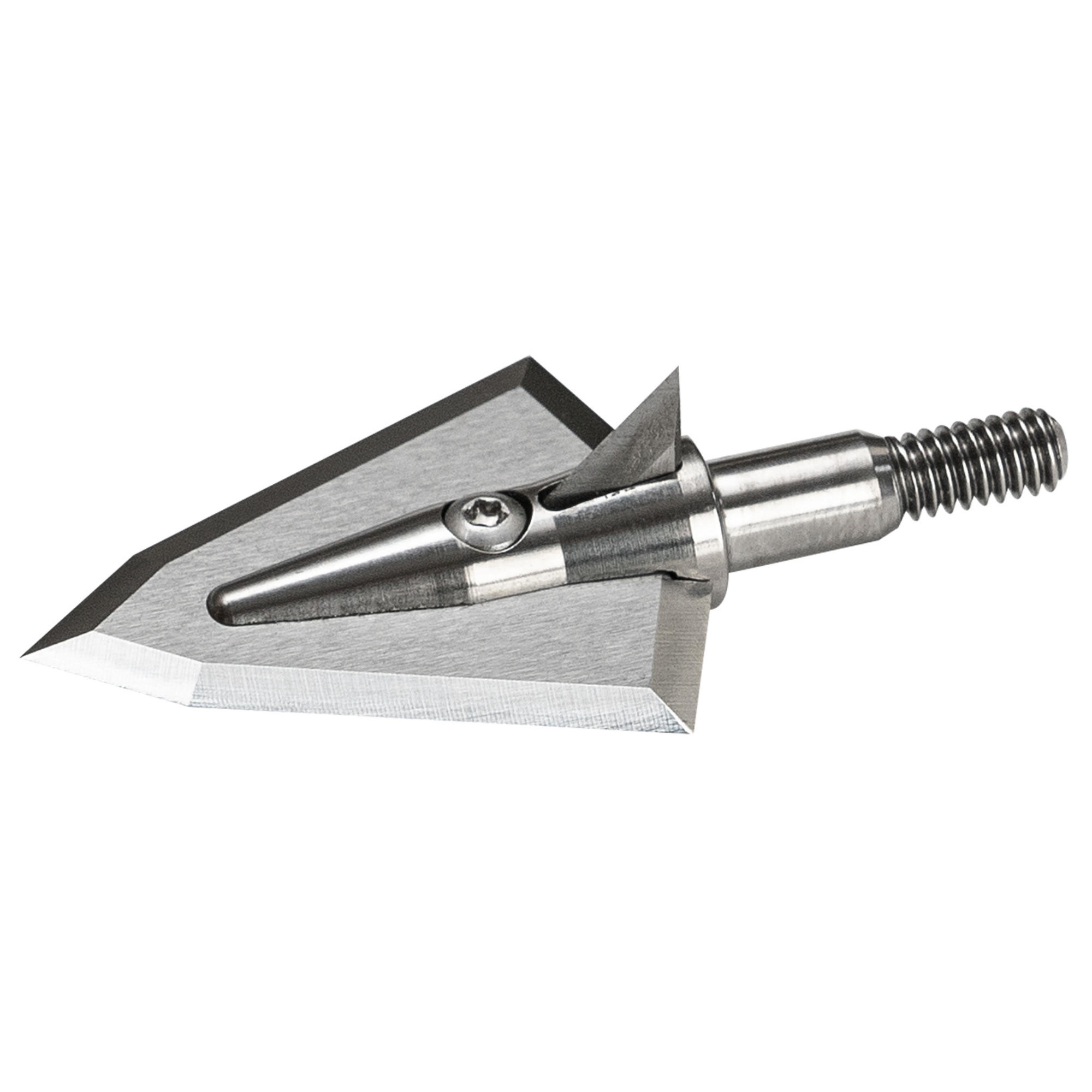
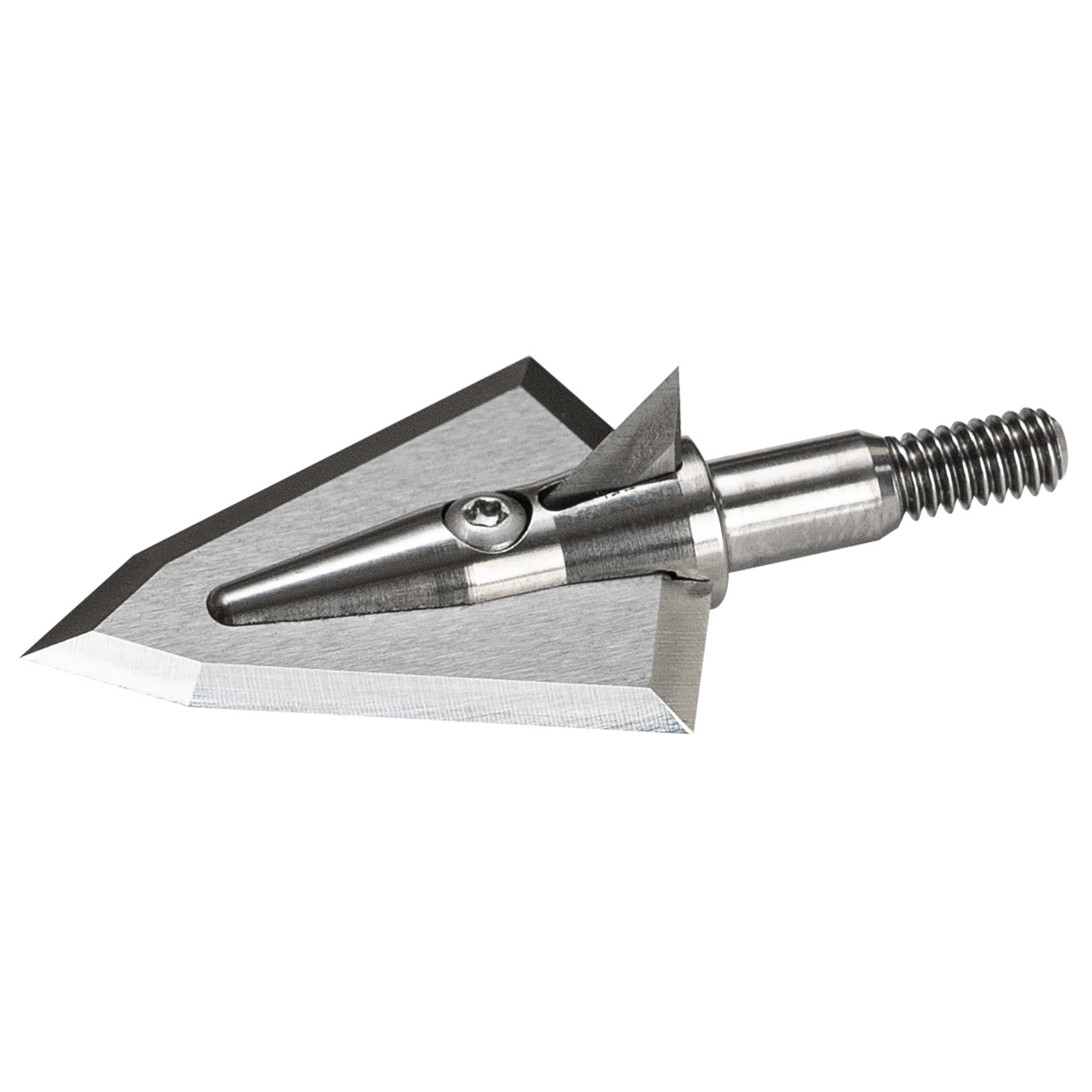
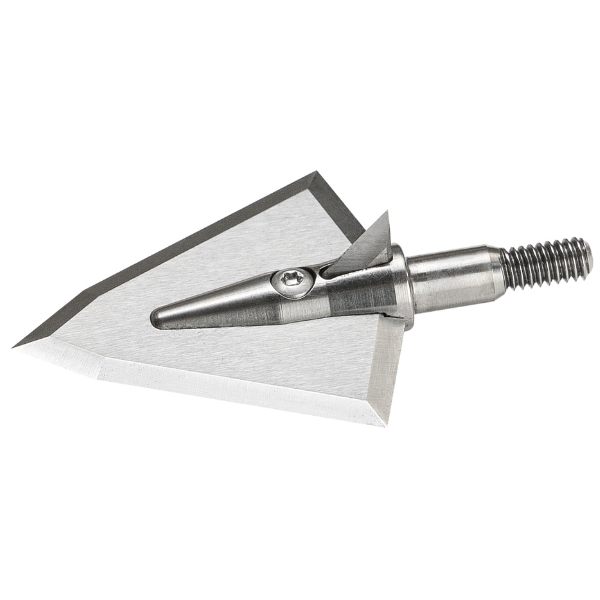
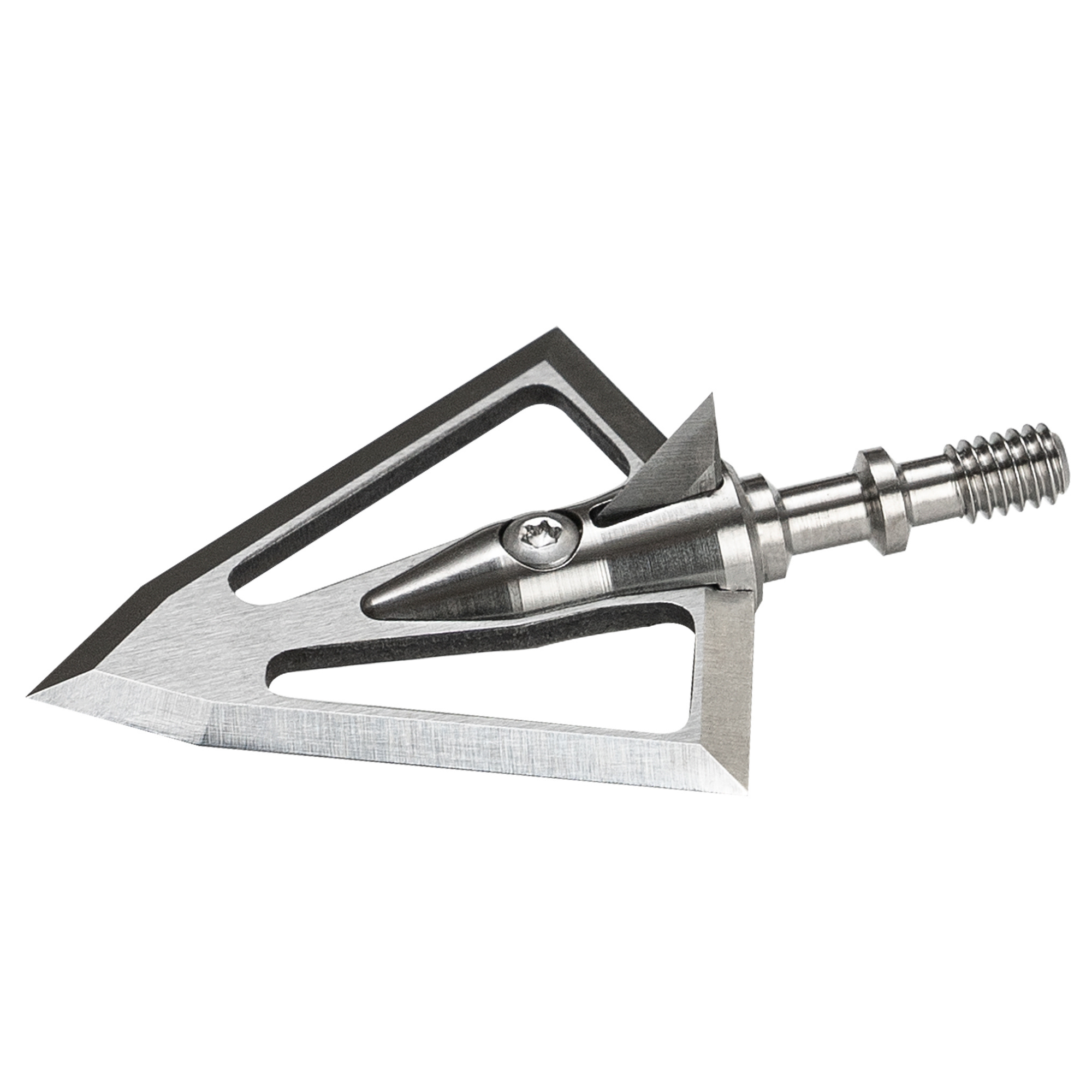
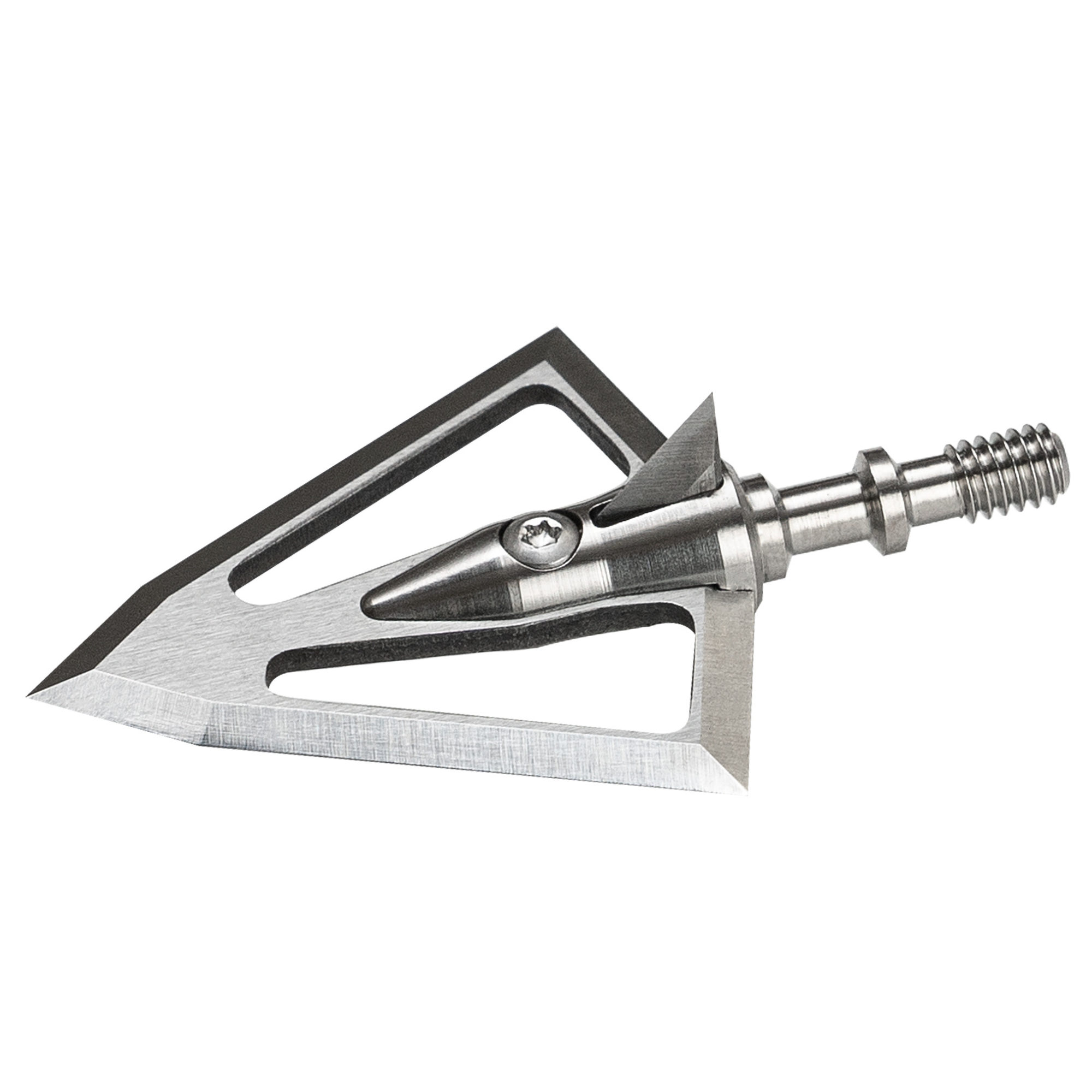
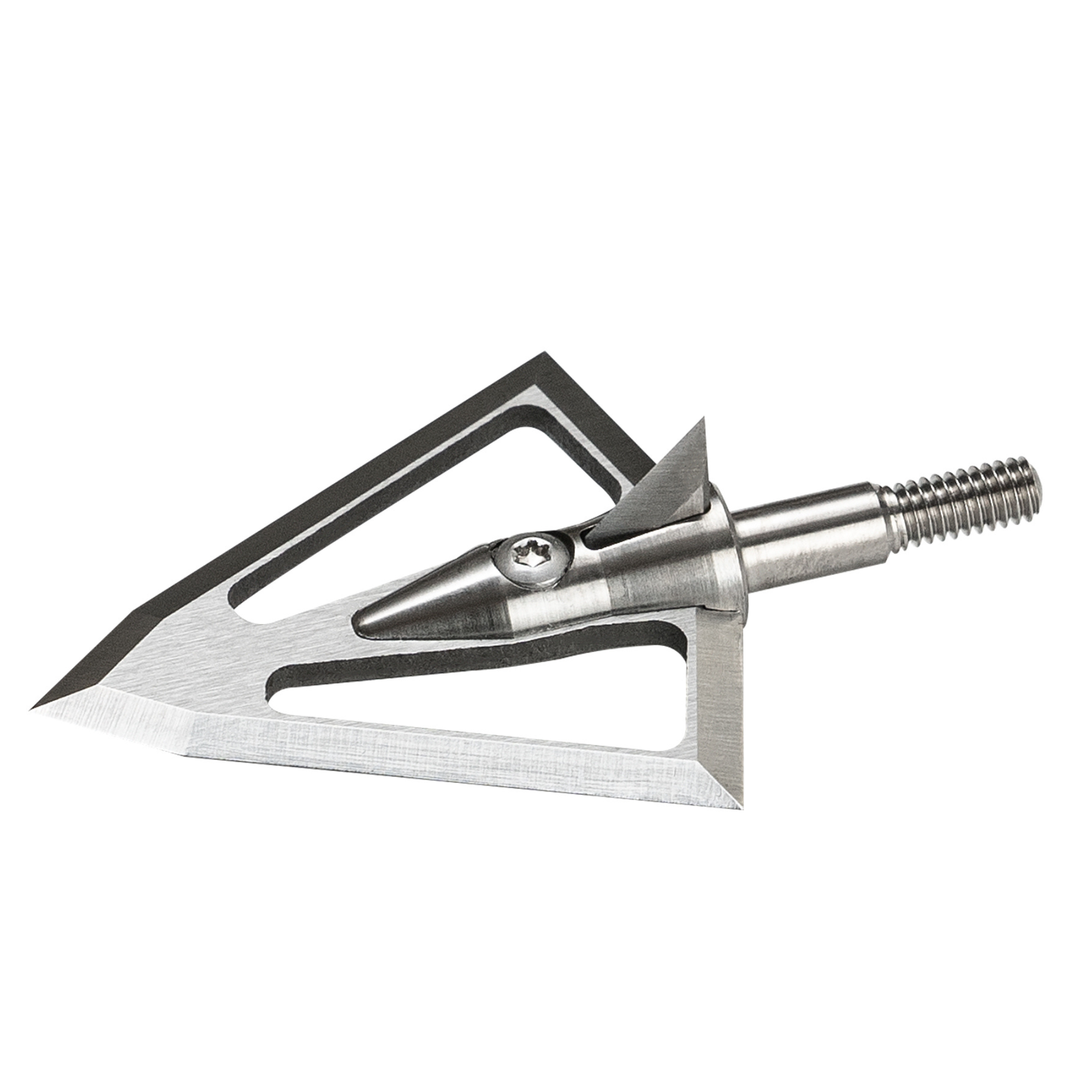
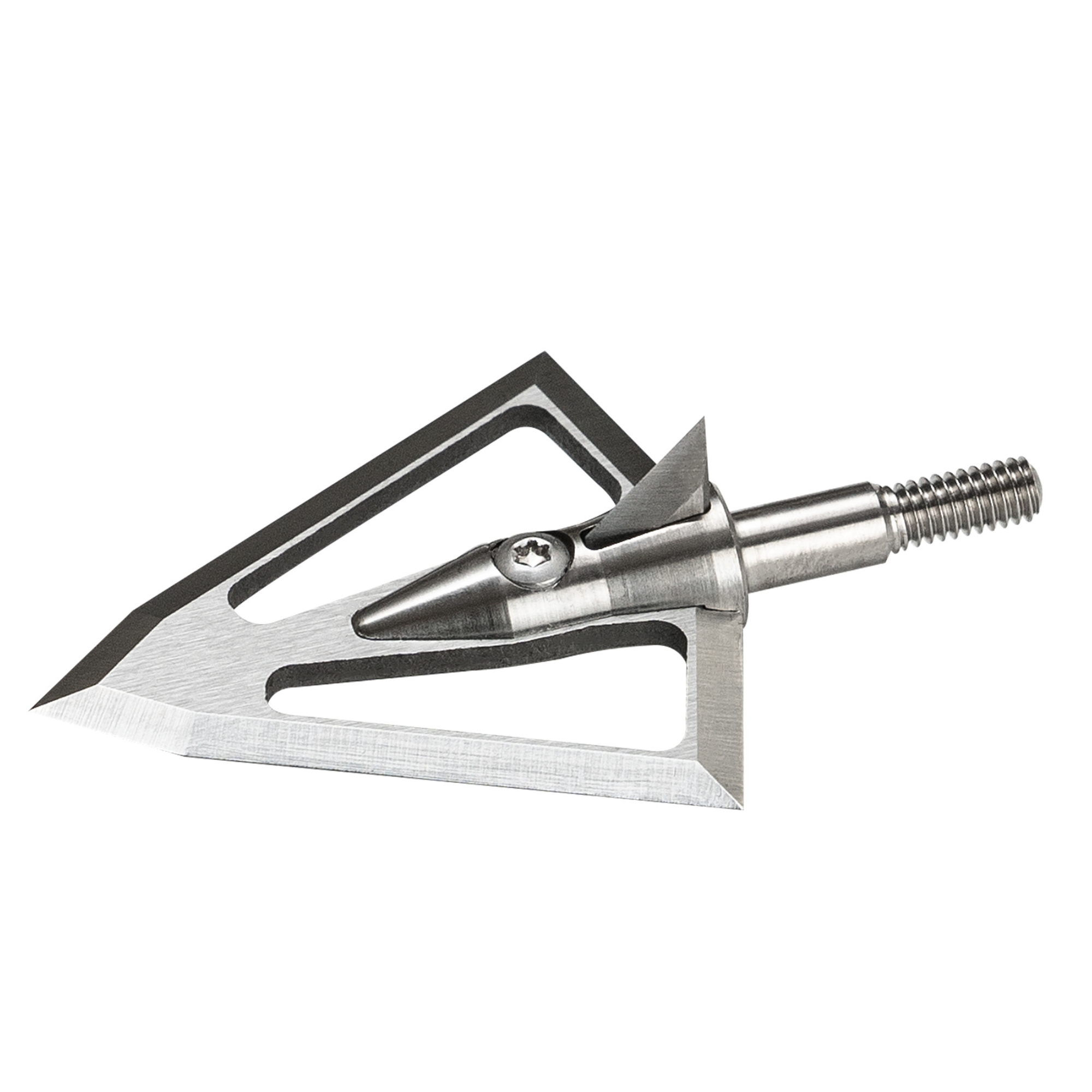
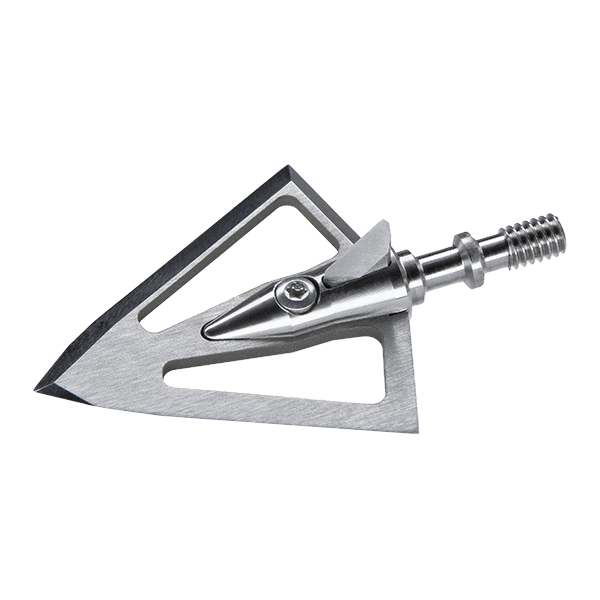
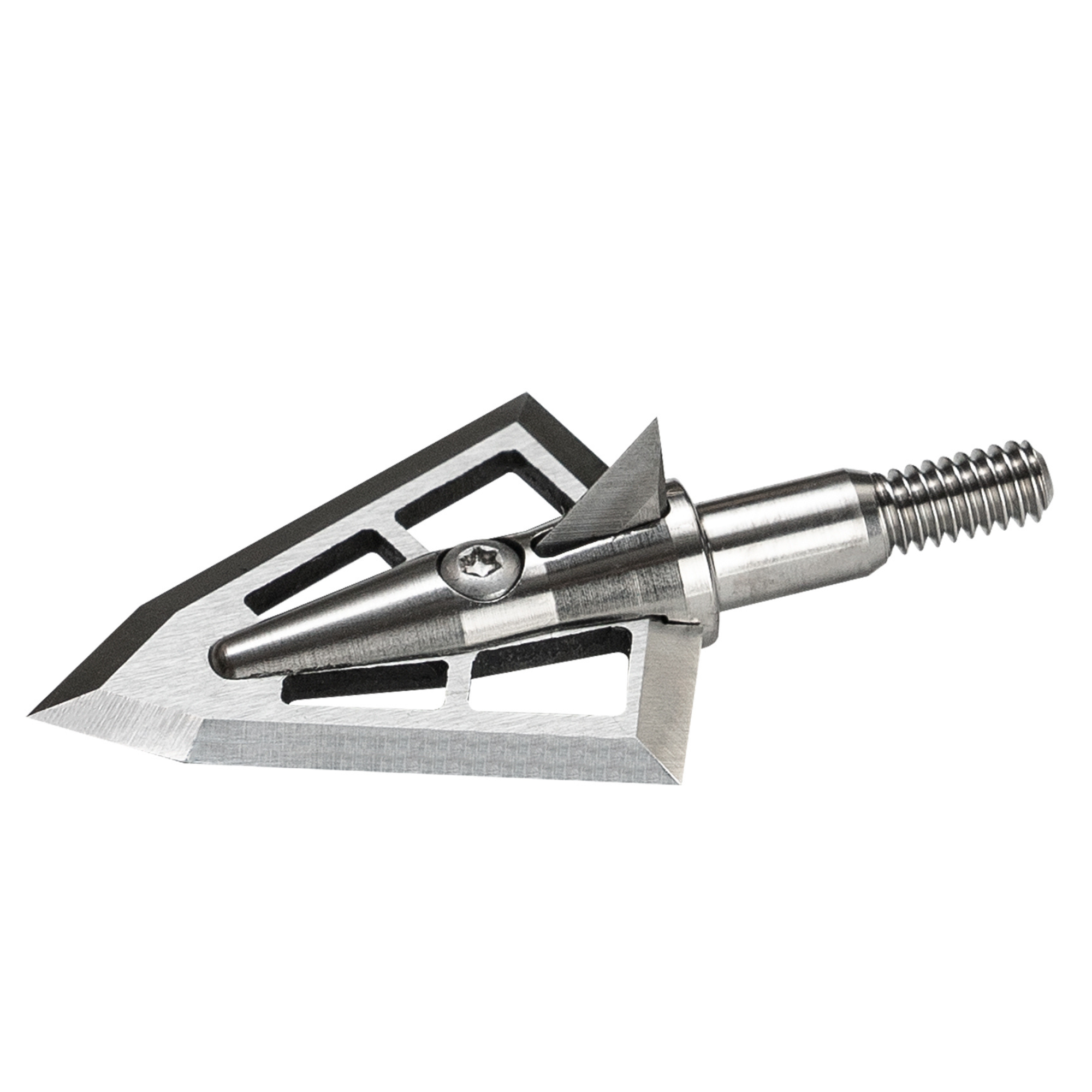
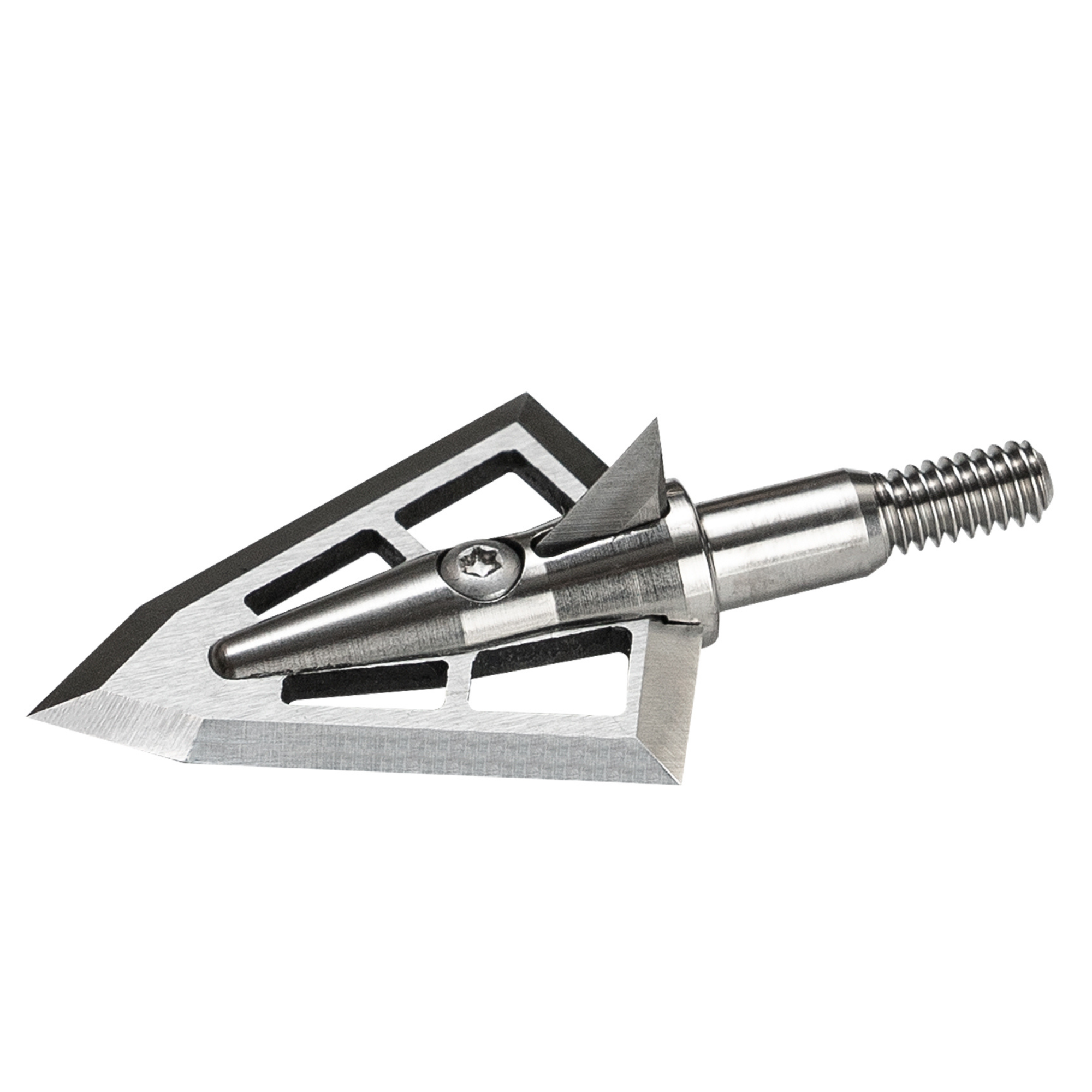
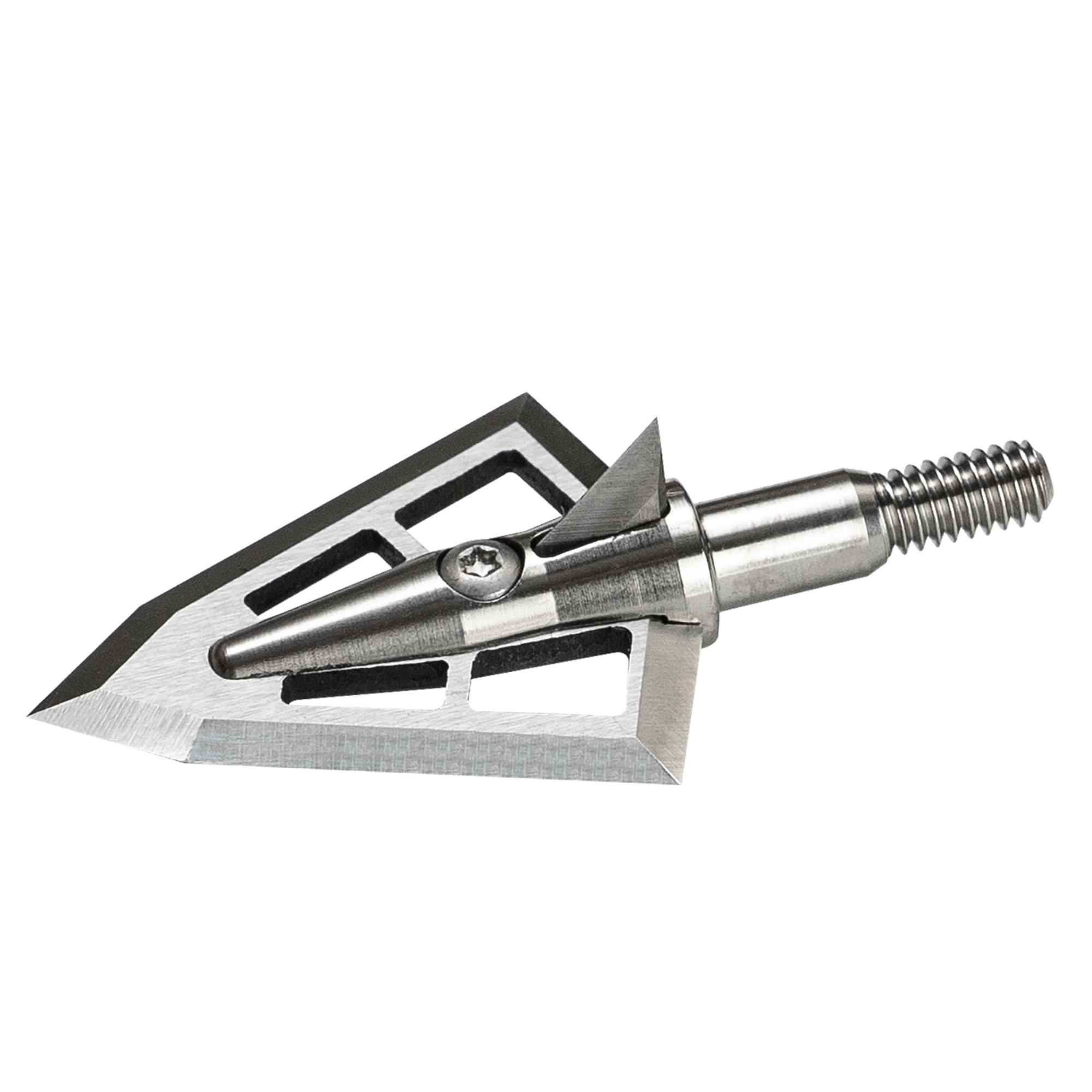
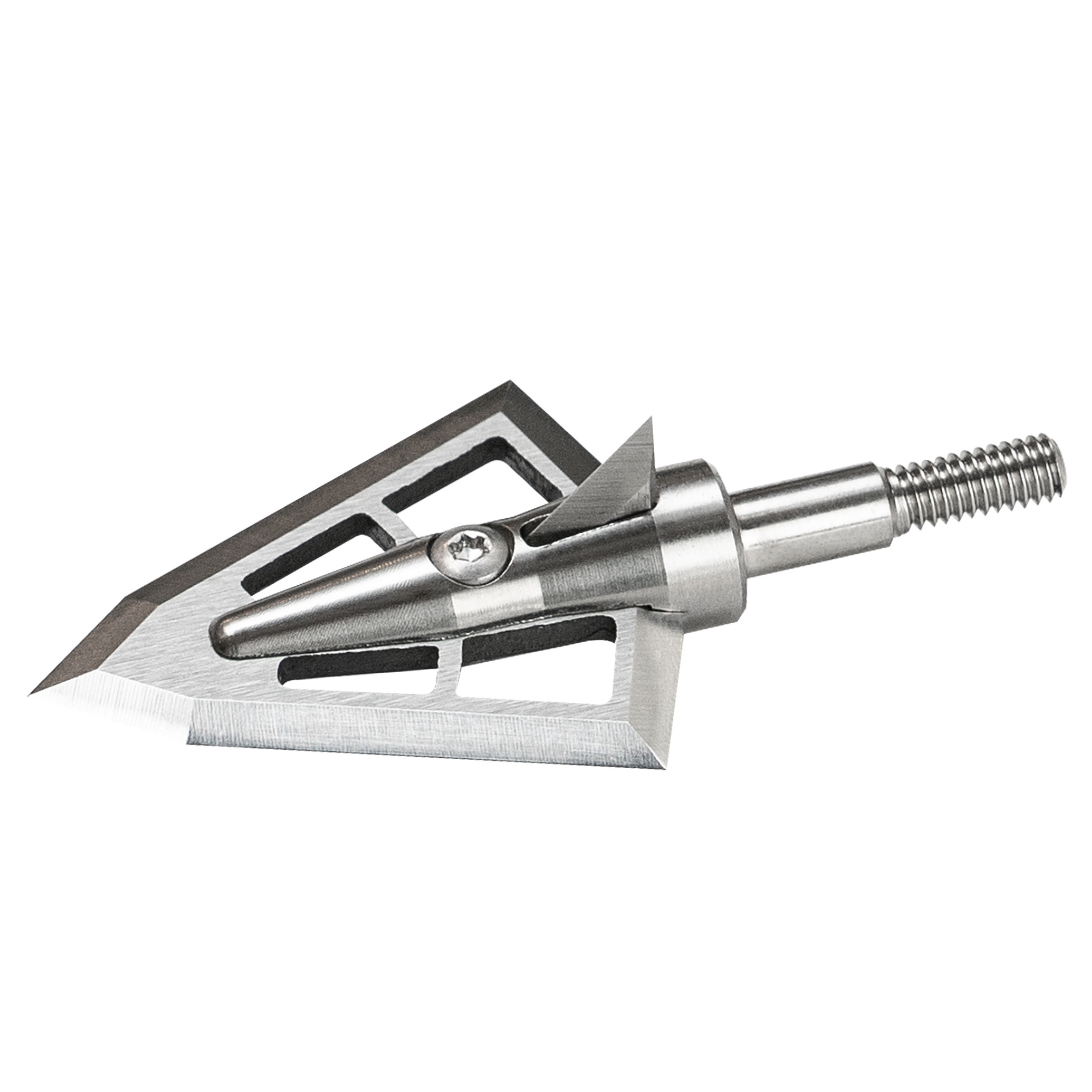
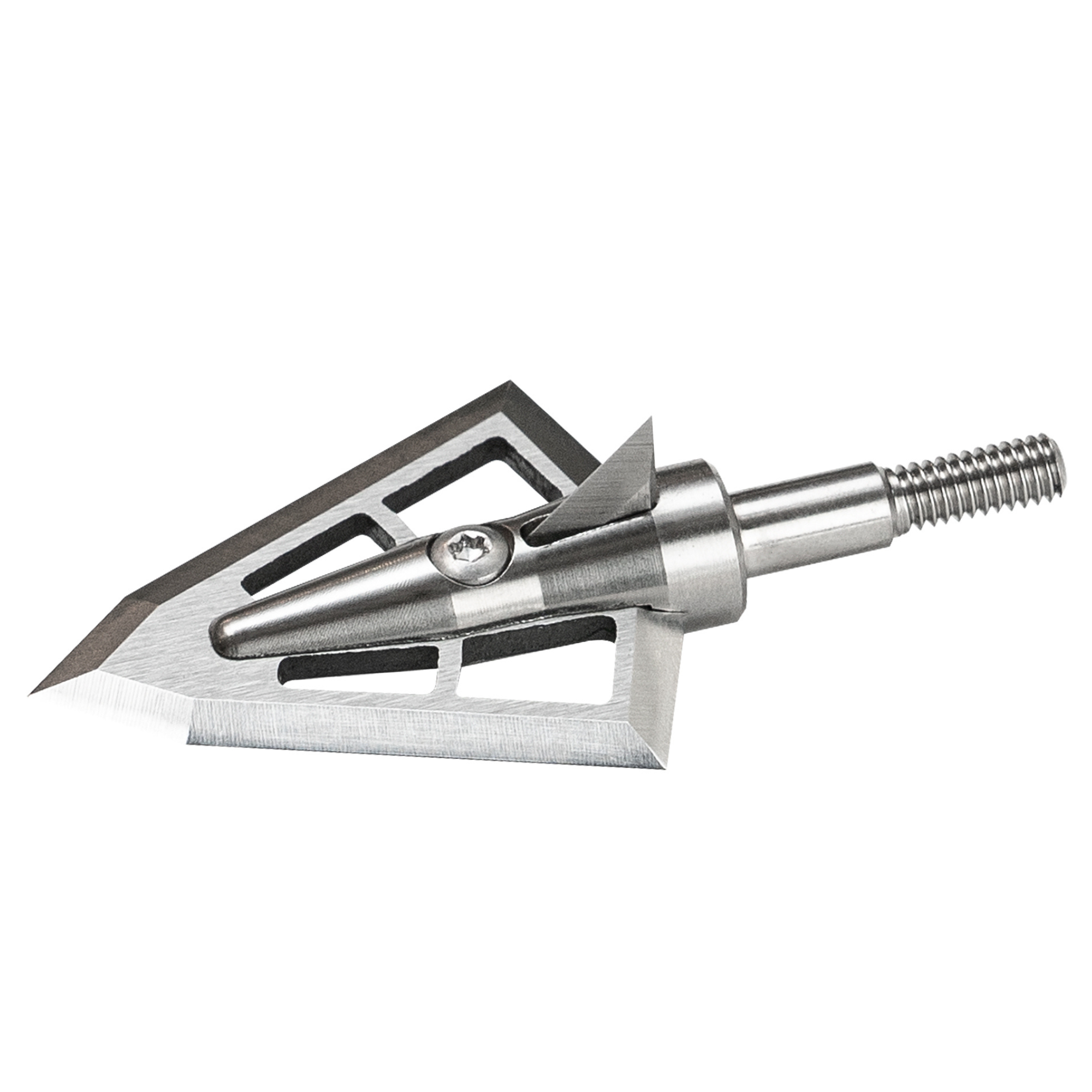
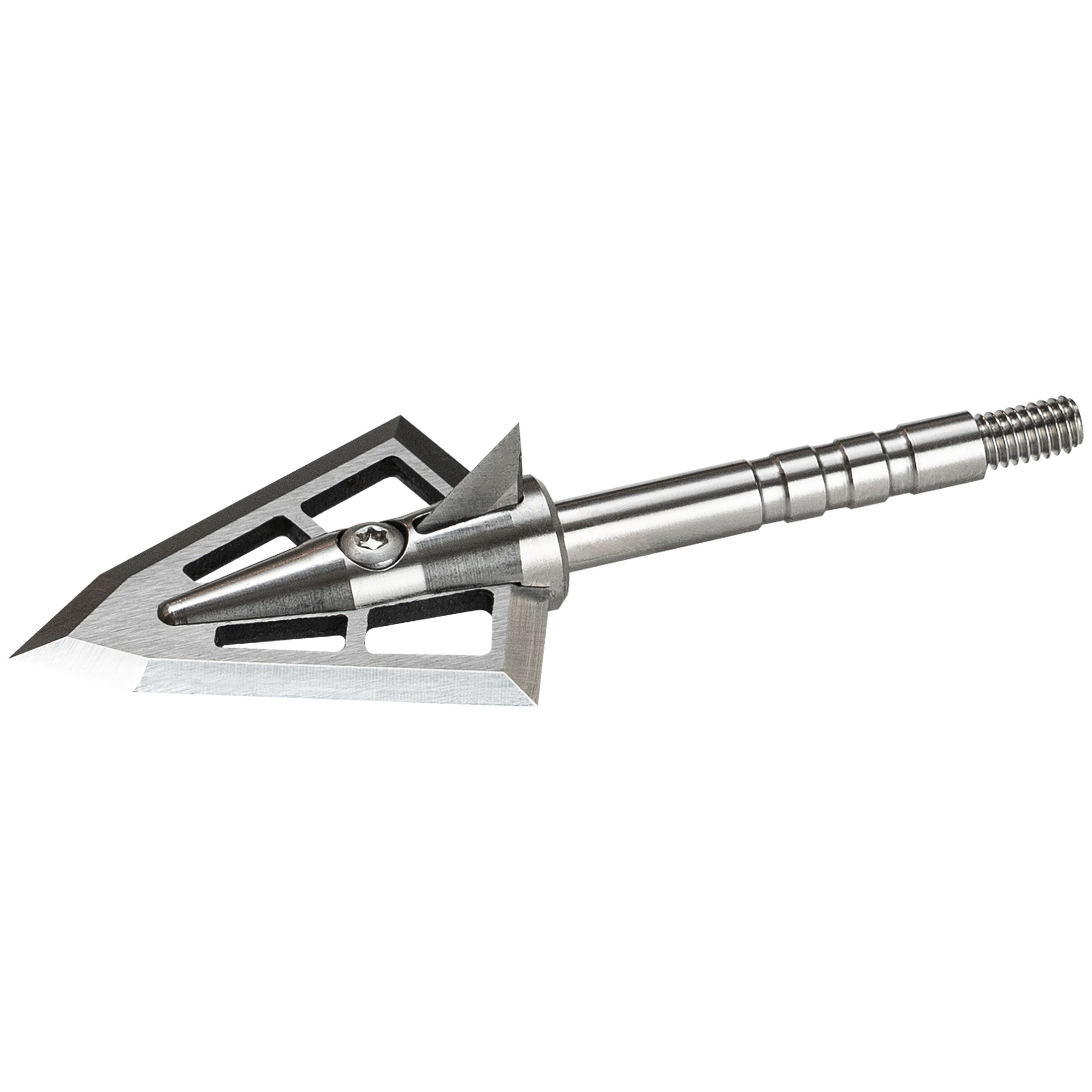
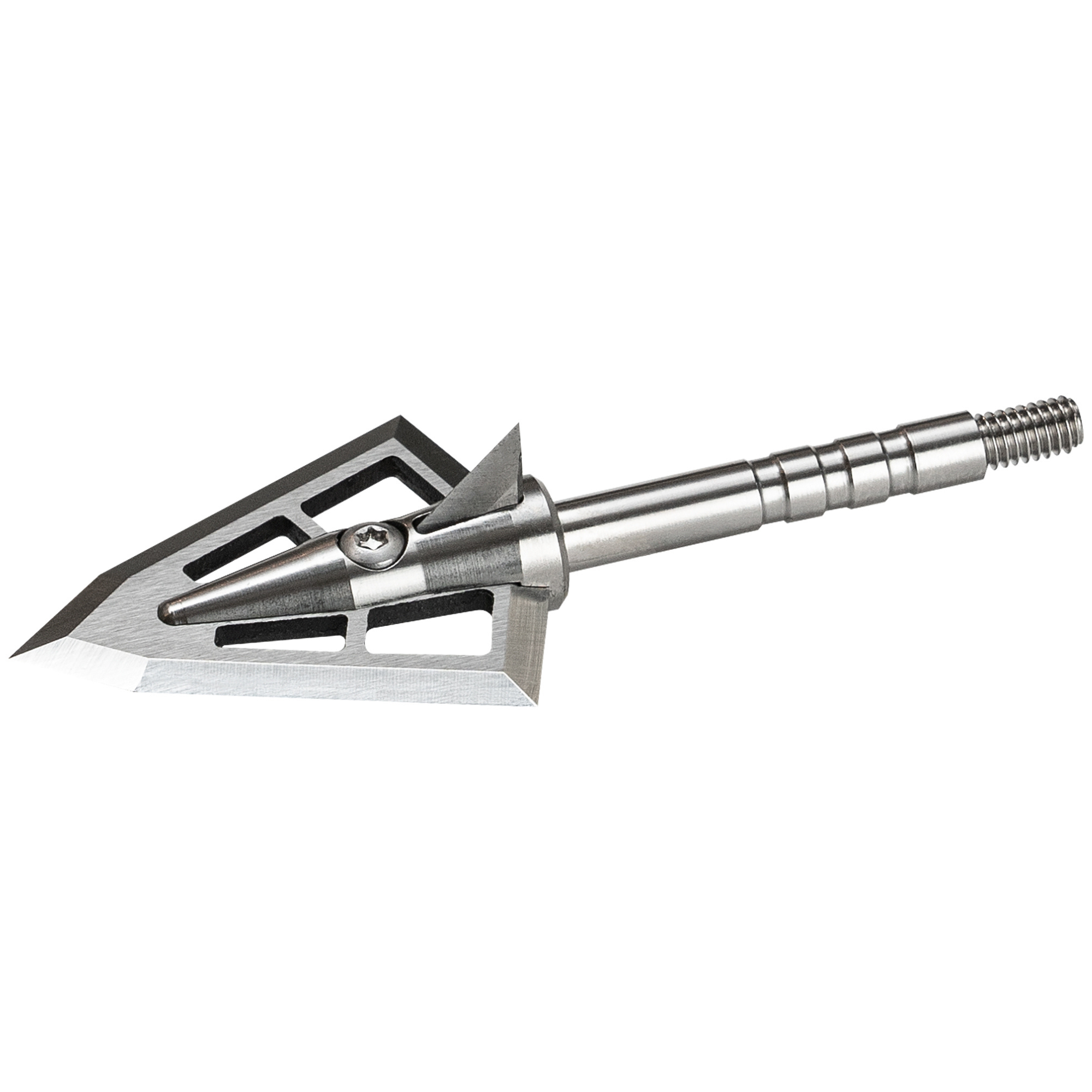
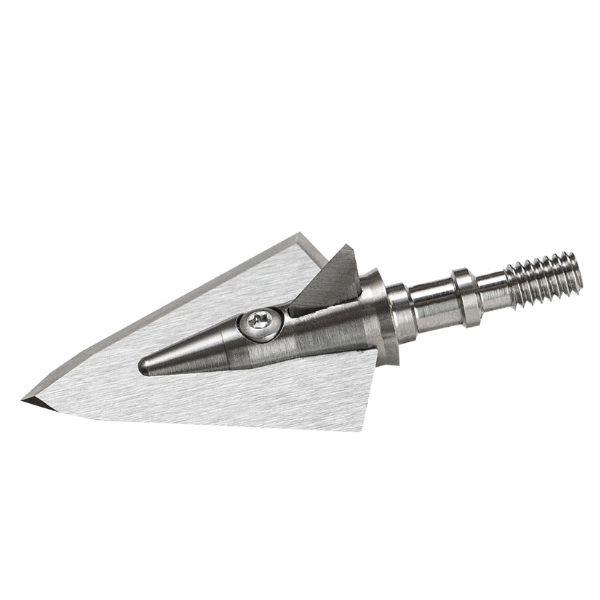
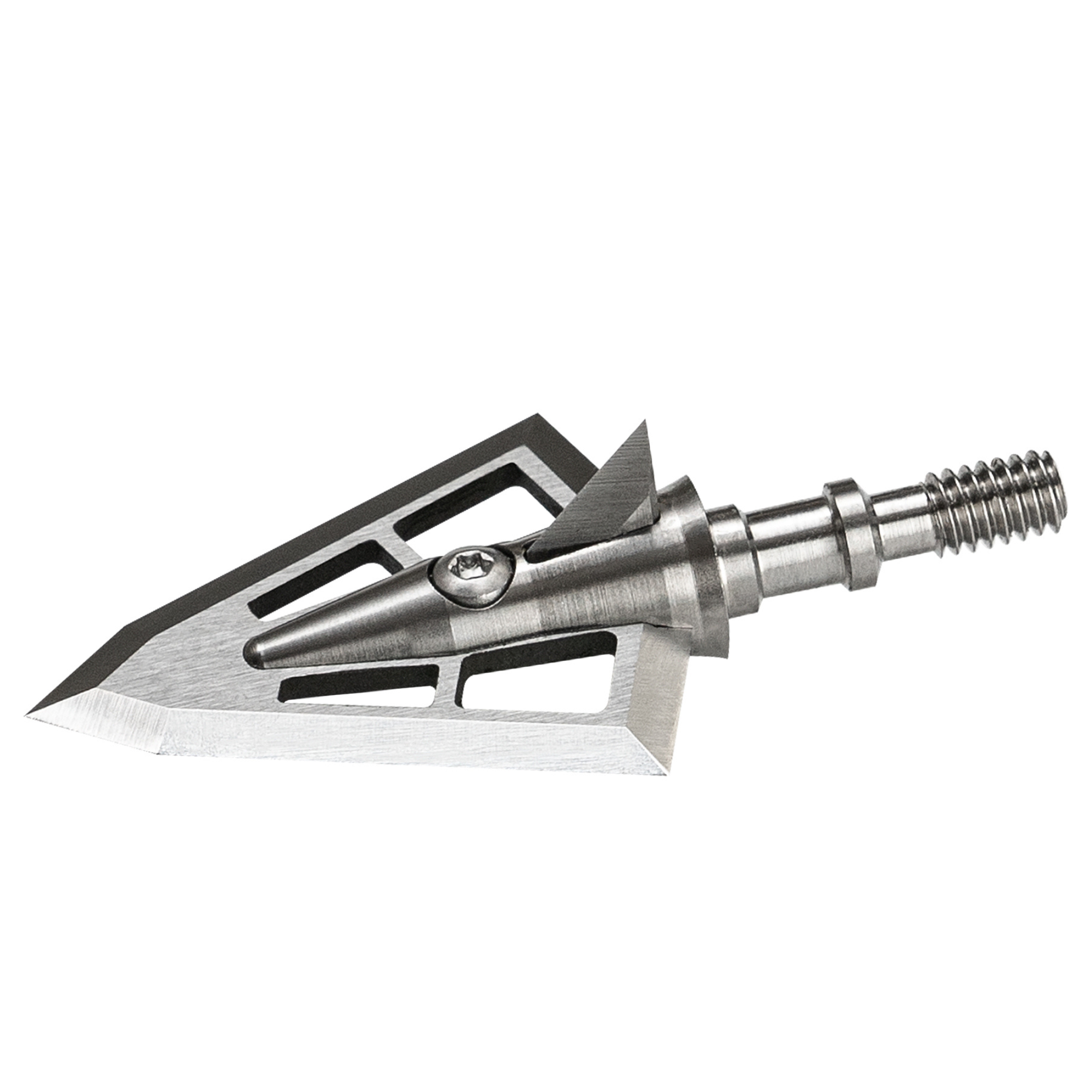
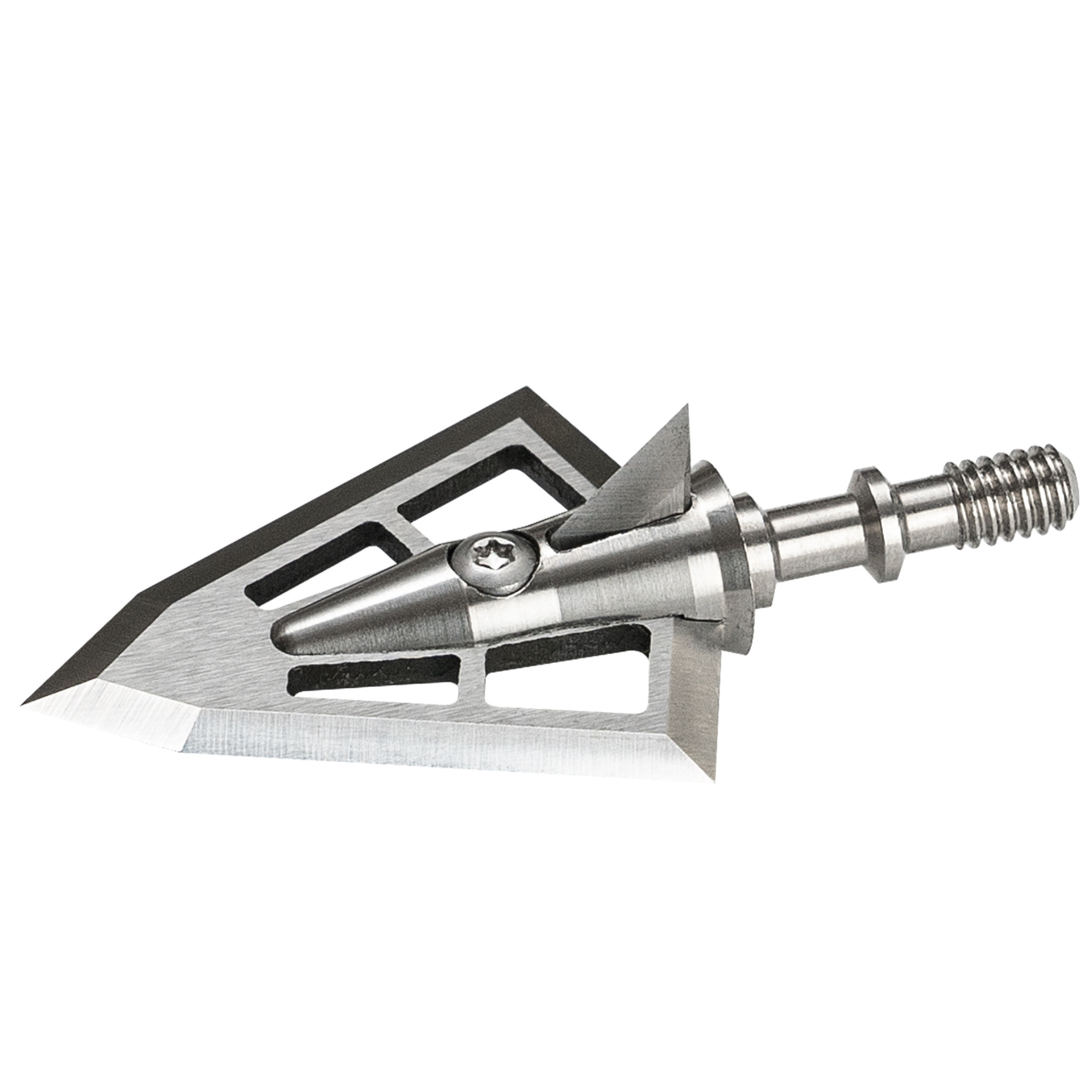
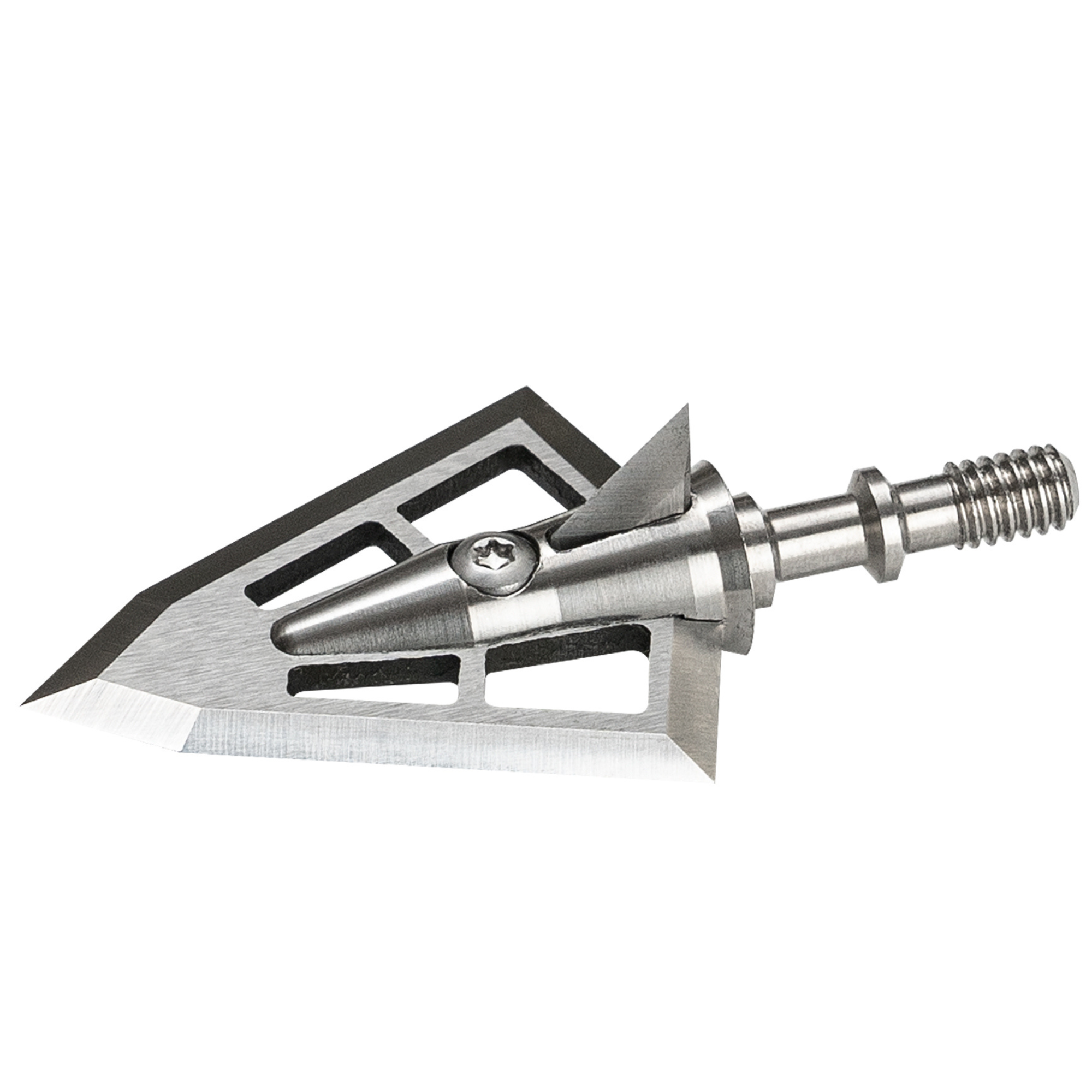
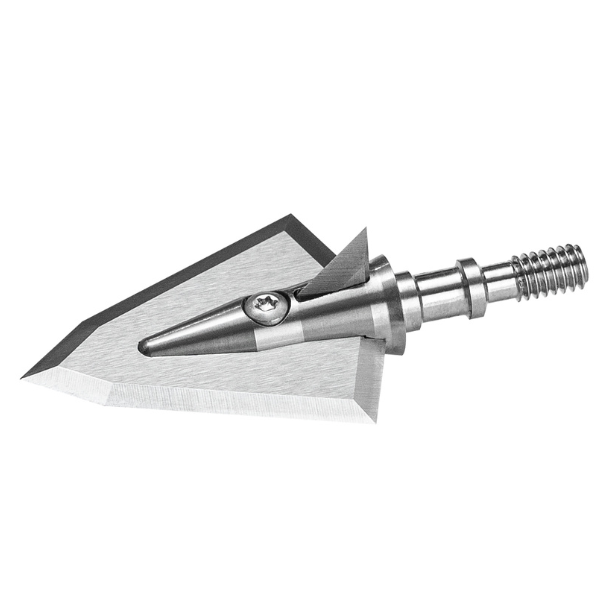
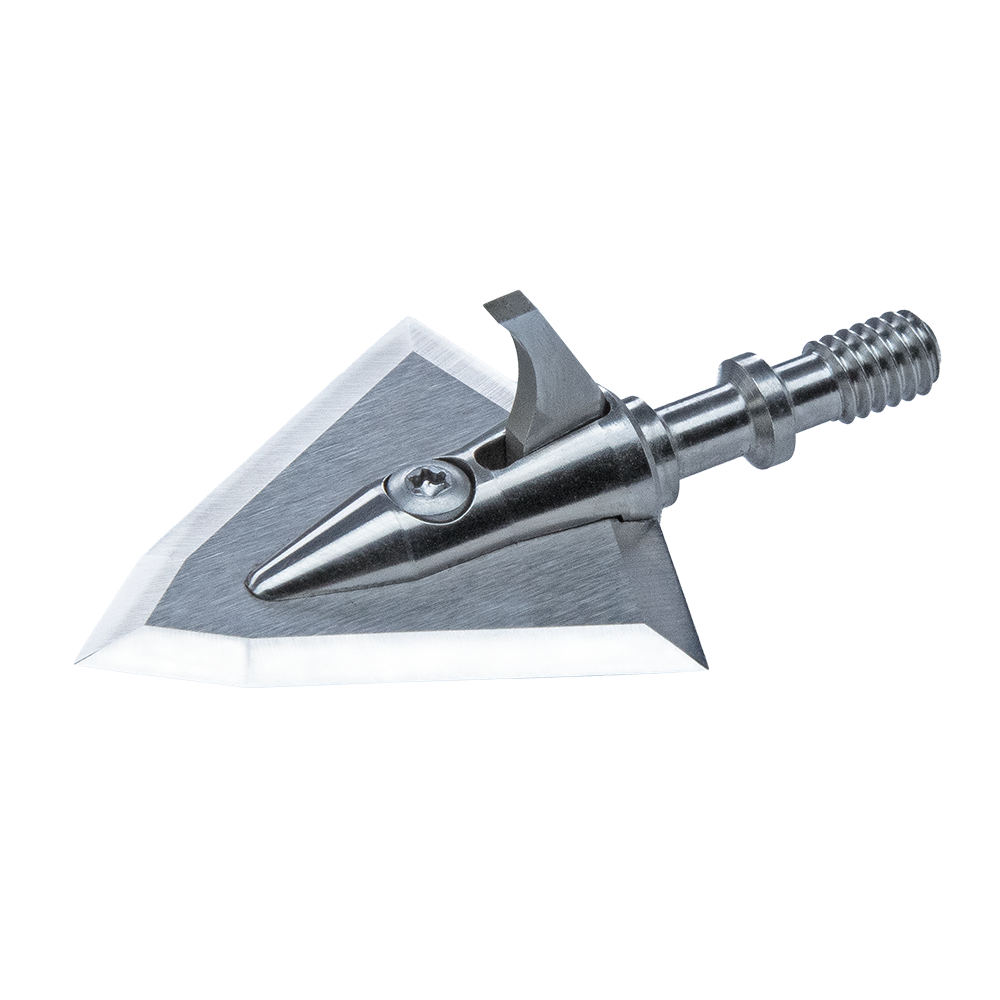
First, let's consider single bevel broadheads vs double bevel broadheads. Once you know the differences, this almost comes down to personal preference. Double bevels will cut straight through an animal and have equal pressure on both sides of the blade, making it nice for maintaining that edge. Single bevels have high pressure on the bevels themselves - so just on one side of the blade. This causes a rotation as you pass through the animal. If you haven't tried our single bevel broadheads, I'd recommend you give them a try. You can see for yourself how this rotation opens up holes, causes more trauma, and does a great job of splitting bones apart.
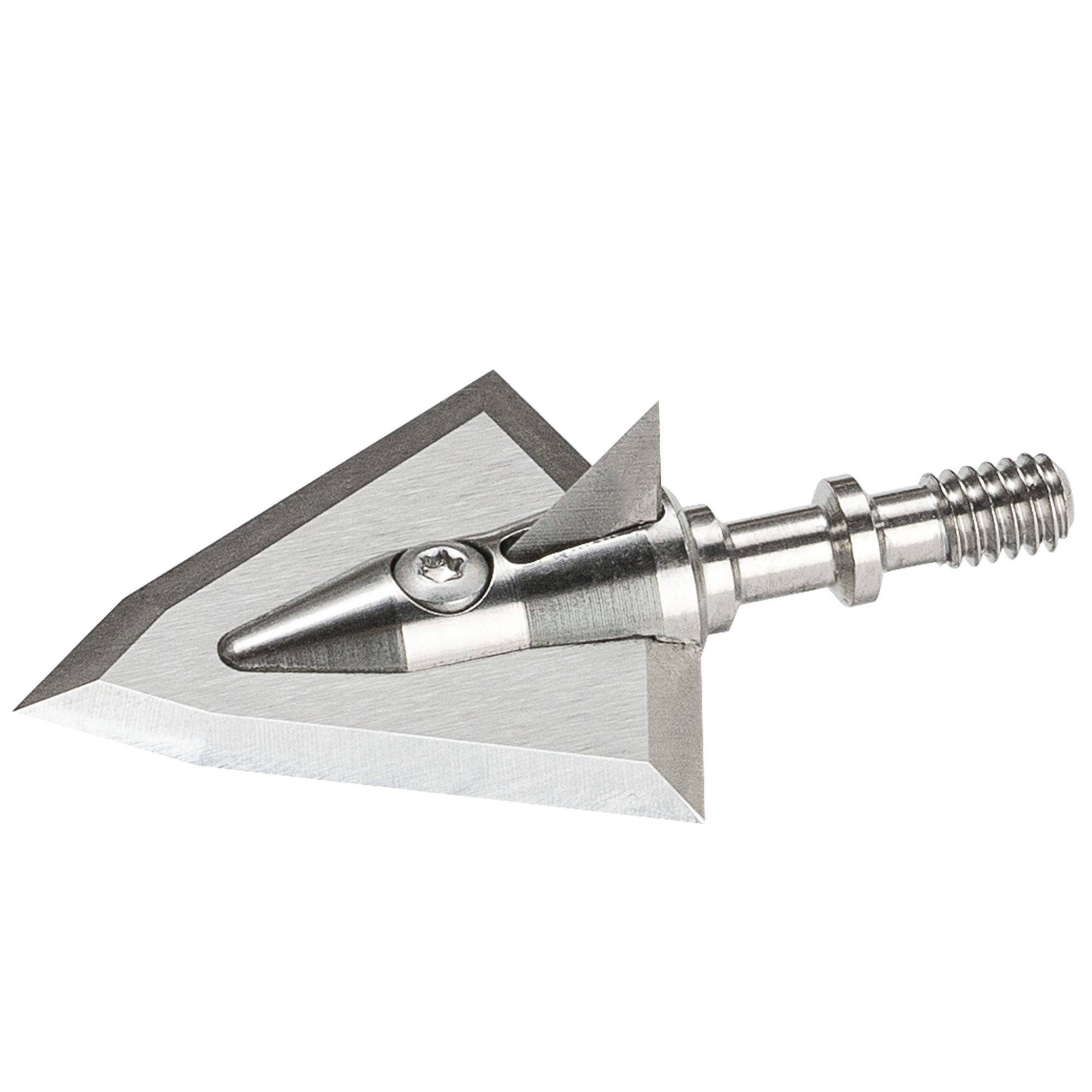
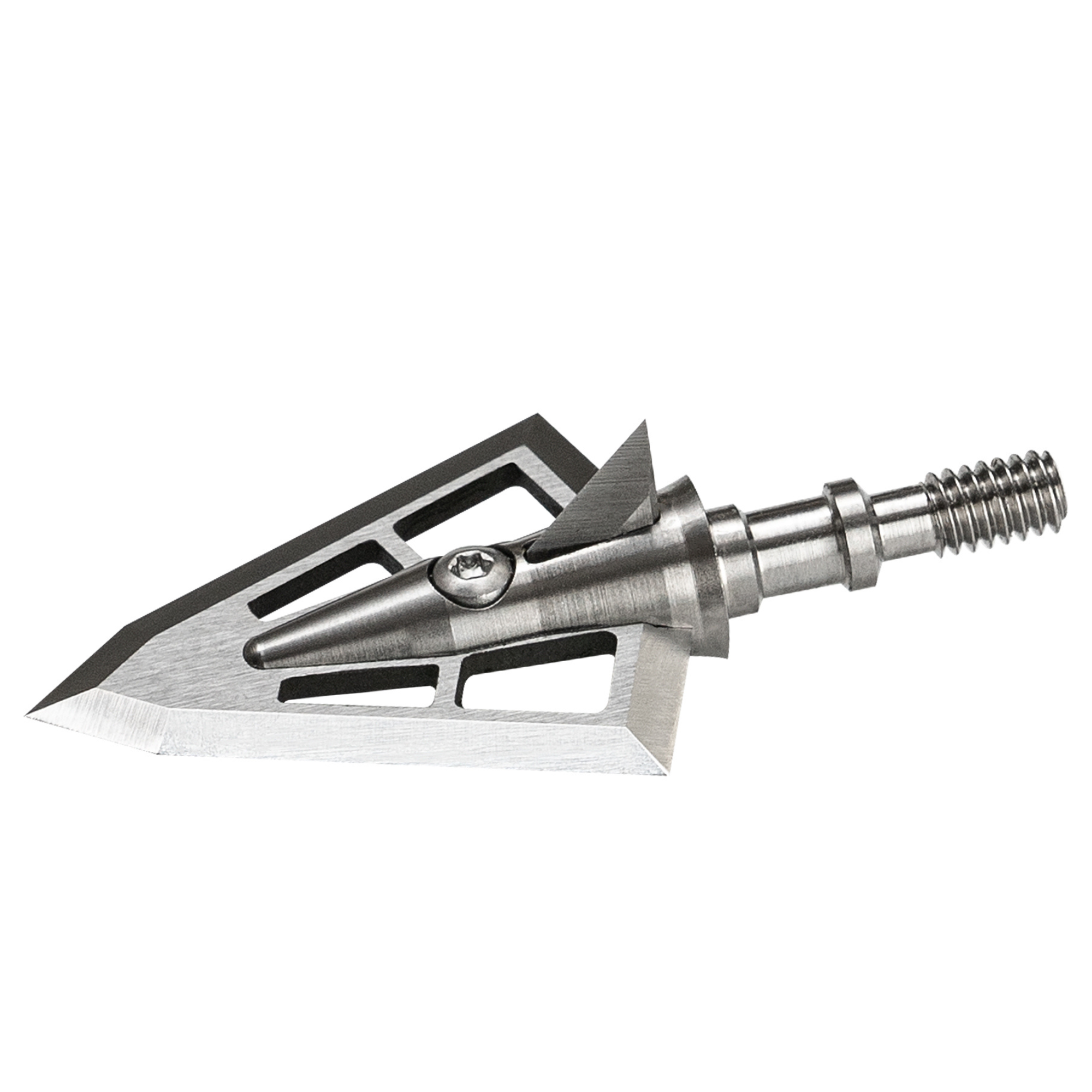
Second, let's consider bleeder blades or no bleeder blades. We highly recommend bleeder blades for all North American big game. The bleeder's 3/4 inch crosscut opens up holes and gives more bleeding for quicker kills and a better blood trail. If you're going after the largest animals on the planet like cape buffalo or hippo, then we'd recommend no bleeders, which we call our Buff Series. Those will give you the maximum possible penetration for situations when blood trails aren't nearly as much of a concern.
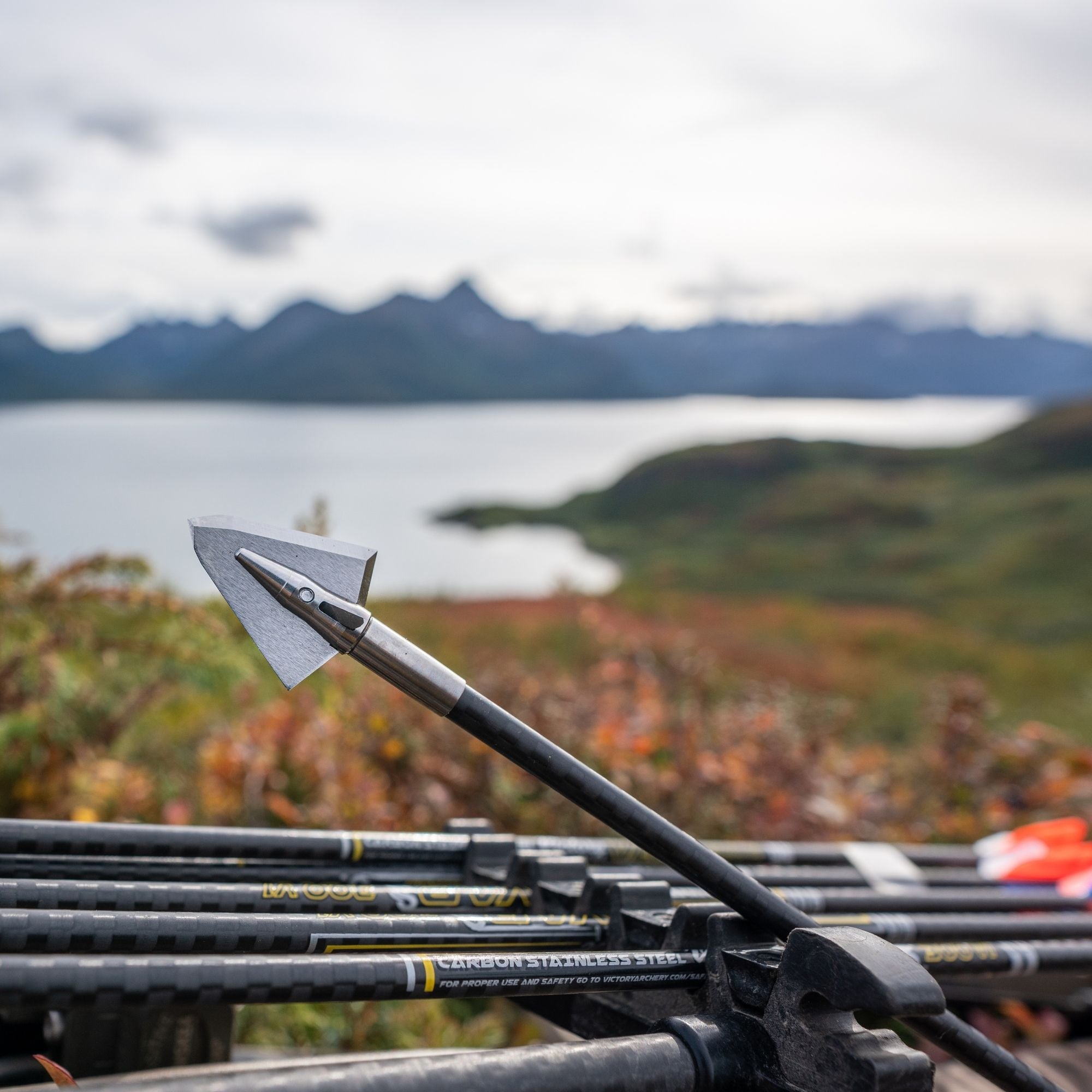
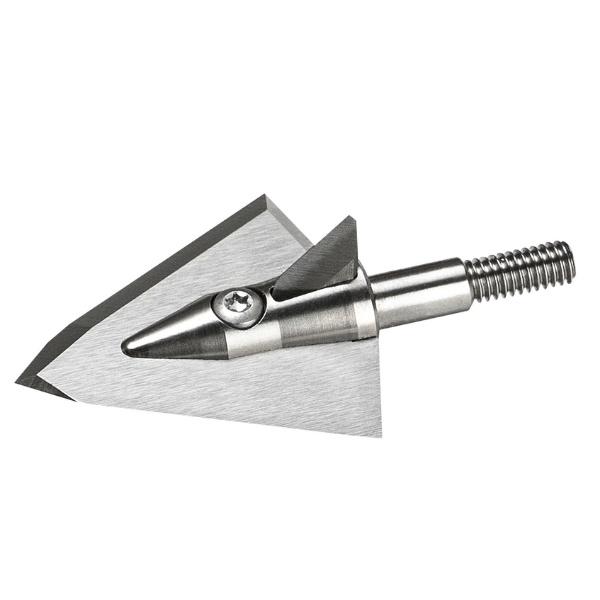
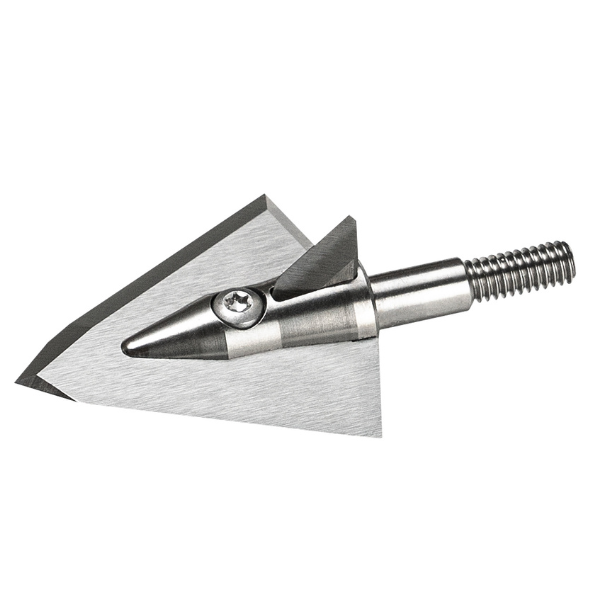
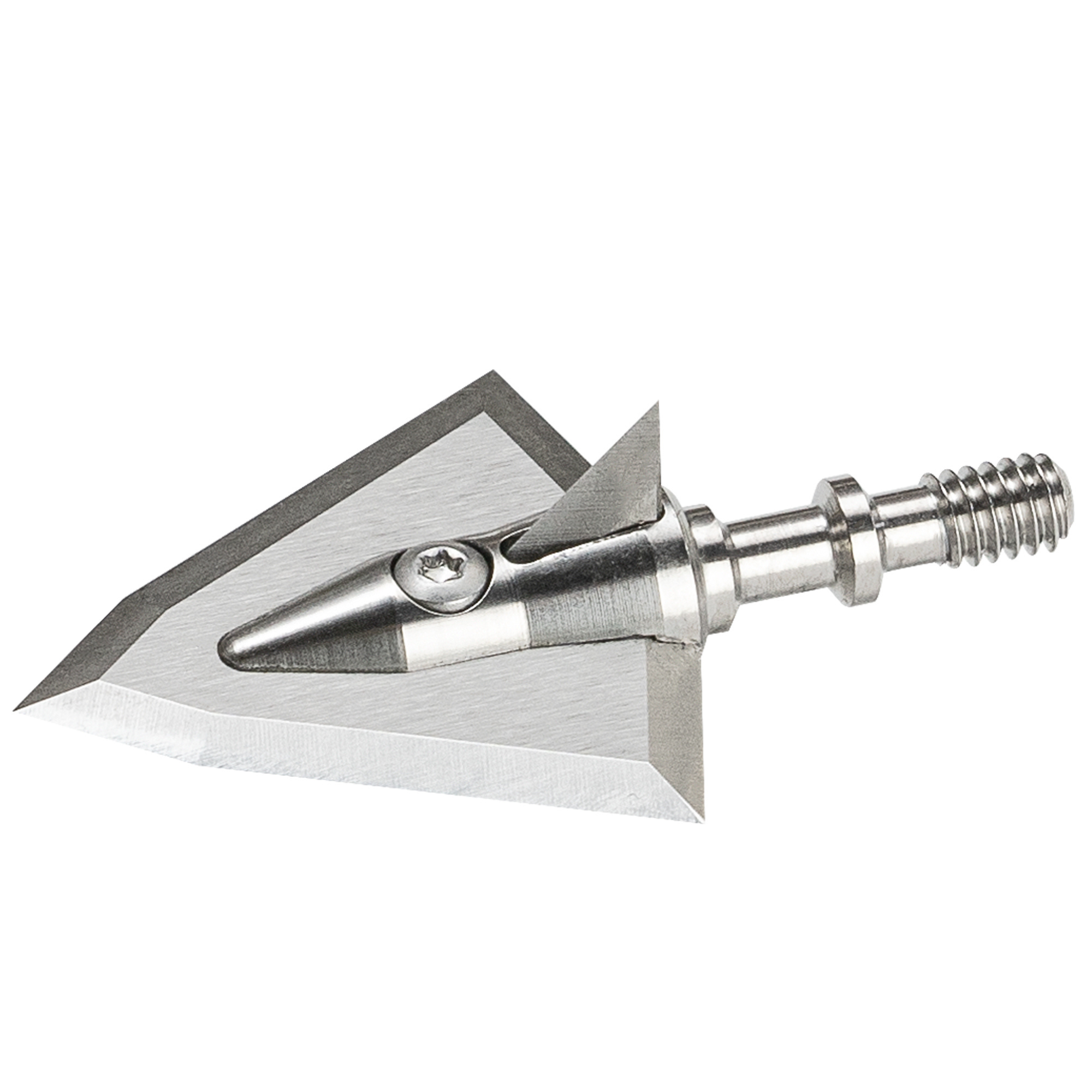
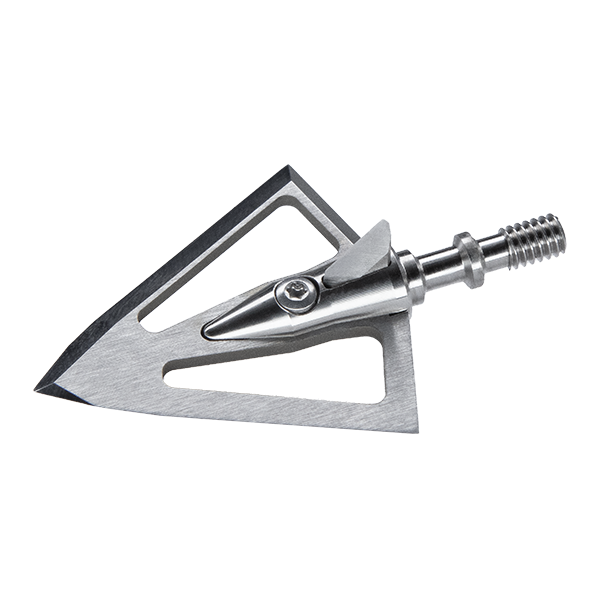
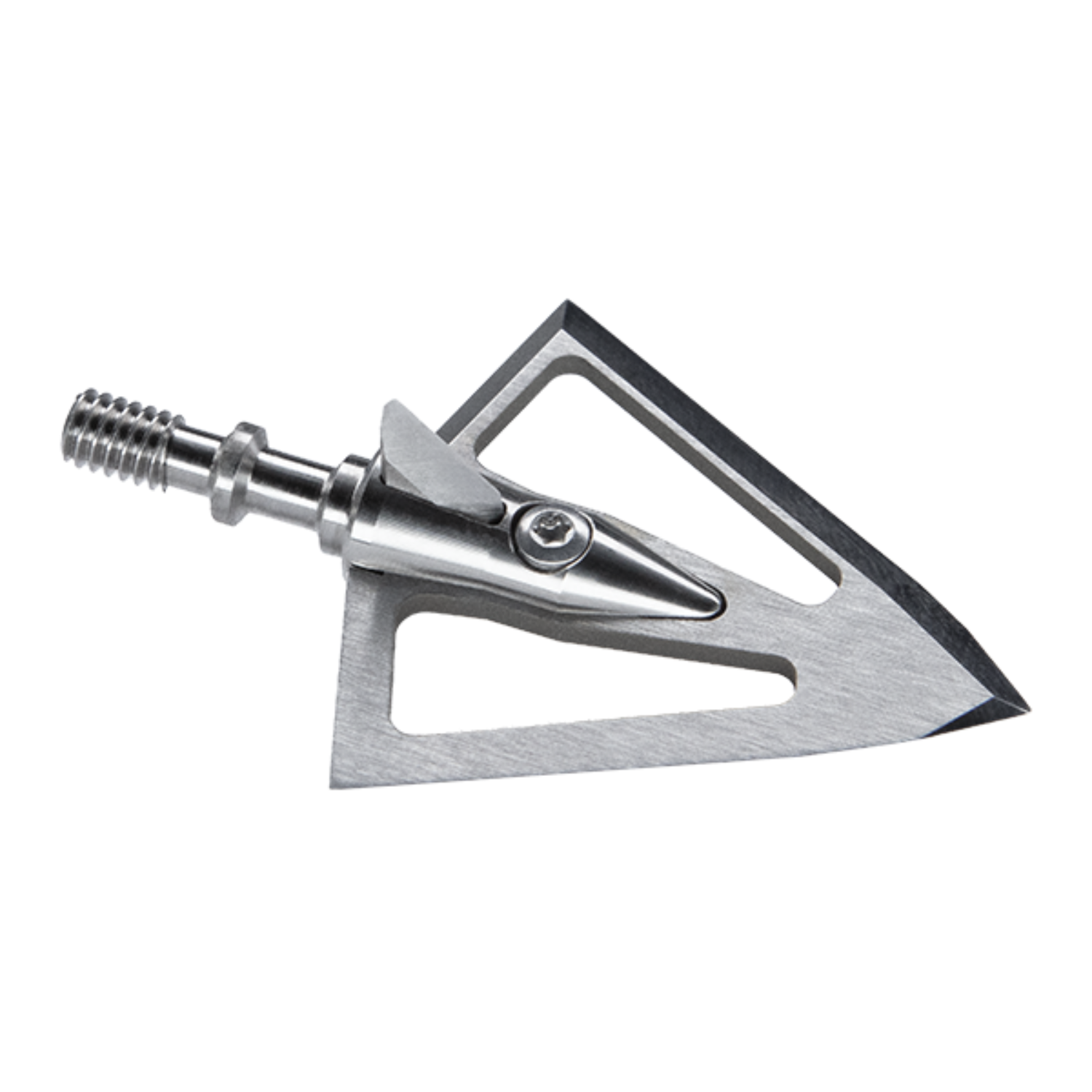
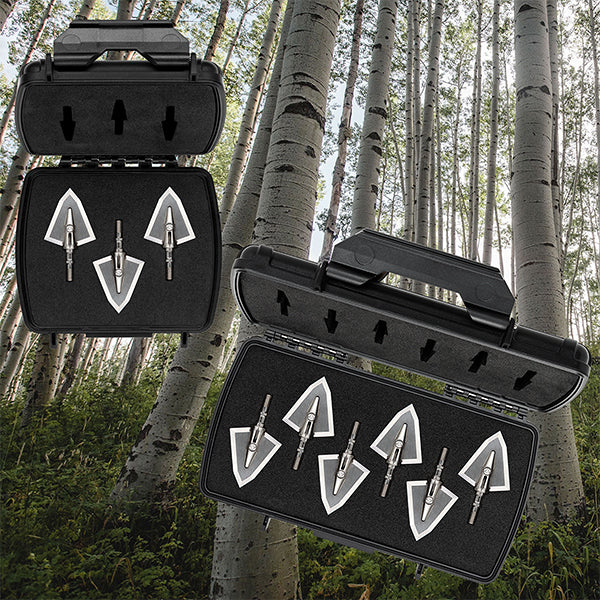
Next, bow hunters should consider broadhead size. Our standard heads like our S Series and Single Bevel are a great all-around broadhead. These are my first choice for caribou, mule deer, or elk. They have unmatched penetration and excellent long range flight. If you're only picking one head to hunt everything, these are a great choice. The S Series and Single Bevel both have an inch and 1/16th wide main blade and 3/4 inch bleeder blades, for 1.81 inch total cut. Our Wide Series broadheads have an inch and 3/8ths main blade, and a 3/4 inch bleeder blade, for 2 and 1/8 inch total cut. The Wide Series Broadheads are ideal to get the biggest hole, most blood on the ground, and quickest kill. Penetration is great with this broadhead with our sharpness, hardness, and edge retention. It will cut through bone and get you that pass through, and we've passed through many elk with this head. They spin true and fly well, but are not as forgiving as our standard heads. For this reason, we recommend them for shots under 50 yards. They are our head of choice for whitetails or bears from tree stand or blind ambushes where shots are typically less than 40 yards. We also use them for elk hunting over water holes or when setups are going to be closer range. Our new SLR Broadhead is a great choice for improved accuracy on those long range shots. The SLR has an inch and 1/32 inch wide main blade and a 3/4 inch bleeder blade, for 1.78 inches total cut. The reduced lift and drag of this head make it ideal for long follow-up shots where conditions may not be perfect.
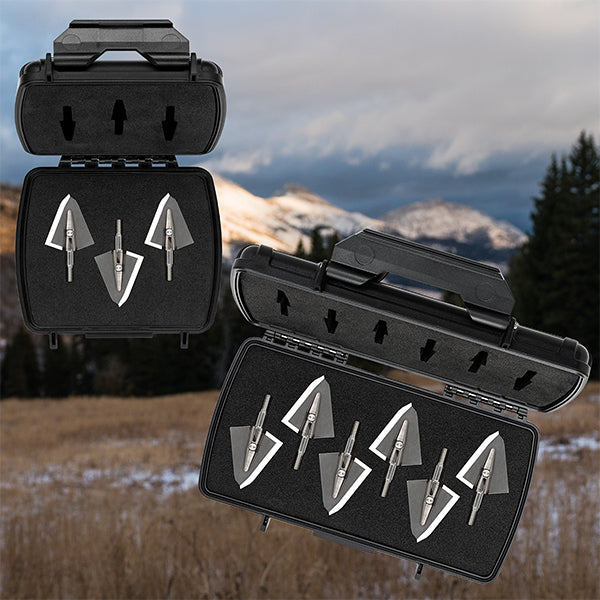
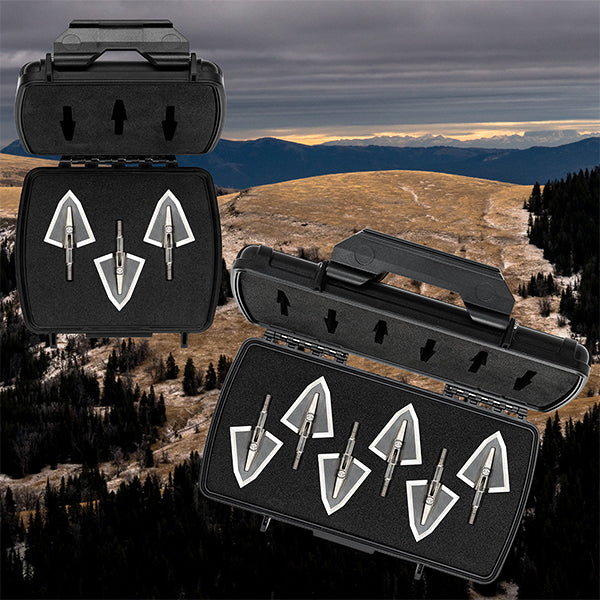
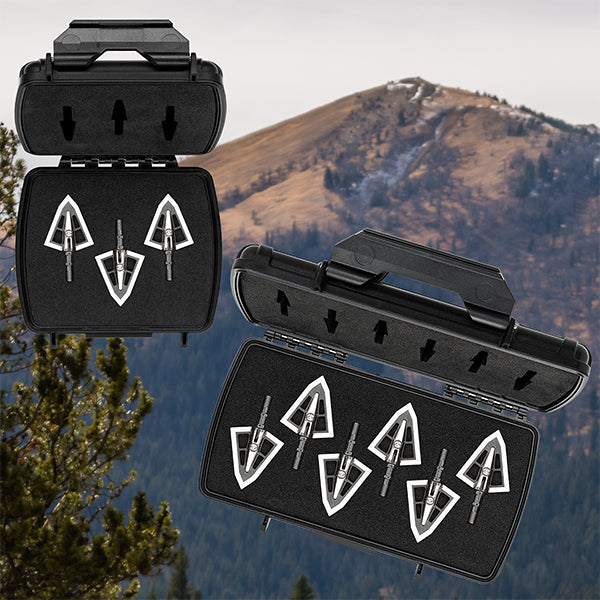
If you expect to encounter more than one of these situations on a hunt, a mixed quiver isn't a bad idea. We often carry S Series or Single Bevel as our first head for an elk hunt, but carry a couple Wide Series also in the quiver for those close range setups. And now also, we'll be carrying a SLR head for those long range shots when conditions may not be perfect.
Hopefully this helps you select the right Iron Will broadhead for your next hunt.