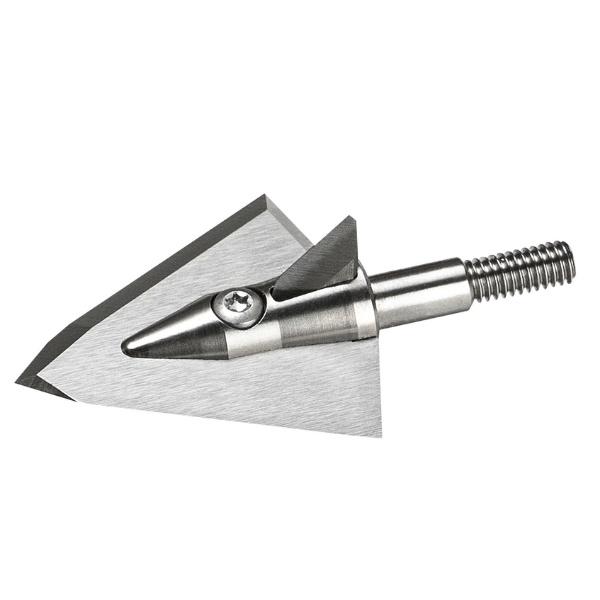
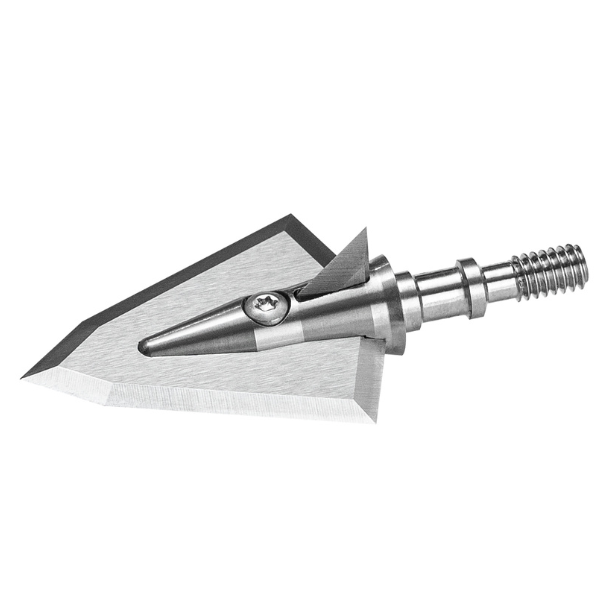
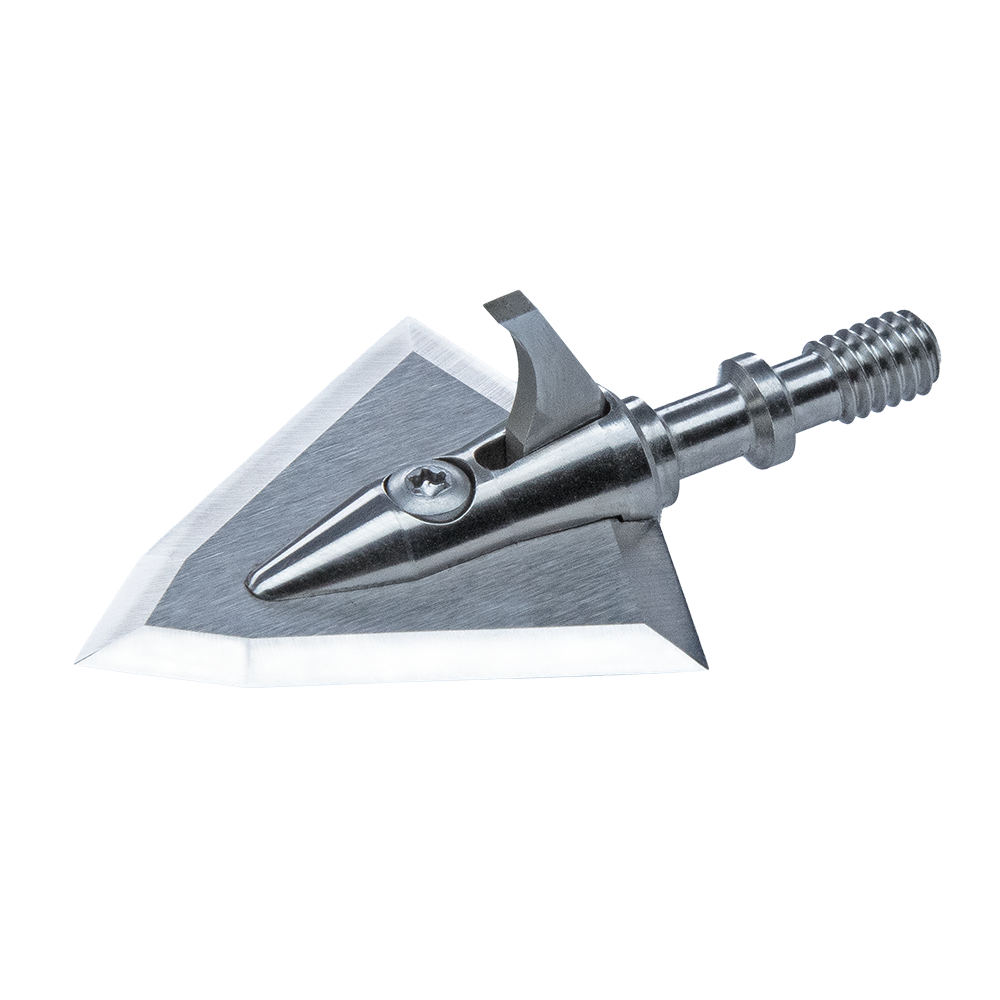
KEEP YOUR BROADHEADS READY
How To Clean, Inspect, and Protect Your Broadheads During and After Your Hunts






A great season puts your broadheads to the test. Blood, moisture, dirt and hard impacts are all part of the job—but proper care helps keep your blades performing at their best, hunt after hunt. Whether you're maintaining your broadheads in the field or putting them away after the season, a few simple steps can protect the edge, prevent corrosion and keep them ready for the next opportunity.
Blood, moisture, dirt and repeated use can take a toll on even the toughest blades. A few simple habits during the season can help protect your edges and keep your broadheads ready to perform when you get your shot opportunity.
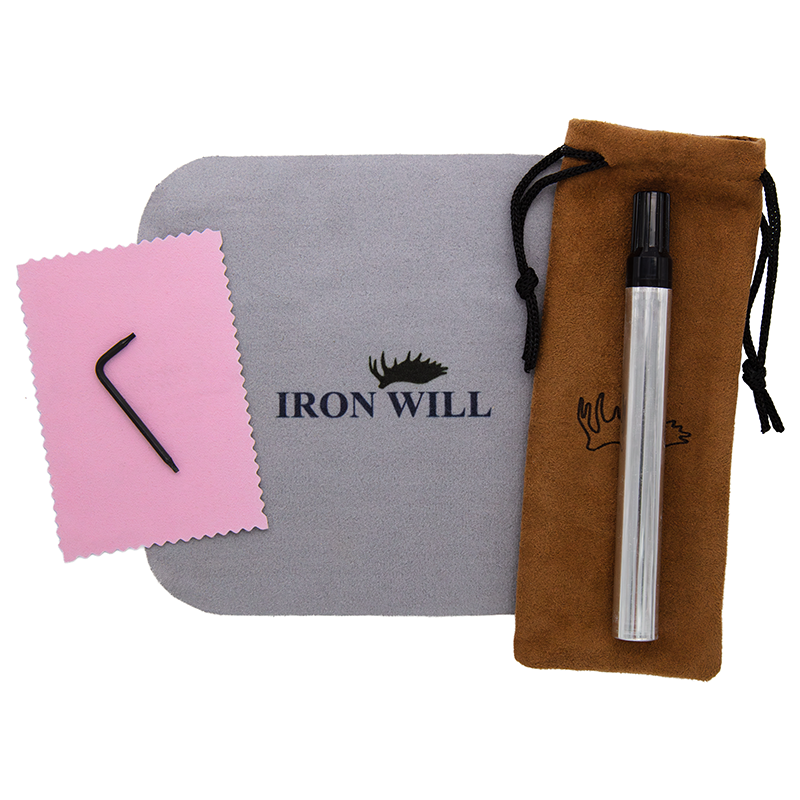
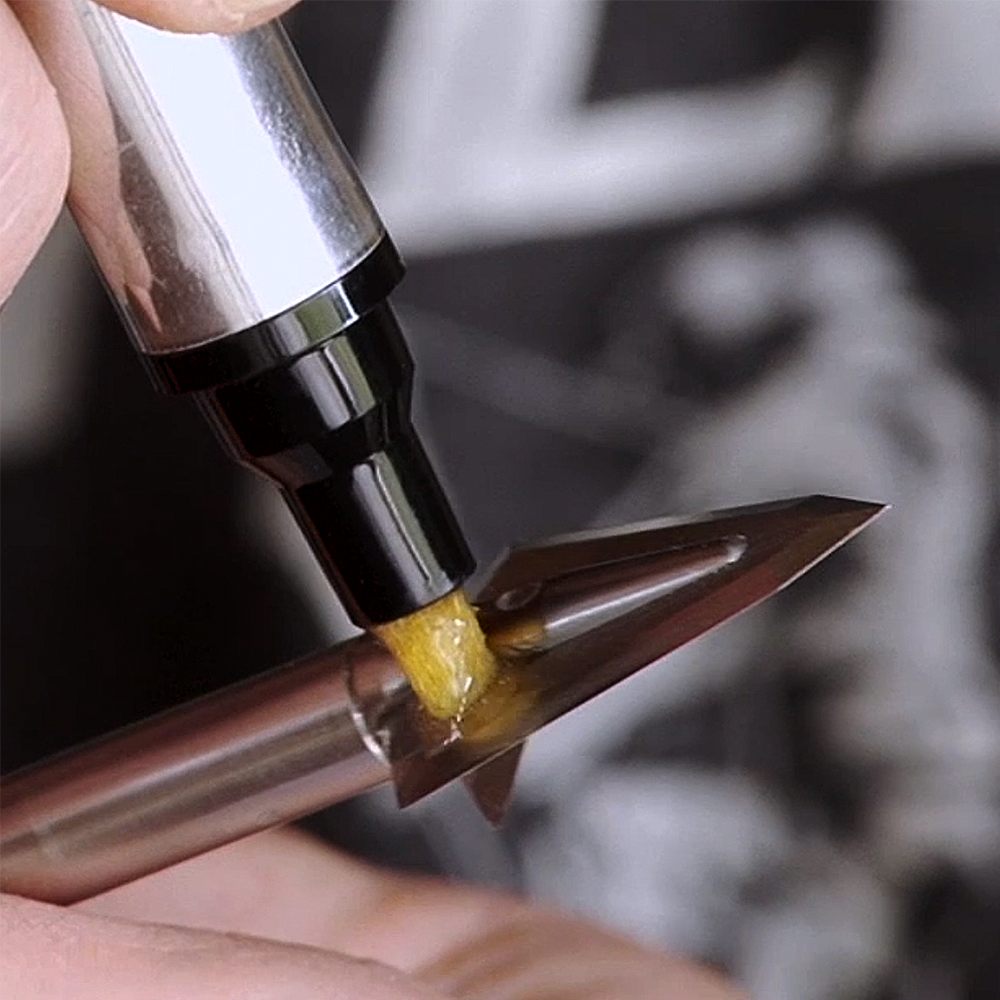
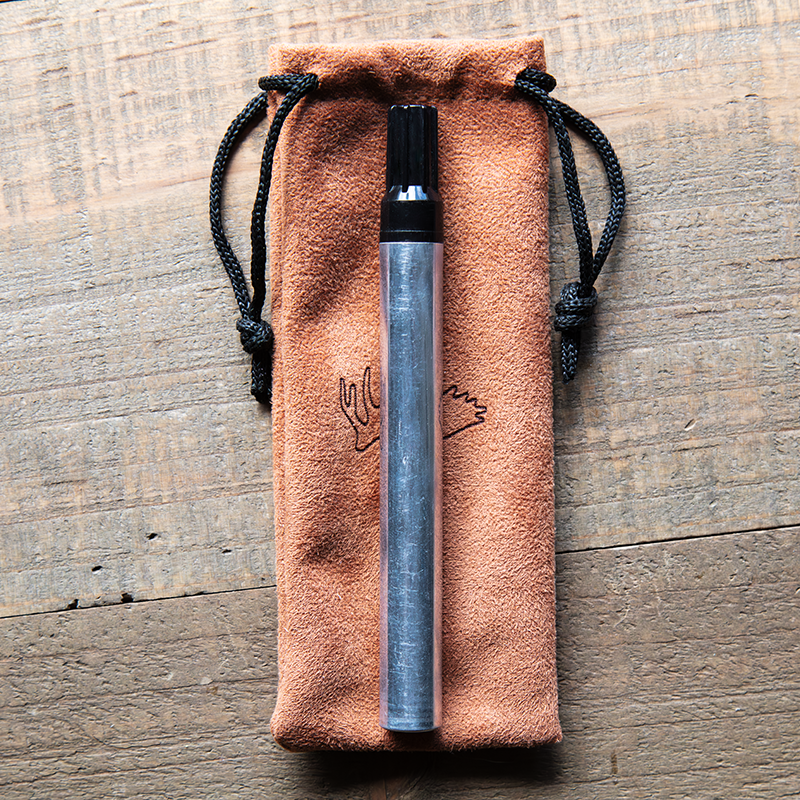
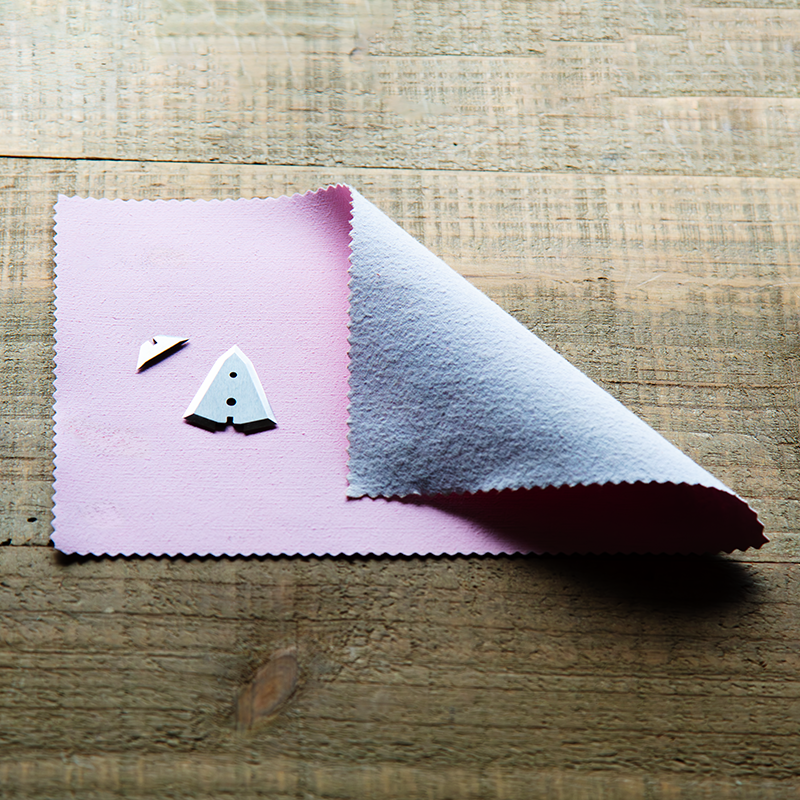
If you're hunting in wet conditions, don't simply leave wet broadheads sitting in a quiver or pack. Dry them after use and periodically apply a light coat of mineral oil to help protect the A2 steel from corrosion. Our Blade Oil Pen is ideal for blade oil application in the field.
Watch "How to Care for Your Iron Will Broadheads in the Backcountry" to see how we care for broadheads in the field.
A successful season can put your broadheads through a lot. Before you put them away, take the time to clean, inspect and protect them properly. A few minutes of maintenance now can help prevent corrosion, preserve your edges and ensure your broadheads are ready when next season arrives.
1) CLEAN YOUR BROADHEADS
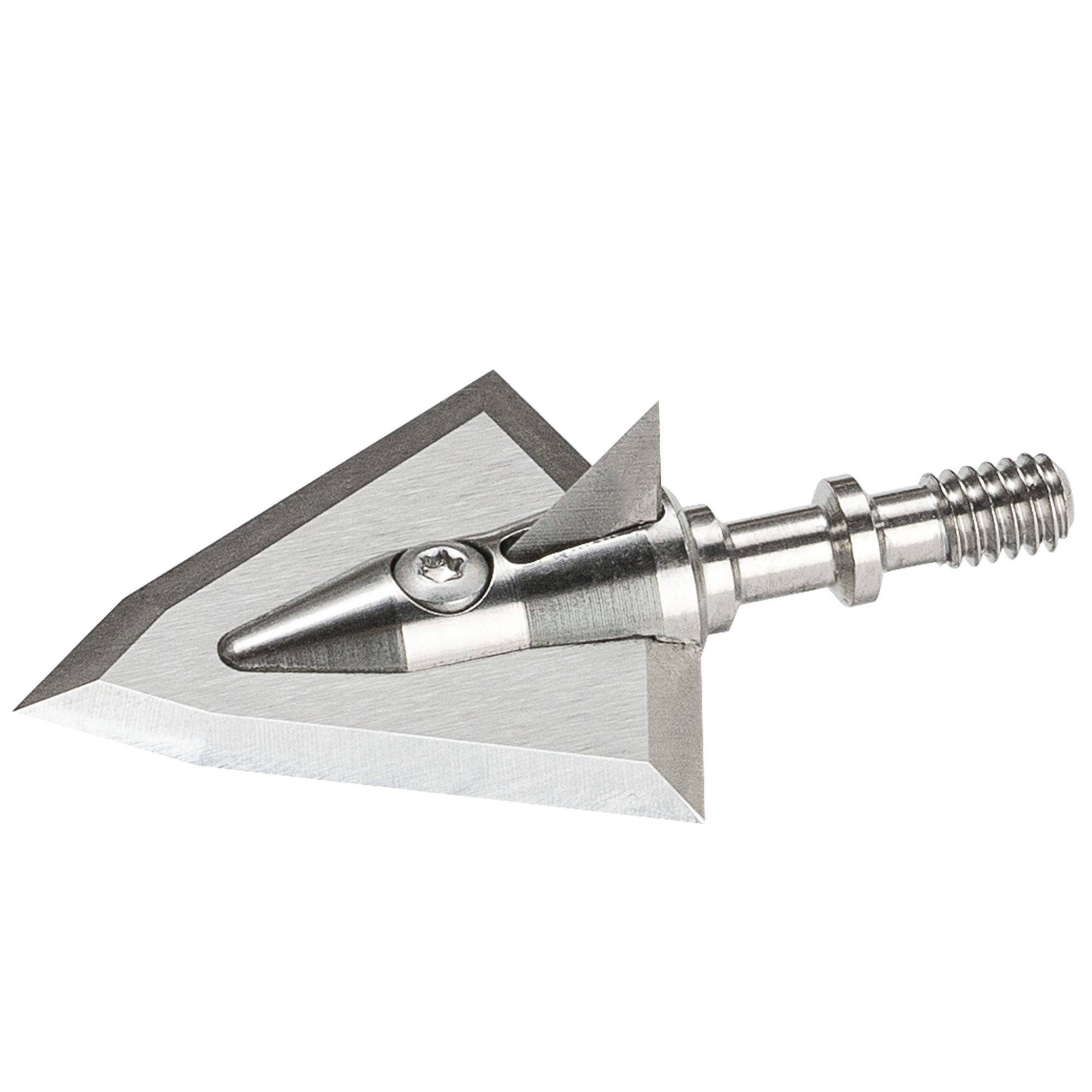
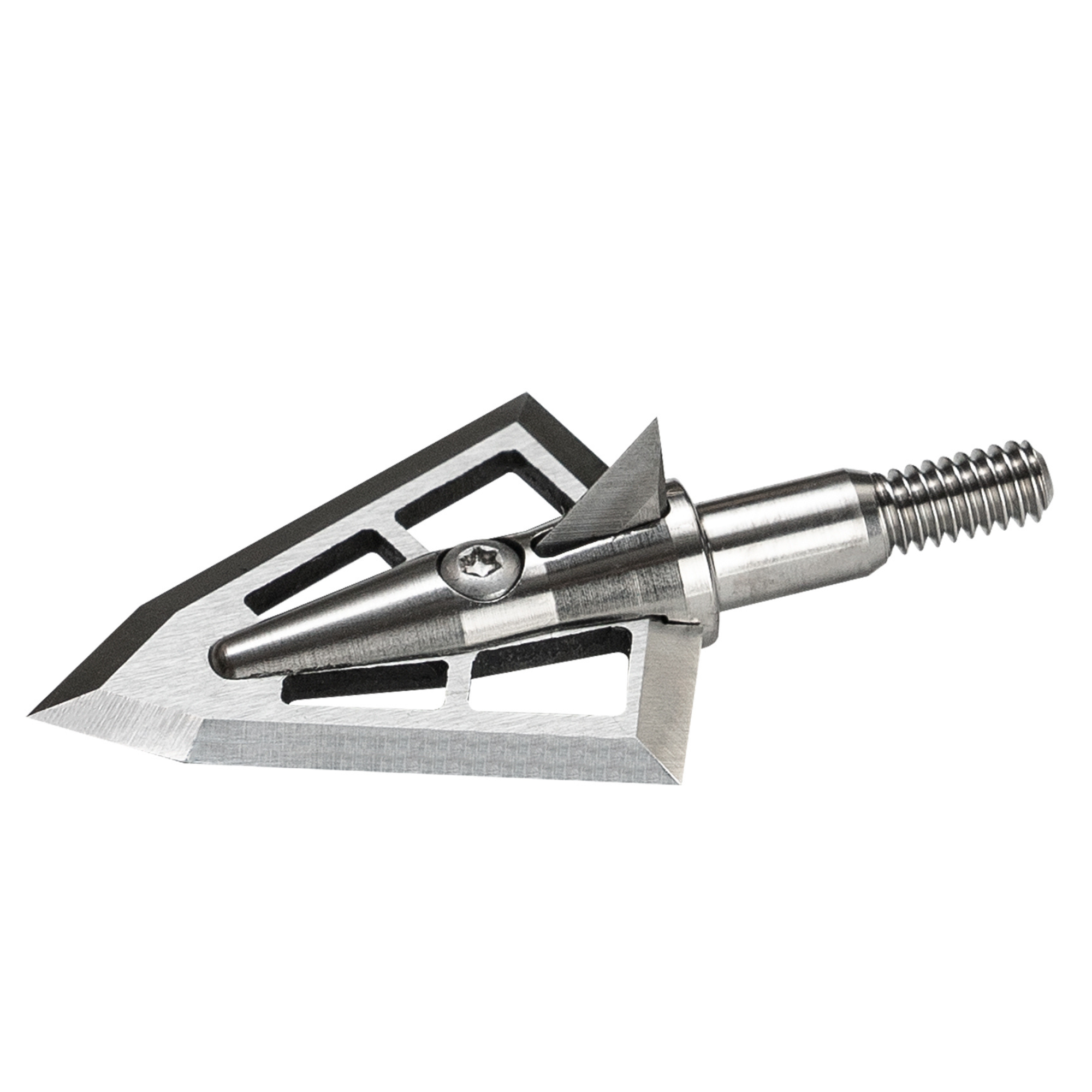
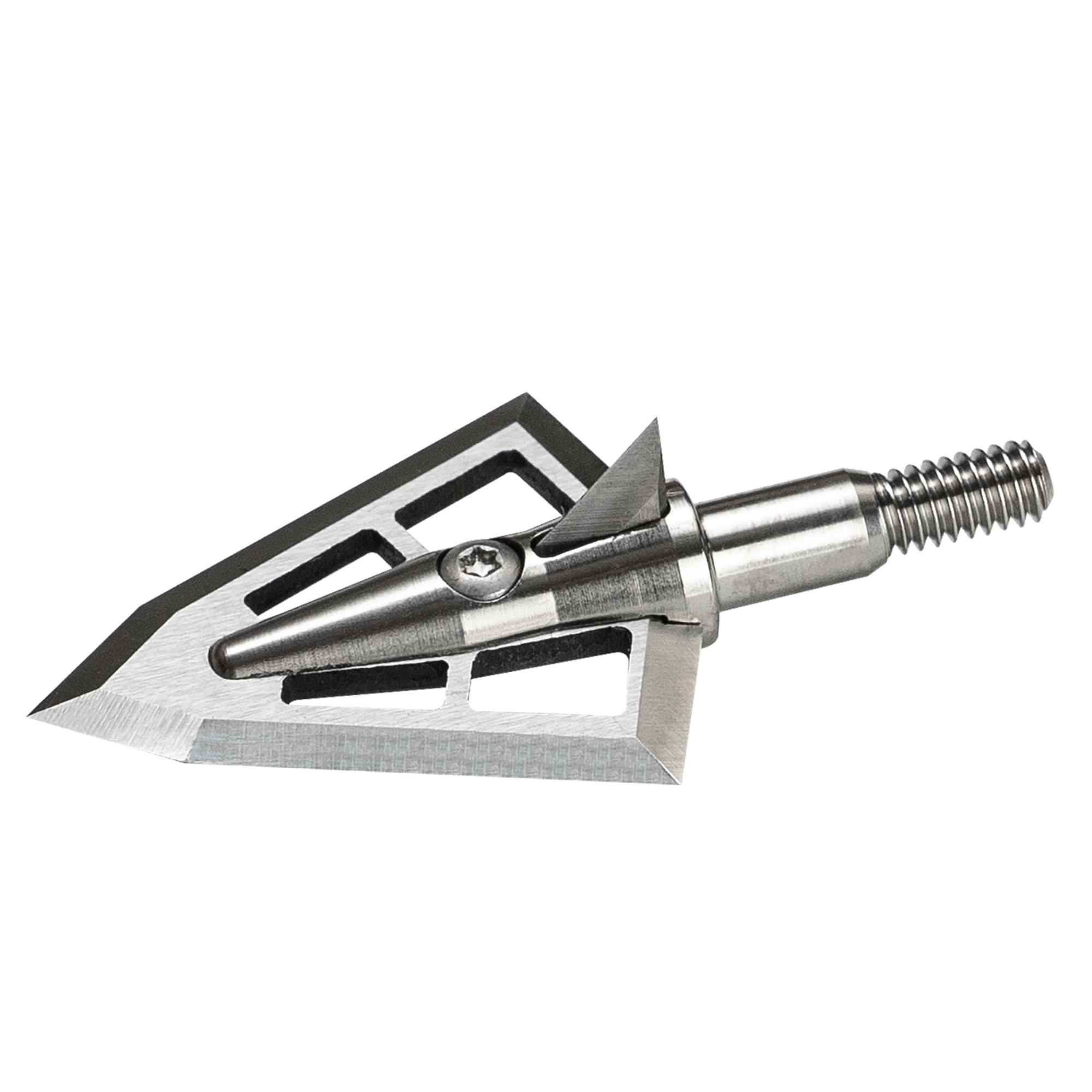
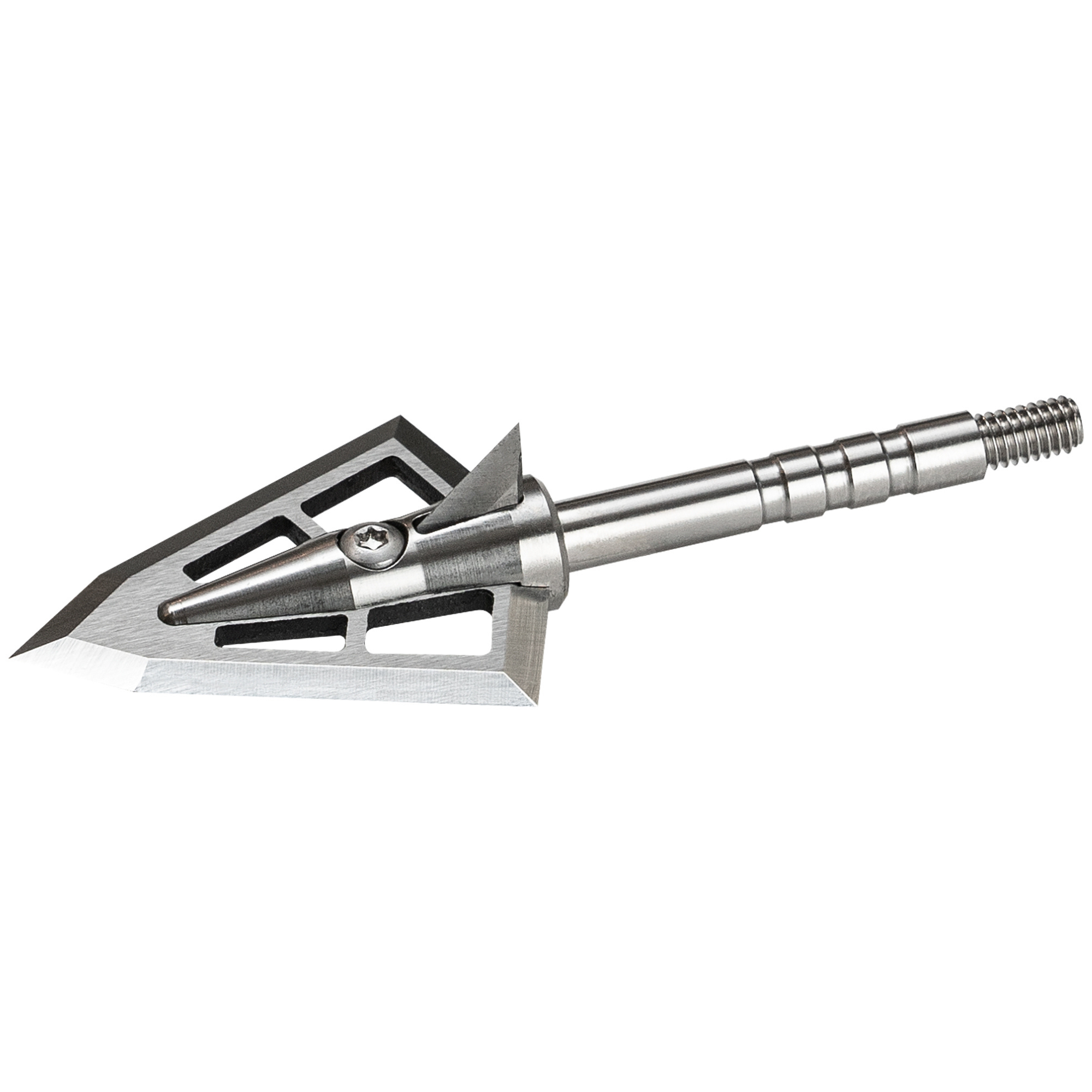
Start by removing blood, dirt and other debris from the blades and ferrule. Isopropyl alcohol is an effective way to clean your Iron Will broadheads and remove contaminants without leaving behind moisture.
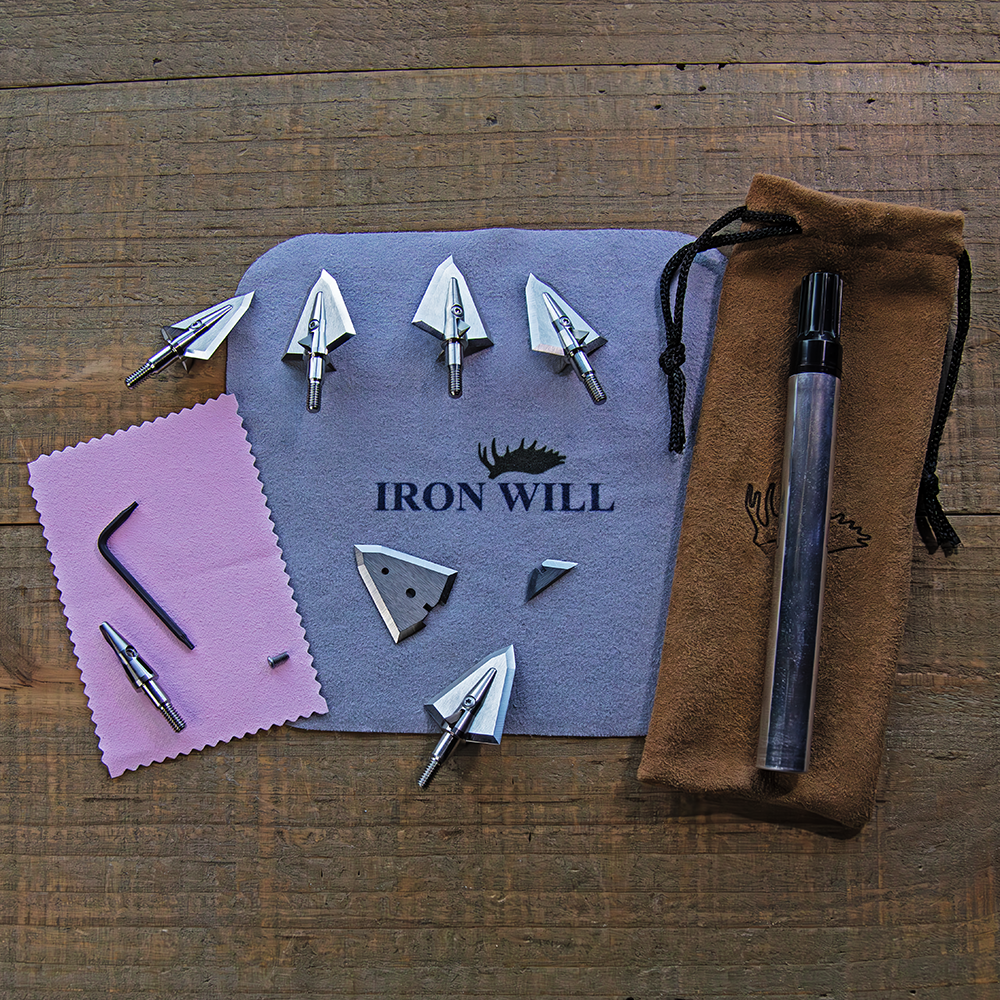
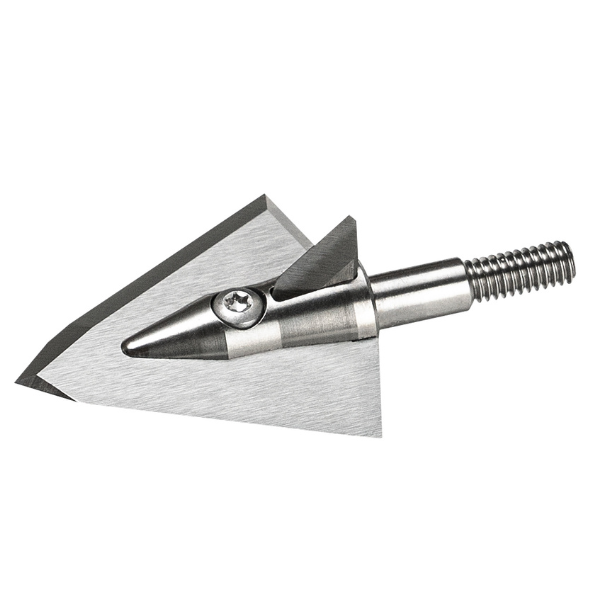
Broadheads can be cleaned assembled or disassembled. If you disassemble your broadhead, you will need a T6 Torx Driver and to take care not to damage the blade or ferrule during the process.
2) INSPECT YOUR BLADES AND FERRULE
Cleaning is also the perfect time for a thorough inspection.
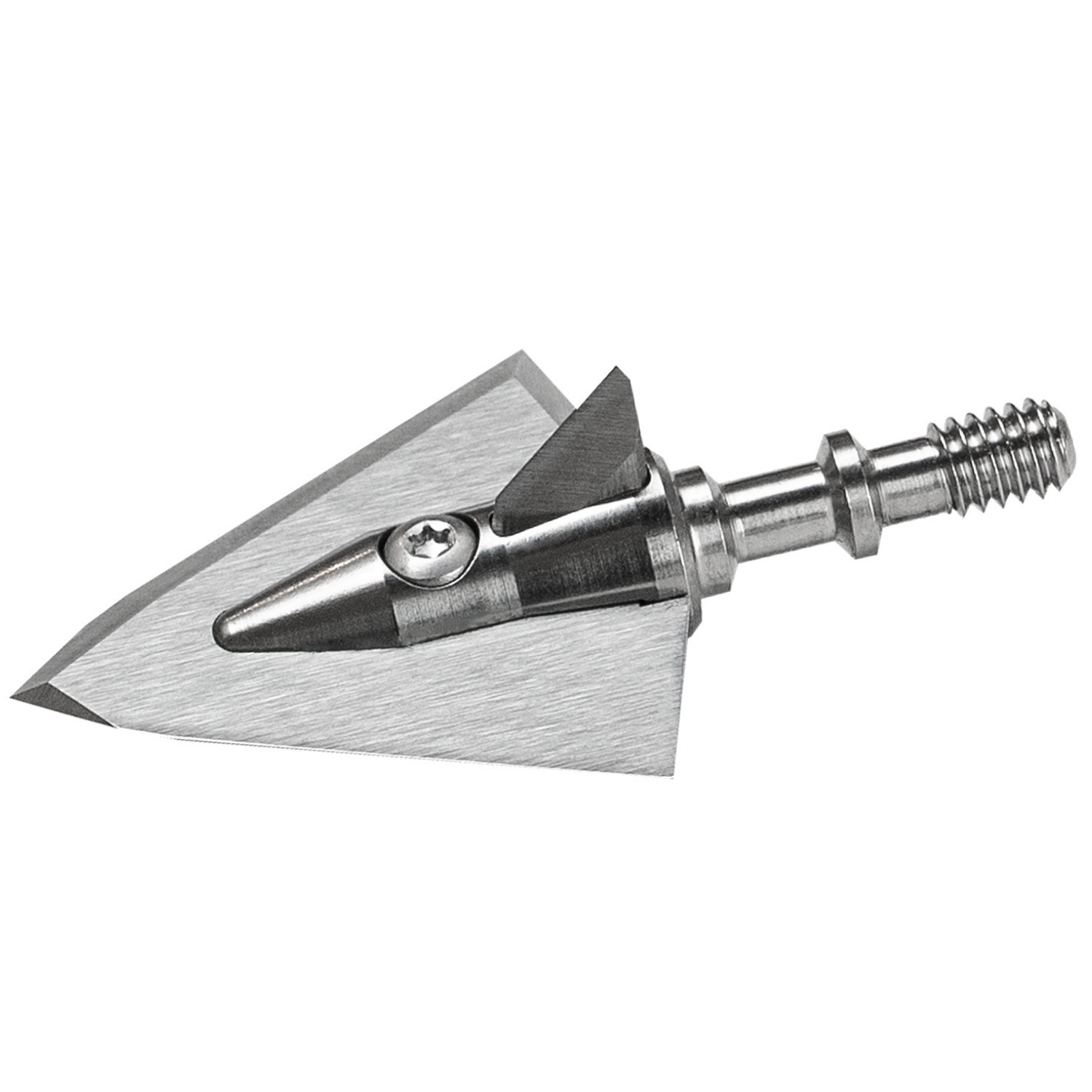
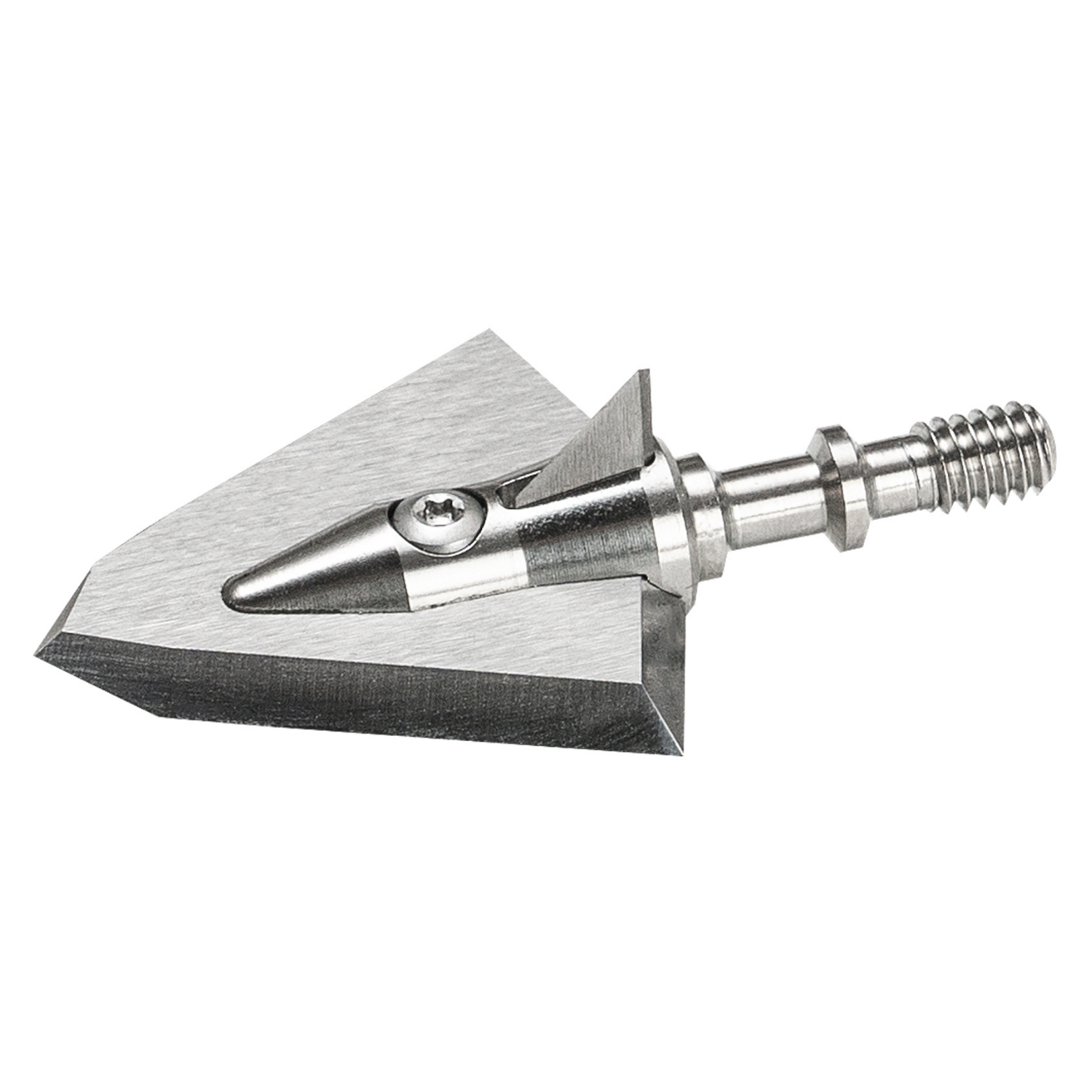
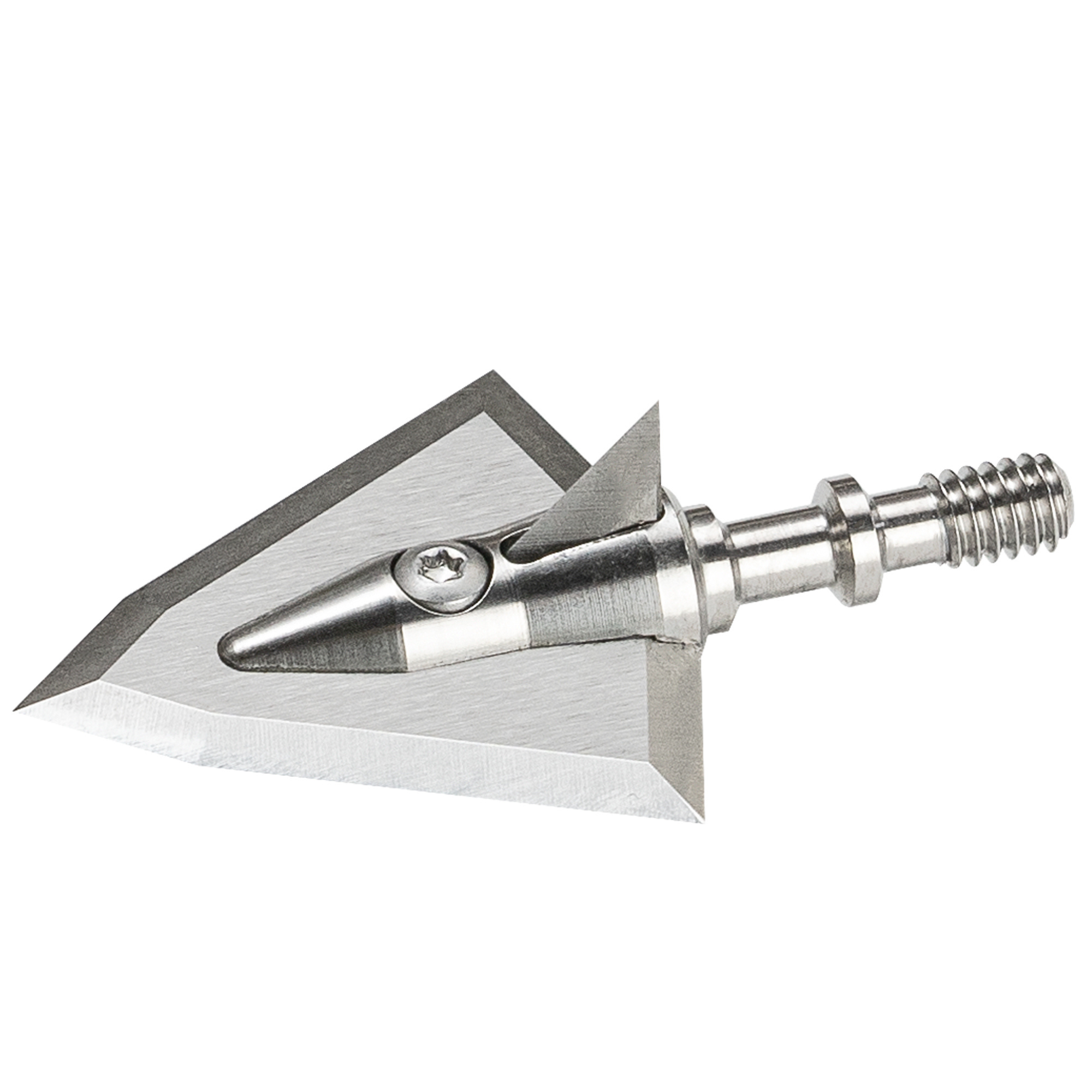
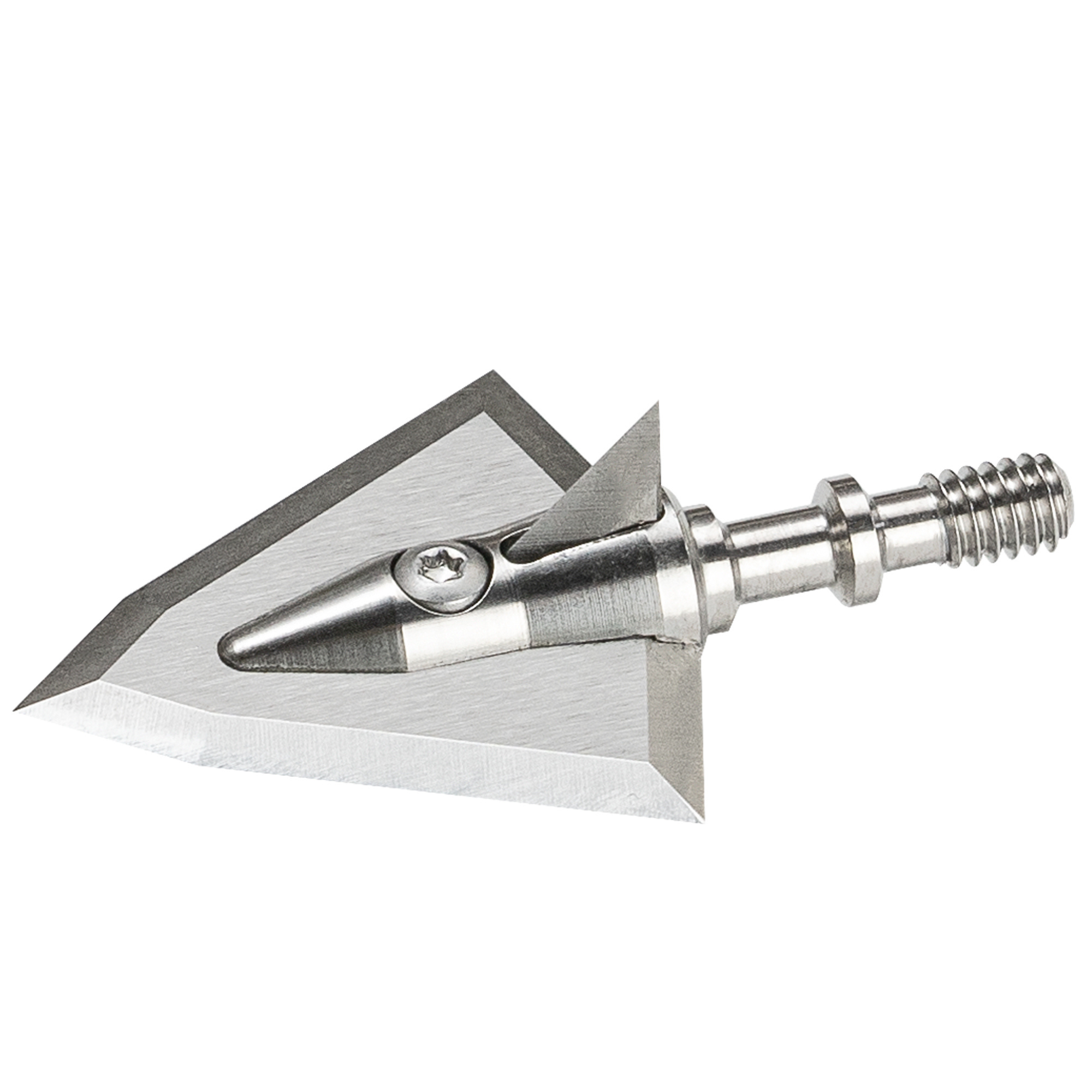
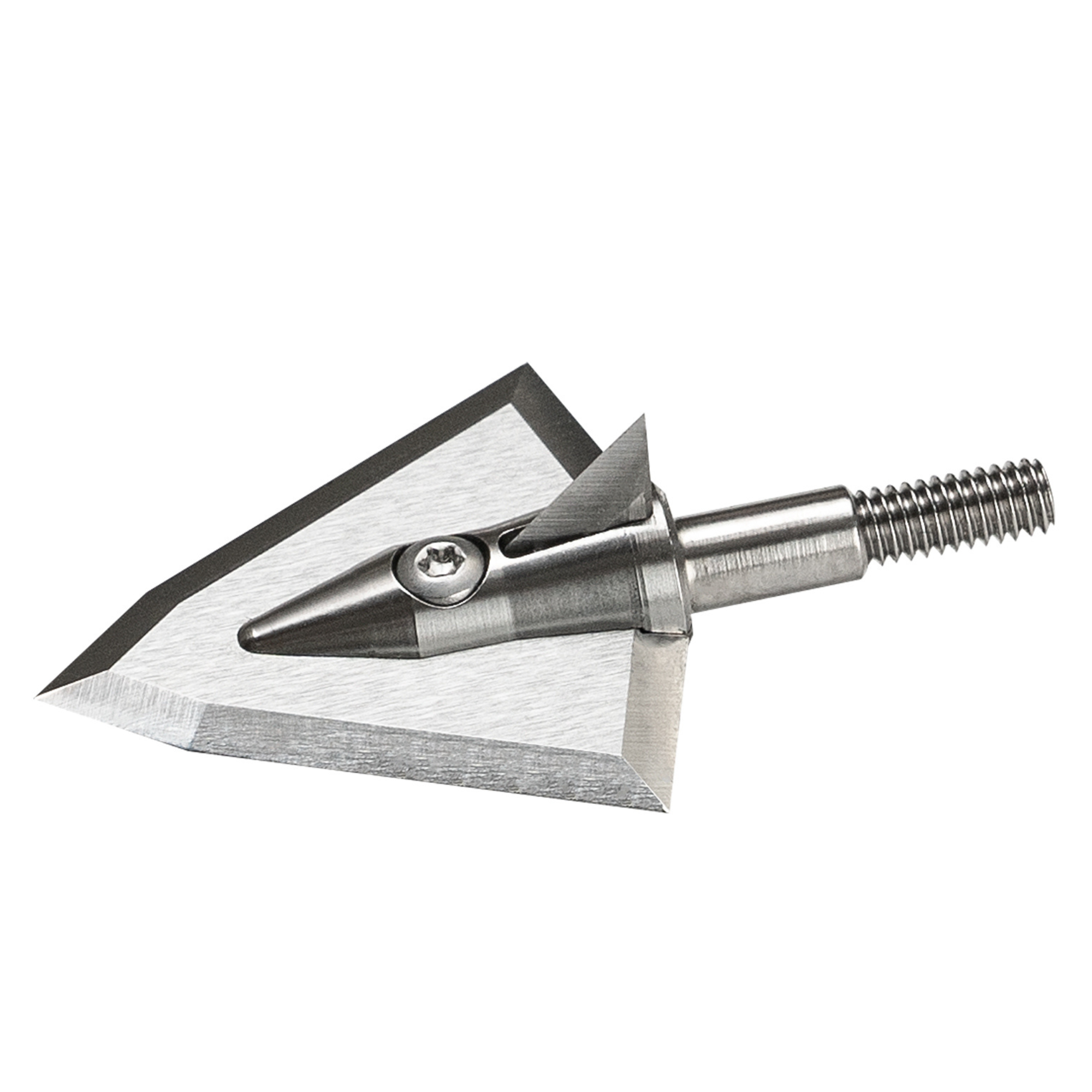
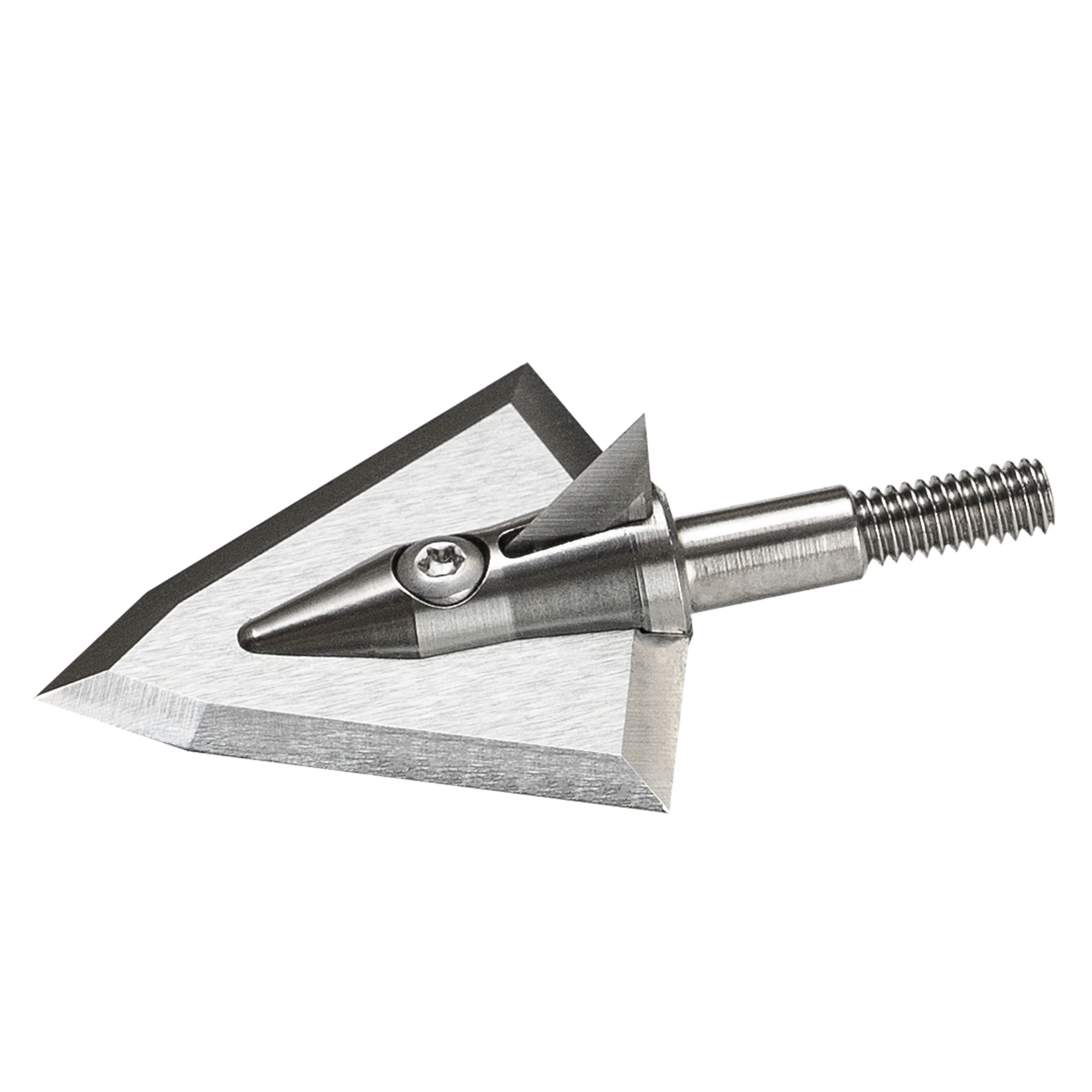
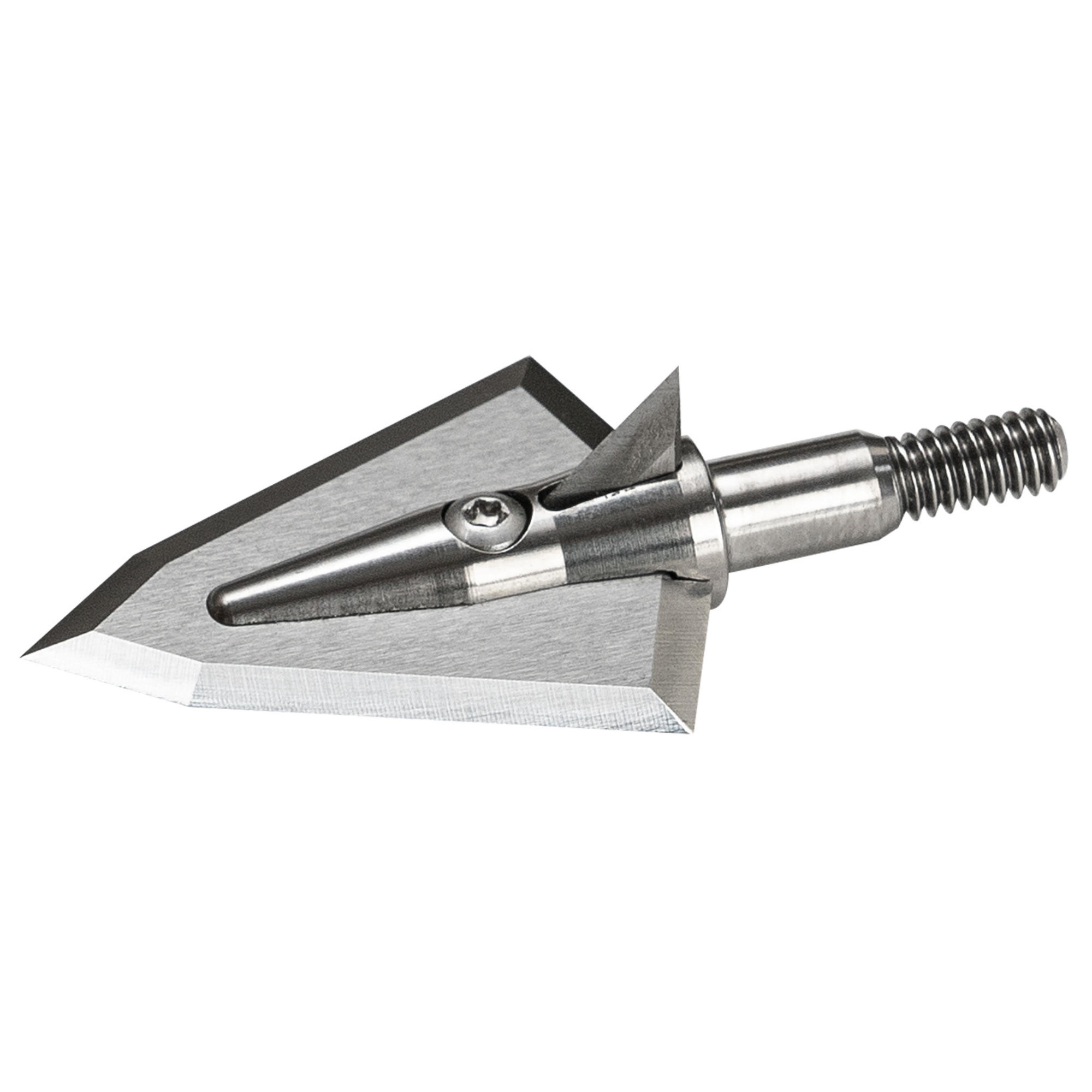
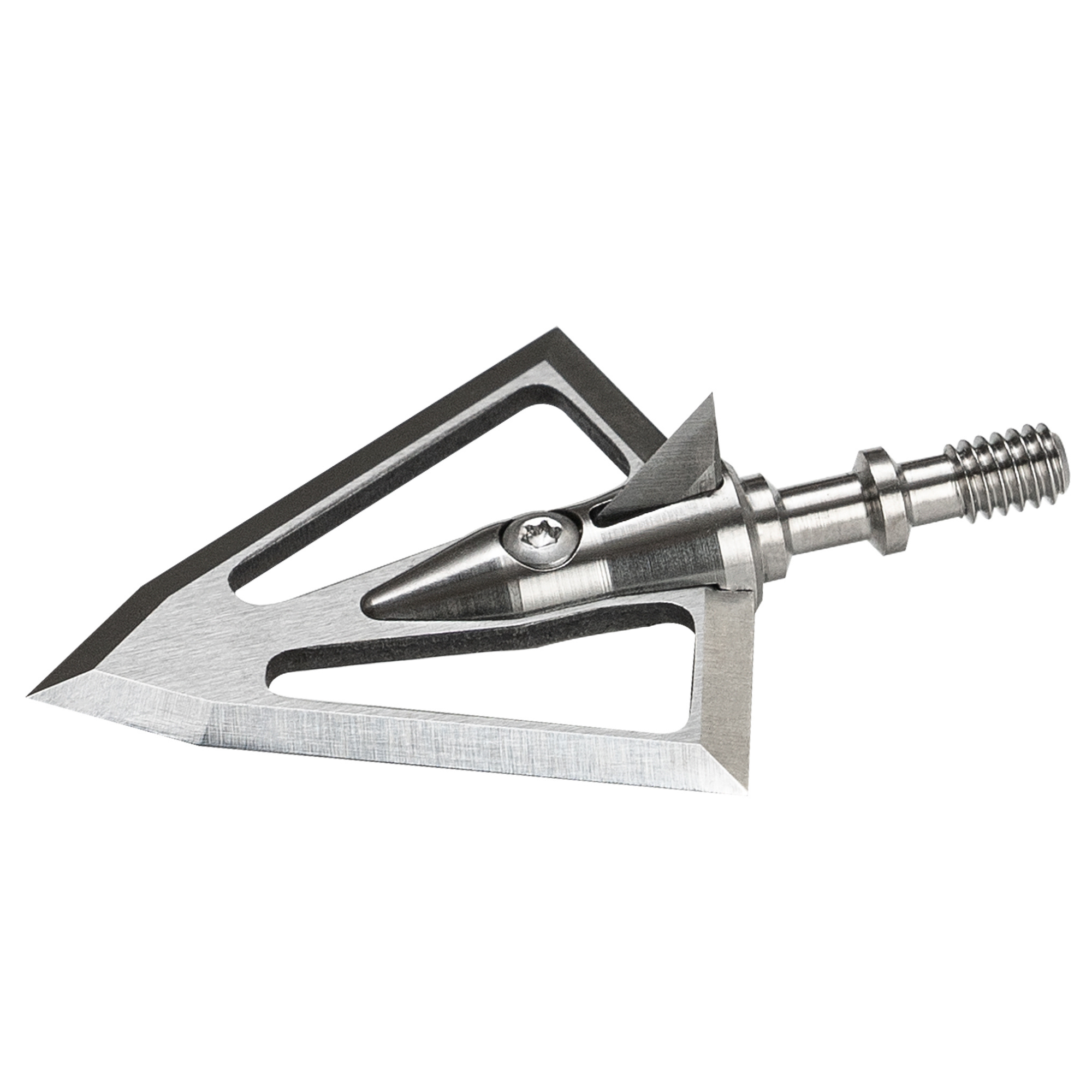
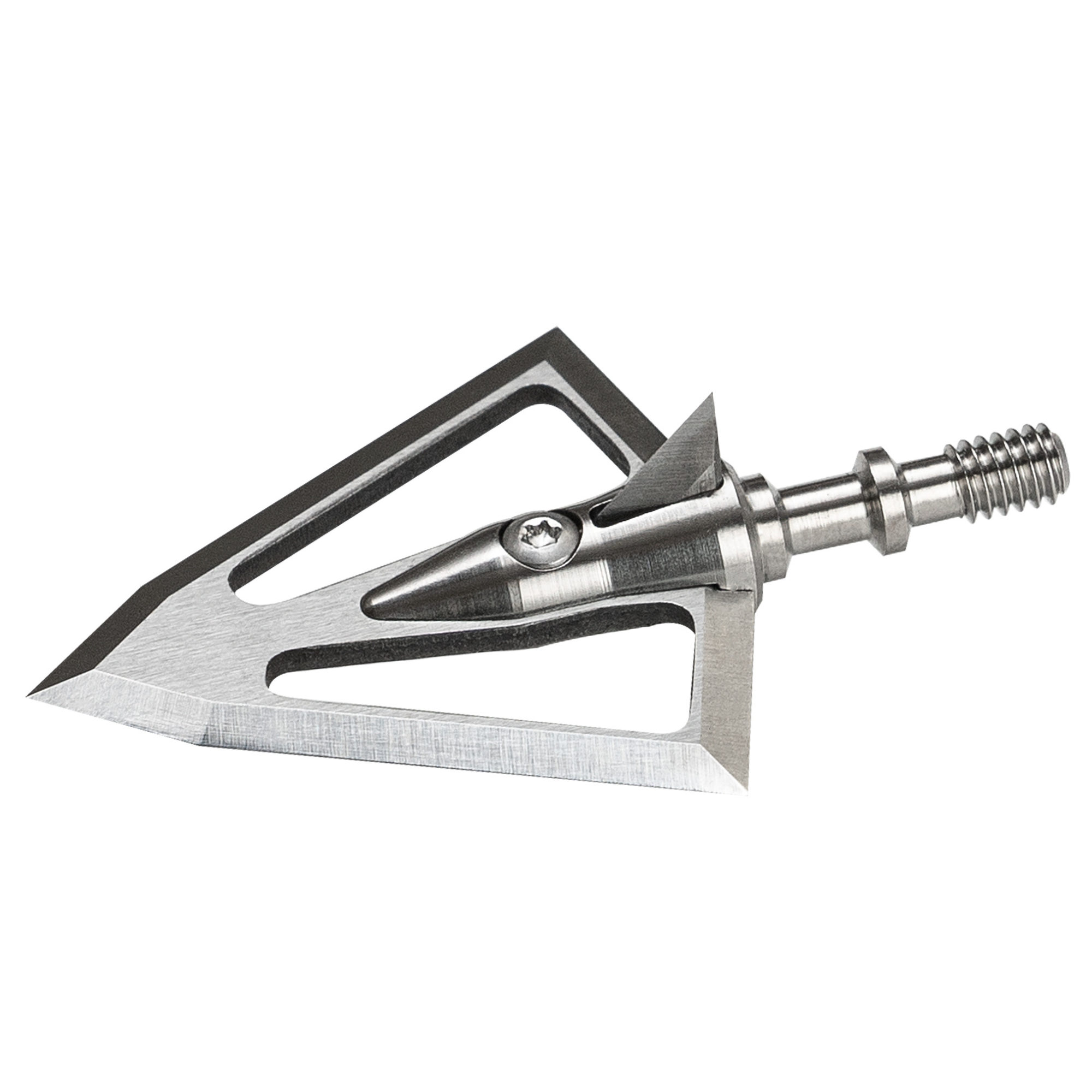
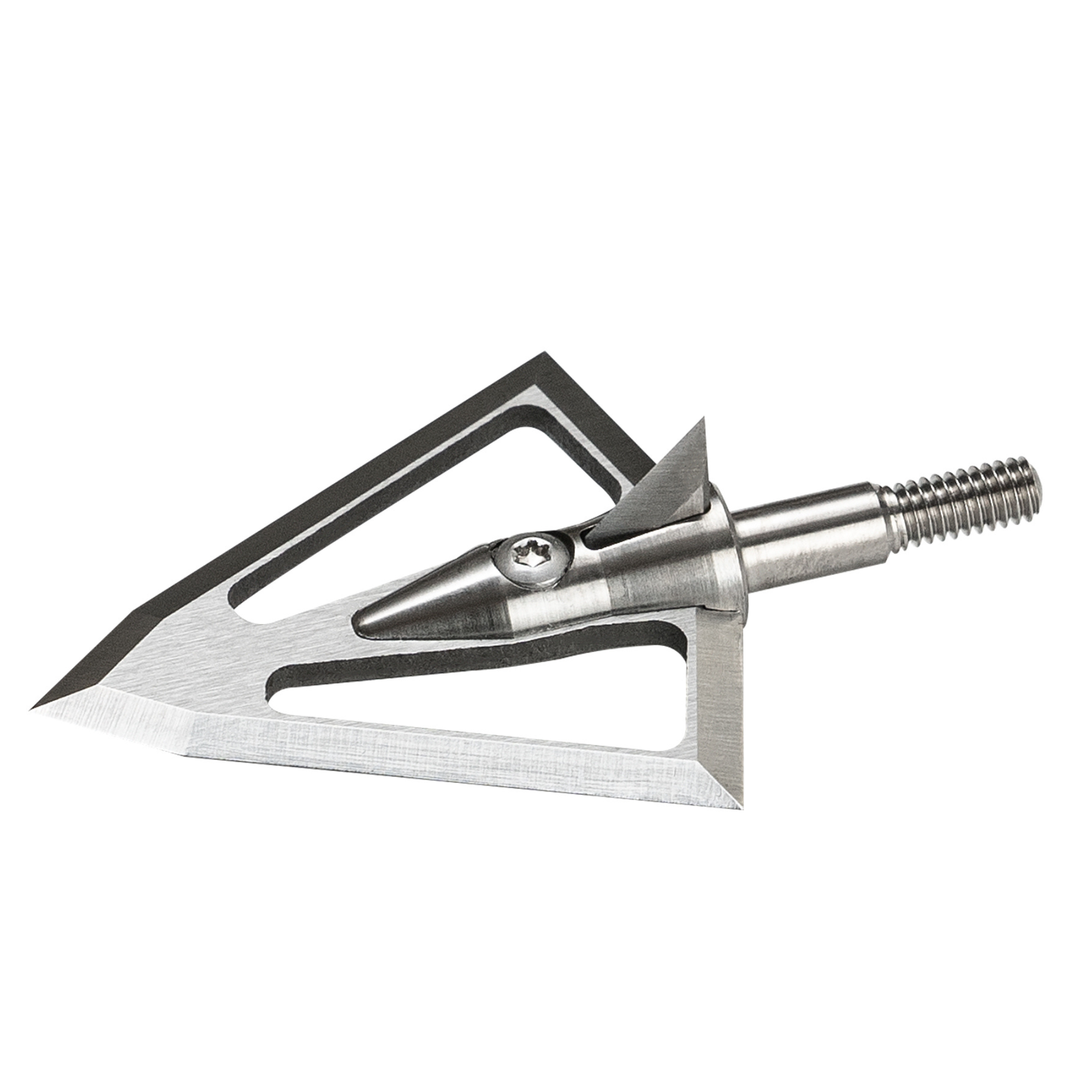
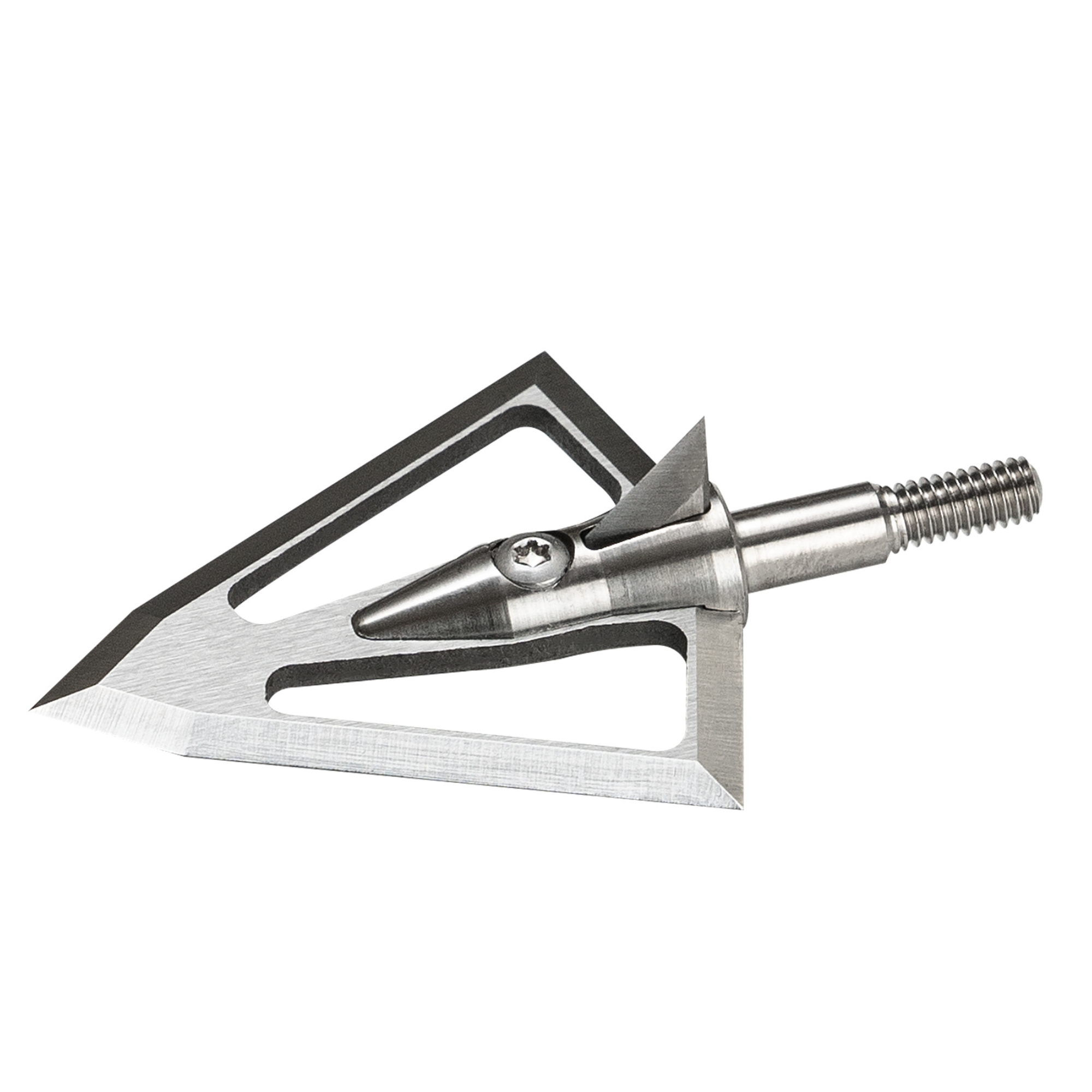
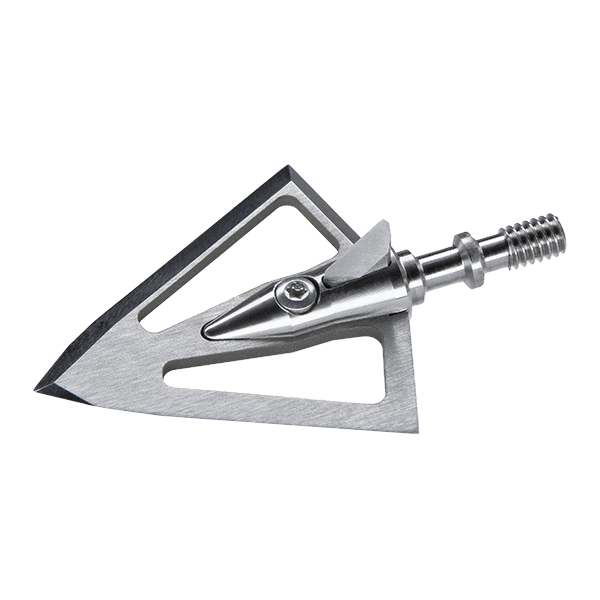
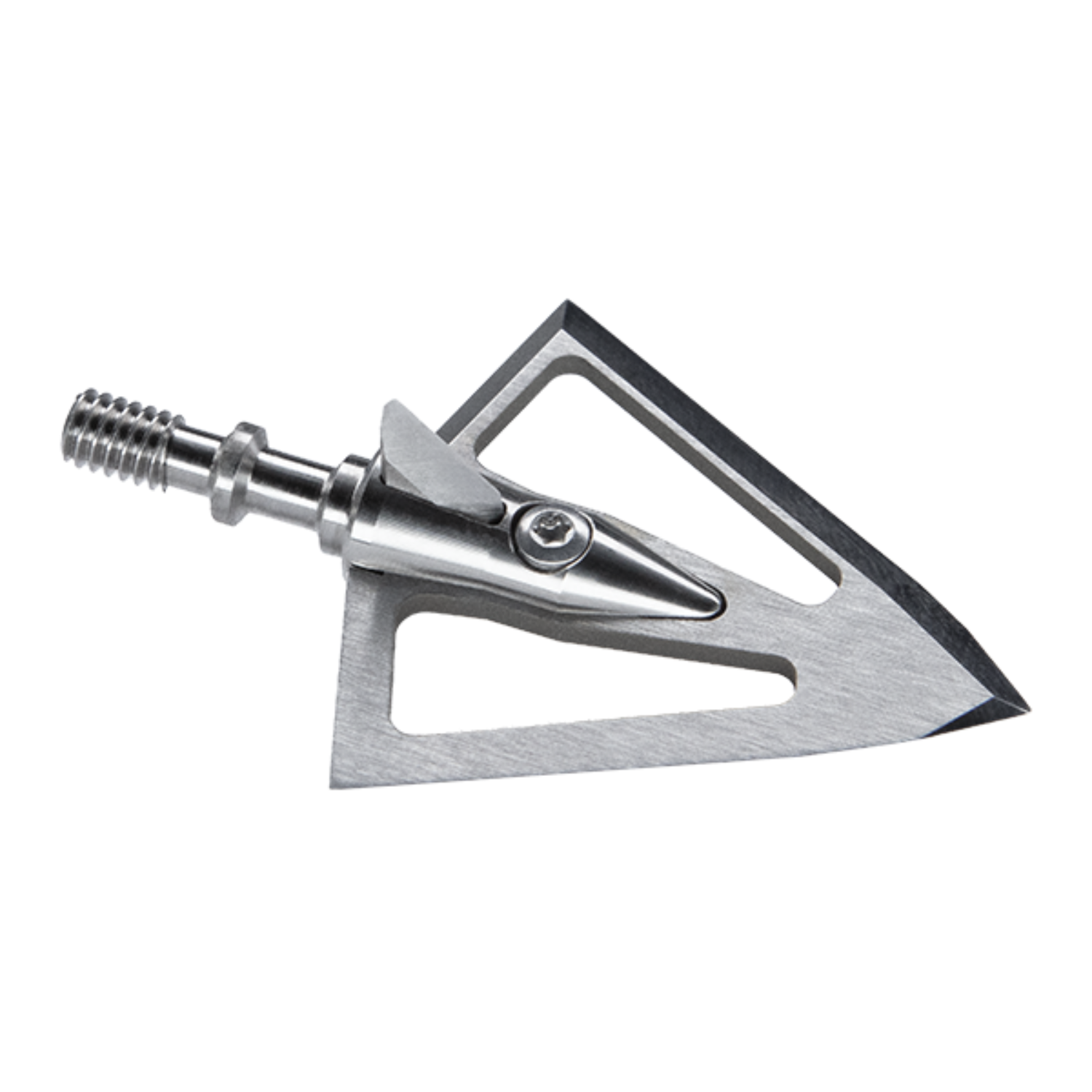
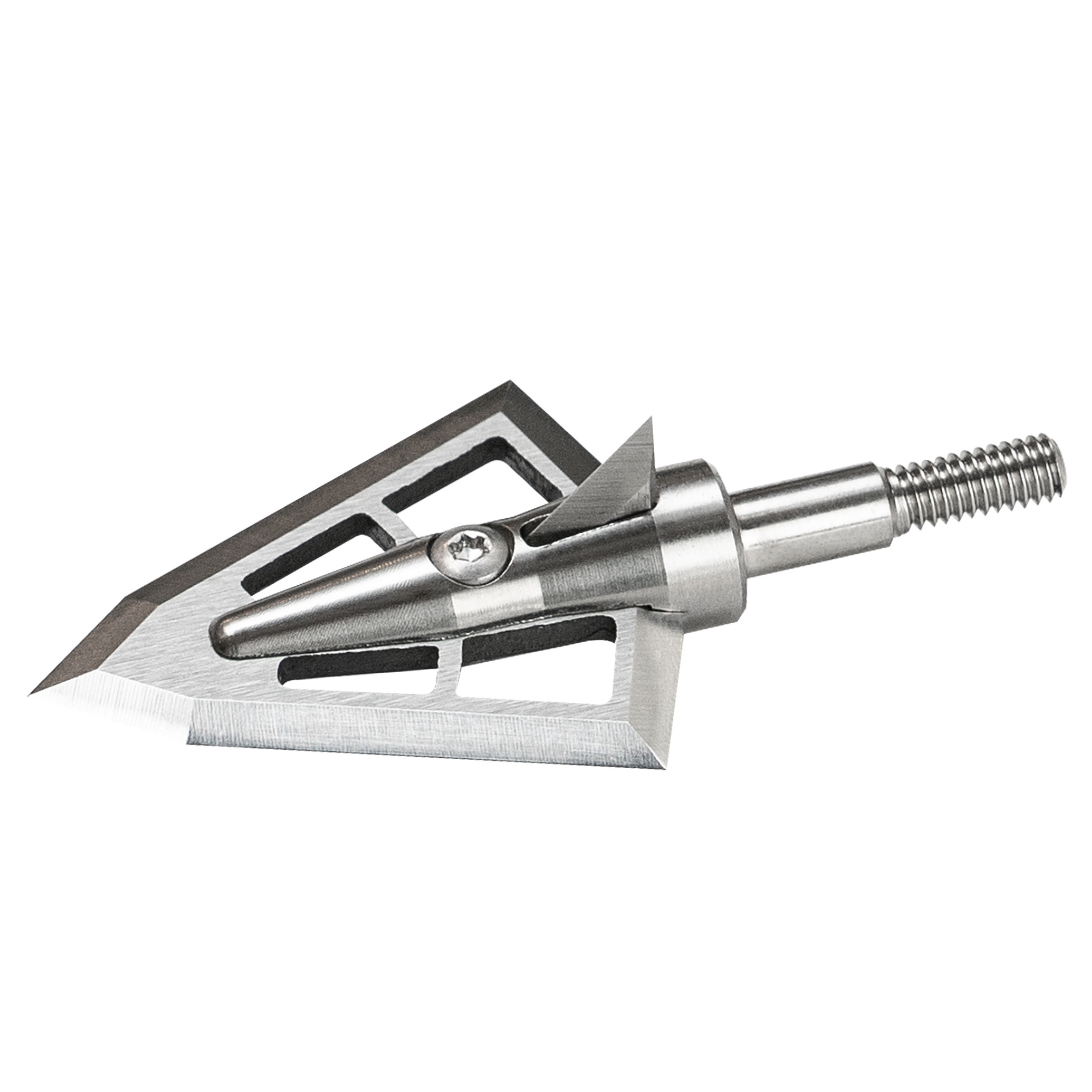
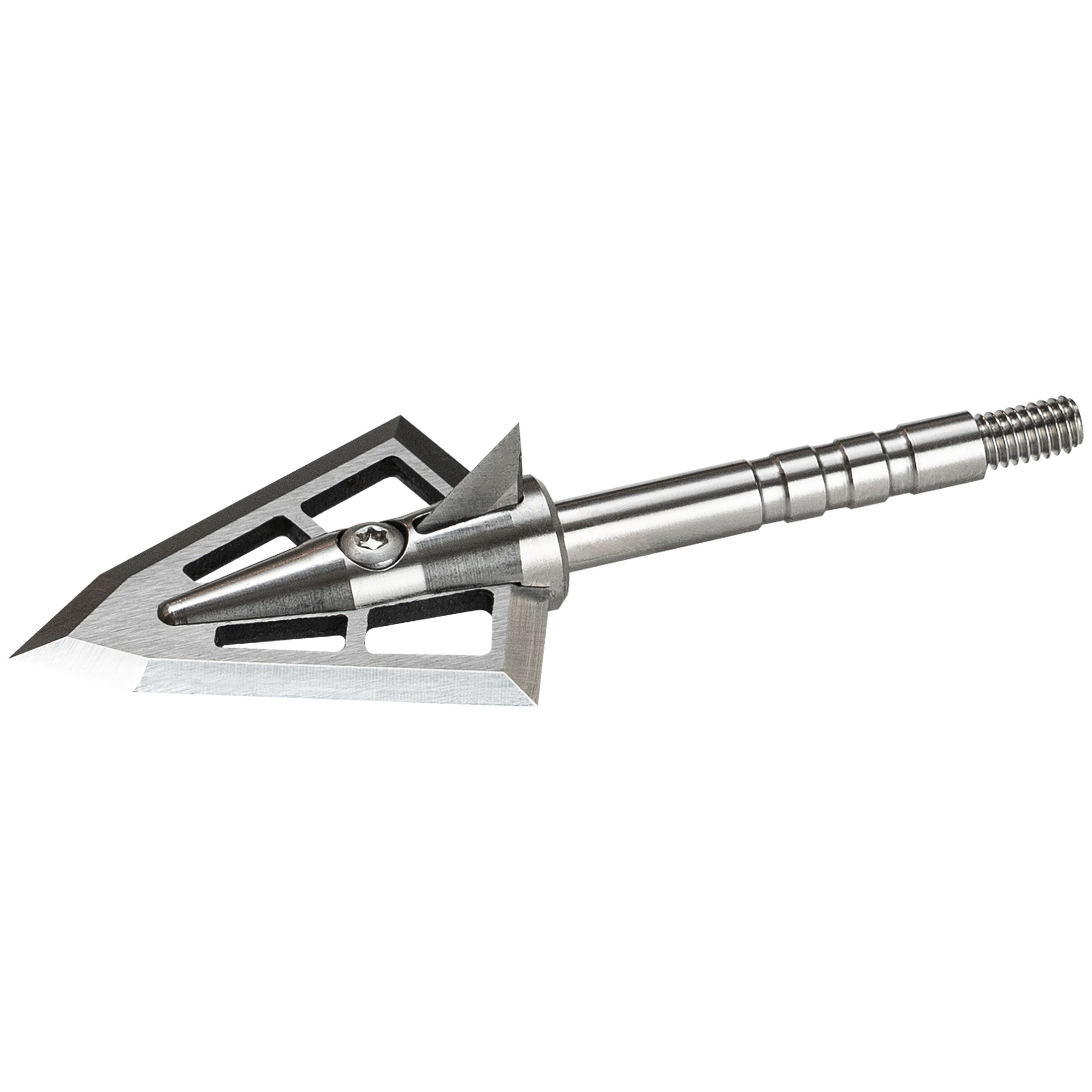
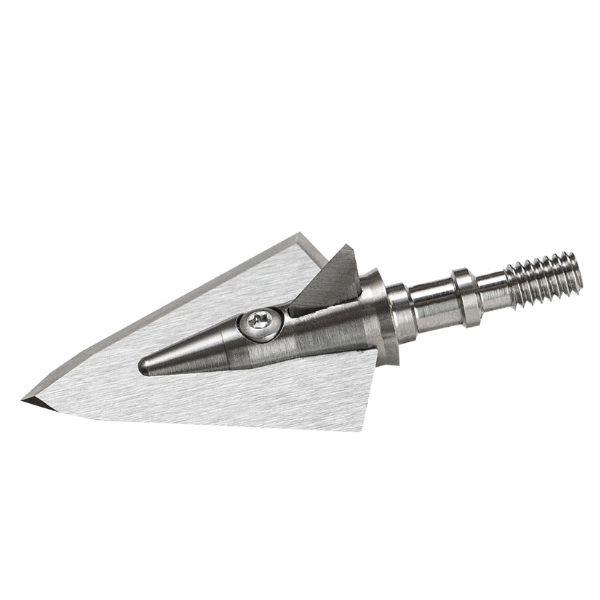
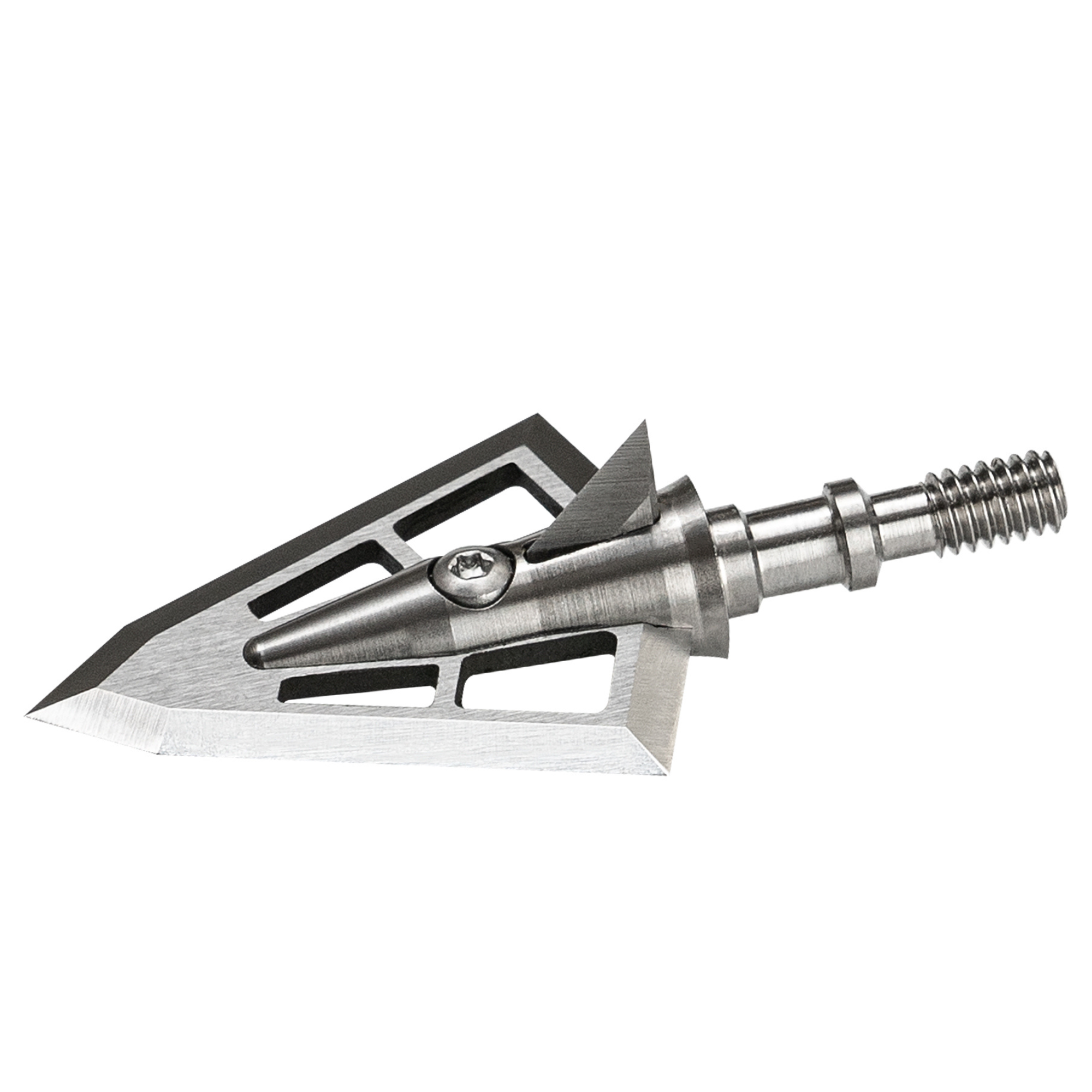
Look closely at the blade edge, ferrule and screw threads. Check for damage, deformation, excessive wear or anything that could affect performance. If a broadhead has experienced a hard impact, don't simply put it back in the case without inspecting it carefully. If it's not hunt-ready, don't store it as if it is.
3) ADDRESS CORROSION
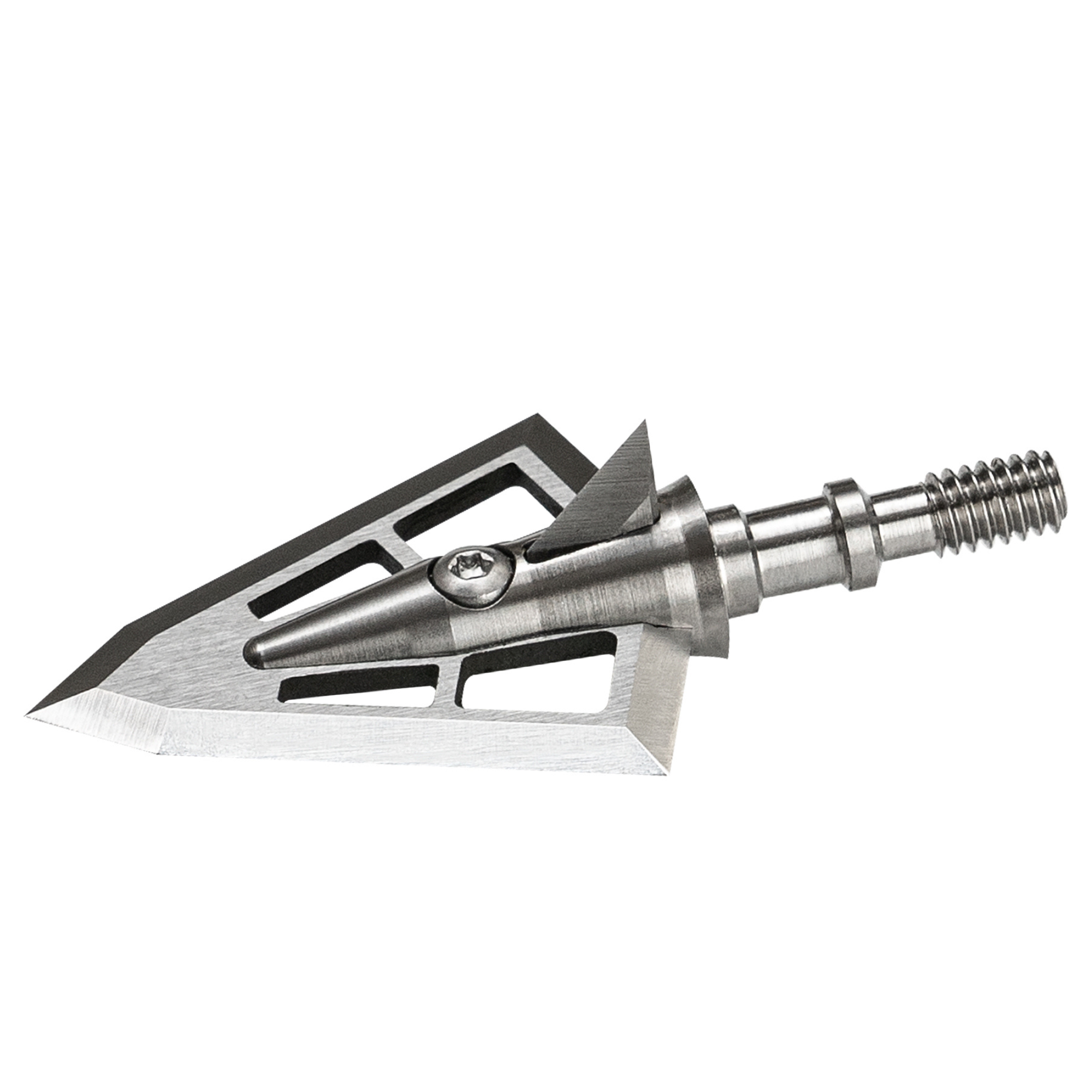
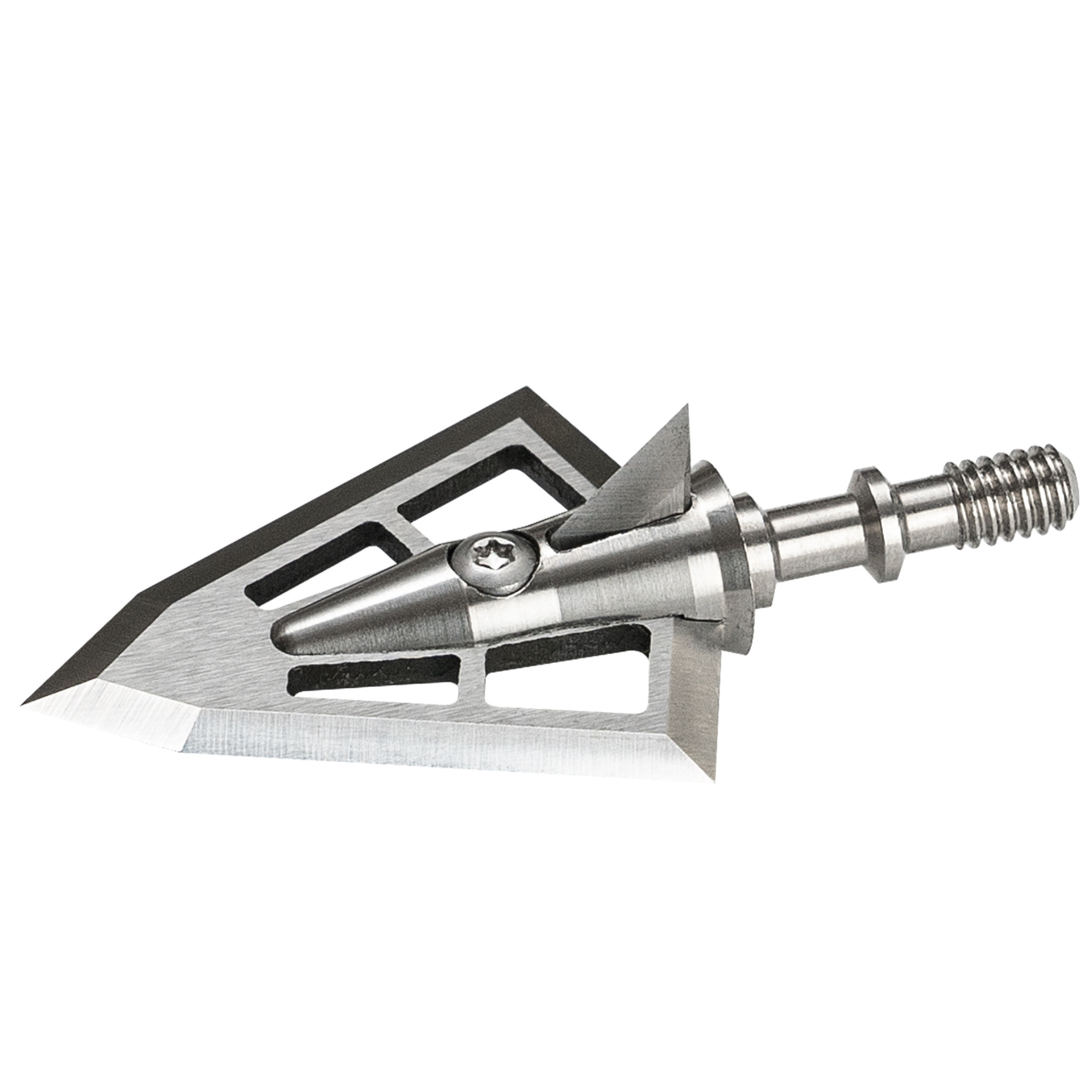
Iron Will uses high-hardness A2 Tool Steel because of its combination of hardness, edge retention and impact toughness. But A2 is not stainless steel, which means proper care is important to protect the steel from corrosion.
If you see light surface discoloration or corrosion, address it before long-term storage. Once the surface has been cleaned and restored, thoroughly dry the broadhead before moving on to the next step.
4) PROTECT YOUR STEEL
Before storing your broadheads, apply a thin coat of odorless, food-grade mineral oil to help protect the steel from moisture and corrosion. You don't need much. A light, even coating is all that's necessary.
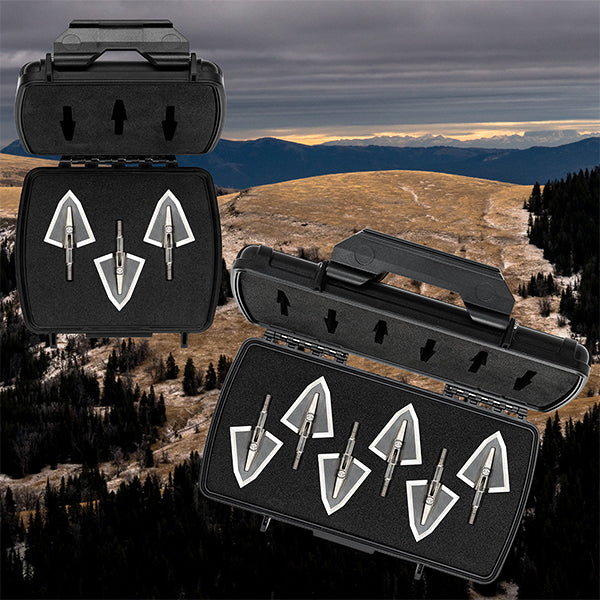
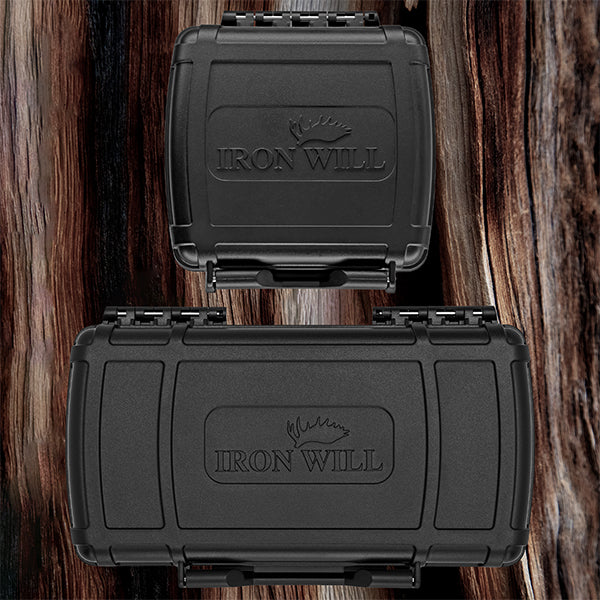
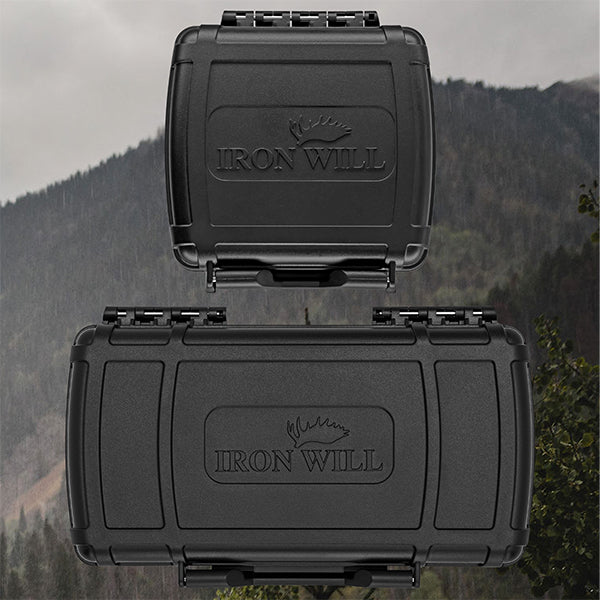
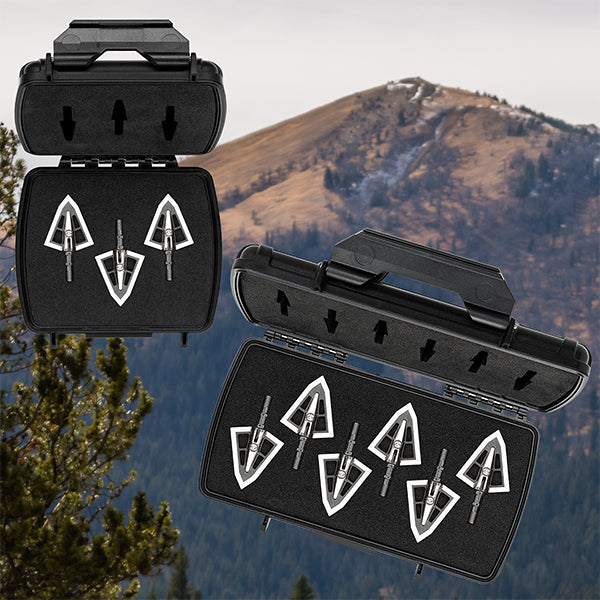
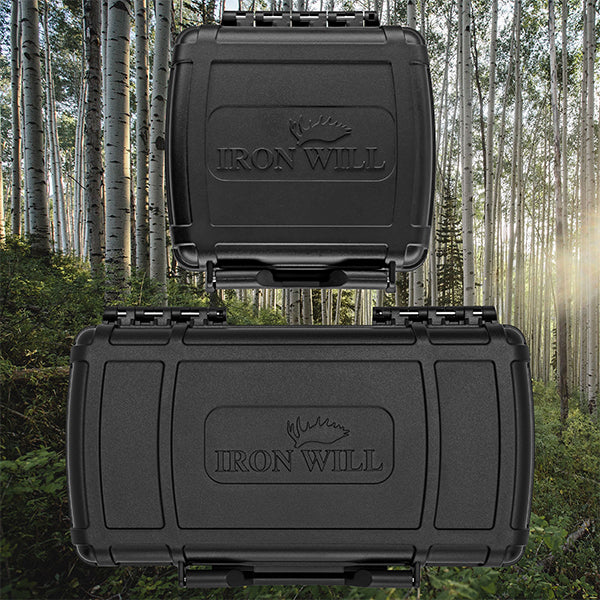
5) STORE BROADHEADS PROPERLY
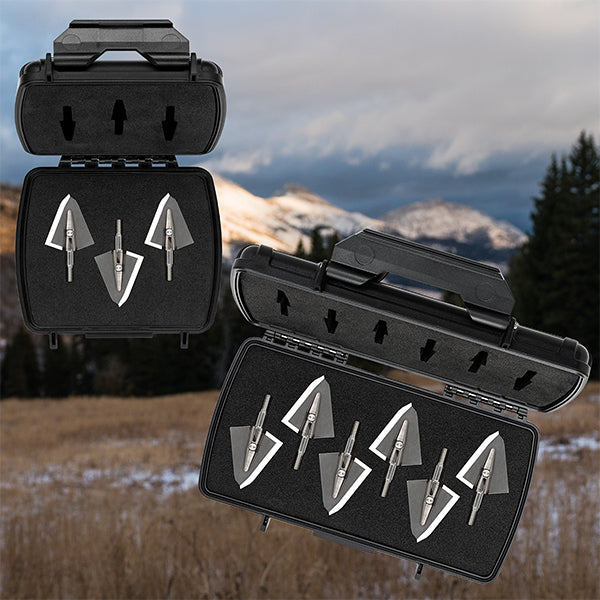
Finally, store your clean, dry and protected broadheads somewhere cool and dry where they won't be exposed to unnecessary moisture. Proper storage means your broadheads aren't sitting dormant, they're staying ready.