INCREASE ARROW PENETRATION
Without Increasing Your Draw Weight






Many bowhunters believe increasing bow poundage is the best way to improve arrow penetration, but that’s only part of the equation. In this video, we break down the relationship between draw weight, kinetic energy, and broadhead design to show what truly drives penetration in bowhunting.
More importantly, we explain how reducing the force required for penetration through better broadhead design can dramatically outperform increases in draw weight. Backed by testing and real-world application, this video shows how you can achieve deeper penetration, improve shot execution, and become a more effective bowhunter - all while reducing your draw weight.
To optimize your bow setup for bowhunting, it's important to understand the relationship between bow poundage and broadhead design for penetration.
Many hunters will increase bow poundage to increase penetration. As you increase bow poundage, your draw force curve, or your force over distance when you draw your bow back, will increase. The area under the draw force curve is to total energy that your bow supplies to the arrow. Since energy is force times distance, this energy will increase linearly with force. In other words, if you're drawing a bow back that's 77 pounds instead of 70 pounds, you'll get about 10% more stored energy in your bow.
At the shot, the stored energy becomes kinetic energy with the arrow. So you'll now have about 10% more kinetic energy in the arrow as it's traveling downrange.
At impact, this kinetic energy is converted to work on the arrow, which is force times distance. So 10% more energy is roughly going to give you 10% more penetration, assuming the force is the same as the arrow penetrates through the animal.
In other words, adding 10% more to your bow's draw weight would result in 10% more animal penetration.
Alternatively, you could choose a broadhead design that reduces that force to penetrate. Again, whatever energy you have in the arrow at impact is going to become force times distance through the animal. If you can decrease that force, you'll also increase penetration.
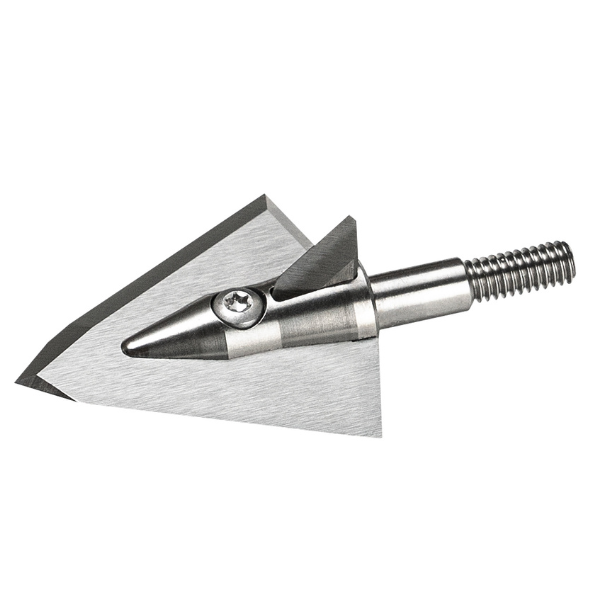
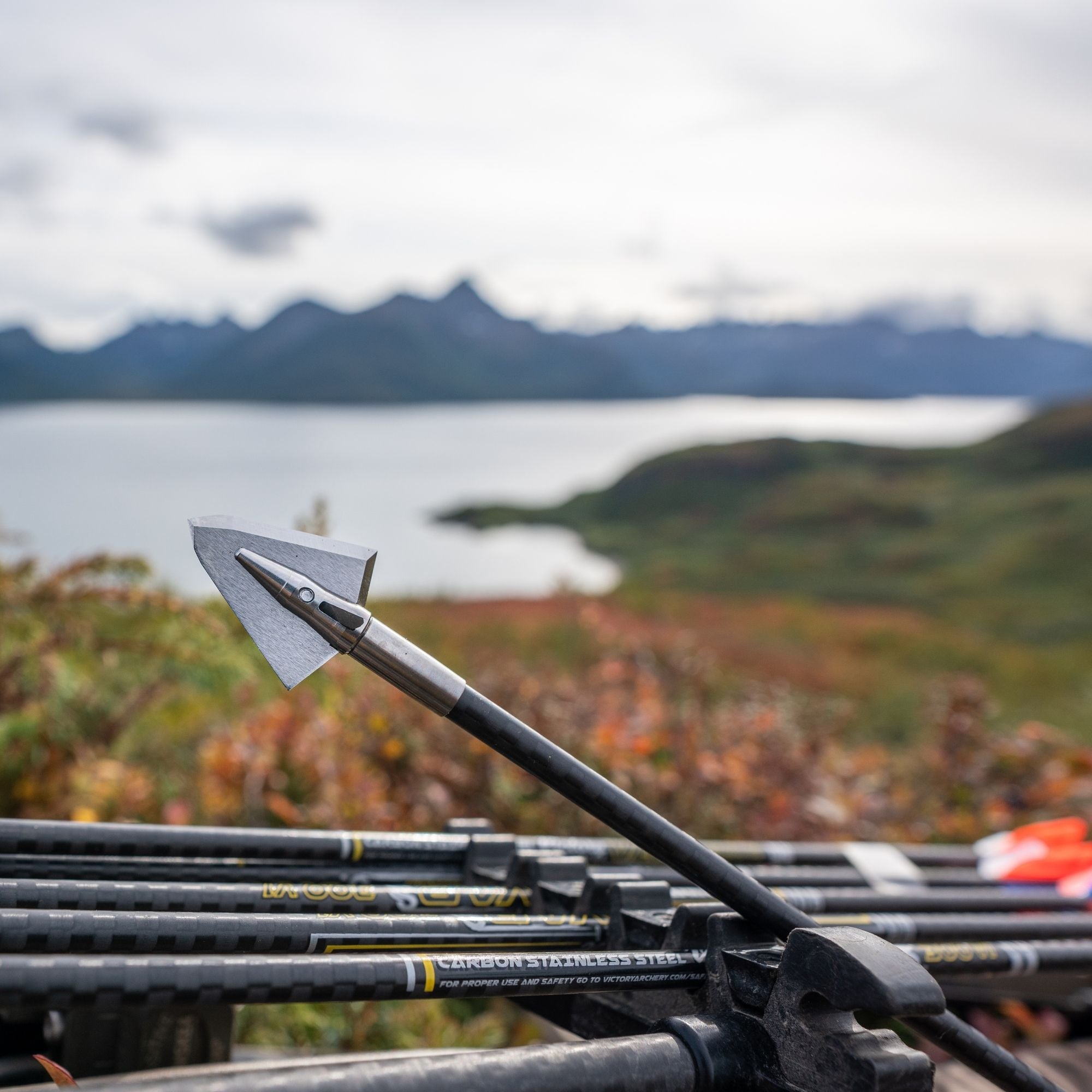
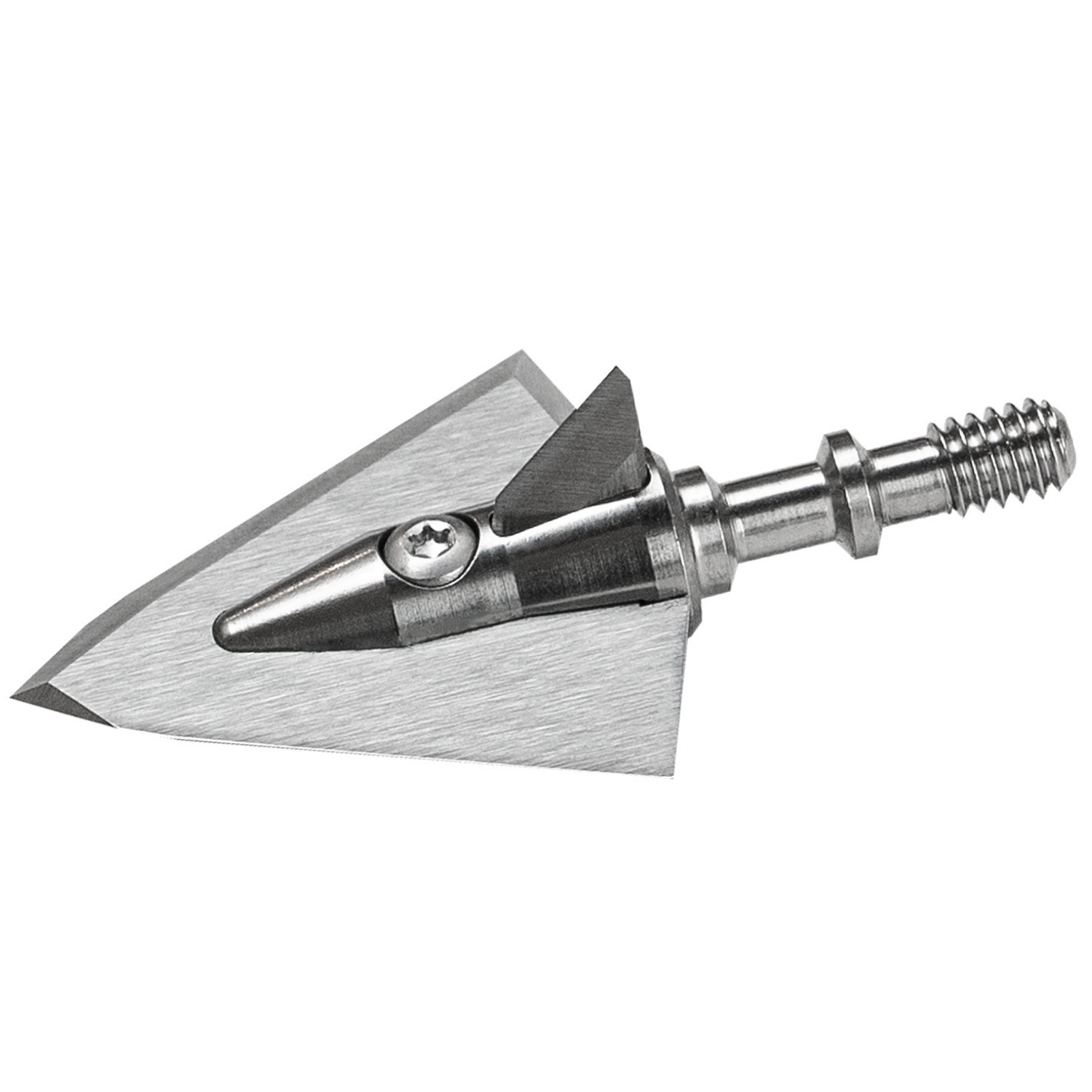
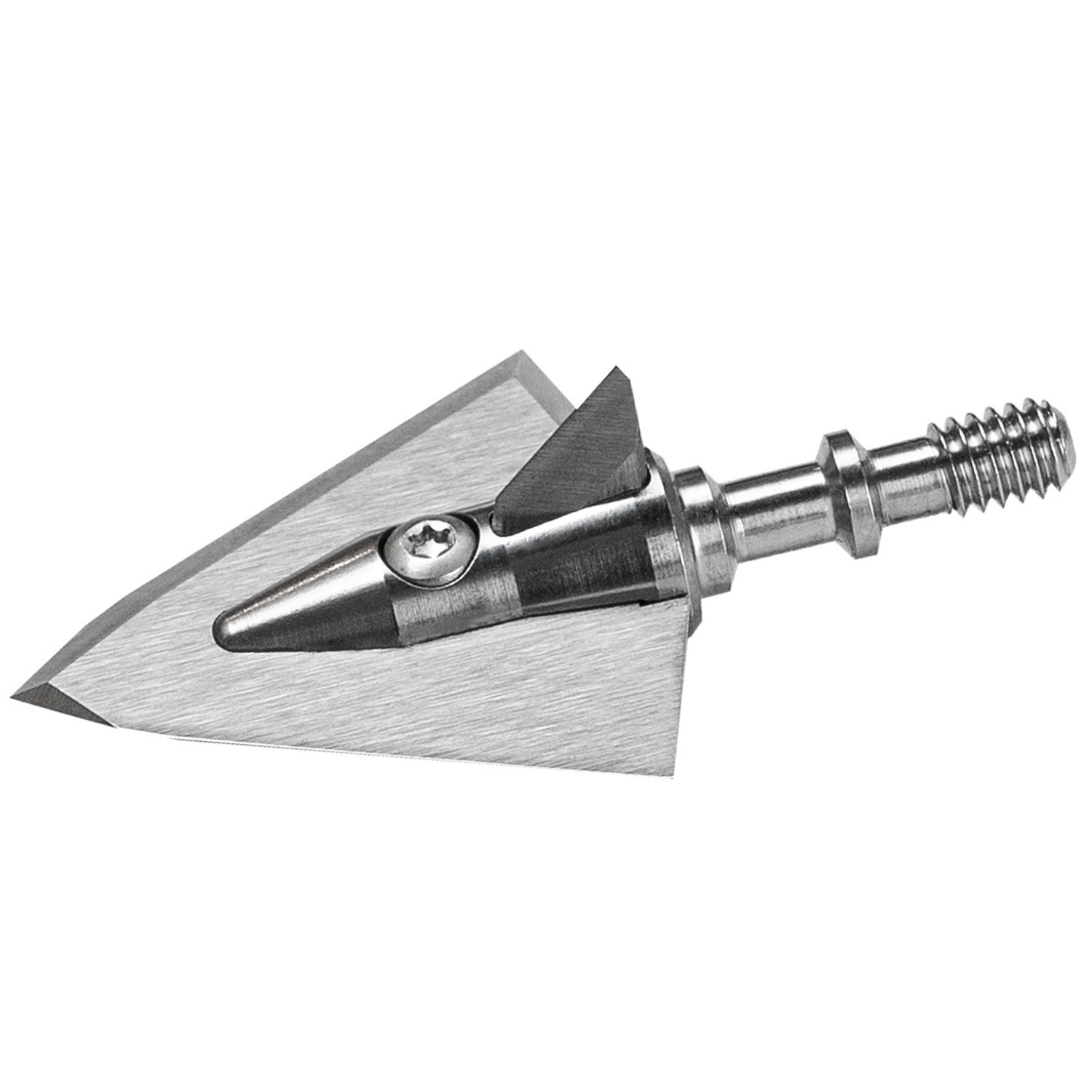
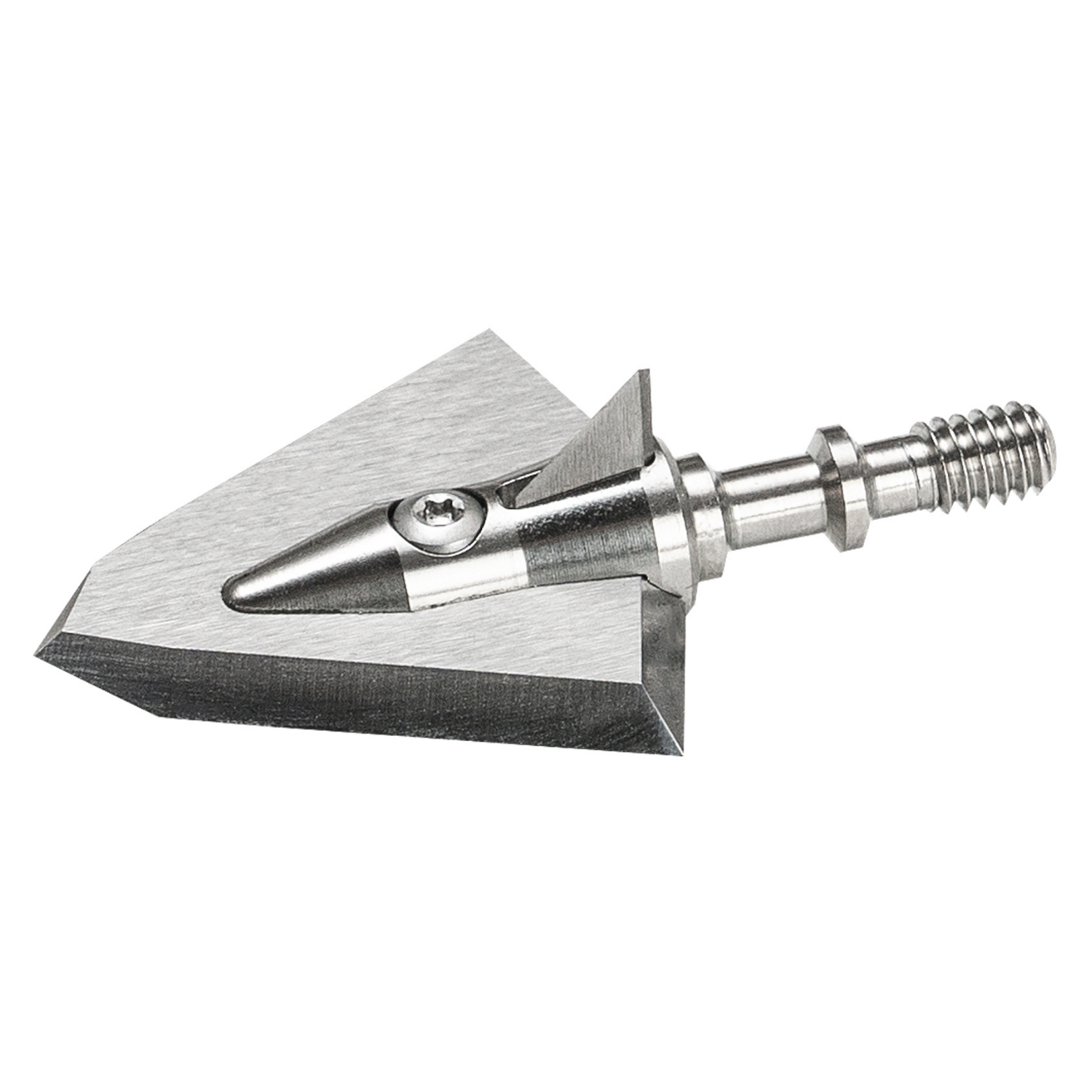
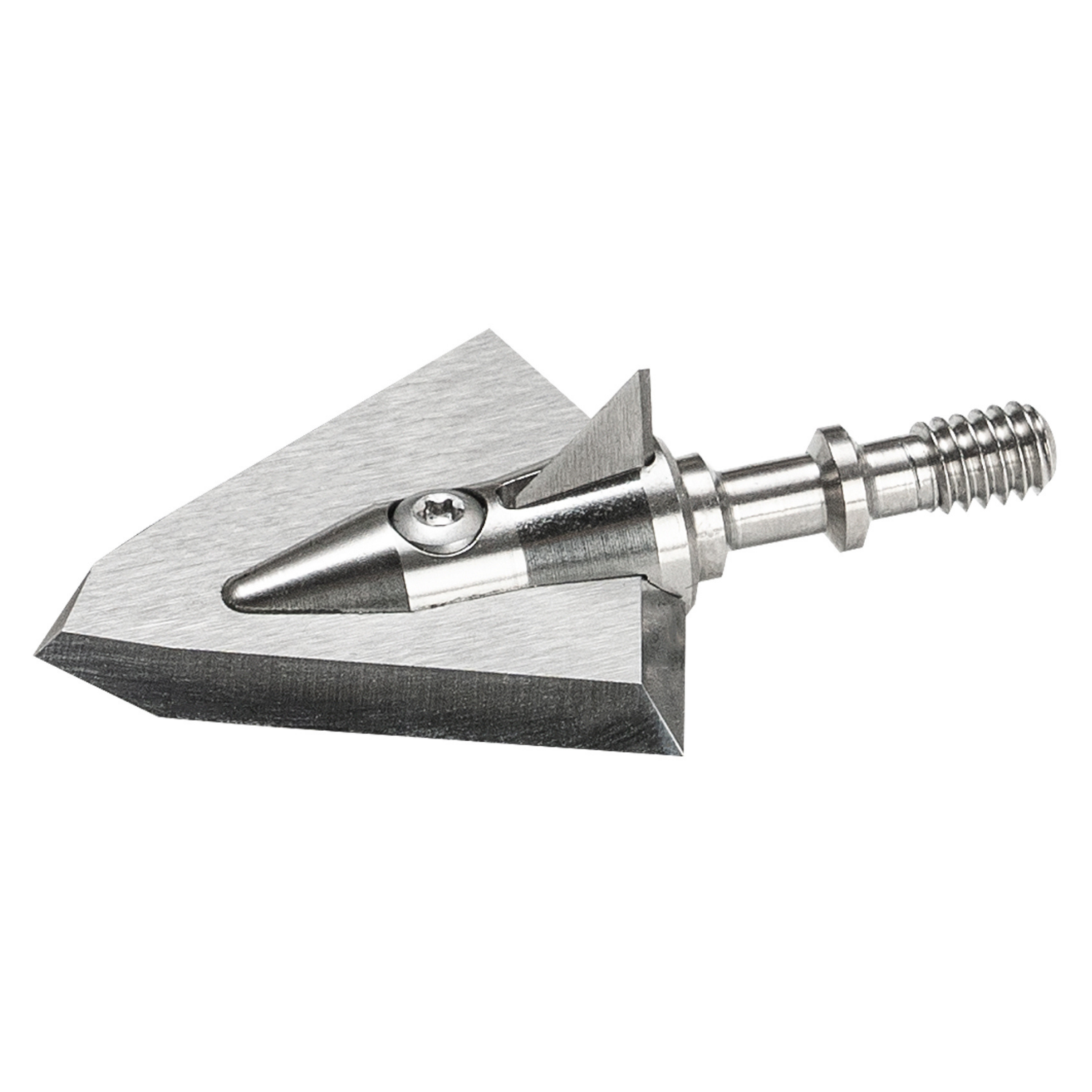
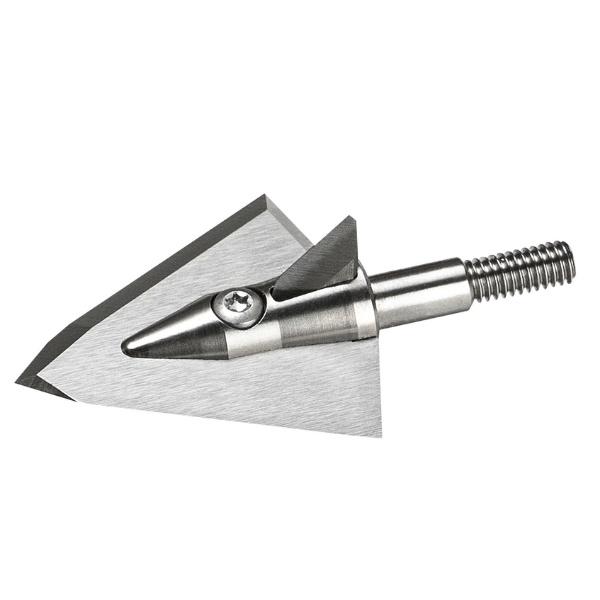
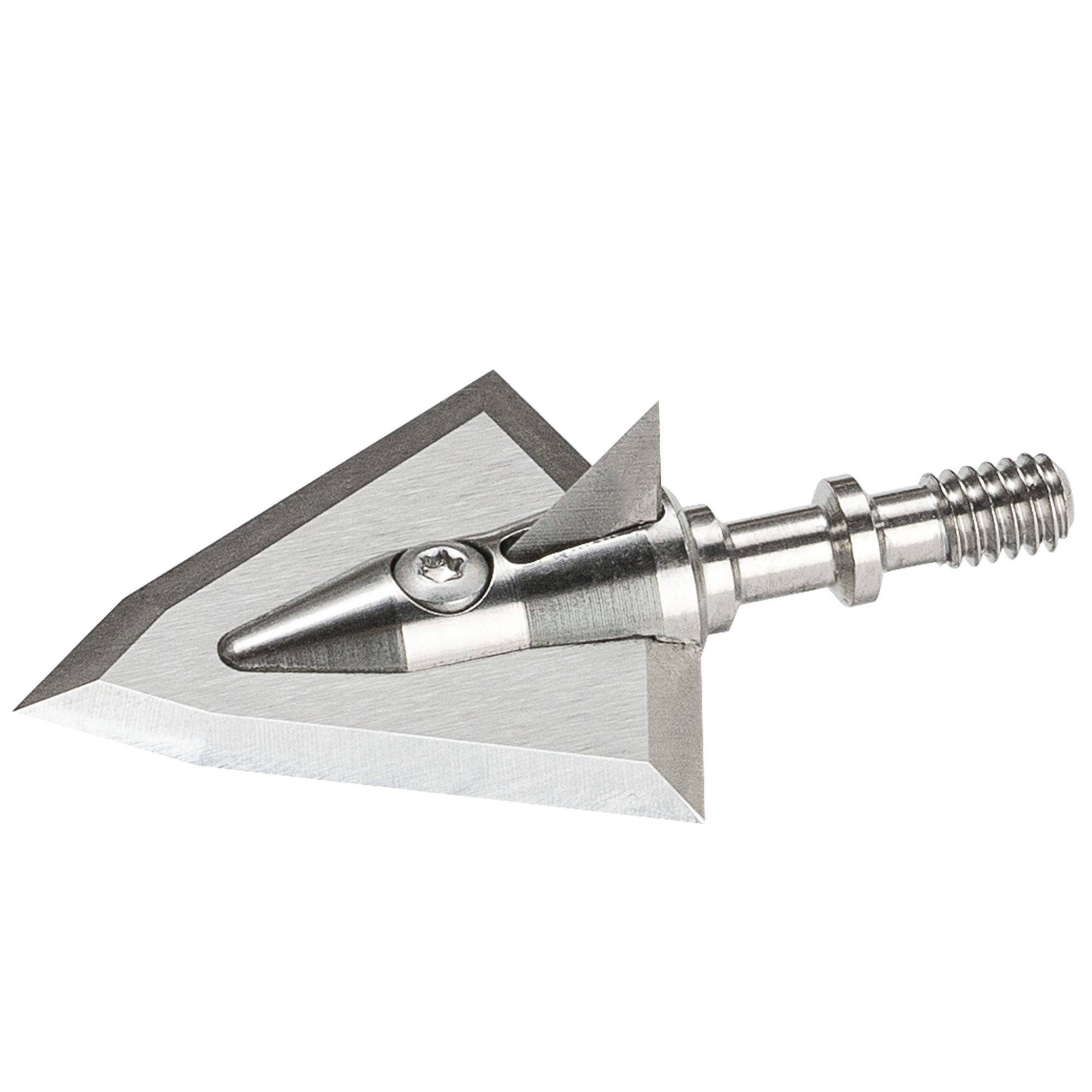
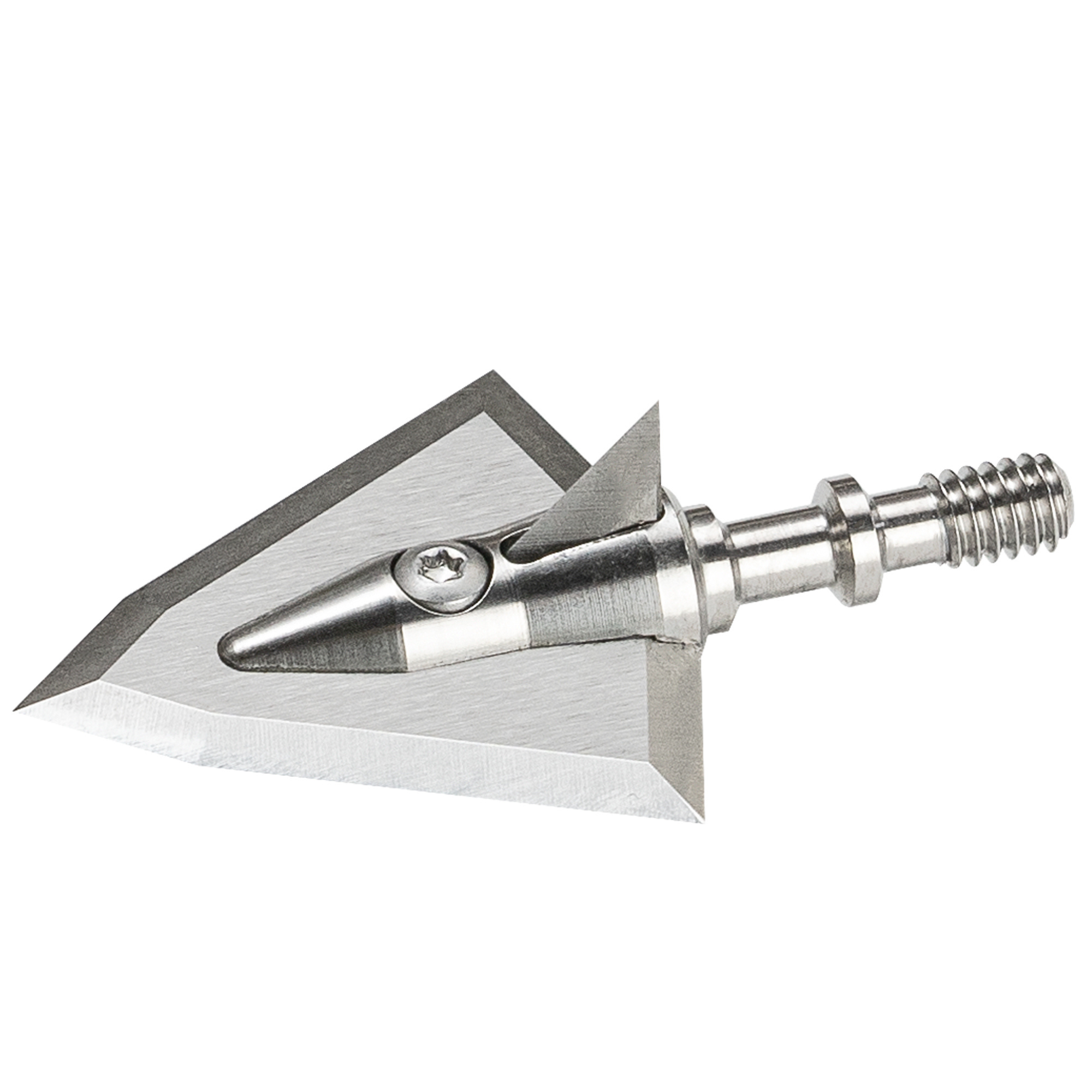
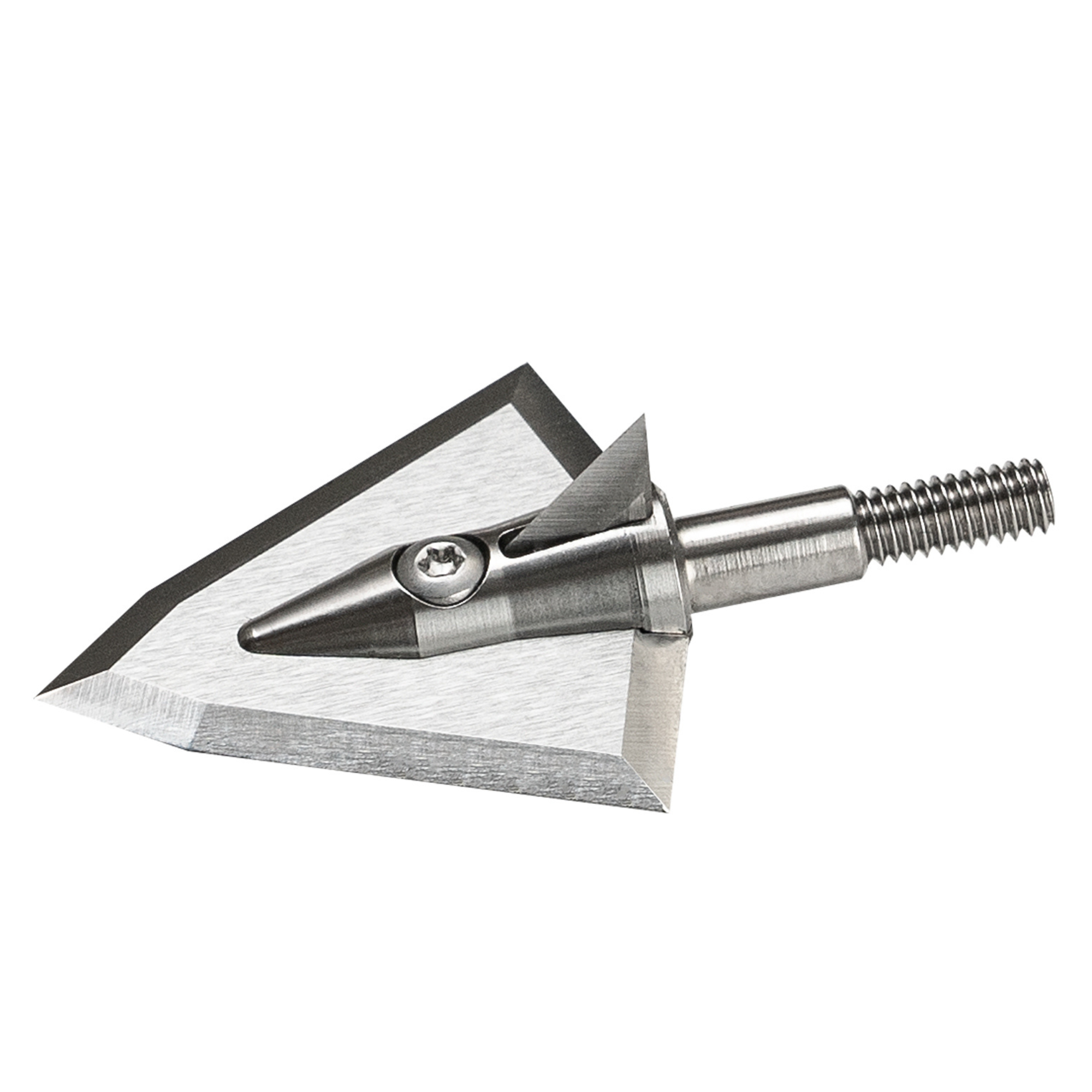
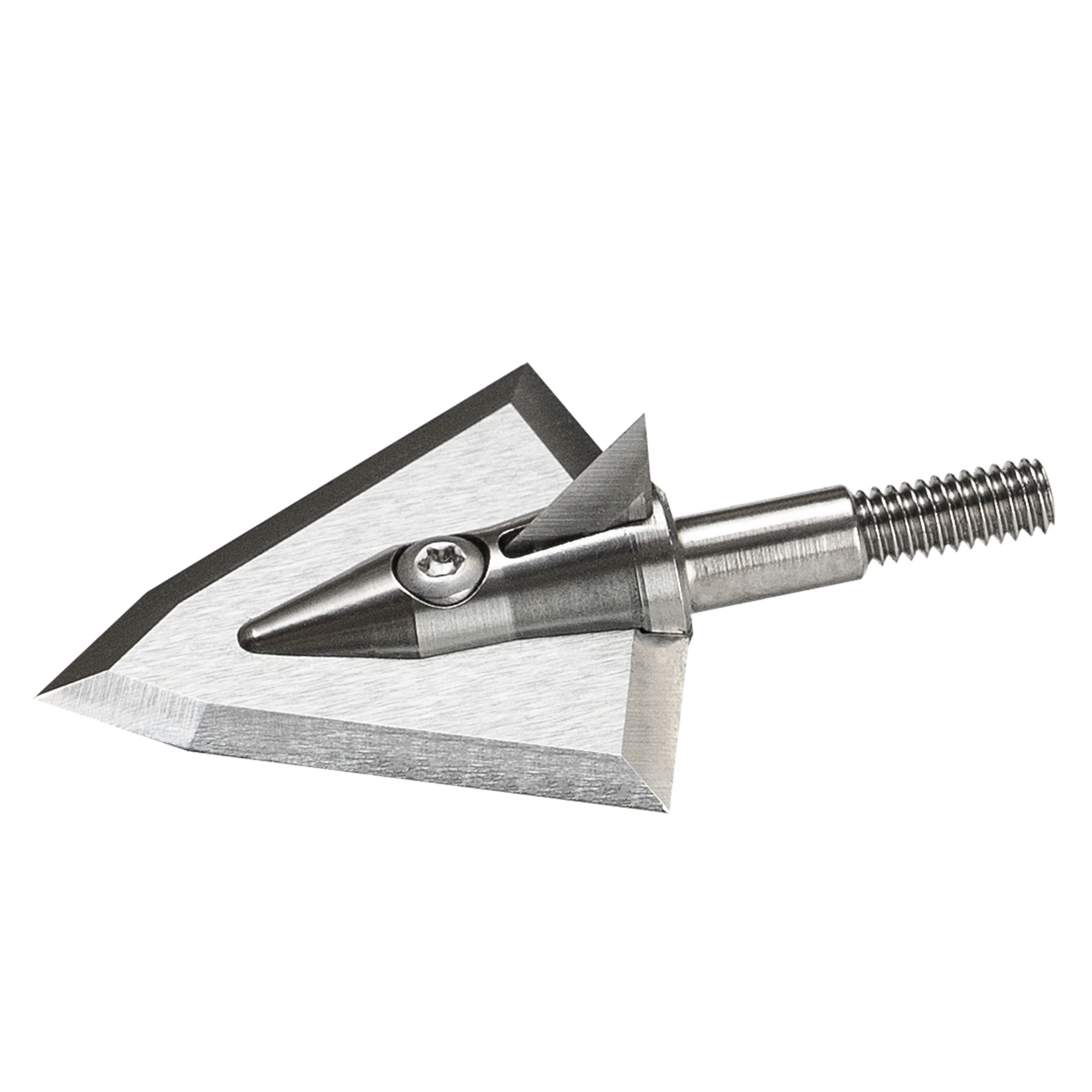
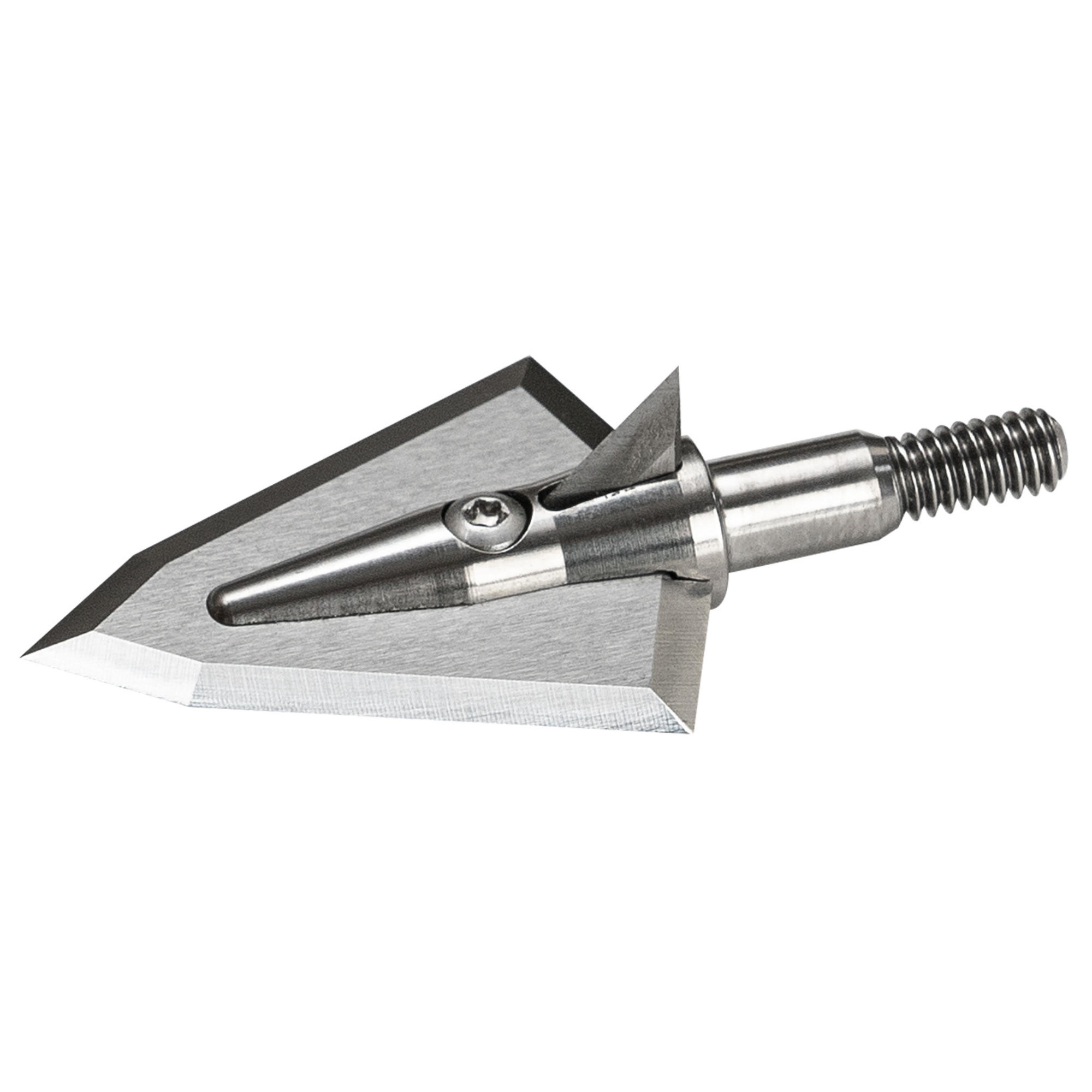
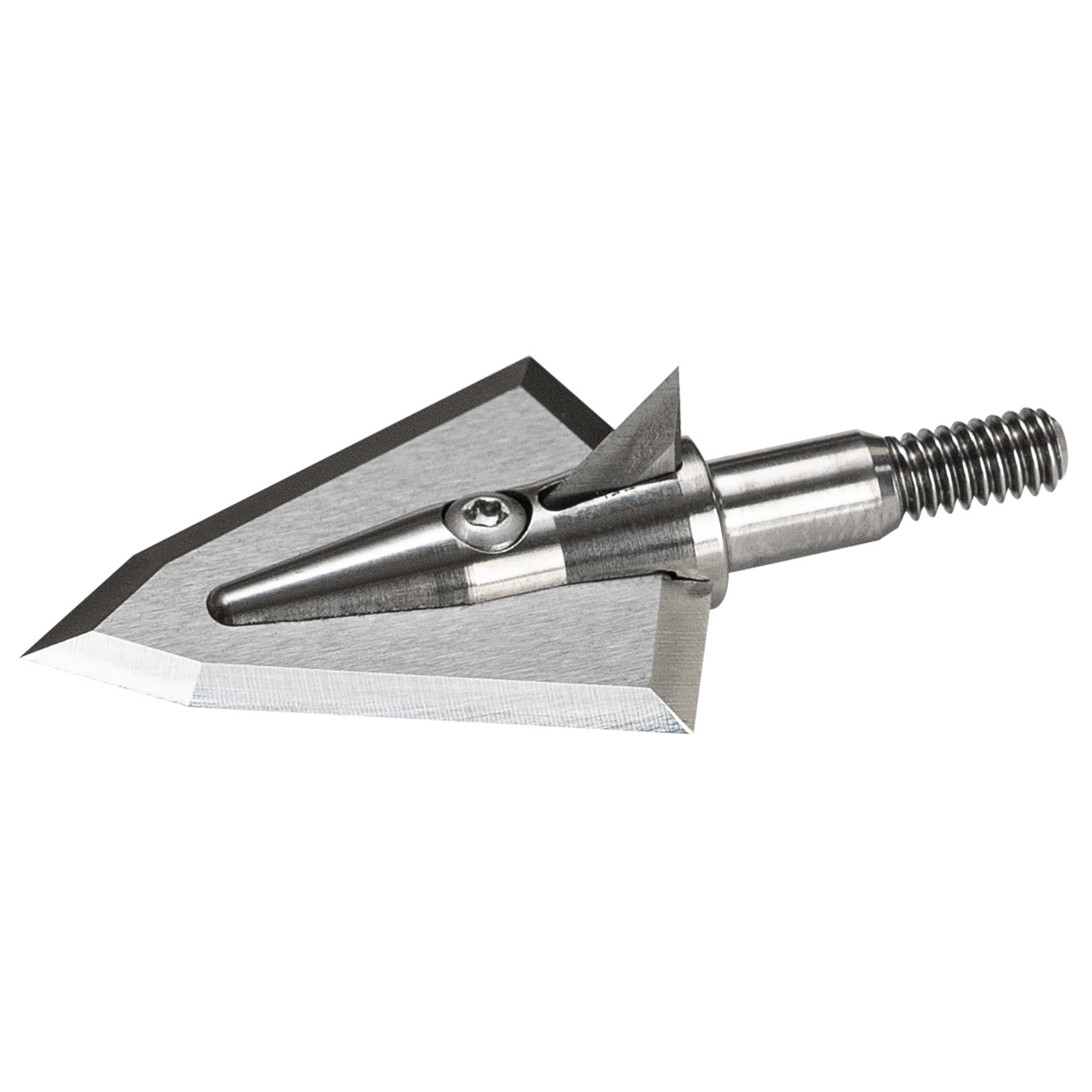
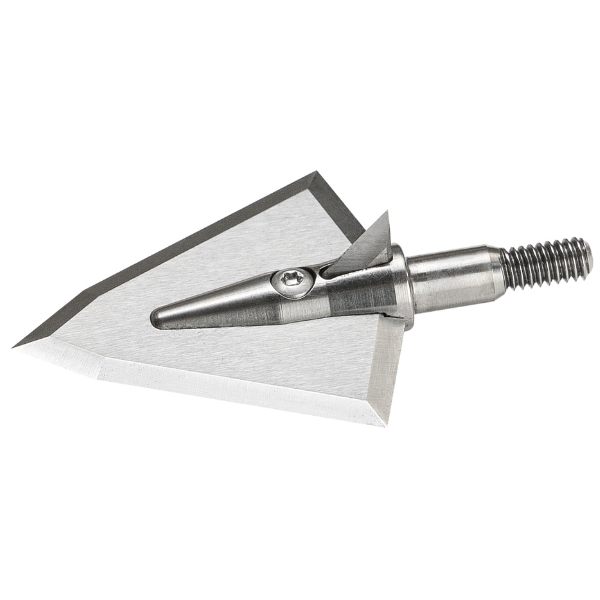
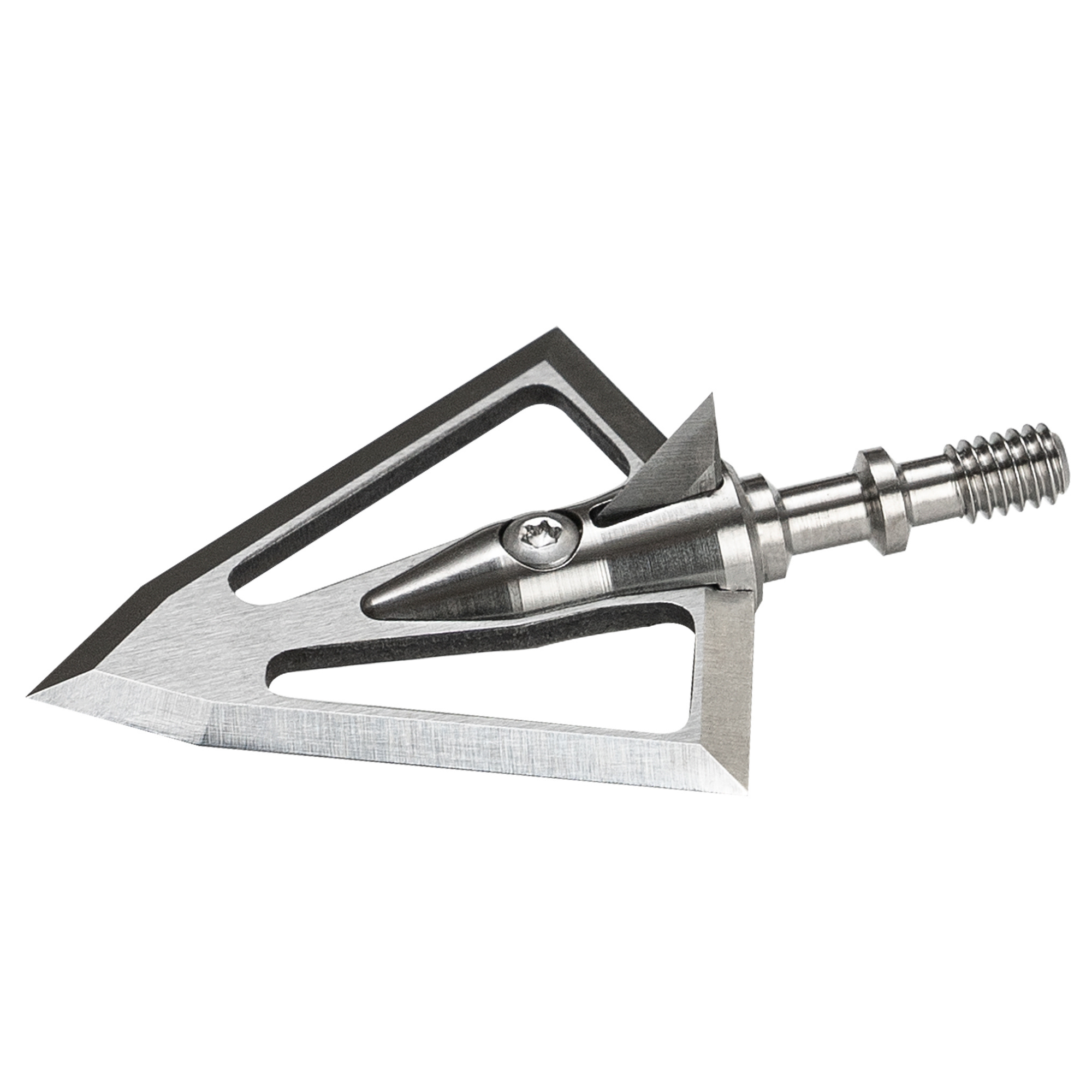
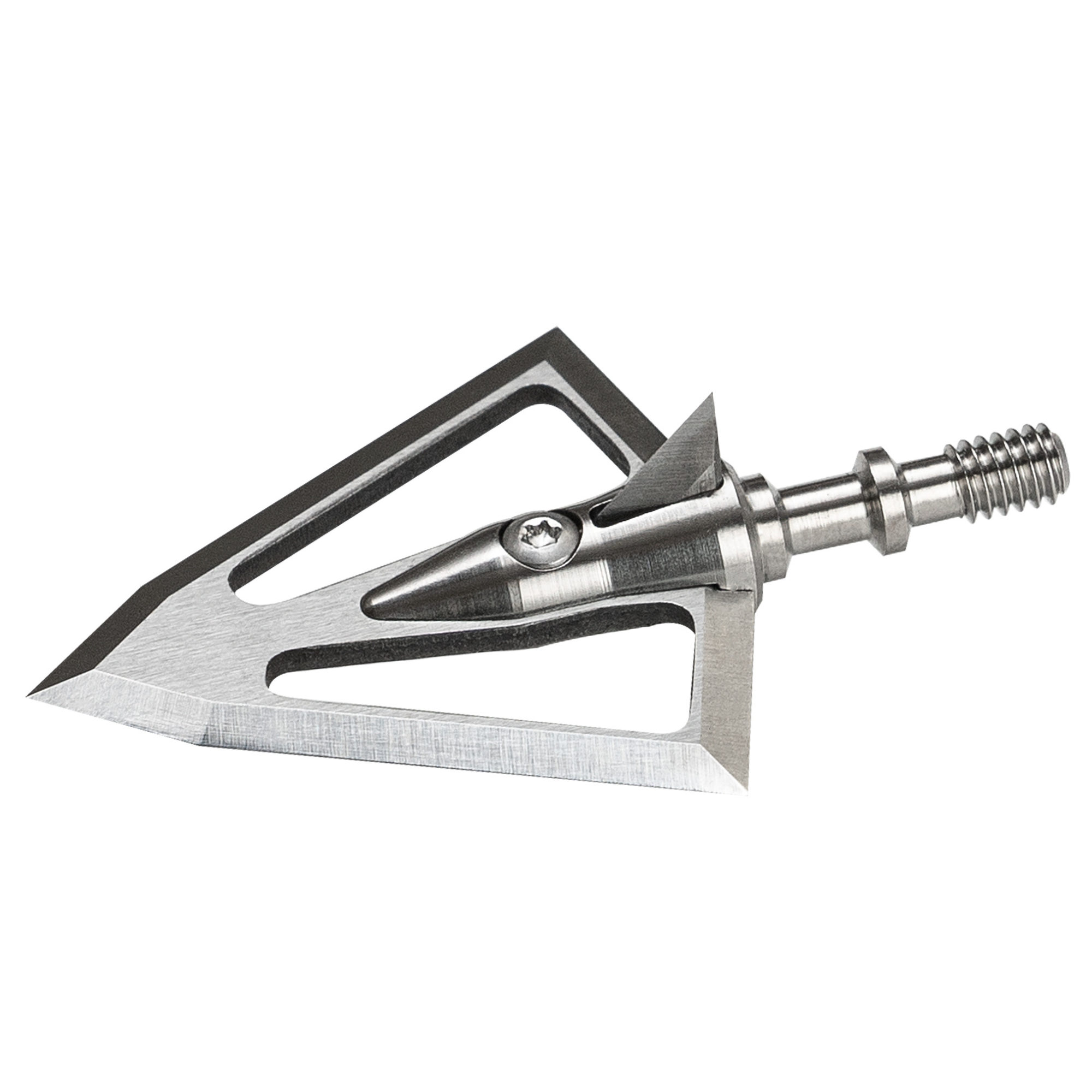
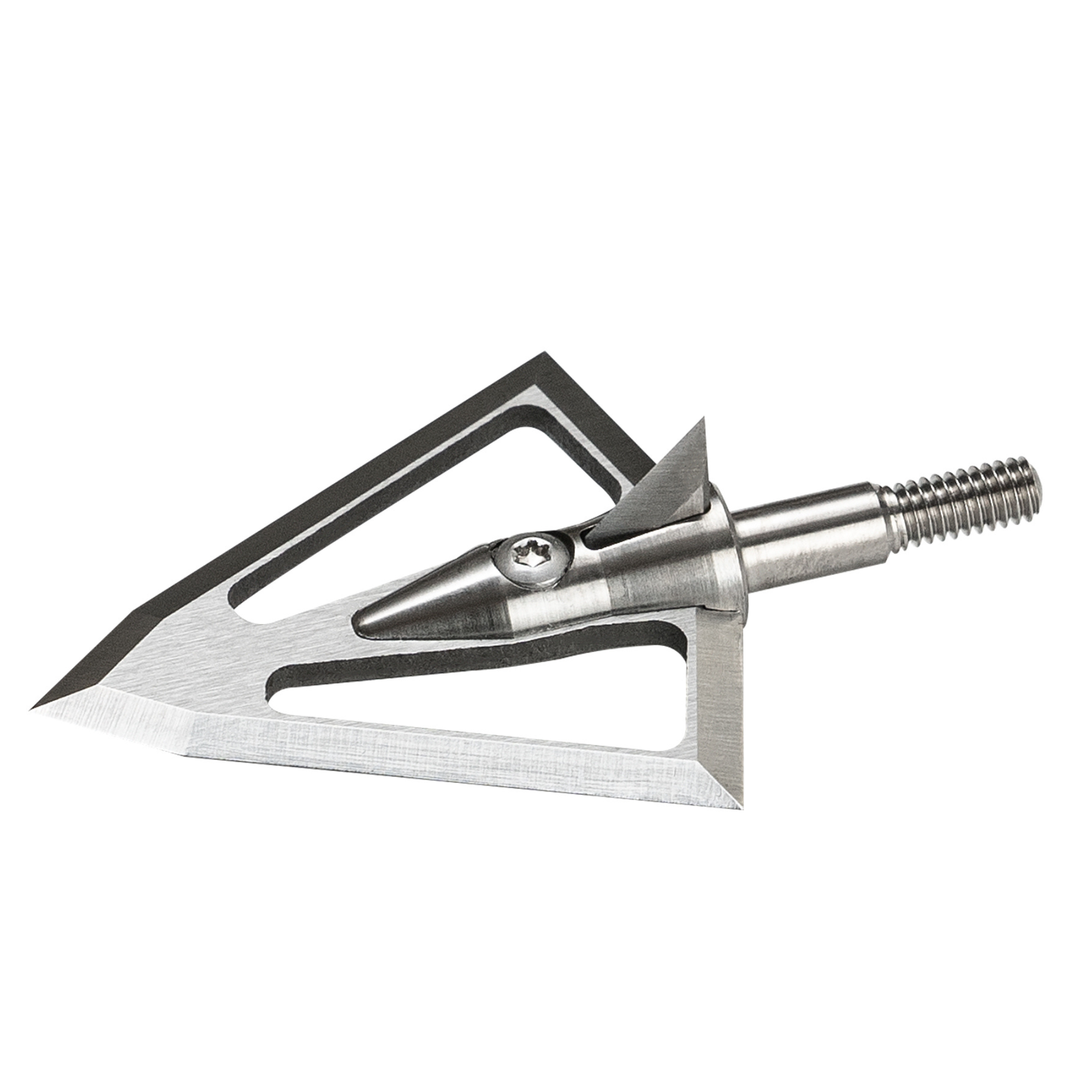
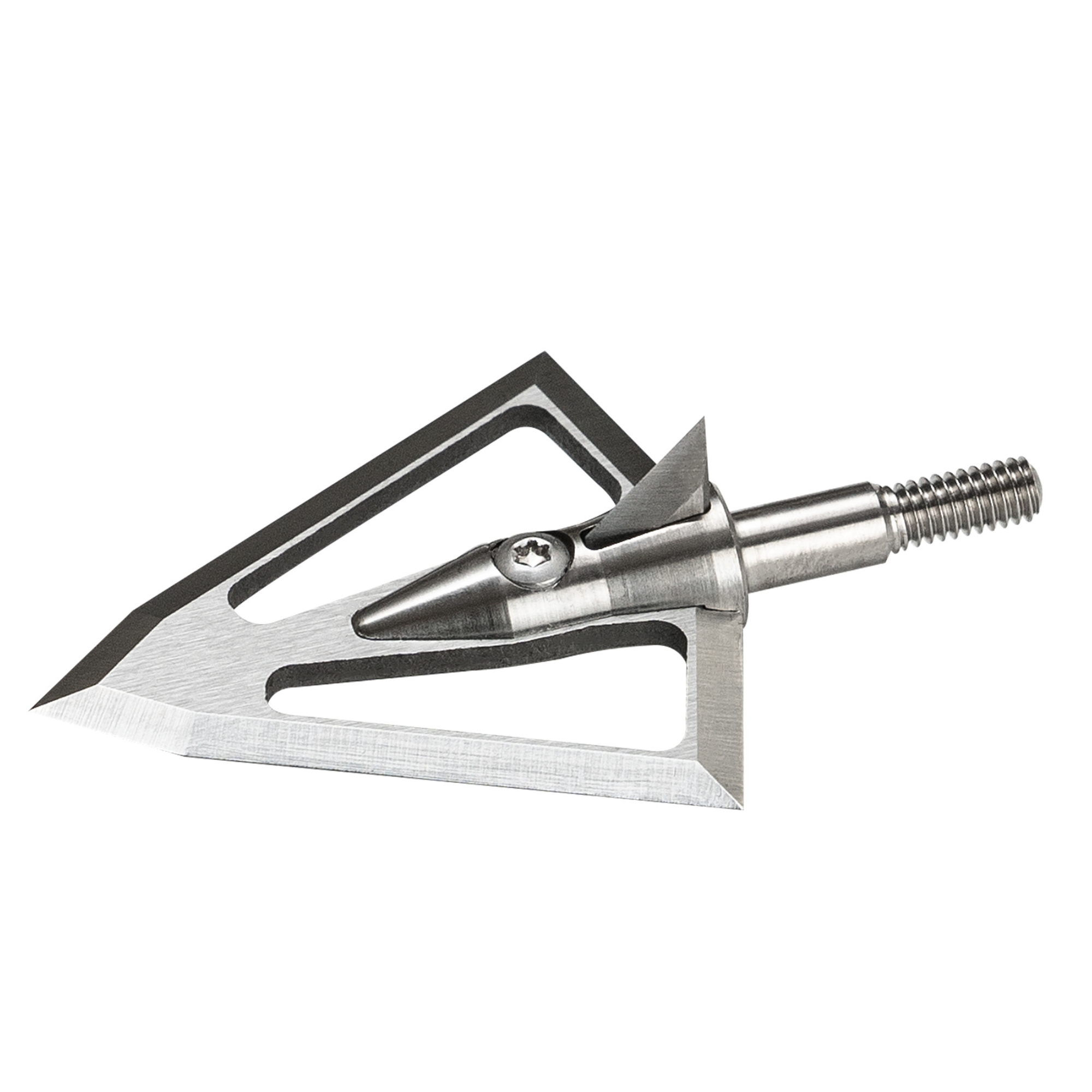
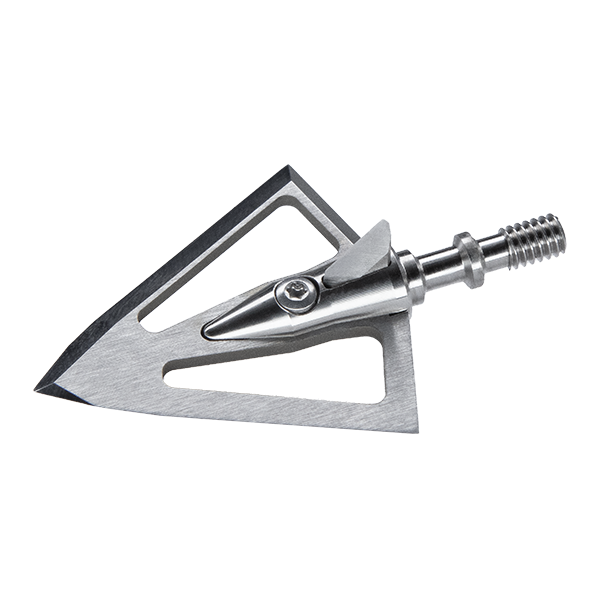
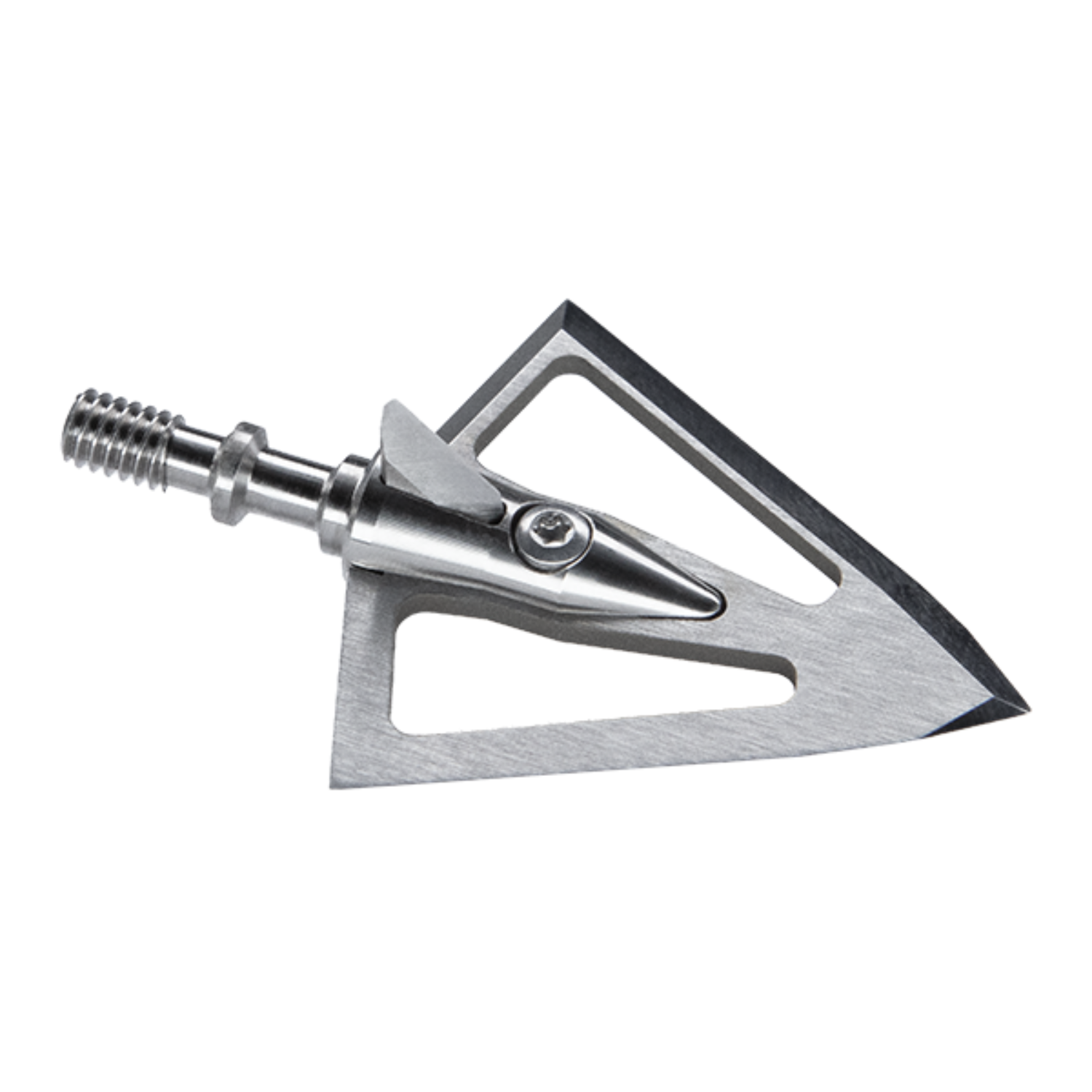
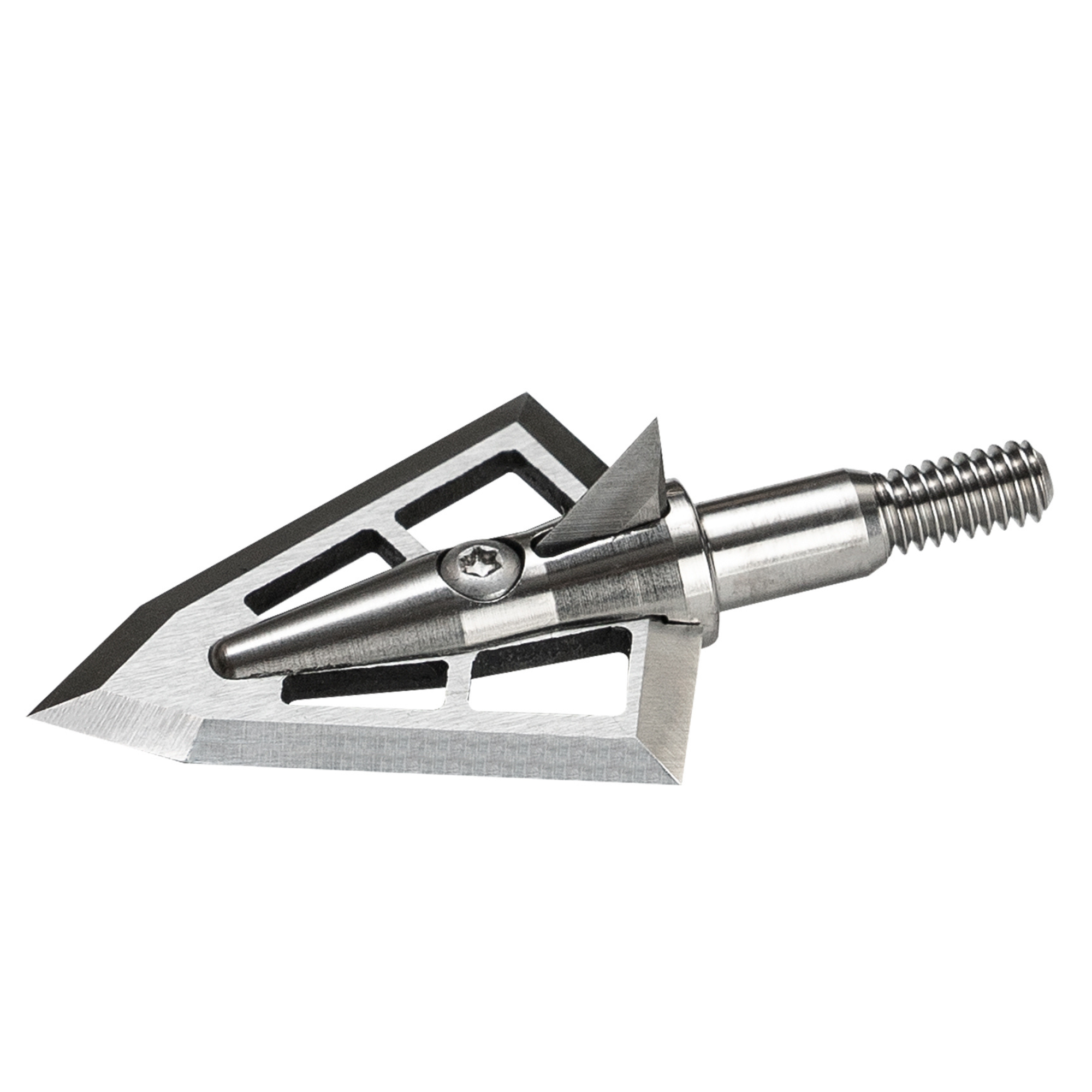
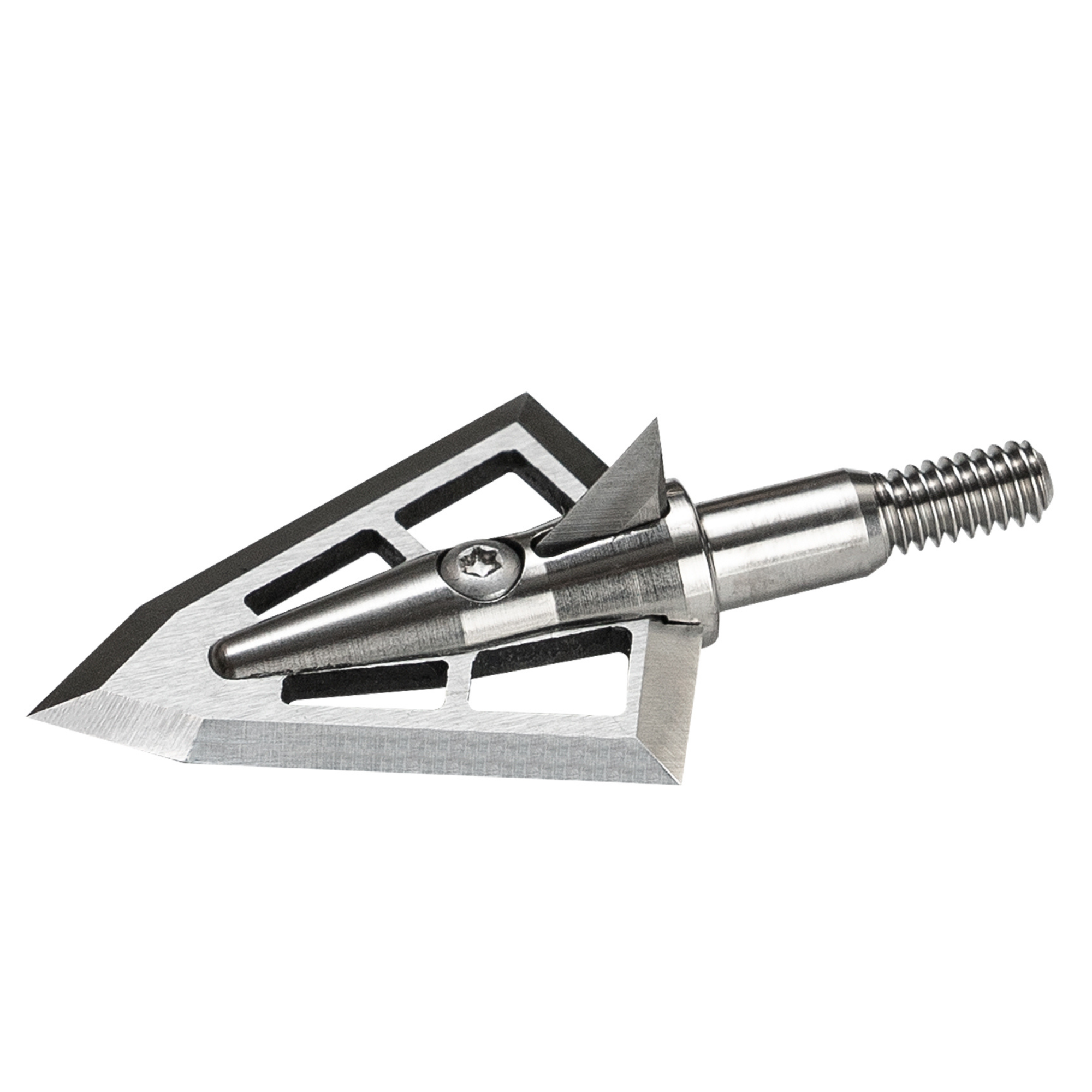
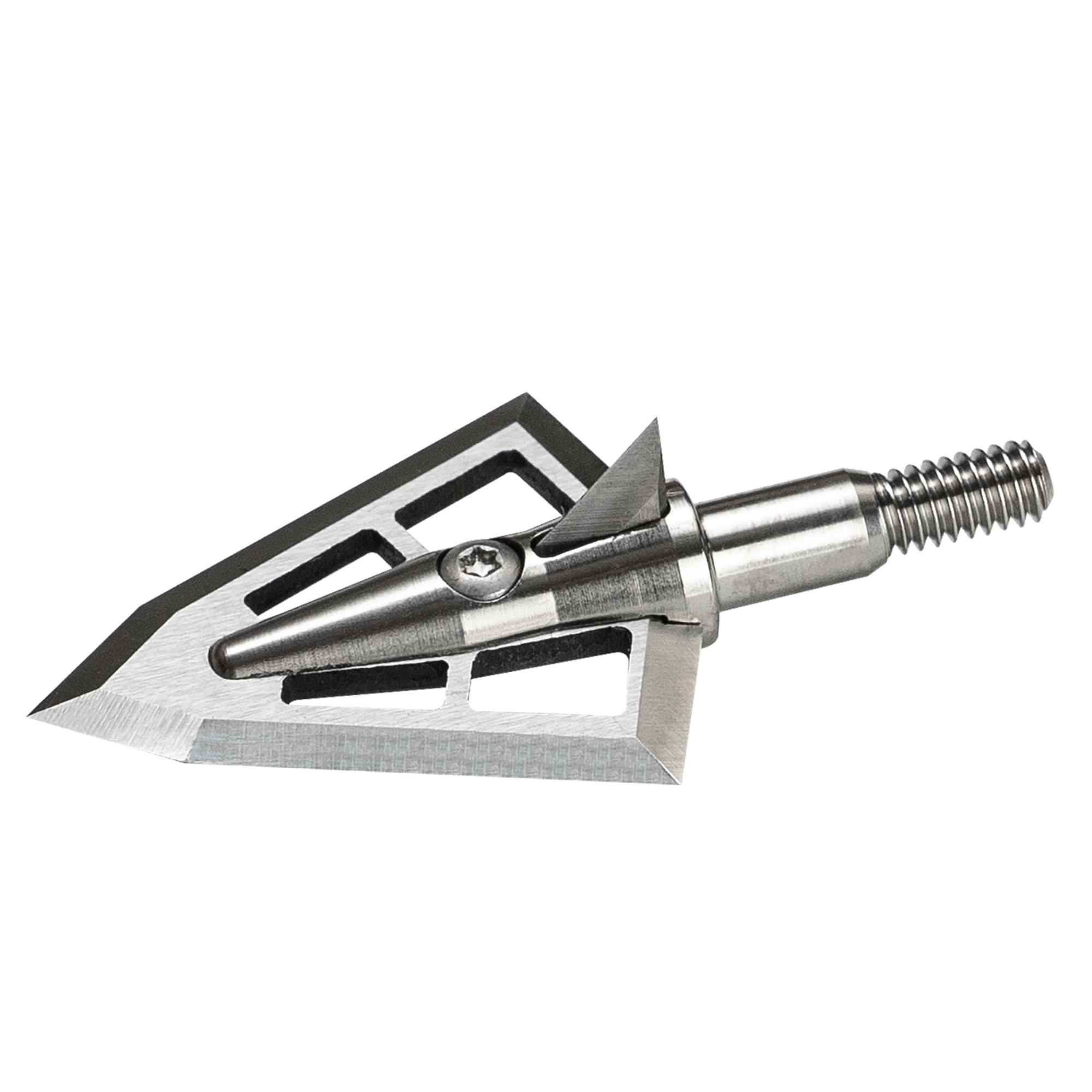
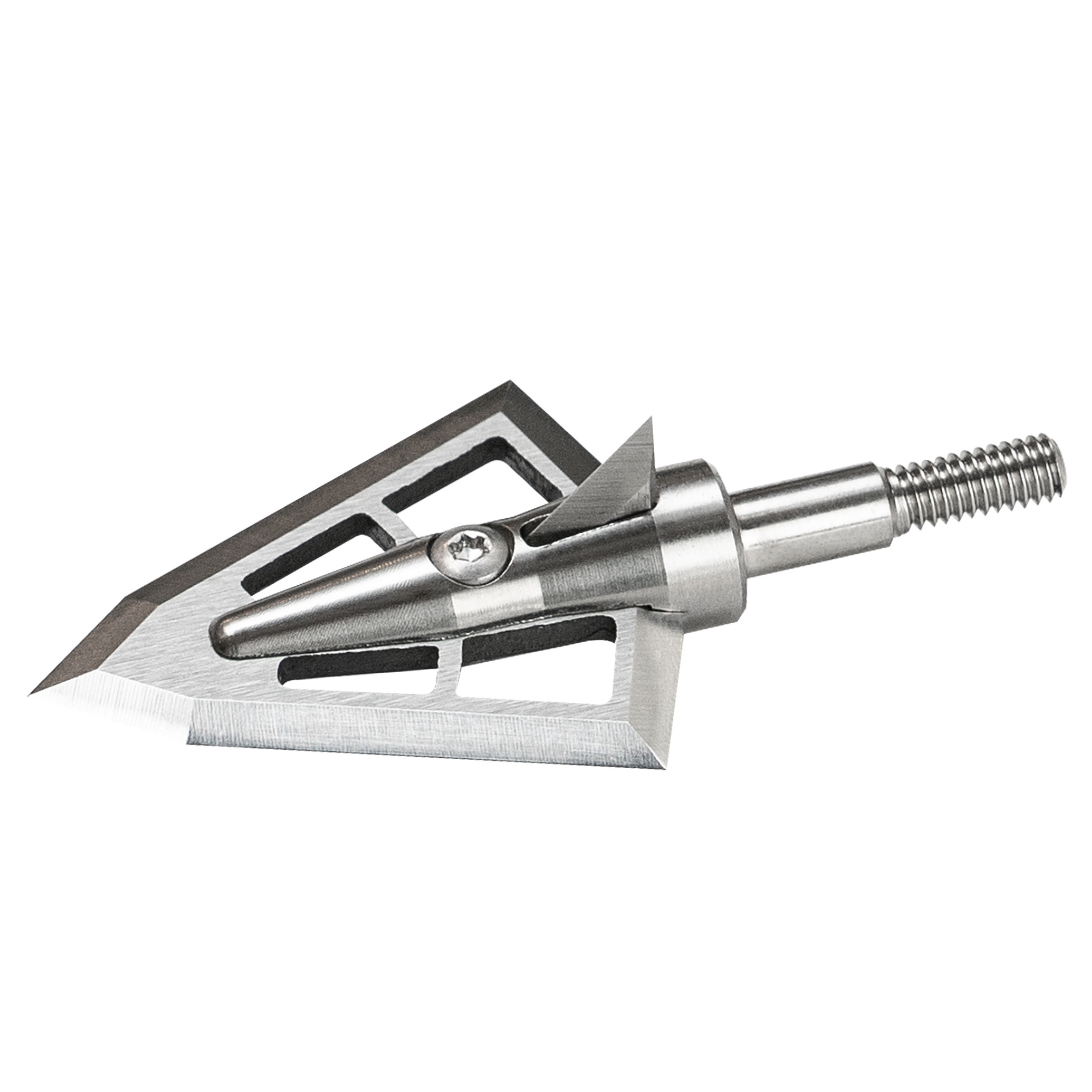
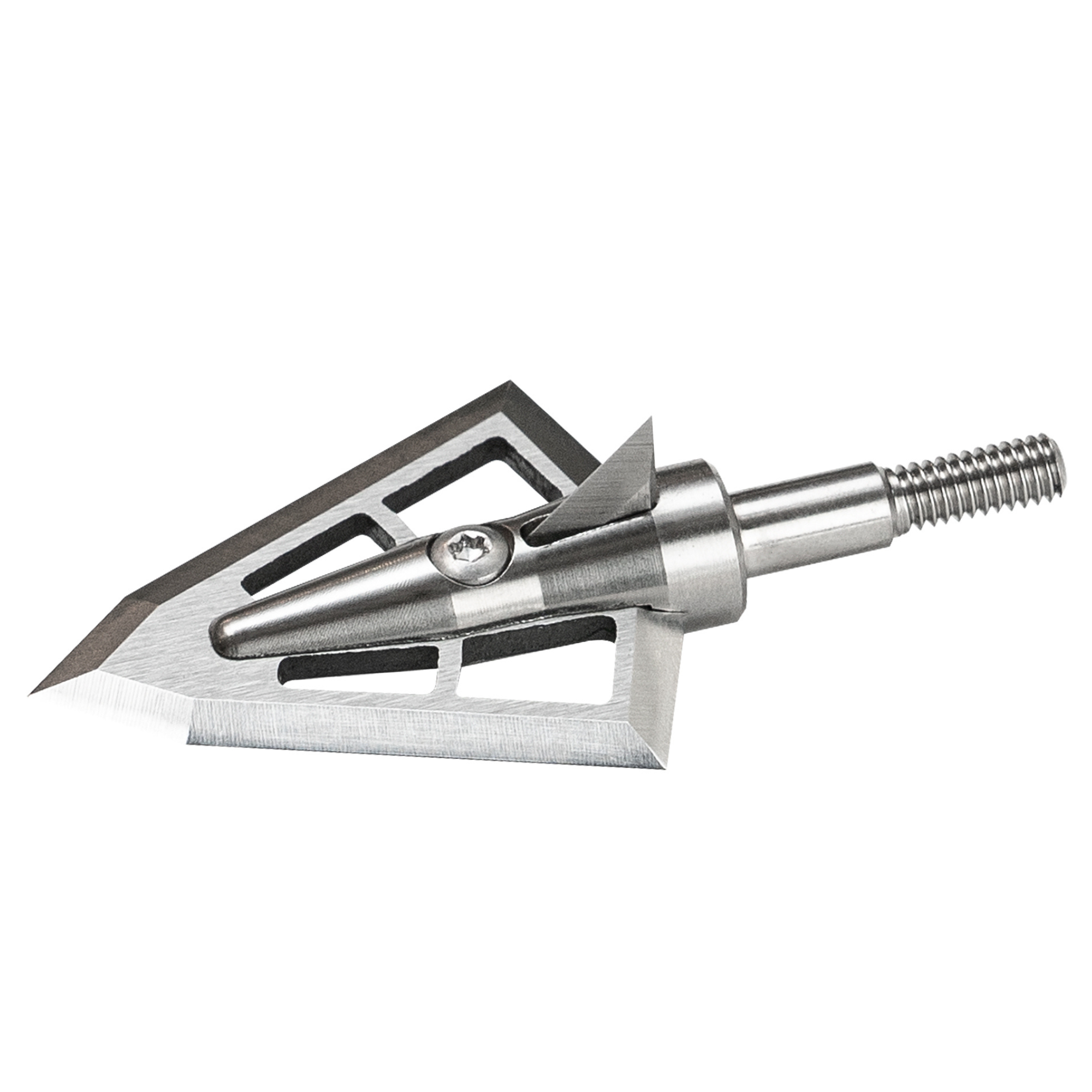
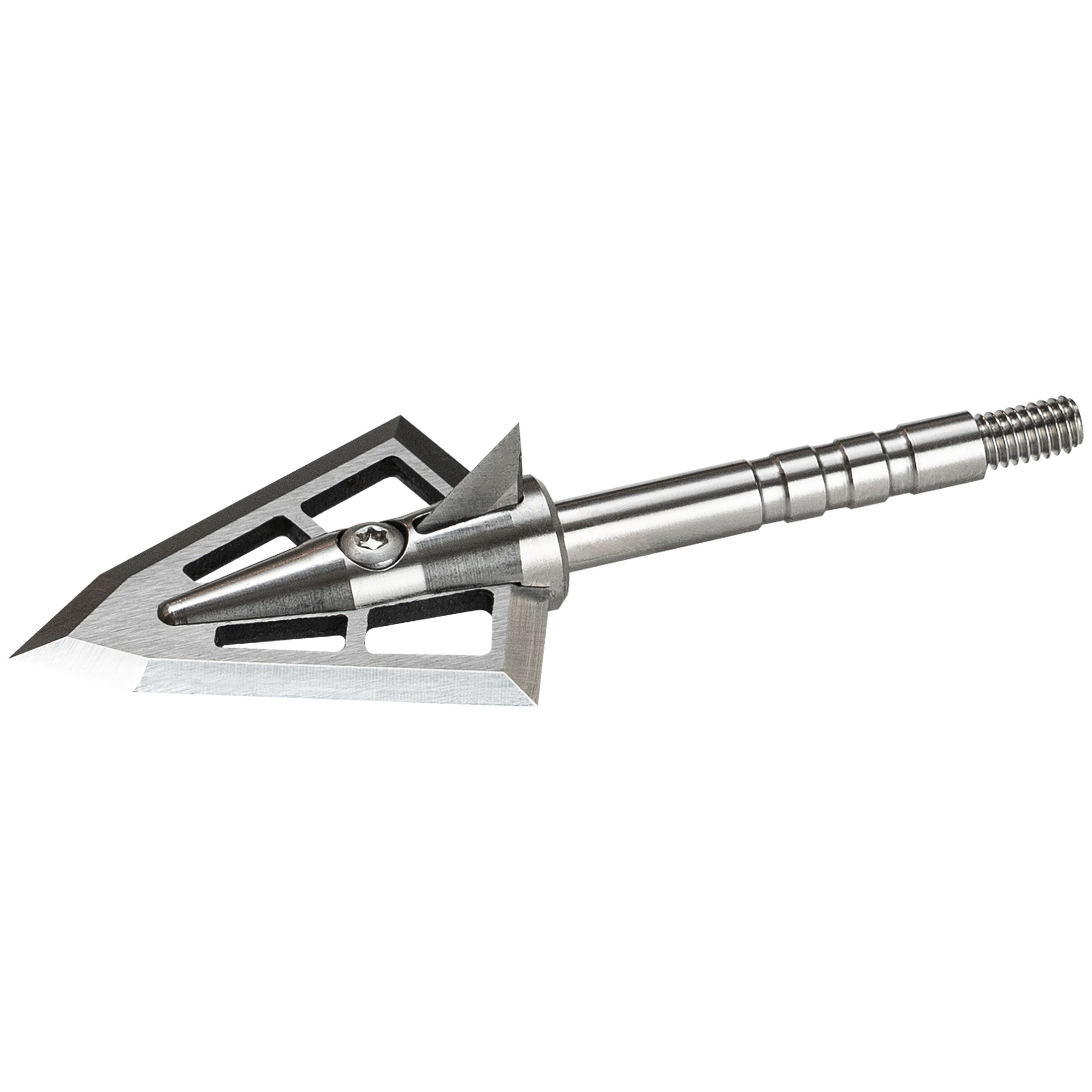
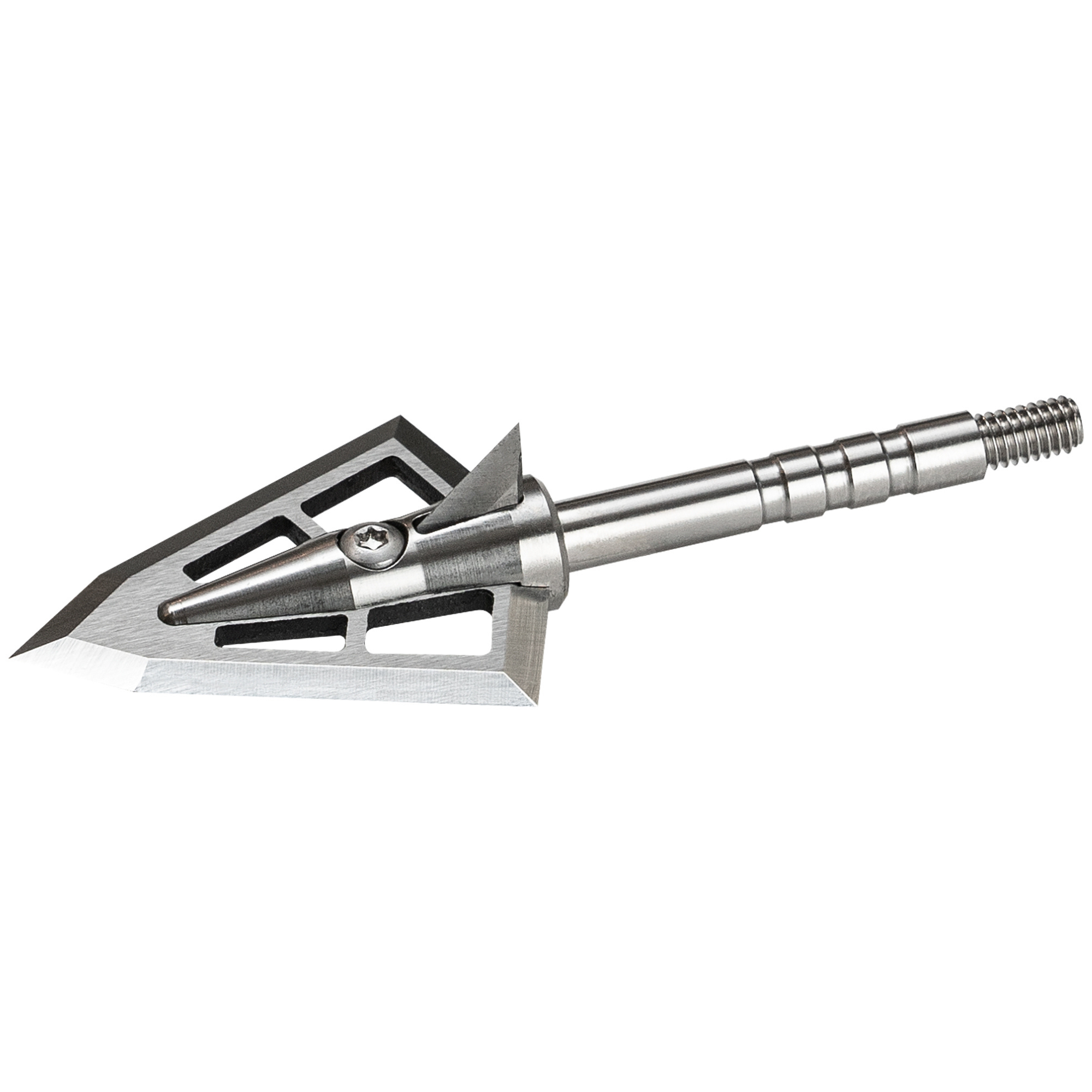
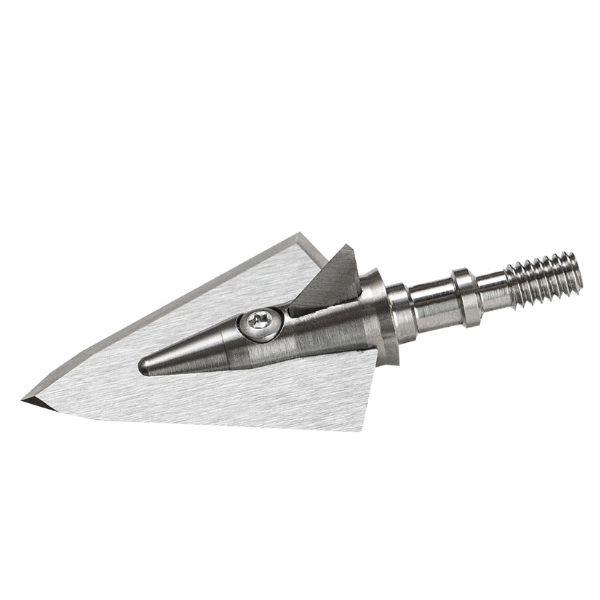
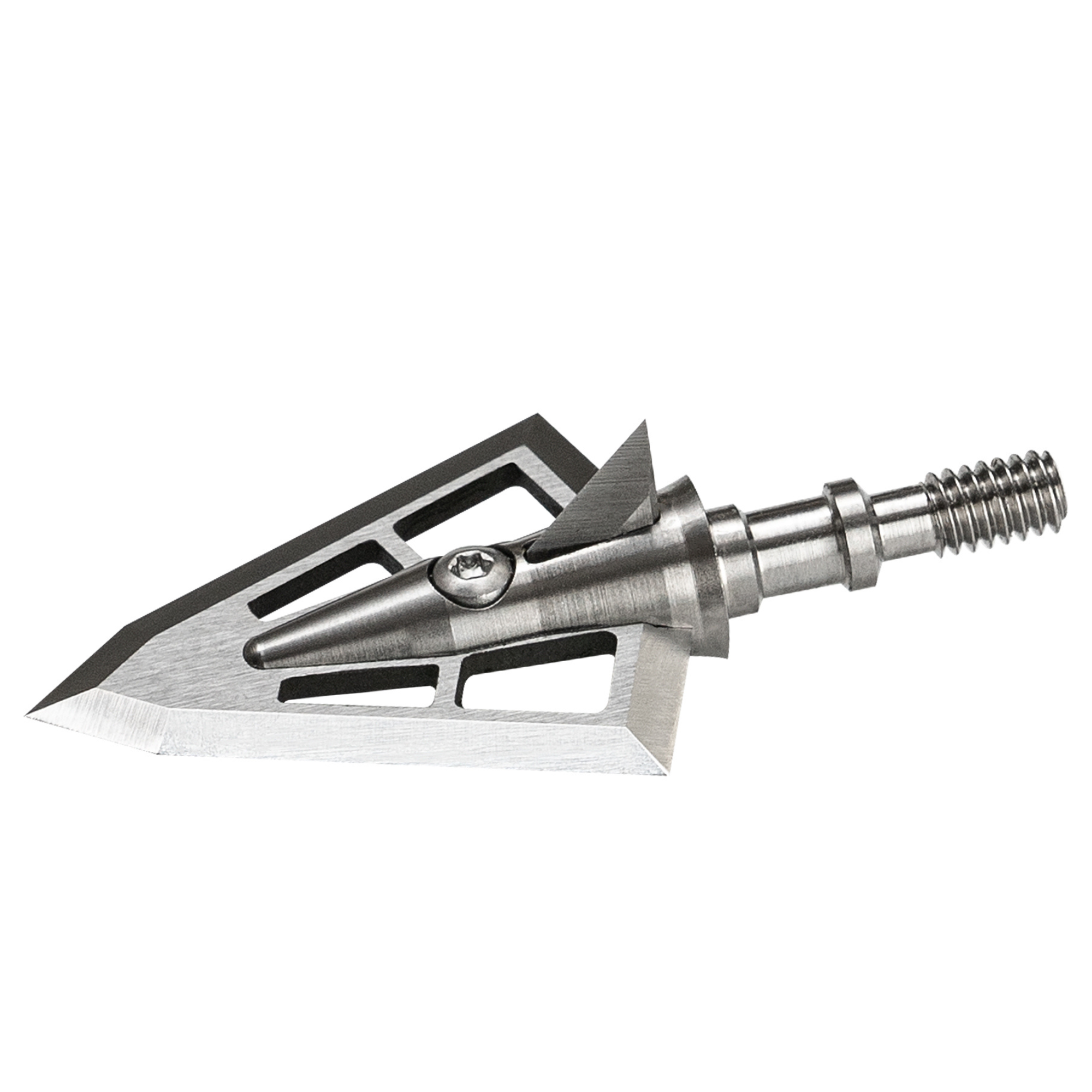
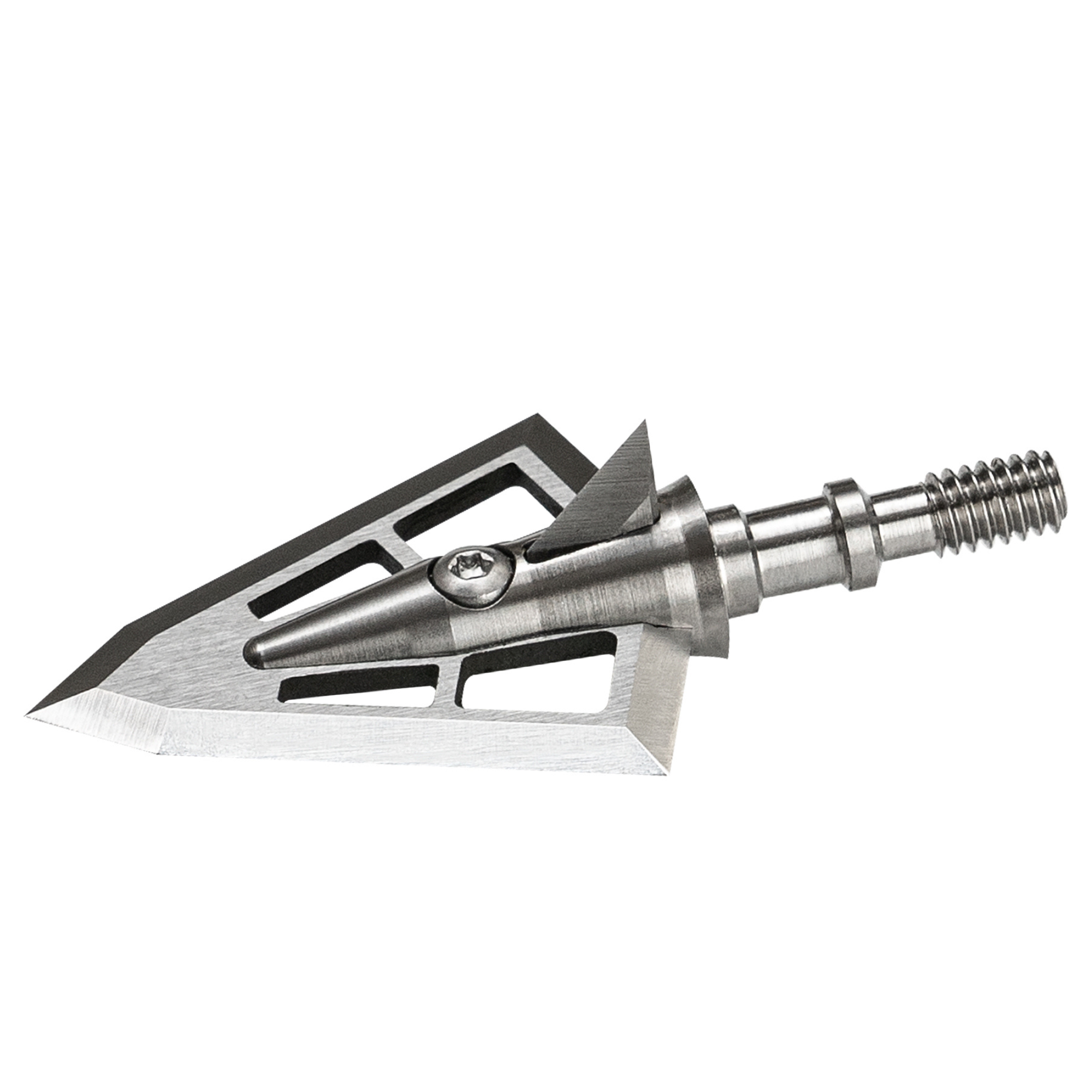
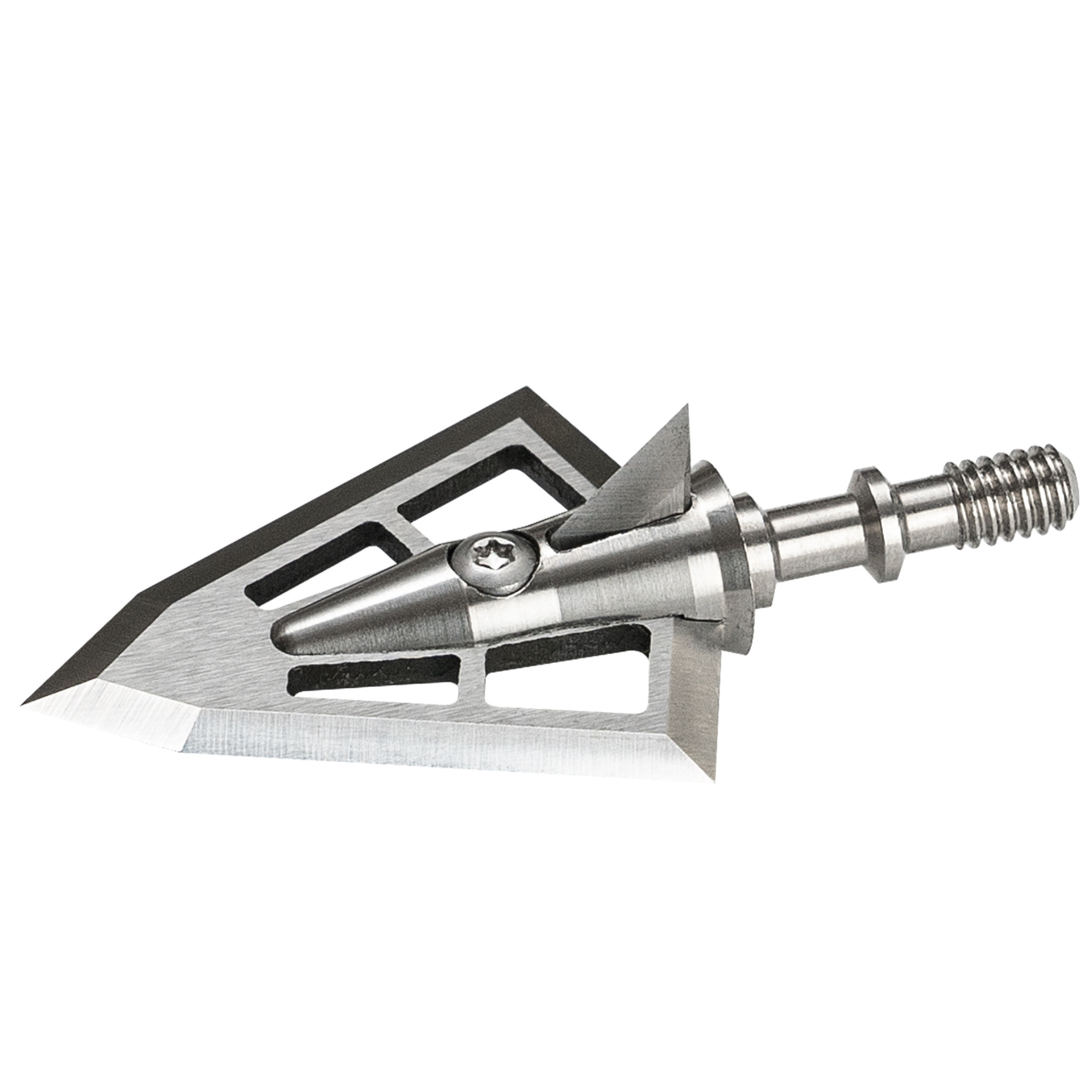
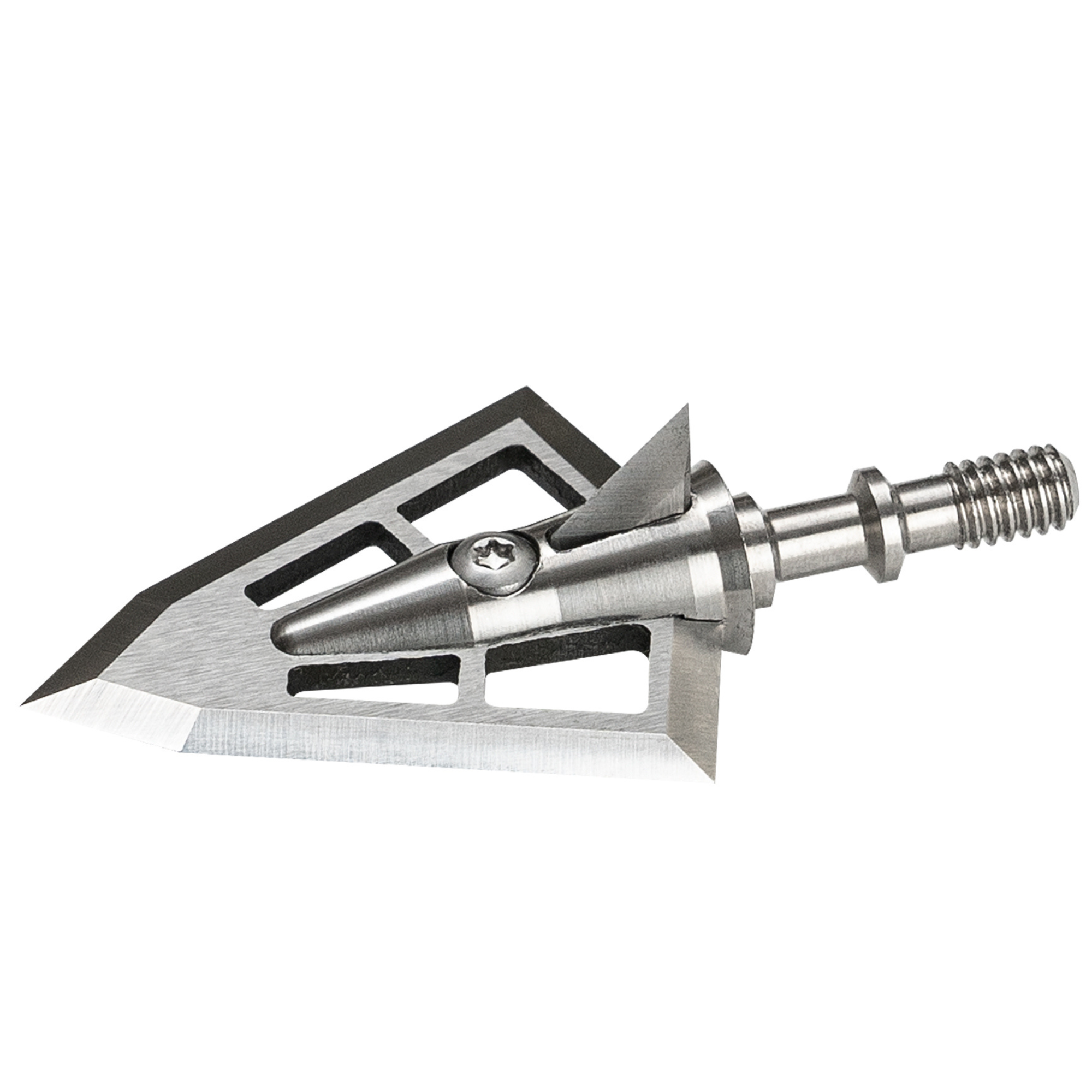
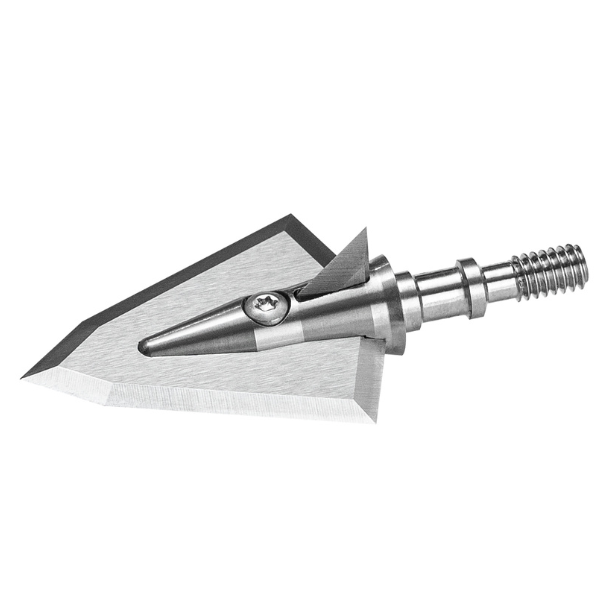
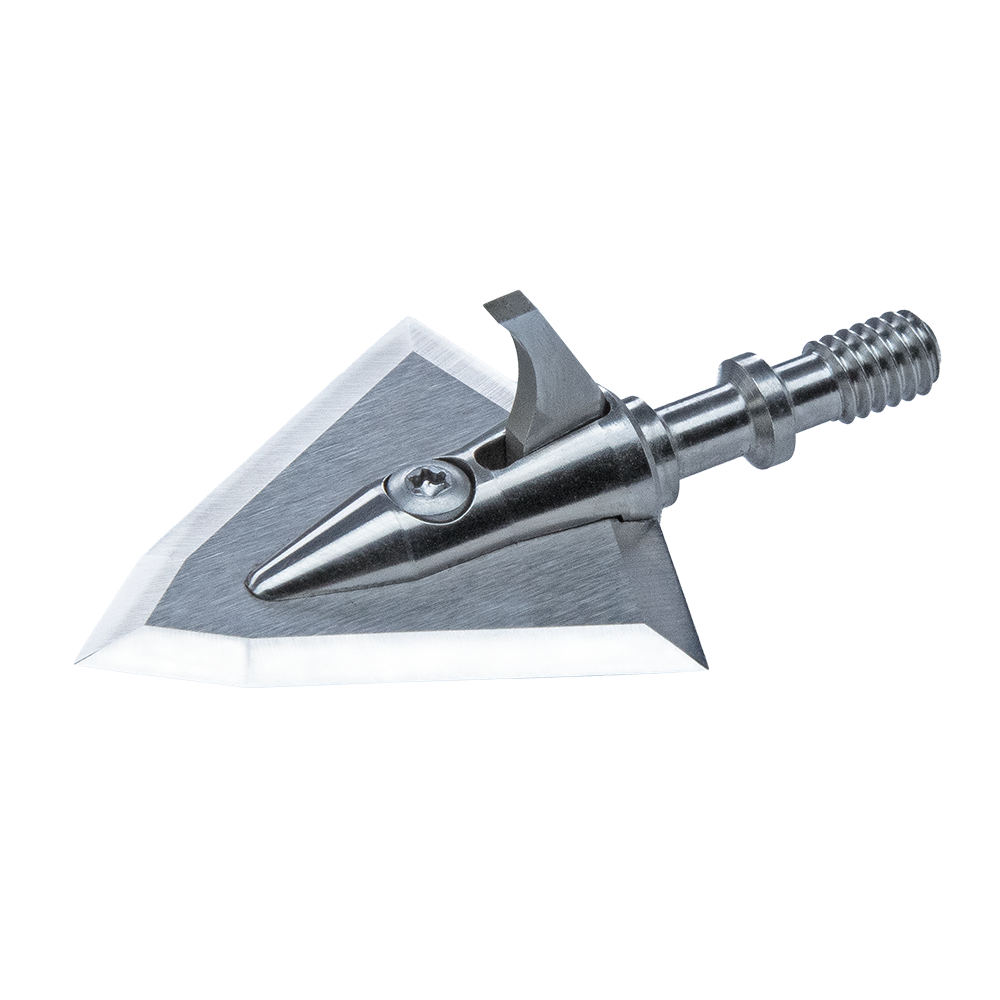
Through laboratory testing we've found that Iron Will broadheads will have less than half the force to penetrate compared to other fixed blade heads. If your force to penetrate is less than half, you'll get more than two times the penetration through the animal.
We've also found that mechanical broadheads to have more than ten times the force to penetrate compared to Iron Will broadheads. So you can only expect to get about a tenth of the penetration with a mechanical head that you could achieve with an Iron Will broadhead.
Again, by increasing your bow poundage by 10%, you can expect to get 10% more penetration. Whereas choosing a broadhead that has half the force to penetrate can give you double or more of the penetration.
Taking it one step further, this allows you to decrease your bow poundage yet still get more penetration than you would using other broadheads. Reducing bow poundage can improve hunting for many bow hunters. If high bow poundage causes you to sky draw or move excessively while drawing, a lower poundage can help you keep your bow steady, draw straight back, and minimize movement, making you a more effective hunter. This can greatly improve your chances by preventing animals from seeing you draw your bow.
Reducing poundage can also help you hold the bow longer if there's a situation where you need to hold the bow at full draw for a long time to wait for the best shot angle.
In summary, choosing an Iron Will broadhead to reduce that force to penetrate gets you further through the animal, and is often a better choice than going into a higher poundage to try and achieve that greater penetration.
*HIT (Hidden Insert Technology) is used under license as a registered trademark of Easton Technical Products.